

In Atlanta, renting a post hole digger in 2026 typically costs between $90–$135 per day, $360–$540 per week, and $1,080–$1,350 per month. These rates vary based on the equipment's power and size. Leading rental companies in Atlanta provide a range of options suitable for different project scales.
| Vendor | Daily Rate | Weekly Rate | Review Score | Website |
|---|---|---|---|---|
| Suburban Rental | $105 | $425 | 9 | Visit |
| Able 2 Rent All | $97 | $388 | 8 | Visit |
| Harvey's Rent‑All | $90 | $360 | 8 | Visit |
| Talisman Rentals | $85 | $275 | 8 | Visit |
| United Rentals | $99 | $369 | 7 | Visit |
Several factors affect the rental costs, including the digger's power, the duration of the rental, and any additional attachments required. Seasonal demand can also impact pricing, with higher rates during peak construction periods.
When renting a post hole digger, be aware of potential hidden fees. These may include delivery and pick-up charges, which can be flat or mileage-based, fuel surcharges, and cleaning fees for equipment returned with excessive dirt or mud. Additionally, consider damage waivers versus full insurance options, as well as penalties for late returns or overtime usage.
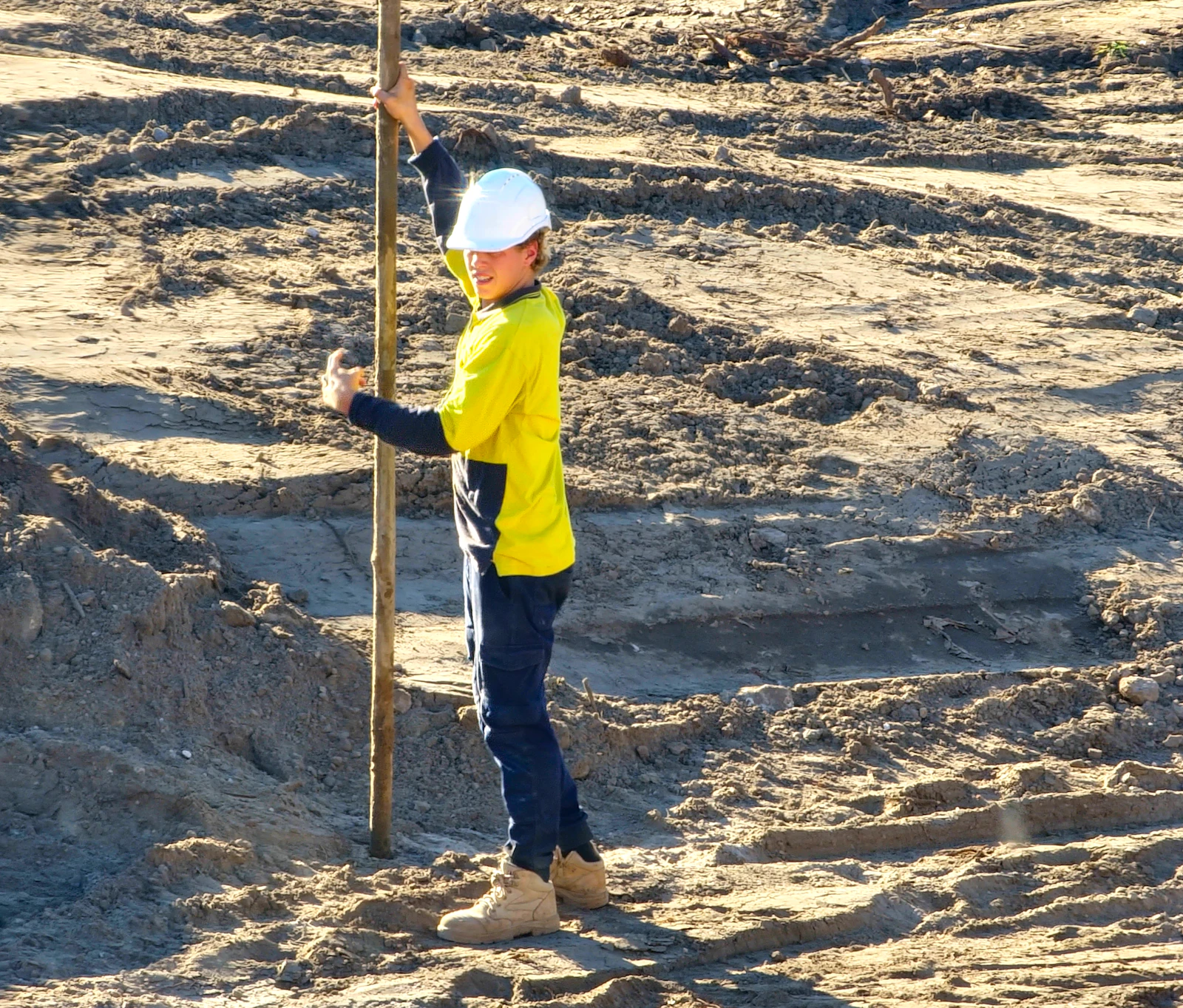
The rental market for post hole diggers in Atlanta is expected to remain competitive in 2026, with several vendors offering flexible rental terms and a variety of equipment models. It's advisable to book in advance during busy seasons to secure the best rates and availability.
Ensure compliance with local regulations when using post hole diggers, particularly regarding safety standards and operational guidelines. Proper training and adherence to safety protocols are essential to prevent accidents and ensure efficient operation.
