

Pressure washing is a critical step in preparing construction sites, ensuring surfaces are clean and ready for subsequent trades. Costs for pressure washing services typically range from $500–$1,200 per project, depending on the size and complexity. This guide explores how professional-grade equipment and AI integration enhance efficiency and accuracy in construction projects.
• Gas vs. electric motors: Choose gas units for large outdoor areas and electric units for indoor applications.
• PSI and GPM matching: Balance pressure and water flow to clean effectively without damaging surfaces.
• Smart sensors: Integrate with AI systems for automatic budget tracking and efficiency.
Integrating AI into pressure washing processes transforms traditional tasks into data-driven operations:
1. Voice commands record square footage washed.
2. AI converts data into detailed cost estimates.
3. Real-time data syncs with project plans to ensure accuracy.
• Foundation prep before damp-proofing.
• Siding cleaning before painting.
• Roof tile cleaning before solar panel installation.
• Driveway and sidewalk cleaning before sealing.
Choosing the correct pressure wash equipment is crucial:
1. Material type: Use high PSI for hard surfaces, lower PSI for delicate materials.
2. Height access: Use telescoping wands for safety and efficiency.
3. Water source: Implement reclaim systems in drought-prone areas.
Use biodegradable detergents to protect the environment and comply with regulations.
AI technology provides precise cost estimates, reducing the risk of overestimating:
• Capture dimensions and calculate costs automatically.
• Provide clients with detailed, itemized quotes quickly.
A recent project involved washing 3,500 ft² of brick, saving 5% on prep costs through AI-driven efficiency.
Ensure safety with proper protocols and equipment:
• Conduct hazard analyses before tasks.
• Use PPE and automatic shutoff systems.
• Wash from the bottom up to avoid streaks.
• Use appropriate tips and pressure settings for different materials.
• Schedule washing ahead of painting for optimal results.
Implement water-saving practices and earn green-building credits by using reclaim systems and documenting water savings.
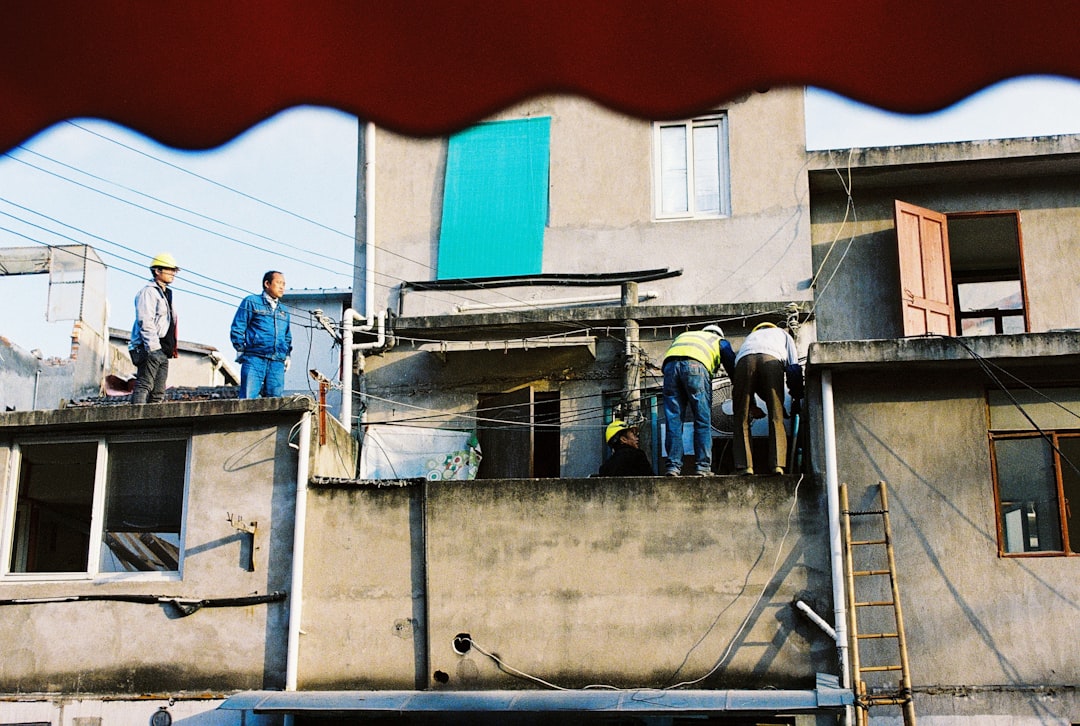
In a recent project, using a 3,200 PSI unit saved significant labor costs. Traditional methods would have required more hours, but AI optimization reduced expenses.
• Equipment amortization: $0.20–$0.50 per square foot
• Detergent and water: $0.10–$0.50 per square foot
• Labor: $0.30–$0.75 per square foot
Total: $0.30–$0.75 per square foot, offering substantial savings.
1. Reduced paint callbacks.
2. Faster project completion.
3. Increased client satisfaction.
• Integrate washing early in the schedule.
• Use appropriate settings to avoid damage.
• Document processes for transparency.
