

For construction professionals, understanding the price of wood flooring is crucial. Costs can range from $8.25 to $25+ per square foot, depending on various factors. This guide provides insights into these variables, helping you deliver accurate estimates and manage client expectations effectively.
1. Margins are tight in today’s residential market.
2. Clients expect transparent, itemized proposals.
3. Labor and material prices change weekly.
4. A blown flooring budget can derail the entire schedule.
Species and Grade
• Red oak remains a budget-friendly standby at $3–$6 per sq. ft. for materials.
• Premium walnut or exotic teak can exceed $5–$8 per sq. ft.
Plank Width & Length
• Standard 2¼″ strips cost less to source and install.
• Wide-plank (6″+) boards add up to 30% on material and labor due to special nailing patterns and acclimation time.
Finish Type
• Factory-finished flooring lowers on-site labor but raises material price.
• Site-finished floors demand sanding, staining, and extra dust control.
Subfloor Preparation
• Leveling compounds, moisture barriers, or sleeper systems can add $2–$4 per sq. ft.
Location and Logistics
• Urban deliveries, walk-ups, and union rules in cities like New York can tack on 10–15% compared with suburban builds.
• Entry-level solid oak: $8–$15 per sq. ft. installed.
• Mid-grade engineered maple: $9–$14 per sq. ft. installed.
• Wide-plank European white oak: $12–$18 per sq. ft. installed.
These numbers include a 7–10% waste factor and standard underlayment. Use them as a baseline, then refine every line item for location-specific accuracy.
Voice-Driven Scoping
Speak naturally with AI tools to convert conversations into structured flooring task lists.
Live Material Feeds
Sync with suppliers to update plank, adhesive, and finish pricing daily, ensuring proposals reflect real-time market conditions.
Automated Takeoffs
Upload a PDF or DWG and mark the flooring area. Computer vision tools generate square footage, waste, and trim counts within minutes.
Labor Rate Intelligence
Regional carpenter rates auto-populate based on ZIP code, providing accurate totals for different locations.
1. Open a new project in your dashboard.
2. Upload floor plans or start a voice session describing each room.
3. Select species, plank width, and finish from the live catalog.
4. Confirm subfloor condition and waste percentage.
5. Review the auto-generated tasks and costs, then export a branded PDF quote.
• Switch high-traffic areas to durable engineered planks while keeping statement rooms in solid hardwood.
• Order 3–4% extra material instead of the typical 10% if room shapes are rectangular and installer skill is high.
• Schedule deliveries mid-week to avoid weekend freight surcharges.
• Bundle flooring with baseboard installation to save on mobilization costs.
Clients often focus on sticker price. Use detailed breakdowns to explain long-term ROI—durability, refinishing cycles, and resale value—so price discussions pivot to value discussions.
Ready to see exactly how the price of wood flooring affects your upcoming remodel or new build? Explore tools and resources to enhance your project planning and execution.
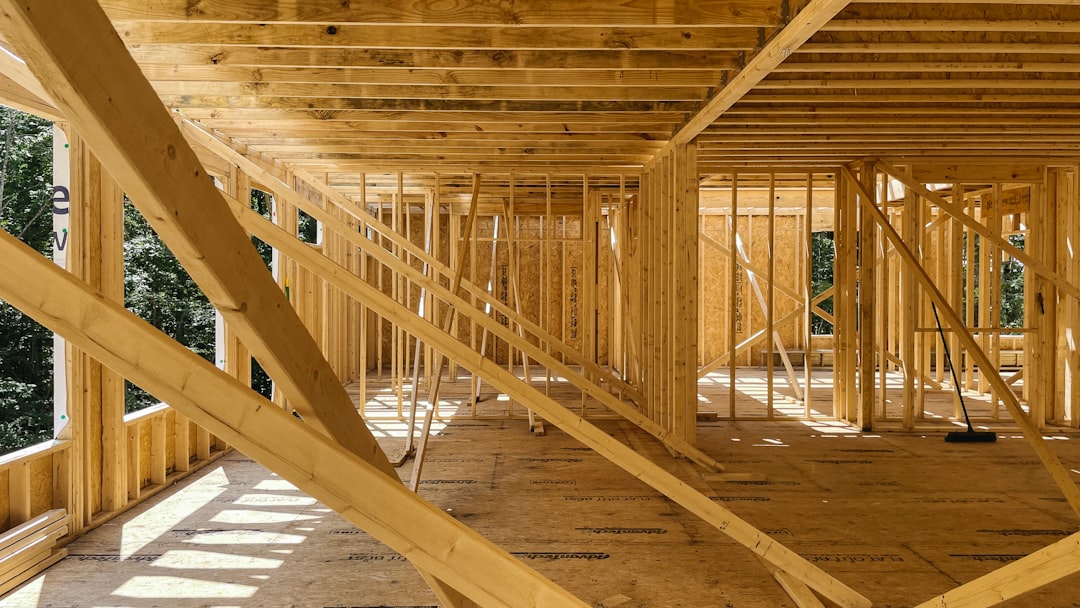
A recent project involved installing 1,800 sq. ft. of wide-plank white oak in a historic brownstone. Challenges included narrow staircases and uneven subfloors, but modern cost control was achieved through AI tools.
• Narrow staircases required hand-carry deliveries, inflating labor hours.
• Existing subfloors were uneven by up to ¾″, demanding extensive leveling.
• Homeowner wanted a low-VOC oil finish, adding specialty materials.
1. Voice capture identified logistics constraints and added “carry-in premium” tasks at local rates.
2. Blueprint takeoff detected 210 sq. ft. of closets and alcoves, adjusting waste to 12% for irregular cuts, saving costs.
3. Live pricing flagged a 6% uptick in white oak, allowing the contractor to lock pricing and prevent overruns.
• Total installed cost: $31,860, or $17.70 per sq. ft.
• Savings achieved versus original manual estimate: $2,430.
• Change orders after contract: Zero.
The project finished on budget and ahead of schedule by surfacing hidden variables before work began. From urban handling fees to specialty finishes, accurate pricing kept the project profitable.
Explore similar successful projects and enhance your next build with precise cost management strategies.
