

For construction professionals estimating ceiling repair after removing a skylight, expect current labor and material rates to range between $50 and $100 per square foot, with full repairs often averaging between $1,100 and $1,500 depending on damage extent and material complexity. Typical total project costs fall in the $300 to $1,200 range, and extensive repair scopes may approach the upper limit of that range.
| Scope of Work | Cost Range (USD) |
|---|---|
| Minor drywall patch (small hole/crack) | $200–$500 |
| Moderate drywall/plaster repair (framing, seams) | $400–$1,200 |
| Comprehensive repair after skylight removal (including framing, insulation, drywall, texture, paint) | $1,100–$1,500+ |
This cost data reflects current rates for professional tradespeople: per-square-foot labor/material pricing of $50–$100, average total around $1,100, and expected upper bounds up to $1,200+ depending on structural work involved. (Sources: HomeAdvisor report updated February 2026; Angi guide June–August 2026)
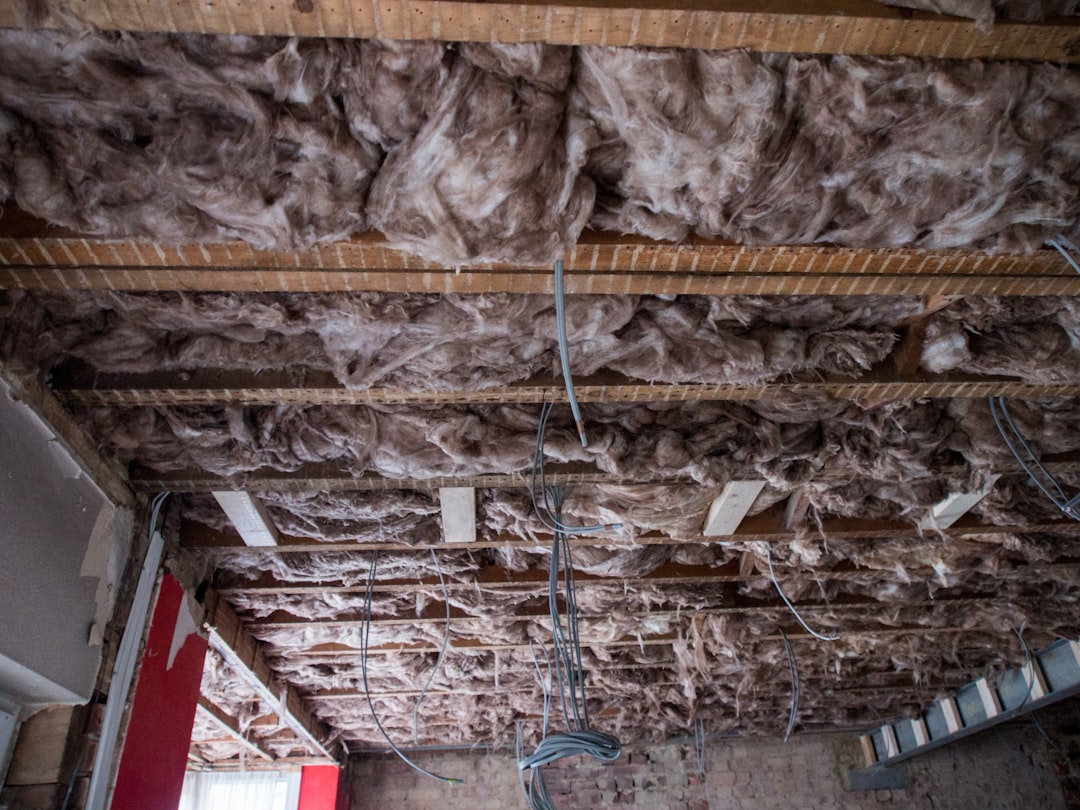
Trade professionals can reduce bid inflation and maintain margins by accurately estimating crew and material needs. Overestimation often occurs when professionals pad with excessive contingency or fail to separate framing, vapor barrier, insulation and finishing line items. A structured cost breakdown might include:
Using a spreadsheet or simple cost calculator tool that lets you adjust per-component pricing and labor hours helps align bid to actual crew requirements. Always include a narrow contingency (e.g., 5–10%) rather than full 20–30%, and reference actual crew productivity rates for similar past jobs.
By focusing on “construction crew costs analysis” and “avoid overestimating construction rates,” trade professionals can sharpen bids, remain competitive, and preserve profitability.
