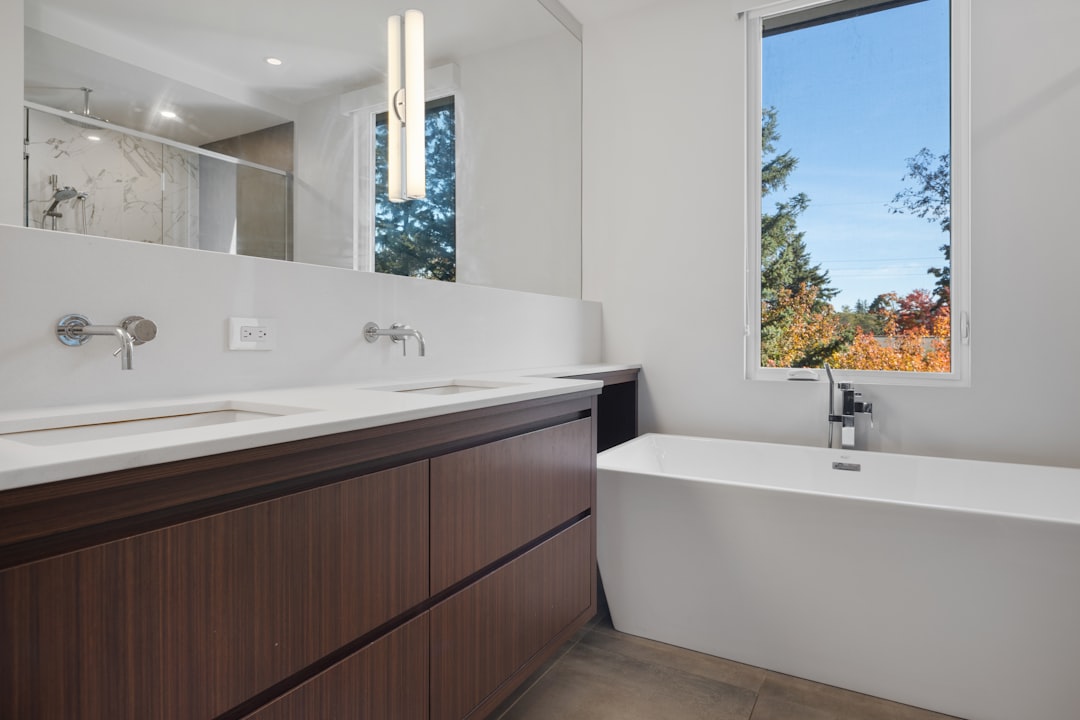
Installation Labor Rates 2026 for Bathtub Faucet Replacement
Price source: Costs shown are derived from our proprietary U.S. construction cost database (updated continuously from contractor/bid/pricing inputs and normalization rules).
Eva Steinmetzer-Shaw
Head of Marketing
Bathtub Faucet Replacement Costs & Installation Labor Rates 2026
The cost to replace a bathtub faucet in professional plumbing contexts typically ranges between $300 – $750 total, including materials and labor. Labor alone ranges from $150 – $400 for straightforward installations, while total costs can reach up to $1,000 for complex projects or high-end fixtures. These numbers are current as of late 2026. (Professionally sourced from HomeGuide and Angi cost data.)
| Cost Component | Estimated Range | Notes for Trade Professionals |
|---|
| Material (faucet only) | $70 – $1,000+ | Wall or deck-mount, deck-mount most common; premium materials drive costs up. Source: Angi 2026. |
| Labor (licensed plumber) | $150 – $400 | One to two hours typical; more if valve replacement or access issues. Source: HomeGuide 2026. |
| Total Installed Cost | $300 – $750 | Typical full faucet replacement package in standard conditions. |
| Complex Installation (plumbing rerouting, valve replacement, wall access) | Up to $1,000+ | Higher labor if behind-wall access or pipe alteration required. Angi data. |
Trade professionals should note that hourly labor rates typically range from $80 – $130, depending on urban region and license level. This aligns with national averages for professional plumber crews. (Yelp and HomeGuide data.)
Installation Labor Rates 2026 & Construction Crew Cost Analysis
- Hourly labor rate for pro plumbers: $80 – $130 per hour, reflecting journeyperson and foreman crew structure. (Yelp, HomeGuide sources.)
- Crew labor costs: Add helper/foreman support when estimating for crew deployment—consider an overhead multiplier of 1.3–1.5× base labor.
- Material cost breakdown: Brass, chrome, stainless-steel finishes—higher durability increases cost but saves on callbacks over time.
How to Avoid Overestimating Costs: Professional Tips
- Use current supplier quotes, adjust for material lead times and local labor rate fluctuations.
- Include conditional allowances for valve replacement, pipe realignment, or wall access—budget an extra $200 – $400 when those are probable.
- Implement on-site inspection checklists to verify valve access, material compatibility, and installation constraints before quoting.
- Adopt simple cost calculators or spreadsheet tools to model variables—e.g., base labor + material + contingency, then apply crew load factor.
Cost Estimation Summary for Contractor Bidding
- Material: $70 – $1,000+
- Labor: $150 – $400
- Installed total: $300 – $750 typical
- Complex jobs: up to $1,000+
Trade contractors can use these figures to refine bids, align crew labor rates with market benchmarks, and reduce risk of underestimating job complexity.
Case Study: Bathtub Faucet Replacement Crew Labor Analysis
A mid-size contractor deployed a two-person crew (licensed plumber plus helper) to replace a deck-mounted bathtub faucet in a suburban residence. Valve was accessible, no wall access needed. Total elapsed time: 1.5 hours. Materials cost: $180; labor cost billed at $120/hour for plumber, $60/hour for helper.
Cost Breakdown
- Plumber labor (1.5 hrs): $180
- Helper labor (1.5 hrs): $90
- Materials (mid-grade faucet): $180
- Subtotal: $450
- Apply crew overhead multiplier (1.4×): final estimate: $630
Key Insights for Trade Professionals
- Accurate crew cost modeling helps ensure margin protection while delivering competitive bids.
- Helper labor adds scheduling flexibility and reduces specialized labor time.
- Applying a small overhead factor for consumables, travel, and contingency avoids underquoting.
- When writing bids, clearly itemize labor vs. materials, and note assumptions (e.g., accessible valves, no drywall work). This improves transparency and reduces disputes.
This approach can be adapted for different installation scenarios, such as wall-mounted or freestanding faucets, by adjusting material baseline and labor complexity allowances accordingly.