

For construction professionals, understanding the costs associated with replacing a kitchen sink is crucial for accurate project planning. The cost can range from $380 to $1,400 depending on the sink type, materials, and labor involved. This guide provides a detailed breakdown of these costs, helping you make informed decisions and avoid common pitfalls.
In 2026, the average cost for a drop-in sink replacement is between $380 and $1,400. More complex installations, such as undermount or farmhouse sinks, can reach $1,400 or more. Key factors influencing these costs include:
Stainless Steel Sinks: Priced between $120 and $350, these are popular for their durability and ease of maintenance.
Composite Granite or Quartz: Costs range from $300 to $700 per bowl, with additional labor costs due to their weight.
Fireclay Farmhouse Sinks: These range from $450 to $950 and may require custom cabinet modifications.
Licensed plumbers typically charge $75 to $150 per hour. The average project involves:
Unexpected repairs can increase time and costs, highlighting the importance of accurate initial assessments.
Utilizing AI for real-time pricing and labor rate matching ensures accurate estimates, reducing the risk of budget overruns.
DIY Savings: Potential savings of $200–$400, but consider warranty implications.
Professional Assurance: A five-year workmanship warranty and transparent pricing protect your investment.
Explore financing options to manage costs effectively, ensuring your project stays within budget.
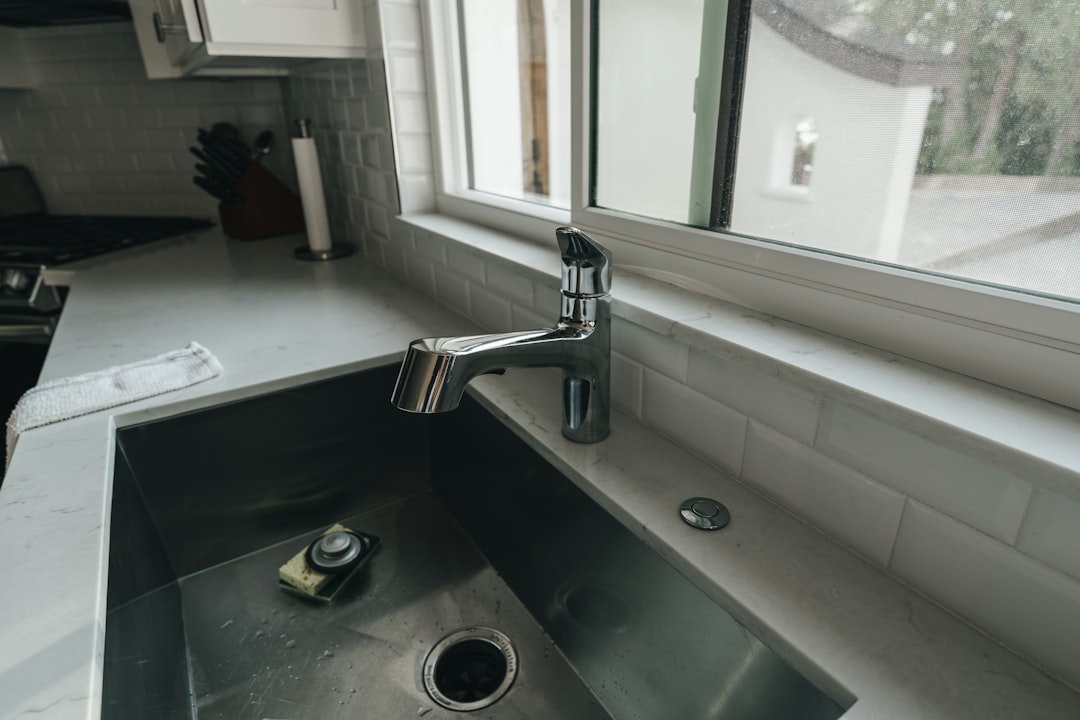
For construction professionals, minimizing costs without compromising quality is key. Here are three strategies to achieve this:
Engage multiple suppliers to secure the best rates, potentially saving 6-10% on materials.
Optimize crew schedules to reduce travel time and labor costs, enhancing project efficiency.
Bundle related maintenance tasks to prevent future issues and reduce overall costs by approximately 30%.
A recent project saw costs reduced from $1,260 to $1,012 through strategic supplier bidding and efficient scheduling, demonstrating the effectiveness of these strategies.
Implement these strategies in your projects to achieve cost-effective and efficient sink replacements.
