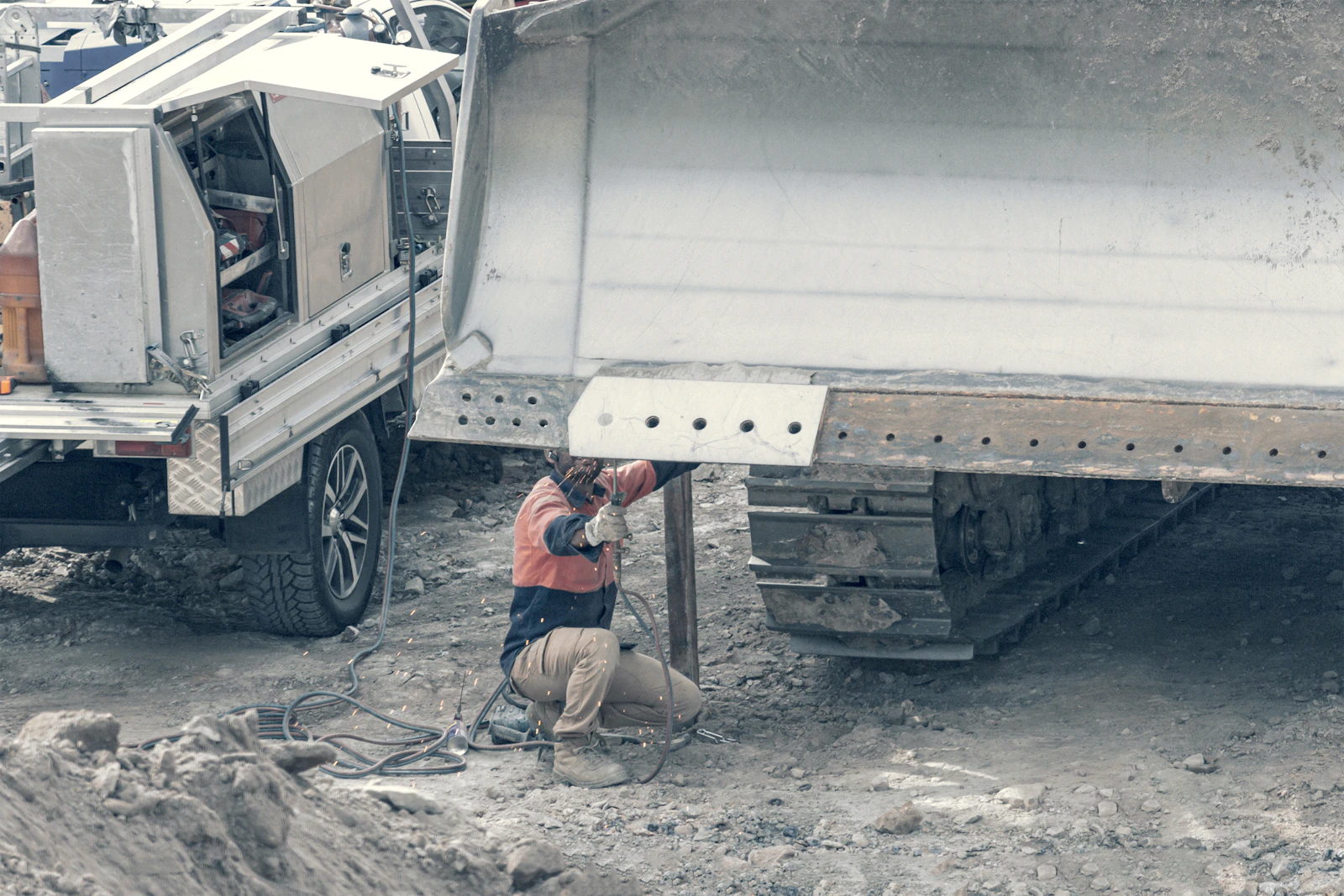
Rollback Truck Rental Rates Atlanta 2026
For Atlanta rollback truck equipment hire supporting heavy equipment hauling (e.g., forklifts, scissor lifts, skid steers, compact loaders), plan 2026 budget ranges of $450–$950/day, $1,700–$3,600/week, and $5,200–$10,500/month for a truck-only hire where allowed (CDL/insurance dependent). For an operated rollback truck hire (truck + qualified operator), budgeting is more commonly structured as $110–$185/hour (often with a dispatch minimum) or $950–$1,650 per 10-hour day equivalent, with mileage and accessorials added. Atlanta-area towing/transport operators and specialty wrecker rental fleets publish reference pricing that supports these planning bands (e.g., published daily rates around $495/day for tow-truck rental fleets, and local posted ranges for equipment towing that often land in the $150–$300 range for certain commercial equipment moves, depending on scope).
| Vendor |
Daily Rate |
Weekly Rate |
Review Score |
Website |
| Wrecker Rentals, Inc. |
$495 |
$3 120 |
8 |
Visit |
| City Rent a Truck (Atlanta / Jonesboro yard) |
$395 |
$1 650 |
8 |
Visit |
| Custom Truck One Source (Decatur / Atlanta) |
$450 |
$1 900 |
9 |
Visit |
| United Rentals (Commercial Truck Rentals – Forest Park, GA) |
$430 |
$1 850 |
8 |
Visit |
| Enterprise Truck Rental (Metro Atlanta) |
$165 |
$825 |
6 |
Visit |
How Rollback Truck Hire Is Quoted For Heavy Equipment Hauling In Atlanta
In practice, rental coordinators typically see three quote structures for rollback truck hire cost in Atlanta:
- Truck-only equipment hire (rare for many buyers): a day/week/month rate, plus insurance compliance and sometimes a refundable deposit. This is most feasible if your organization already runs commercial trucks (driver, DOT compliance, and insurance certificates ready to go).
- Operated rollback hire (most common): hourly with a minimum (dispatch-to-clear), or a day rate that includes a set number of hours and a local radius.
- Trip / lane pricing: a mobilization charge plus loaded miles (often used for moves from a rental yard to a jobsite, jobsite to shop, or jobsite to auction/yard).
For Atlanta metro-area dispatch, expect pricing and availability to be sensitive to I-285 and I-75/I-85 congestion windows (which can convert “simple” moves into billable standby), and to jobsite surface conditions (Georgia red clay + rain can drive cleaning and recovery charges if the rollback can’t safely winch/tilt without assistance). Build your estimate assuming the carrier will charge for time spent on-site when access is restricted (gate delays, escorts, or equipment not staged).
What Drives Rollback Truck Equipment Hire Cost In Atlanta?
The biggest cost drivers are (1) weight and dimensions, (2) loading method, (3) route constraints, and (4) commercial risk/insurance requirements. A rollback is ideal for compact-to-mid equipment that can be winched or driven onto the bed, but it is not a substitute for a lowboy when axle weights, deck length, or ground clearance become limiting.
- Equipment weight class: “bobcat-sized” or compact equipment is typically straightforward; heavier tracked equipment may require additional rigging, spotters, or a different trailer altogether (cost escalation often shows up as higher hourly, additional trucks, or a conversion to lowboy).
- Winching vs. drive-on: winch loading commonly adds a line item and more on-site time. Budget $75–$175 for a winch/remote winch add-on in planned work, and more if it becomes a recovery rather than a planned load.
- Site access and grade: tight downtown Atlanta access, basements/ramps, or deck-lip transitions increase labor time and risk controls.
- Timing: same-day and after-hours dispatch is available but typically priced with a call-out premium; weekends/holidays can bill as full-day minimums depending on vendor policy.
Daily, Weekly, And Monthly Planning Ranges (With Assumptions)
Use the ranges below as 2026 planning allowances for Atlanta rollback truck equipment hire cost. Do not treat these as firm quotes—final pricing changes with payload, bed length, winch rating, insurance requirements, and whether you need an operator.
- Truck-only day rate: $450–$950/day (assumes local pickup/return, standard rollback configuration, and your firm supplies a qualified driver). A published example daily rate of $495/day appears on at least one tow-truck rental fleet’s rate page (useful as a reference point, not a guarantee for Atlanta).
- Truck-only week rate: $1,700–$3,600/week (assumes 5–7 billed days depending on contract; clarify weekend treatment).
- Truck-only month rate: $5,200–$10,500/month (assumes ~20–26 billed days; may require negotiated term and insurance endorsements).
- Operated hourly (planned hauling): $110–$185/hour with a 3–5 hour minimum common in metro work; mileage/tolls commonly added.
- Operated day equivalent: $950–$1,650 per 10-hour day where offered, typically with boundaries around radius, waiting time, and loaded/unloaded travel.
High-severity or recovery-like work (not typical for planned heavy equipment hauling) can price materially higher. For example, a U.S. DOT/FMCSA-related document discussing towing/recovery billing cited a rollback hourly figure around $270/hour (and noted higher rates being considered excessive in that context). Treat this as an upper-context data point for difficult, risk-heavy situations—not normal scheduled transport.
Hidden-Fee Breakdown (The Line Items That Move Your Total)
To control rollback truck hire cost, your estimator should force clarity on how each of the following is billed. These are the line items that most often create variance between a “cheap day rate” and the final invoice:
- Dispatch / minimum charge: 3-hour minimum (common) or 4-hour minimum (also common). If your move only takes 90 minutes door-to-door, you may still pay the minimum.
- After-hours call-out: budget $150–$350 per dispatch for nights/weekends, depending on how the vendor defines “after-hours.”
- Loaded mileage charge: budget $3.75–$6.50 per loaded mile for planned local hauling when not using a day rate (rate depends on equipment class, traffic risk, and insurance).
- Fuel surcharge: 12%–18% applied to linehaul is common in transport-style contracts; clarify whether it applies to labor, too.
- Damage waiver / rental protection: 10%–15% of the rental/hire charges is a common planning allowance if offered; alternatively, you may need to provide a certificate of insurance.
- Delivery & pick-up (truck-only hire): $125–$275 each way inside the metro core; add $3.00–$5.00/mile beyond an agreed radius.
- Standby / wait time: $95–$165/hour when the operator is on-site but cannot load/unload (equipment not staged, keys missing, site contact unavailable).
- Winch / rigging consumables: straps/chains often bill as consumables or rental—budget $15–$35 each for rated straps (if not supplied by your crew) plus edge protection where required.
- Cleaning fee: $150–$350 if the bed returns with heavy clay/mud/concrete slurry; Atlanta red clay after rain is a repeat driver of this charge.
- Administrative fees: $10–$25 per toll/admin pass-through is common; clarify if invoices include scanned toll receipts.
- Late return / off-rent cutoff (truck-only): if “off rent” is only processed during business hours, a return after cutoff can trigger an extra day. Budget a $50–$125/hour late/holdover penalty or a full extra day depending on contract language.
- Cancellation: budget $150–$300 if canceled inside 24 hours of dispatch (varies widely).
Atlanta-Specific Operational Constraints That Change Hire Cost
- Traffic windows: If your pickup/drop is in the I-285 loop, schedule delivery windows that avoid peak congestion. A 60–90 minute delay can turn into billable standby or push you past a daily hour cap.
- Delivery radius norms: Many providers price “local” as a defined mileage band (often ~20–30 miles from yard). Confirm the yard location relative to your site (South Fulton vs. Gwinnett vs. Cobb changes real miles quickly).
- Heat and duty cycle: Summer heat increases hydraulic temps and can slow repeated winch cycles; build buffer time if you have 3+ moves/day planned with tight windows.
Example: One-Day Rollback Hire For Compact Equipment (Real Constraints)
Scenario: You need a rollback truck with operator to move a 9,500 lb skid steer with bucket from a rental yard near the perimeter to a jobsite in West Midtown, then relocate it to a second site in Decatur, and finally return it to the yard the same day. There is one loading dock window (2:00–3:00 PM), and the GC requires all deliveries to check in 30 minutes early. The skid steer must arrive with ≥ 1/2 tank diesel and the yard requires a signed condition report at return.
- Operated day-equivalent hire: budget $1,150 for a 10-hour day (planning number within the ranges above).
- Standby risk: assume 1.0 hour standby at $125/hour due to dock timing and check-in constraints.
- Loaded mileage: assume 45 loaded miles total at $4.75/mile if billed by miles instead of day rate (or as an overage).
- Fuel surcharge: 15% on linehaul components.
- Cleaning allowance: $200 if rain is forecast and the skid steer tracks are muddy (avoid surprise fees by pressure-washing before load if permitted).
Control point: the cost swing in this scenario is not the base hire—it is access timing. If the first site misses the dock window and the operator waits 2.5 hours, you can add $300+ quickly, and you may breach a “return by cutoff” rule that triggers another billed day.
Budget Worksheet (No Tables; Estimator-Ready Line Items)
- Rollback truck equipment hire (operated): 1 day @ $950–$1,650 allowance
- Dispatch minimum / call-out: $150–$350
- Loaded mileage allowance: 40–80 miles @ $3.75–$6.50/mile
- Standby allowance: 1–3 hours @ $95–$165/hour
- Fuel surcharge allowance: 12%–18%
- Damage waiver / rental protection: 10%–15% (or provide COI)
- Delivery/pick-up (if truck-only hire): $125–$275 each way
- Rigging/securement consumables: $60–$180 (e.g., 4–6 straps/chains @ $15–$35)
- Cleaning allowance (red clay / mud): $150–$350
- Tolls/admin: $10–$25
- Contingency for access restrictions: 10% of subtotal (tight sites, escorts, gate delays)
Rental Order Checklist (PO, Delivery, Return Requirements)
- PO and scope: specify “rollback truck hire for heavy equipment hauling,” equipment make/model/weight, and whether it is operated or truck-only.
- Billing structure: confirm hourly vs day rate, the minimum hours, and whether billing is dispatch-to-clear.
- Delivery windows: provide site receiving hours, gate codes, site contact phone, and any check-in lead time requirements.
- Access constraints: turning radius, dock height, overhead clearances, slope/grade, and whether a spotter is required.
- Securement responsibility: confirm who supplies straps/chains, and who signs off on load securement.
- Condition documentation: require time-stamped photos at pickup and drop (all 4 sides + serial number + hour meter if present).
- Off-rent rules: define off-rent time, return inspection requirements, and cutoff times (avoid unintended extra-day billing).
- Fuel/recharge expectations: specify minimum fuel level on return (e.g., 1/2 tank) and any refuel surcharge rules.
- Insurance: exchange COI requirements, additional insured language, and cargo liability expectations before dispatch.
Note for estimators: If your move may exceed legal dimensions/weight, confirm whether the vendor is pricing in Georgia oversize/overweight permitting and routing. Georgia’s permitting framework is administered through state agencies, and fees/processing can apply (including payment processing fees in some cases).
Permits, Compliance, And When They Affect Rollback Truck Hire Cost
Most rollback truck hire for heavy equipment hauling stays legal without special permits when moving compact equipment inside standard width/height/weight thresholds. However, rental managers should still treat compliance as a cost driver because vendors price risk and admin time even for “legal” loads. If your move crosses into oversize/overweight territory (or needs routing restrictions), expect added line items for permitting, routing, and potentially pilot/escort coordination.
Georgia oversize permitting is handled through state channels, and published guidance commonly references standard single-trip permits in the $30 range (with variability depending on permit type and load). Use permitting as a separate allowance in your estimate, not hidden inside a blended hourly rate.
- Permit admin fee (vendor handling): budget $50–$125 per permit request in addition to state fees.
- Routing/survey allowance: $75–$250 when the vendor must verify access, bridge/height constraints, or restricted delivery routes.
- Site safety requirements: some sites require spotters—budget $65–$95/hour if the vendor supplies labor, or assign your own crew.
Cost Control Levers For Rental Coordinators (Atlanta Rollback Truck Hire)
Atlanta is a market where time certainty is often more valuable than squeezing the base rate, because traffic and access are what create invoice variance. The following levers reduce total equipment hire cost without pushing vendors into unsafe or non-compliant execution:
- Bundle moves: If you have 2–4 short relocations in one area, bundle them into one dispatch/day rate instead of multiple minimum-hour calls.
- Stage the load: Require the jobsite to stage the equipment 30–60 minutes before the rollback arrives (keys available, attachments removed, path cleared). This directly reduces standby.
- Clarify what “local” means: Put the radius in writing (e.g., “includes first 25 miles from vendor yard; miles beyond billed at $X”). Even if your vendor uses a different number, forcing the definition prevents surprise mileage adders.
- Document condition to avoid disputes: A 10-minute photo protocol can prevent chargebacks that dwarf the hire cost (bent steps, bed damage, fluid leaks on the deck).
Common Add-Ons For Heavy Equipment Hauling With A Rollback
For planned heavy equipment hauling, rollback jobs often require accessories and controls. Budget these as optional line items so you can compare quotes apples-to-apples:
- Chains/grade-rated binders: $25–$60 per set if rented; many carriers include, but not all.
- Edge protectors / softeners: $10–$25 per move when the load has finished surfaces or sensitive tie-down points.
- Machine skates / dollies (tight indoor moves): $60–$140/day where required for floor protection and positioning.
- Spill containment / absorbent kit: $25–$50 if the site requires it for any equipment that could leak hydraulic fluid.
Return Conditions, Off-Rent Rules, And Avoidable Charges
Even when you are not “renting the machine,” rollback truck equipment hire invoices often include return-condition rules because the carrier’s asset (truck/bed/winch) is what is being hired. Two avoidable cost traps in Atlanta are (1) returning after cutoff due to traffic and (2) bed contamination from clay or concrete dust.
- Off-rent cutoff: If off-rent must be processed by 4:00–5:00 PM, a late return can trigger an extra day. Build a 60–120 minute traffic buffer for perimeter moves.
- Weekend/holiday billing: clarify whether Saturday/Sunday are billed as full days once the truck is dispatched or held on site (some contracts bill calendar days, not working days).
- Dust control (indoor projects): if hauling equipment in/out of active interior spaces (hospitals, data centers, airports), budget $75–$200 for protective measures (bed covering, floor protection coordination) and plan extra load time.
- Refuel expectations: if the vendor refuels the transported equipment (or the truck-only hire returns low), budget a refuel surcharge of $6–$10/gal plus a service fee of $25–$60.
Negotiating A Clean Quote (What To Put In Writing)
To keep rollback truck hire costs predictable, require quotes to state the following explicitly:
- Rate basis: hourly vs day rate vs trip, and whether time starts at dispatch, arrival, or load start.
- Minimums: exact minimum hours (e.g., 4 hours) and how increments are billed (e.g., 15-minute increments).
- Accessorial schedule: standby, winching, cleanup, after-hours, cancellation, toll admin, and mileage.
- Liability: cargo insurance limits and deductible responsibilities (if any), plus how damage claims are documented.
If you are comparing against posted local towing/equipment transport pricing, note that some Atlanta-area operators publicly list broad ranges for commercial equipment towing (e.g., $150–$300 depending on equipment and distance). Use those as a reality check, but still require a written scope so you don’t discover limitations at dispatch (restricted hours, exclusions for construction equipment, or higher rates for heavier classes).
When A Rollback Is The Wrong Hire (And How That Impacts Cost)
A rollback is cost-effective when the job is within its physical and compliance envelope. If your equipment is too long, too heavy, or too low-clearance, a lowboy/step deck solution will usually be safer and may even be cheaper than forcing a rollback and paying for extra labor, extra trucks, or failed attempts. As a simple rule for estimating: if the plan requires repeated winch resets, multiple spotters, or you expect the carrier to bring an additional unit “just in case,” your rollback hire cost is likely no longer the right baseline—re-scope before the first dispatch.
Closeout: A Practical 2026 Budget Range For Atlanta Rollback Truck Equipment Hire
For 2026 budgeting in Atlanta, many teams land on a fully burdened planning allowance of $1,250–$2,250 per dispatched day for operated rollback truck hire supporting heavy equipment hauling once you include minimums, typical standby risk, fuel surcharge, and basic accessorials. For multi-day needs, negotiate weekly/monthly terms early and confirm off-rent and weekend billing rules in writing so your “cheap weekly rate” does not turn into calendar-day billing surprises.