Roof Hoist Rental Rates in Philadelphia (Daily/Weekly) — 2026 Costs
Philadelphia Construction Cost Hub
Price source: Costs shown are derived from our proprietary U.S. construction cost database (updated continuously from contractor/bid/pricing inputs and normalization rules).
Eva Steinmetzer-Shaw
Head of Marketing
Roof Hoist Rental Rates Philadelphia 2026
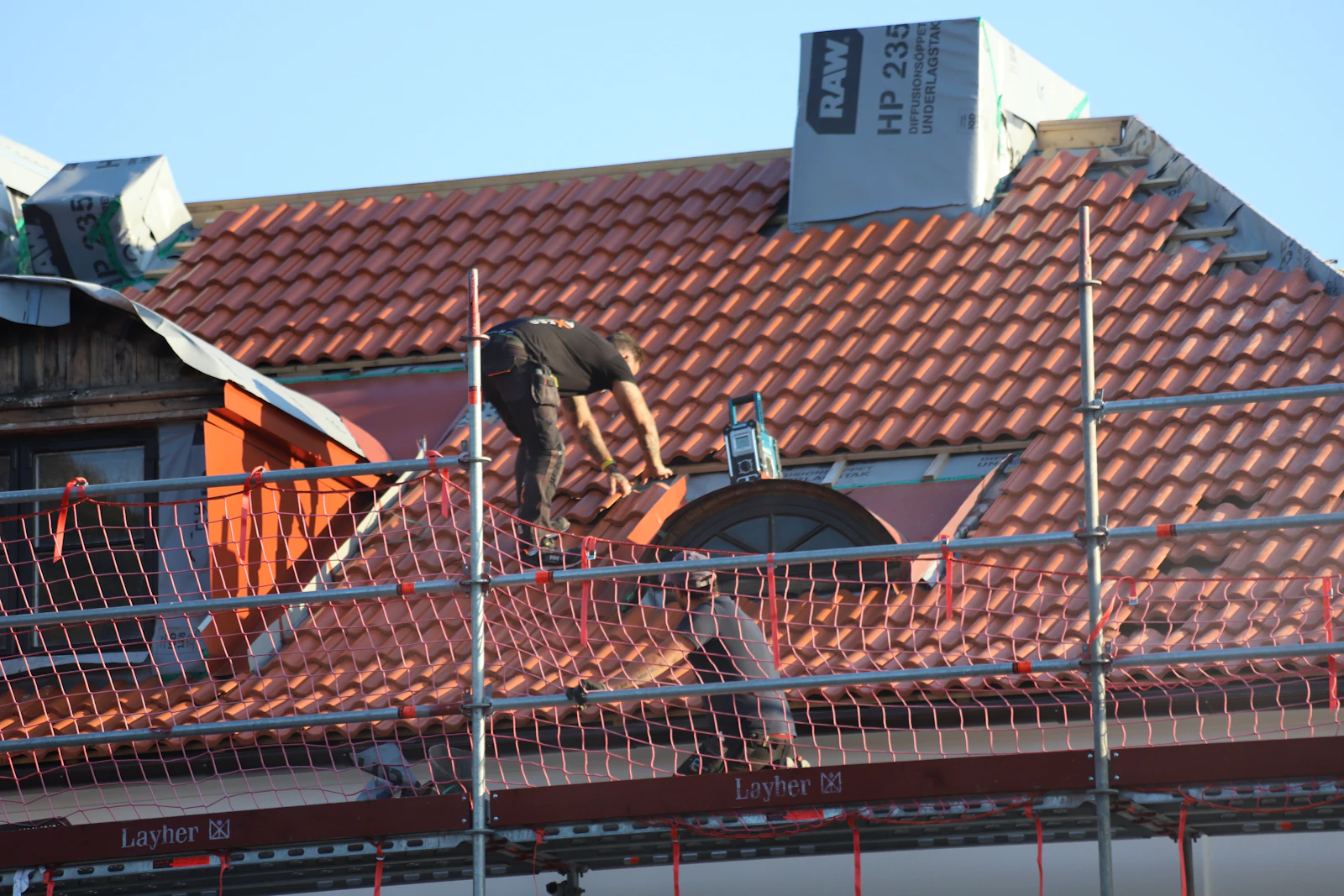
For Philadelphia tile roofing crews planning 2026 work, budget roof hoist equipment hire in three layers: (1) the base rent (day/week/28-day), (2) logistics (delivery access, hoist height/track, power needs), and (3) exposure items (damage waiver, cleaning, late return). As a practical planning range for a 28–36 ft ladder hoist/shingle hoist used to stage underlayment, battens, and tile to the roofline, expect roughly $140–$295/day, $550–$1,100/week, and $1,650–$3,250 per 28 days depending on capacity (200 lb vs 400–500 lb class), power (gas vs 120V electric), and whether extra track sections or carriers are needed. Published rate cards in the wider PA/NJ market show meaningful spread—for example, a 28 ft shingle hoist posted at $85/day (and $127.50 weekend) near the Philadelphia metro, while a platform-style ladder/material hoist shows a 24-hour rate of $95.75 and 28-day rate of $850.75 in PA. In Philadelphia, national rental providers and regional tool houses commonly support roof hoist hire as part of a broader roofing access package; for tile, rental coordinators typically validate weight per lift, roof edge clearances, and street-side delivery constraints before locking the PO.
| Vendor |
Daily Rate |
Weekly Rate |
Review Score |
Website |
| Action Rental |
$165 |
$424 |
9 |
Visit |
| Sunbelt Rentals |
$195 |
$585 |
9 |
Visit |
| United Rentals |
$175 |
$525 |
9 |
Visit |
| LGH (Lifting Gear Hire) |
$275 |
$1 100 |
10 |
Visit |
How Roof Hoist Configuration Changes Equipment Hire Cost on Tile Roofing
“Roof hoist” can mean different configurations at the counter. Your equipment hire cost will move based on which configuration you actually dispatch and what’s included in the base rate.
- 28 ft shingle hoist / laddervator (200 lb class): Often the lowest base rent, but may be too limiting for tile if you’re trying to lift heavier bundles or pallets. A nearby published example shows $85/day with a $127.50 weekend rate.
- Platform ladder/material hoist (often 400 lb class): Better fit for tile roofing staging (tile, mortar tubs where applicable, ridge accessories) because the platform can handle awkward loads. A published Pro400-style listing shows a 4-hour minimum of $65.75, 24-hour $95.75, 7-day $285.75, and 28-day $850.75, plus note of extra 8 ft sections at $5.75.
- Electric ladder hoist (500 lb class): Common for neighborhoods where noise restrictions or early start times make gas engines a complaint magnet, but you must price power (house power access vs generator). A published roofing rental listing shows an electric shingle lift price point of $160.00 and notes 120V power and a 2,000W generator requirement when site power is not available.
Philadelphia tile roofing reality: even when the base rent looks similar, tile handling pushes you toward higher-capacity hoists, more careful loading (breakage risk), and (often) an additional staging plan at grade to keep the hoist fed without blocking sidewalks.
What Drives Roof Hoist Hire Costs on Philadelphia Tile Roofing Jobs?
Use these cost drivers to turn a “day rate” into a reliable 2026 equipment hire budget for a tile roof:
- Lift height and track length: Many rowhomes and twins need 28–36 ft of reach to clear parapets and get over the drip line without unsafe angles. Even when the counter rents “28 ft,” track often comes in 8 ft sections; adding sections can be billed as an accessory or as a higher base class (for example, extra 8 ft sections posted at $5.75 in one rate card).
- Load weight and breakage risk: Clay/concrete tile increases handling costs because you may limit the hoist load to reduce chipping. That can extend days-on-rent even when the rate stays flat.
- Power plan (gas vs 120V): If you go electric, plan either (a) confirmed 120V access within cord limits, or (b) a generator adder. Typical generator adders in 2026 planning budgets run $45–$85/day plus fuel, and many vendors require return “full” or bill a refuel fee.
- Delivery access and curb control: Center City and dense South/West Philly blocks can force smaller trucks, timed delivery windows, and extra labor to hand-stage track sections. This can exceed the base rent for short hires.
- Rental duration structure: Many roof hoist hires effectively price as “minimum + day rate,” where a 4-hour minimum (example posted at $65.75 minimum) applies even if your crew uses it for a single lift cycle.
- Seasonality and weather float: Tile installs can lose production days to rain (underlayment protection, breakage). If you keep the hoist staged on-site to protect schedule, you pay time.
Hidden-Fee Breakdown for Roof Hoist Equipment Hire
To keep Philadelphia roof hoist hire costs predictable for tile roofing, pre-build these common “invoice movers” into your estimate and PO notes (values below are 2026 planning allowances; confirm with the issuing branch):
- Delivery/pickup: $95–$175 each way inside a typical 10–15 mile radius; outside that, mileage commonly runs $4.00–$6.50 per loaded mile depending on truck class and toll routes.
- Limited-access / lift-gate / hand-unload surcharge: $75–$150 when the truck cannot curb-drop at the address and the driver requires onsite assistance beyond normal.
- Weekend/holiday billing: Some counters bill a “weekend” as a packaged rate (example posted at $127.50 weekend for a shingle hoist), while others bill Sat/Sun as separate days unless you pick up late Friday and return early Monday.
- Damage waiver / rental protection plan: Commonly 10%–15% of time-and-material charges; verify whether it applies to delivery and accessories.
- Security deposit / credit card hold: Frequently $200–$500 for smaller hoists; higher if you add generator, carriers, or multiple track sections.
- Cleaning fee: $75–$250 if returned with mortar, adhesive, heavy mud, or roof cement residue on platforms, rollers, or controls.
- Missing/consumable items: $25–$60 per lost remote lanyard/pendant or tag; $10–$25 per missing pin/clip depending on OEM.
- Late return: Often billed as an extra day once you miss cutoff; common cutoffs are 9:00–10:00 AM for “same-day off-rent” processing and 2:00–4:00 PM for physical returns (varies by branch).
- After-hours delivery window: $150–$300 when a project requires delivery before normal opening or after normal closing to match building/streets constraints.
Philadelphia-Specific Conditions That Change Real Roof Hoist Hire Cost
Roof hoist equipment hire in Philadelphia trends “logistics heavy” compared to suburban jobs. Plan for these local conditions that routinely add cost or time on rent:
- Center City loading constraints: If you’re within corridors where curb space is scarce, you may need a delivery appointment and a clear curb zone. When a truck has to circle, the branch may bill a second trip or standby time (plan $85–$140/hour standby where charged).
- Rowhome sidewalk duty and pedestrian management: If you’re staging track and loading at the front, you may need additional barricades/flagger coverage. Even if that’s labor, it can extend the hoist rental period by 1–2 days if you can only run the hoist during restricted hours.
- Heat and afternoon thunderstorms: Summer heat can force slower tile handling and more breaks; keeping the hoist through a weather buffer often costs less than re-mobilizing delivery (especially if delivery is $95–$175 each way).
- Tax: Philadelphia purchases commonly add 2% local on top of 6% Pennsylvania sales tax (total 8%) where rentals are taxable; confirm tax handling and exemptions on your account.
Also note that some regional providers advertise ladder hoists that serve Philadelphia but require a call for current pricing, which can be an indicator that pricing flexes with seasonal demand and fleet availability.
Budget Worksheet
Use this as a practical roof hoist equipment hire budgeting artifact for Philadelphia tile roofing (adjust quantities to suit your duration and access plan):
- Roof hoist base rent allowance (28–36 ft, tile-capable): $140–$295/day or $550–$1,100/week
- Extra track sections / height adders: $10–$35/day (or quoted per section; published example shows $5.75 for an extra 8 ft section on one platform hoist listing)
- Carrier adders (plywood/truss/tile carrier where available): $25–$60/day
- Generator (if electric hoist and no reliable 120V): $45–$85/day + fuel
- Delivery and pickup: $190–$350 total within typical metro radius, plus mileage if outside
- Damage waiver / protection: 10%–15% of rental charges
- Cleaning contingency (tile dust/mortar/adhesive risk): $100 allowance per return
- Loss/damage small parts contingency (pins, clips, pendant): $50–$150
- Weather float: 1–2 extra days of base rent on tile installs with storm exposure
- Philadelphia tax allowance where applicable: 8% on taxable rental lines
Rental Order Checklist
To control roof hoist hire cost (and avoid “surprise days”) on Philadelphia tile roofing POs, confirm these items before dispatch:
- PO includes: equipment class (capacity and height), power type (gas/120V), carrier type, and any extra track sections
- Delivery details: exact address, contact name/number, delivery window, and whether a box truck can curb-drop or if hand-unload is required
- Site constraints: sidewalk occupancy, alley access, overhead obstructions (wires/trees), and roof edge clearance for track angle
- Billing rules: minimum charge (e.g., 4-hour minimum), weekend counting, and off-rent cutoff time (ask for it in writing)
- Damage waiver: rate (%), what it covers, and whether customer-provided insurance is accepted instead
- Return expectations: clean condition, all pins/remote/pendant accounted for, and photo documentation at pickup and at return
- Fuel/recharge policy: “return full” requirements and refuel/recharge fees if not met
- Jobsite documentation: delivery ticket signed, serial number recorded, and start-of-rent condition photos stored in the job folder
Example: Philadelphia Rowhome Tile Roofing With Tight Delivery Windows
Scenario: A 2-story South Philadelphia rowhome needs a partial tile tear-off and relay. The street is narrow with limited curb space, and the GC requires deliveries between 7:00–9:00 AM. The crew wants a tile-capable roof hoist staged for 5 working days to avoid re-handling and breakage.
Planning numbers (illustrative):
- Roof hoist base rent: $225/day × 5 days = $1,125 (within the $140–$295/day planning range)
- Delivery + pickup (metro): $145 each way = $290
- Limited-access / timed delivery window adder: $175 (appointment + tight curb window)
- Generator because no reliable exterior 120V at setup point: $65/day × 5 = $325
- Damage waiver at 12% of rental lines: ~$209 (applied to hoist + generator time charges; confirm branch policy)
- Cleaning contingency: $100 (tile dust and underlayment adhesive residue risk)
- Late-return risk: if the crew misses a 10:00 AM cutoff on off-rent and the branch bills another day, add $225 exposure (this is why you confirm cutoff before dispatch)
- Tax allowance where applicable: 8% on taxable items (Philadelphia 2% + PA 6%)
Result: Even with a “mid-range” day rate, the landed equipment hire cost can approach $2,200–$2,700 for a 5-day tile job once logistics and exposure items are included. The operational constraint that matters most here is delivery timing; paying one extra day of base rent is often cheaper than paying a second delivery cycle plus losing production on tile handling.
Contract Terms That Prevent Roof Hoist Hire Cost Creep
These are the terms a rental coordinator should lock down (in writing) to keep roof hoist equipment hire costs stable on Philadelphia tile roofing projects:
- Off-rent rules: Confirm whether you must call off-rent the day prior, and the exact cutoff time to avoid an extra day. Require the branch to provide an off-rent confirmation number or email.
- Weekend counting: Clarify whether Saturday and Sunday are “days on rent” or whether a weekend package applies (some published rate cards explicitly price a weekend package).
- Minimum charge: If you’re doing a short lift window (tile sample pull, ridge repair), ask whether a 4-hour minimum applies and whether pickup the same day still triggers it (a posted platform hoist listing shows a 4-hour minimum charge).
- Delivery attempt policy: Require confirmation of who pays if the driver cannot deliver due to blocked curb space or no site contact; this is a common “second trip” trigger in Philadelphia.
- Return condition documentation: Take close-up photos of motor housing, controls, pendant/remote, track rollers, and carrier platform at both delivery and return. This reduces dispute time and helps avoid back-charges.
- Refuel/recharge expectations: Gas units often require “return full,” and electric setups require the generator to return with the same fuel level. Align crew closeout procedures with rental terms.
When a Roof Hoist Is Not the Lowest-Cost Access Plan
Tile roofing sometimes pushes beyond what a ladder hoist can safely and efficiently handle (especially where you’re trying to move multiple squares of tile quickly, or where street-side setup is impossible). When that happens, the “cheapest day rate” is irrelevant—what matters is total installed material movement cost. Alternatives that may be cost-competitive on specific Philadelphia sites include:
- Telehandler/forklift delivery-only lift: If the site has rear access (rare in tight rowhome blocks, more common in some commercial yards), a single lift event can reduce days-on-rent but may introduce traffic control costs.
- Small crane / boom assist: Often expensive per hour, but can eliminate multiple rental days plus reduce tile breakage. If you go this route, ensure you still price a short-term roof hoist or ladder hoist for “detail lifts” unless the crane scope explicitly includes them.
For many Philadelphia rowhome tile jobs, crews still choose roof hoist hire because it fits the footprint and keeps material flowing with fewer street closures—just make sure you price the logistics correctly.
Ownership Versus Equipment Hire for Roof Hoists (2026 Planning)
If you manage multiple tile crews, it can be tempting to buy. A simple break-even approach is to compare your expected annual utilization against your landed hire cost.
- If your typical landed hire (after delivery, waiver, and accessories) averages $450–$650/week for light jobs and $700–$1,300/week for tile-capable configurations, consistent usage can justify ownership sooner than you think.
- However, ownership shifts cost into maintenance downtime, storage, and transportation (you still pay to move it, just internally). In Philadelphia, storage and theft risk can be a non-trivial cost driver.
Many contractors land in a hybrid: own a lighter shingle hoist for steady work and hire a heavier platform hoist or higher-capacity electric unit when tile scopes and access constraints require it.
Quick Notes for Rental Coordinators Managing Tile Roofing Roof Hoist Hire
- Don’t under-spec capacity: A 200 lb class ladder hoist may work for underlayment and small bundles, but tile handling often benefits from a higher capacity unit; a mismatch can add 1–3 extra days simply due to slower cycle time.
- Plan dust control: Tile cutting produces dust; if the hoist is staged near sensitive storefronts or occupied entrances, plan added protection materials and cleanup time. Even if it’s not a rental line, it can extend time on rent.
- Document the accessories: Missing pins and pendants routinely create $25–$60 back-charges; count parts at delivery and again at return.
- Use delivery timing as a cost lever: When you can accept delivery during standard windows, you’re less likely to trigger $150–$300 after-hours delivery premiums.
If you want, share your expected roof height (ft), tile type (clay vs concrete), and whether you can access 120V at the setup point, and I can tighten the Philadelphia roof hoist equipment hire budget range and the most likely adders (delivery, generator, weekend billing, and waiver) for your specific tile roofing workflow.