

For Houston drywall taping and finishing programs in 2026, plan sanding vacuum (HEPA dust extractor) equipment hire in the range of $65–$130 per day, $240–$475 per week, and $720–$1,250 per month, depending on HEPA class, auto filter-cleaning performance, capacity (typically 8–16 gal), and whether anti-static hose and certified HEPA filtration are included. These are planning ranges for the Houston metro assuming standard weekday billing, normal interior gypsum dust conditions, and pickup/return during business hours; delivery, consumables (bags/filters), damage waiver, and after-hours dock constraints are usually additional. National rental houses operating in Houston as well as regional tool rental providers generally price dust-control equipment as a “core unit” plus accessory and consumable adders, so quote comparisons should normalize what is included (hose length, bag count, pre-separator, and HEPA certification).
| Vendor | Daily Rate | Weekly Rate | Review Score | Website |
|---|---|---|---|---|
| United Rentals | $115 | $314 | 10 | Visit |
| Sunbelt Rentals | $145 | $435 | 8 | Visit |
| Herc Rentals | $35 | $145 | 9 | Visit |
| Aztec Rental Center | $75 | $300 | 10 | Visit |
Sanding vacuum hire cost is rarely just the base rate. In drywall taping and finishing, the cost drivers that move you from the low end of the day rate to the high end are typically tied to compliance and productivity: certified HEPA filtration, sustained airflow under fine gypsum dust loading, and whether the unit supports continuous sanding (auto filter-cleaning) without constant manual knock-down. In practice, rental coordinators should expect higher rates when the spec calls for verified HEPA filtration (not just “HEPA-style”), anti-static accessories for controlled indoor environments, and accessories that reduce filter loading (cyclone/pre-separator). Those adders can be cheaper than downtime: if a finisher loses 20–30 minutes per shift to clogging or bag changes, the labor delta usually dwarfs the equipment hire delta.
Rate structures also matter. Many Houston rental contracts treat “weekly” as 5 billable days (not 7) and “monthly” as 20–21 billable days (not a calendar month). That means the $240–$475/week planning range can be the economical sweet spot for 6–9 working days if weekend billing is avoided and off-rent is called before the vendor cut-off time.
Houston cost outcomes are heavily influenced by logistics and indoor work rules. First, delivery timing: downtown and Texas Medical Center (TMC) projects frequently impose narrow receiving windows (for example, 7:00–9:00 AM only) and may require a COI, dock appointment, and elevator reservation, which can push a standard delivery into an after-hours or “scheduled delivery” line item. Second, climate: high humidity and long cooling seasons can increase dust cake formation in hoses and pre-filters, so plan higher consumable burn (extra bags and at least one spare pre-filter) than you might in a drier market. Third, site protection standards: many Houston healthcare, lab, and high-end commercial interiors require higher dust-control rigor (containment, HEPA, negative air), which can shift your equipment hire package from a standalone sanding vacuum to a coordinated dust-management set (pre-separator + air scrubber + containment materials).
To keep costs predictable, confirm whether your vendor’s delivery pricing is based on a flat zone (common inside the Beltway 8 loop) or mileage/time (more common for far-north/south metro runs). Also clarify storm-season constraints: during heavy rain weeks, some yards add re-delivery or access fees if a truck is turned away due to site conditions.
Use the following as a practical “hidden fee” checklist when reviewing sanding vacuum rental quotes for drywall finishing in Houston. These charges vary by contract, but they are common enough to budget as allowances:
In drywall sanding operations, the accessories determine whether the equipment hire is a productivity tool or a constant service call. When comparing quotes, explicitly list these items and decide whether they are included, rented, or purchased:
Scenario: Interior build-out in a Houston submarket with restricted receiving (dock appointments only), two drywall finishing crews sanding simultaneously for 8 working days. Spec requires HEPA dust control and documented return condition. You want to keep the crews moving without queuing at one vacuum.
Recommended hire approach: hire 2 sanding vacuums (one per crew) for one week plus a partial second week, each with a pre-separator and extra consumables on mobilization.
Planning numbers (budgetary):
Budget outcome: a realistic planning total lands around $2,070–$2,250 for the 8-day phase for two units, before taxes and any site-specific access charges. The main swing factors are timed delivery premiums, bag burn rate, and whether weekend billing is triggered if the equipment sits on site over Saturday/Sunday.
Use this bullet worksheet to standardize your sanding vacuum equipment hire budget for Houston drywall taping and finishing (no tables; copy/paste into your estimate notes):
Use this checklist to reduce ticket surprises and keep drywall sanding vacuum hire costs controlled:
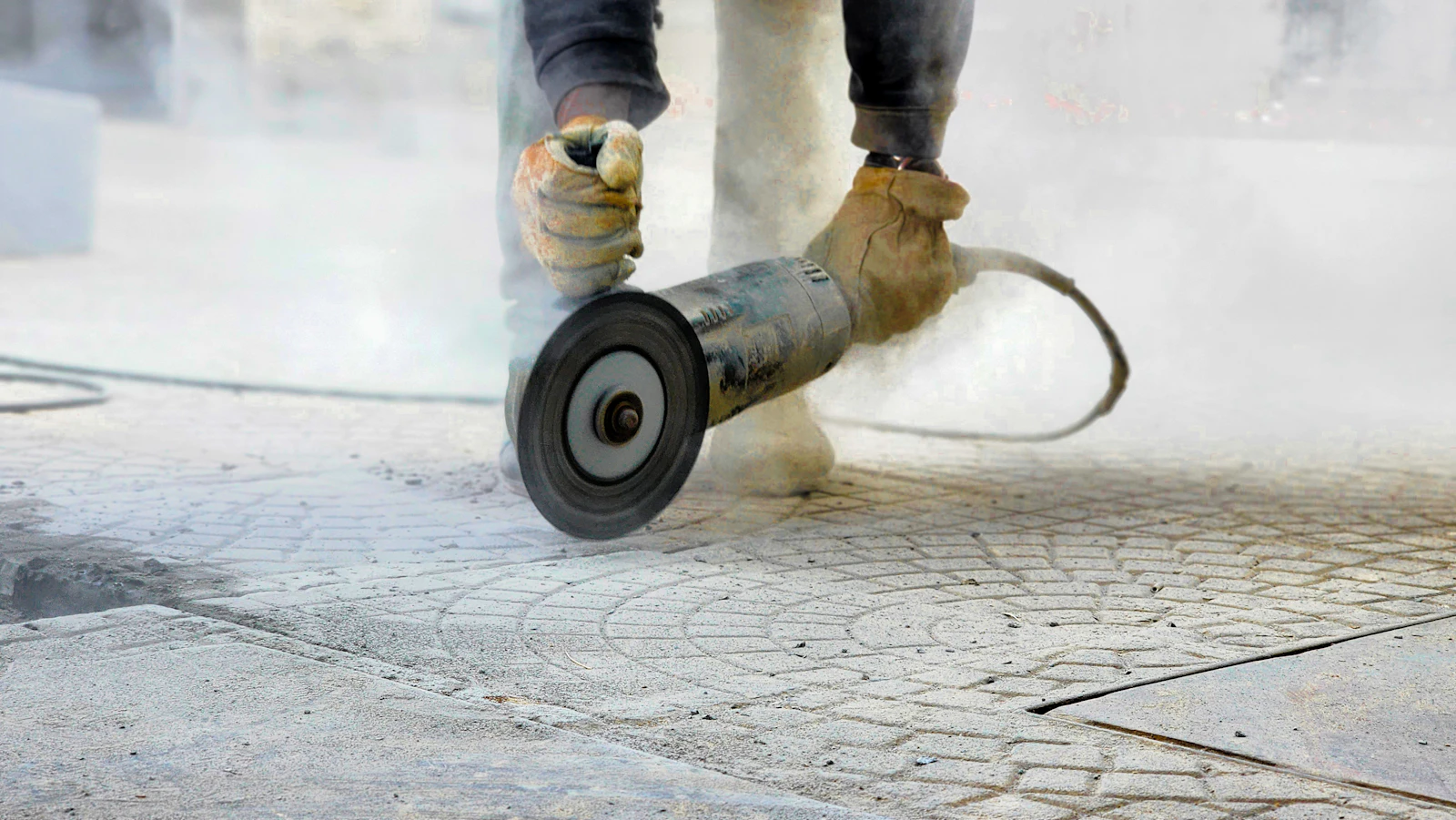
On Houston interior jobs, cost overruns on sanding vacuum equipment hire most often come from “time on rent,” not rate. Two operational constraints drive that: (1) off-rent cutoff times and (2) weekend billing triggers. If your vendor’s cutoff is, for example, 3:00 PM, calling off-rent at 3:30 PM can convert a same-day pickup into next-day service and add $65–$130 per unit in extra rent. If your project demobilizes on a Friday but the pickup cannot occur until Monday due to site access, you may incur 1–2 extra billable days unless you negotiate a “weekend courtesy” clause up front.
Return condition is the second controllable driver. Gypsum dust is fine, pervasive, and hard on seals. To reduce cleaning and filter pass-through charges, specify a simple demob SOP: (a) bag removed and sealed, (b) hose capped and wiped, (c) exterior wiped down, and (d) accessory count verified. Budget a cleaning contingency of $45–$120 per unit anyway for high-production sanding phases, and insist that any “excessive cleaning” charges be supported with return photos.
Damage waiver (DW) is often worth carrying on dust-control equipment because fine dust ingestion and rough interior handling can create ambiguous damage causes. For 2026 planning in Houston, carry 10%–17% DW on the rental portion unless your insurance and contract terms clearly cover rented equipment without creating a claims headache. Confirm what DW excludes; it commonly excludes consumables and may exclude “abuse” or “negligence,” which is often where clogged filters and missing hoses get categorized.
If you decline DW, plan a larger contingency for parts exposure. Typical pass-through exposures include: HEPA filter replacement at $150–$350, anti-static hose replacement at $90–$220, and accessory adapters at $25–$85 each. Also confirm whether your vendor bills a restock or administrative fee (often $15–$40) for special compliance paperwork or certification documentation required by the GC or owner.
For drywall taping and finishing, hire duration is usually driven by sequencing and punch-list realities, not just production. If you expect the vacuum to remain on site while sanding “waves” occur, a weekly or monthly rate will often beat daily—provided you manage off-rent and weekend billing. As a rule of thumb for Houston in 2026 planning: if you will use the unit for 3+ consecutive working days, compare daily vs weekly; if it will remain on site for 15+ working days, compare weekly vs monthly. A common pitfall is renting monthly for convenience and then carrying the unit through a slow punch period at full freight; consider dropping to daily or off-renting between floors if access allows.
Multi-floor interiors add another twist: a second unit can be cheaper than moving one unit constantly if elevator reservations and travel time are significant. If each move costs a crew 20 minutes and you move 6 times/day, that’s 2 hours/day of labor friction; an extra vacuum at $240–$475/week may be cheaper than the lost production.
To keep sanding vacuum equipment hire aligned to the drywall finishing spec (and avoid change orders), confirm these technical points during procurement:
For repeat drywall taping and finishing work in Houston, standardization is the easiest cost control. Write a one-page “dust control kit” spec that names the required performance (HEPA, hose length, separator) rather than a single brand, and require that each ticket include accessory counts. Then negotiate three items that reduce volatility: (1) delivery zone pricing inside your typical service area, (2) weekend billing language (especially for Friday demobs), and (3) a defined cleaning standard with photo-supported exceptions.
Finally, treat consumables as first-class cost items. If you mobilize without enough bags and pre-filters, the job will buy them at whatever is available that day, and the cost will be harder to audit. A simple allowance—such as 10–15 bags per vacuum on mobilization and 1 spare pre-filter per unit—usually costs less than emergency sourcing and helps ensure the equipment returns serviceable, reducing the probability of $45–$120 cleaning charges and $150–$350 HEPA filter pass-through charges.
