

For Sacramento drywall taping and finishing, 2026 budgeting for a sanding vacuum (typically a HEPA dust extractor / drywall dust vacuum used with pole sanders and hand sanders) generally lands in two practical bands: a basic “jobsite clean + light sanding pickup” vacuum at roughly $35–$70 per day, $95–$185 per week, and $195–$450 per 4-week period; and a higher-spec auto-filter-clean HEPA dust extractor intended for sustained fine-dust capture at roughly $90–$130 per day, $250–$400 per week, and $750–$1,050 per 4-week period (rates before delivery, waivers, consumables, and taxes). These are planning ranges—your actual equipment hire cost will move with availability, filter class, hose/cord kits, and whether you’re renting through large national providers (for example, United Rentals or Sunbelt) versus tool-truck programs such as The Home Depot Tool Rental or contractor-focused outlets that carry Hilti-class extractors.
| Vendor | Daily Rate | Weekly Rate | Review Score | Website |
|---|---|---|---|---|
| All Star Rents (Sacramento / North Highlands) | $39 | $129 | 9 | Visit |
| The Home Depot Tool Rental (Sacramento) | $36 | $144 | 8 | Visit |
| United Rentals (Sacramento – DM4) | $95 | $380 | 8 | Visit |
| Sunbelt Rentals (Sacramento metro) | $90 | $360 | 9 | Visit |
| Herc Rentals (West Sacramento / Sacramento metro) | $90 | $360 | 8 | Visit |
Use the rate bands below as estimating guardrails for a sanding vacuum rental in Sacramento supporting drywall finishing dust control. These ranges assume one unit, normal wear, and a standard “rental day”/“rental week” structure (often quoted as 8 hours/day, 40 hours/week, and a 4-week month). Some suppliers also publish a 4-hour minimum for smaller tools, and many marketplaces show daily/weekly/monthly (often 28-day) schedules online—confirm the local branch definitions before you commit the PO.
Basic HEPA wet/dry vacuum class (light sanding support): Plan $35–$70/day, $95–$185/week, $195–$450 per 4 weeks.
Auto-filter-clean HEPA dust extractor class (higher continuous fine-dust capture): Plan $90–$130/day, $250–$400/week, $750–$1,050 per 4 weeks.
Sanity-check points you can use to calibrate your Sacramento equipment hire budget (these examples are published rates from other markets or programs; use them as reference points, not guarantees for your job): a published HEPA vacuum line item on a Sunbelt contract schedule shows $53/day, $199/week, and $505/month for an “8 gal” HEPA vacuum; a posted Hilti-class dust extractor listing shows $66/day, $198/week, $396/month with a $99 weekend rate; and some tool rental programs advertise a 4-hour minimum pricing structure plus a required deposit (deposit amount varies by market and tool).
In drywall taping and finishing, the sanding vacuum is often the difference between “production sanding” and “rework + containment cleanup.” Most cost variance is not the base day rate—it’s the spec and the extras required to run dust-controlled sanding continuously without clogging filters or failing an indoor cleanliness requirement. Price drivers you should call out on the requisition (and on the vendor quote request) include:
Filtration spec and compliance intent: true HEPA vs “fine dust” cartridges, automatic filter cleaning cycles, and whether the unit is being used as an OSHA silica control device (even if your primary dust is gypsum). Higher filtration and auto-clean generally move you into the higher daily band.
Duty cycle: intermittent pickup after sanding passes vs continuous tool-connected capture for multiple finishers. A single finisher might run one extractor; a larger punch list can require 2–4 units to avoid downtime.
Hose and accessory kit: antistatic hose, stepped reducers, floor nozzle kit, and a dedicated drywall dust bag setup. Missing reducers is a common field failure that turns into extra counter charges or unplanned purchases.
Power and noise constraints: occupied TI work in Sacramento often means noise and cord routing rules; if you need a quieter unit or longer cord/hose runs, expect add-ons and more frequent filter service.
Indoor dust-control requirements: if the GC mandates containment (poly walls, zipper doors) and negative air, you may be forced into a higher-performing extractor class and more consumables—budget them explicitly rather than burying them in labor.
To keep your equipment hire cost forecast tight, separate “base rental” from “jobsite logistics and consumables.” The items below are where Sacramento drywall sanding vacuum rentals most commonly expand beyond the day rate. These are typical 2026 planning allowances (confirm actual branch schedules):
4-hour minimum / short-shift minimum: allow $25–$45 minimum charge when a tool-yard uses a partial-day schedule, even if you only need it for a punch-list window.
Delivery and pickup: allow $85–$165 each way inside a typical metro radius; add $3.50–$6.00 per mile beyond the included radius if the supplier prices by mileage.
Delivery window / jobsite restrictions: allow $40–$95 for a timed delivery window (common in downtown Sacramento, secured campuses, and occupied facilities).
Damage waiver / rental protection: allow 10%–17% of the base rental (some programs publish a 10% damage surcharge concept—confirm local policy).
Deposit / authorization hold: allow $100–$350 per unit for tool-truck style rentals (varies by provider and account status).
HEPA filter replacement (if returned damaged/clogged beyond normal): allow $35–$120 per filter depending on size and brand.
Bag/liner consumables (often not included): allow $8–$18 per bag, and plan 1–2 bags per day per unit for aggressive pole-sanding on heavy texture removal.
Pre-separator / cyclone add-on (recommended for drywall dust): allow $15–$35/day when available; this can reduce bag and filter consumption but adds its own cleaning/return requirements.
Accessory hose kit adders: allow $6–$15/day for long hose, antistatic hose, or specialty reducer sets when not included with the base unit.
Cleaning fee (returned with caked dust, wet mud, or missing bag): allow $45–$175 per unit; drywall dust is fine and persistent, so return condition matters.
Late return / extra day: allow $20–$50 per hour after cutoff for same-day returns, or one additional full day if returned after the branch cutoff time.
Off-rent rules: allow a “next business day” stop-charge if off-rent is not called in by 2:00–3:00 p.m. local time (policy varies). This is a frequent avoidable overrun when crews demob late.
Keep the estimate local. In Sacramento, rental costs for sanding vacuums are influenced by operational constraints more than geography, but three recurring local realities show up in the final invoice:
Downtown access and secure sites: deliveries to downtown cores, hospitals, and state facilities often require COIs, security check-in, badge escorts, and strict delivery windows—budget the timed-delivery premium and add 30–60 minutes of onsite wait time risk to your logistics plan.
Heat and dust load in peak season: in hotter months, crews often keep doors open for movement and staging, increasing airborne dust migration. That typically increases bag changes and can drive additional filter service. Budget extra consumables rather than assuming “one bag per week.”
Occupied TI cleanliness expectations: in active office/retail TI, GCs commonly require “no visible dust outside the work zone.” That can force you to add pre-separators, sticky mats, and sometimes supplemental air scrubbers; if you’re carrying those, separate them as distinct equipment hire line items.
Scenario: 12,000 SF tenant improvement with 3 finishers sanding daily, work allowed only 6:00 p.m.–2:00 a.m. (occupied during the day). GC requires tool-connected dust control and clean corridors at shift end. You decide to rent two auto-clean HEPA dust extractors plus one backup basic HEPA vacuum for detail work.
Base rental (planning): 2 extractors at $250–$400/week for 3 weeks = $1,500–$2,400; 1 basic HEPA vacuum at $95–$185/week for 3 weeks = $285–$555.
Delivery/pickup allowance: $110 each way per drop (night delivery window) = $220–$330 total, plus a $40–$95 timed-window premium if required.
Damage waiver: assume 12% of base rental = roughly $215–$355 depending on the final base.
Consumables: 2 bags/day/unit for heavy sanding for 10 workdays = 40 bags; at $10–$16 each = $400–$640, plus one spare filter per extractor at $60–$120 each = $120–$240.
Return-condition risk: if units come back without bags or with caked dust, a $45–$175 cleaning fee per unit can add $135–$525.
Operational constraint that changes the bill: If you finish sanding on a Friday night but don’t place the off-rent call until Monday after the cutoff, you can easily incur an extra billable day or weekend structure depending on the supplier. Align the demob plan with the branch cutoff time and your superintendent’s sign-off process.
Use this as a no-surprises worksheet for a Sacramento drywall sanding vacuum rental package. Adjust quantities to match your crew size and dust load.
HEPA dust extractor rental (auto-clean): ____ units × ____ weeks × ($250–$400/week) allowance.
Basic HEPA vacuum rental (backup/detail): ____ units × ____ weeks × ($95–$185/week) allowance.
Hose/reducer/accessory kits: ____ kits × ____ days × ($6–$15/day) allowance.
Pre-separator/cyclone (if available): ____ units × ____ days × ($15–$35/day) allowance.
Delivery + pickup: ____ drops × ($85–$165 each way) allowance, plus timed-window adders ($40–$95) as needed.
Damage waiver / rental protection: 10%–17% of base rental allowance.
Deposit/hold (if applicable): $100–$350 per unit allowance.
Consumables: bags ($8–$18 each) × expected bag count; filters ($35–$120 each) × spare count.
Cleaning/return fees contingency: $45–$175 per unit allowance.
Late return contingency: $20–$50/hour or 1 extra day allowance if returns miss cutoff.
PO and billing: Confirm job number, cost code, tax status, and whether the supplier bills “monthly” as 28 days/4 weeks.
Spec confirmation: Require HEPA (not just “fine dust”), auto-filter-clean if continuous sanding, and tool-activation outlet if your sanding tools support it.
Accessories: Include hose length, reducer set, floor nozzle kit, spare bags, and at least one spare filter per crew lead.
Delivery requirements: Provide site contact, gate/security instructions, delivery window, staging floor, elevator access, and a signed delivery ticket process.
Start-charge and stop-charge rules: Confirm cutoff time for off-rent calls and whether “requested pickup date” stops billing or only “picked up” stops billing (policy varies by supplier).
Return condition documentation: Photograph serial number, hose kit, and filter/bag condition at delivery and at return; keep a signed return ticket.
Dust disposal plan: Define where bags are tied off and disposed, and who supplies replacement bags (your crew vs rental house).
For drywall taping and finishing, the most reliable cost control is operational: standardize the rental kit, control consumables, and manage off-rent timing. Consider issuing one “approved sanding vacuum kit” specification (unit class, hose length, reducer set, bag type, spare filter) so the foreman is not improvising at the counter. For larger Sacramento interiors, the lowest total cost often comes from renting one higher-spec extractor per sanding station (instead of one unit shared across multiple finishers) because it reduces clogged filters, rework, and end-of-shift cleanup time—even if the daily rate is higher.
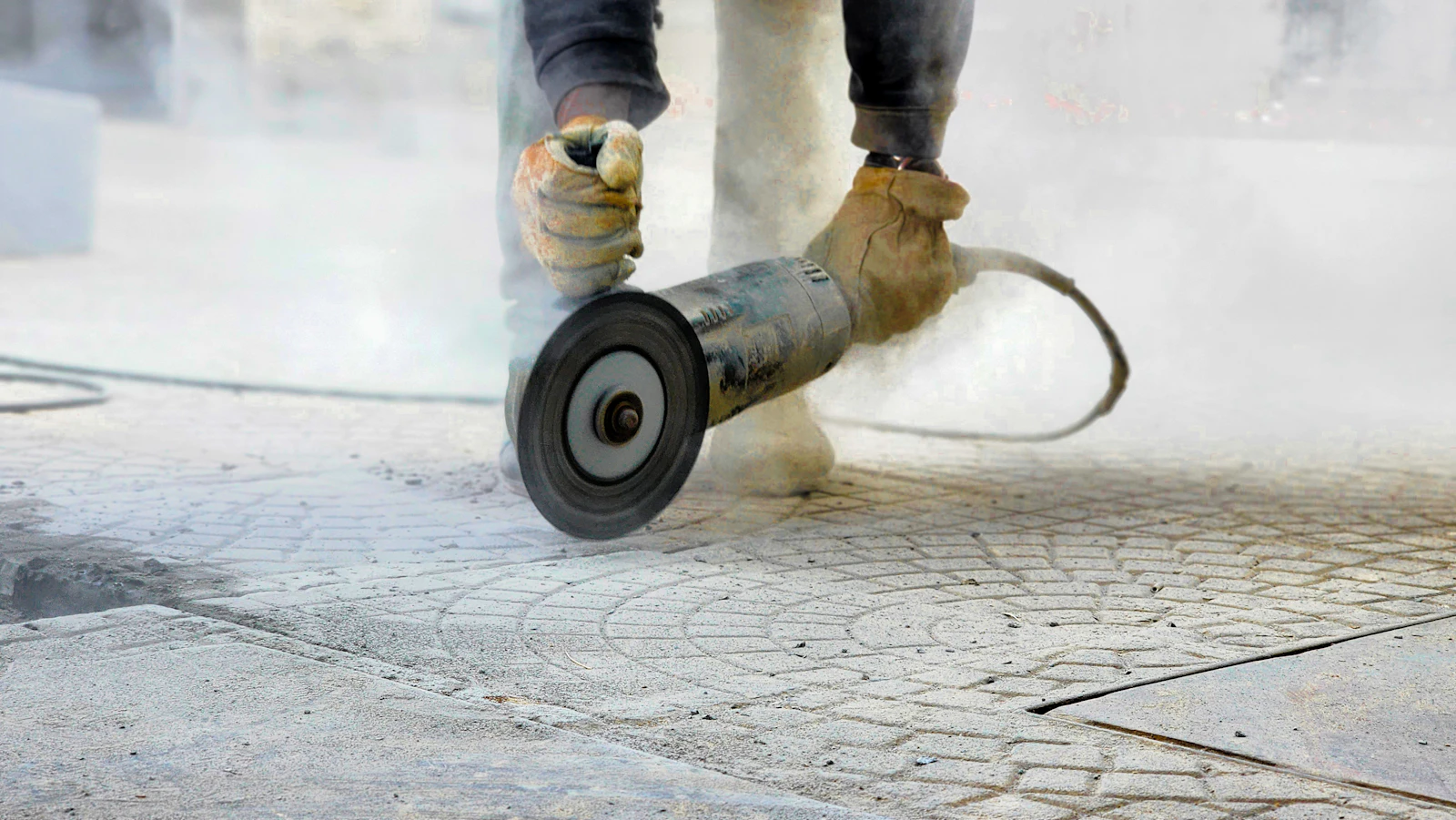
In Sacramento drywall finishing, the “right” sanding vacuum is usually the one that prevents stoppages. A basic vacuum may be fine for spot sanding and cleanup, but when crews are sanding full ceilings or long corridors, bag loading and filter clogging become production killers. If you see any of the triggers below, it’s typically cheaper (total job cost) to upgrade to a higher-spec HEPA dust extractor class even if the rental rate is higher:
Continuous sanding for more than 2 hours per shift: plan for auto filter-cleaning and higher airflow to avoid suction drop.
Occupied TI dust sensitivity: when you’re protecting finished flooring and active offices, a better extractor plus containment reduces cleanup labor and complaint risk.
Texture removal or aggressive sanding: heavier dust loads typically drive 2–4× bag consumption; budget bags and consider a pre-separator at $15–$35/day to protect the primary filter.
Even when the request is “sanding vacuum rental,” drywall taping and finishing often forces adjacent rentals to meet dust-control specs. Keep these separate on the estimate so the vacuum line item doesn’t get blamed for scope-driven additions:
Air scrubber / negative air machine: if the GC requires negative pressure, you may add 1–2 units; plan $50–$120/day each depending on CFM and HEPA spec, plus filters ($20–$60 per set). (Treat this as a separate equipment hire package.)
Containment materials: poly walls, zipper doors, and tack mats are usually purchased, not rented—but they are “equipment-adjacent” costs that increase when the vacuum spec increases.
Extension cord / GFCI distribution: if your sanding stations are spread out, you may need additional power distribution; if rented, allow $8–$20/day depending on configuration.
Rental invoices for sanding vacuums go sideways when the field team assumes calendar days and the rental house uses possession-based charging. Before you issue the PO, confirm these items in writing:
What counts as a “day”: many providers define a day as an 8-hour shift; if the unit stays on site longer, an overtime structure may apply (common allowance: 1.5× after 8 hours or after the daily cutoff).
Weekend treatment: some suppliers publish weekend rates (for example, a posted weekend rate of $99 alongside daily/weekly/monthly pricing on a dust extractor listing). If you keep the unit over a weekend, verify whether you’re billed 1 day, 2 days, or a special weekend rate.
Monthly definition: “monthly” is frequently a 4-week/28-day schedule rather than a calendar month; large marketplaces explicitly show daily, weekly, and monthly (28-day) rates—align your estimate to that structure.
4-hour minimums and deposits: tool-truck rental programs often show a 4-hour minimum and a required deposit; if you’re using them for punch-list sanding, include the deposit and minimum in your cash-flow plan.
Most “mystery charges” on sanding vacuum equipment hire are return-condition driven. Put these controls in your closeout routine:
Off-rent before demob: call off-rent as soon as the unit is no longer needed, not when it’s already loaded on the truck. Missing the branch cutoff can add a full billable day.
Empty the unit correctly: bagged systems should be tied off and removed; do not return a unit with a torn bag and loose dust inside.
Protect hoses and reducers: missing accessories often bill back at replacement cost; photograph the kit at delivery and return.
Document condition: take timestamped photos of serial number plates, cords, hoses, and the filter housing on pickup and drop-off.
For drywall taping and finishing contractors who sand daily, ownership can beat hire—but only if you can control consumables and maintenance in-house. A quick heuristic used by many rental coordinators: if you expect to rent the same sanding vacuum class for more than 10–14 weeks per year per crew, ask for an ownership comparison including filters, bags, downtime, and replacement risk. For intermittent Sacramento TI punch lists and seasonal workload spikes, equipment hire remains the most flexible option because it shifts maintenance and replacement risk to the supplier and lets you scale up to 2–4 units during peak sanding periods without capital spend.
Budget the rate band by spec: $35–$70/day for basic HEPA vacuum class, or $90–$130/day for auto-clean HEPA dust extractor class.
Carry separate allowances for delivery/pickup ($85–$165 each way), damage waiver (10%–17%), and consumables (bags $8–$18 each; filters $35–$120 each).
Control off-rent timing and return condition to avoid extra days and cleaning fees ($45–$175 per unit).
For occupied TI, budget dust-control as a system: sanding vacuum + accessories + (sometimes) negative air, rather than assuming the vacuum alone will satisfy the spec.
