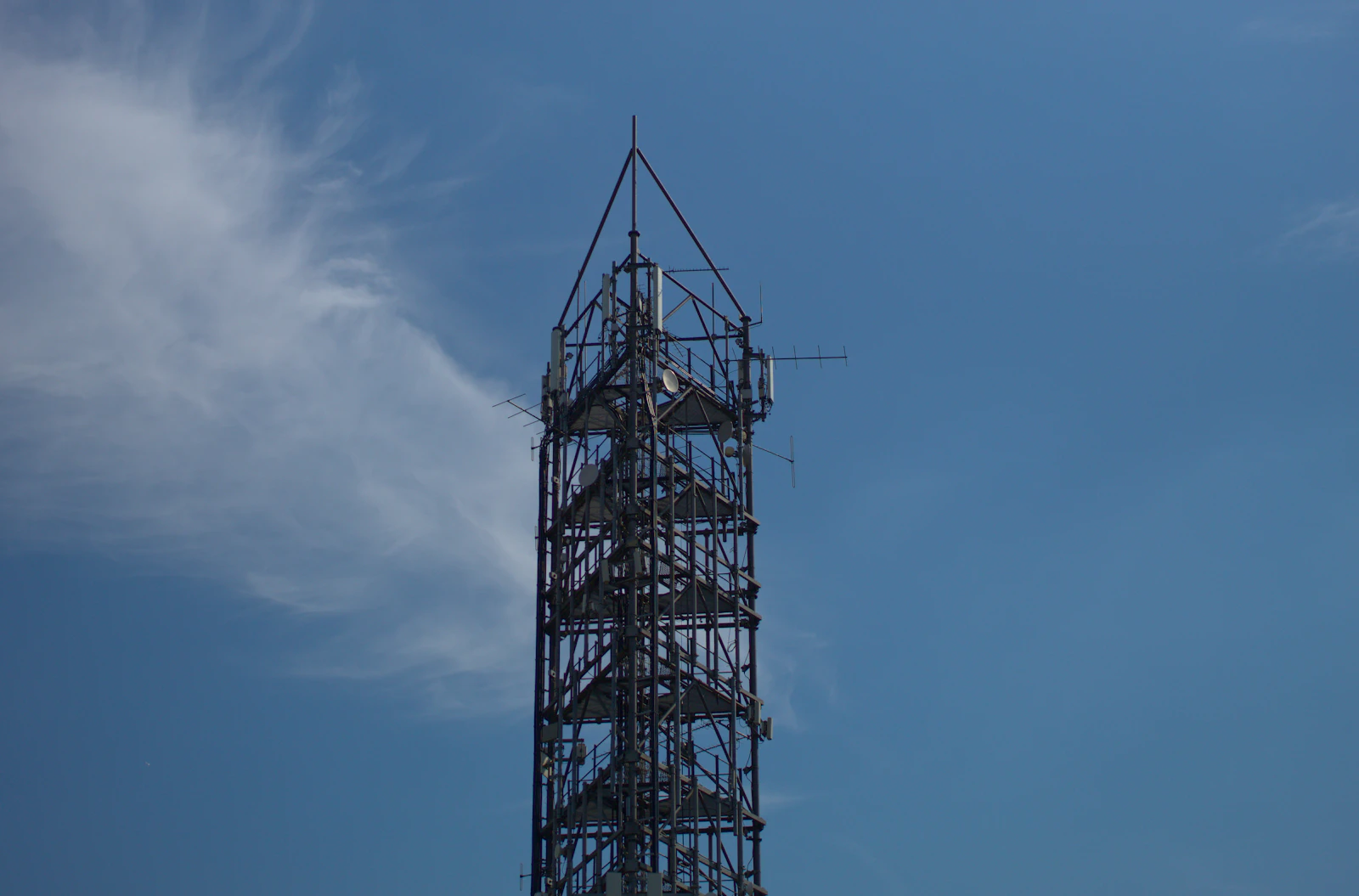
Scaffold Tower Rental Rates Charlotte 2026
For scaffold tower equipment hire in Charlotte, NC for deck building, a practical 2026 budgeting range is $110–$240 per day, $330–$720 per week, and $950–$2,250 per 28-day period for a rolling scaffold tower package suitable for typical 8–16 ft platform heights (often 12–20 ft working height, depending on guardrails and user height). These are planning ranges (not guaranteed quotes) because local availability, tower height, frame width (narrow vs standard), and required accessories (outriggers, guardrails, toe boards, stair units) move total hire cost materially. In Charlotte, most rental coordinators will price through national branches (e.g., Sunbelt, United, Herc) or local tool yards; confirm whether the quote is for frames only or a complete tower kit delivered job-ready.
| Vendor |
Daily Rate |
Weekly Rate |
Review Score |
Website |
| United Rentals |
$120 |
$360 |
9 |
Visit |
| Sunbelt Rentals |
$115 |
$345 |
8 |
Visit |
| Herc Rentals |
$110 |
$330 |
9 |
Visit |
| The Home Depot Tool Rental (S Boulevard Charlotte #3646) |
$80 |
$240 |
9 |
Visit |
| Lynn Ladder & Scaffolding |
$125 |
$375 |
10 |
Visit |
What You Are Really Hiring: Tower Package Versus “Pieces”
In scaffolding hire, the cost gap usually comes from scope definition. A “scaffold tower” can mean any of the following, each with different equipment hire costs:
- Baker-style rolling scaffold (narrow frames, caster wheels), often used for deck fascia, rim joist work, and railing install.
- Frame scaffold tower (standard 5 ft wide frames) on base plates/screw jacks (often better outdoors on uneven grade).
- Stairwell/adjustable stair scaffold (less common for decks, but used when access is through a walkout basement stair or sloped backyard).
Published list rates in the U.S. show how wide the range can be even before Charlotte delivery and accessory adders. One rental yard lists a single 6 ft-high baker scaffold unit at $35/day, $45/week, and $60/month, with outriggers required above 6 ft (extra fee). Another rental listing shows a baker scaffold at $144/day and $432/4-week. Separately, a scaffold page showing pre-configured tower bundles lists $60/day for a 10 ft tower and $100/day for a 20 ft tower (with minimum scaffold charges depending on how many frames are rented). Use these as market signals only; Charlotte quotes will reflect local fleet mix and service model.
Cost Drivers for Scaffold Tower Equipment Hire on Deck Building Jobs
Deck building work changes scaffold tower hire cost because you typically need stability on imperfect grade, frequent repositioning, and edge protection while installing ledger flashing, decking, fascia, and guard systems. The biggest price drivers (and the ones that create surprise invoice variance) are below.
How Tower Height, Frame Width, and Duty Rating Move the Rate
Tower height is the first multiplier. In Charlotte deck builds, the common operational split is:
- Single-level baker scaffold (platform ~2–6 ft): best for low decks or stair stringer layout.
- 2–3 section rolling tower (platform ~6–12 ft): common for second-story deck rim/fascia, rail posts, and picture-frame boards.
- 4+ section towers (platform above ~12 ft): usually needs outriggers and tighter controls; may be priced as scaffold service rather than simple tool hire.
Frame width matters for access and safety. Narrow frames (about 29–30 in) pass gates/doorways but may require more frequent moves and more attention to outrigger use. Home Depot’s interior scaffold listing, for example, describes a narrow unit that rolls through a 30 in doorway, with adjustable platform heights up to 12 ft. For decks, narrow towers can be operationally convenient but may increase add-on costs (extra outriggers, stabilizers, or non-marking casters on finished surfaces).
Accessories That Commonly Add 20%–60% to Hire Cost
Deck building scaffold towers often need “more than frames.” When you are estimating rolling scaffold tower hire rates in Charlotte NC, budget accessories as explicit line items rather than assuming they are included.
- Outriggers/stabilizers: commonly required when stacking above a low height; one baker scaffold listing notes outriggers must be used above 6 ft and are an extra rental fee. Planning allowance: $12–$35/day per set (or $35–$120/week).
- Guardrail set: allowance $10–$30/day (or $30–$90/week), especially where you want a defined work platform for railing install.
- Toe boards: allowance $6–$18/day (or $18–$55/week) if you’re working above patios/landscaping or client-maintained surfaces.
- Extra platforms/walk boards: allowance $8–$22/day each (or $25–$65/week) to reduce climbing up/down during decking runs.
- Non-marking casters: allowance $6–$15/day to protect finished concrete or coated decks.
- Screw jacks/base plates: allowance $4–$12/day where the tower must be leveled on a sloped yard or paver apron.
If you are hiring “pieces,” ask if the vendor enforces a minimum scaffold charge. One scaffold rental page shows minimum charges such as $60 when 8 frames or less are rented, and $100 when more than 8 frames are rented. Even if your Charlotte vendor uses different thresholds, the concept is common: small quantities can still trigger a minimum invoice.
Delivery, Pick-Up, and Charlotte Site Logistics (Where Costs Spike)
Deck projects often sit behind houses with narrow driveways, gated side yards, or landscaping that prevents a simple curb drop. That affects equipment hire cost through trucking time, labor, and re-delivery risk.
- Local delivery/pick-up (Charlotte metro) allowance: $95–$175 each way for light equipment; for more complex scaffold drops (or where the vendor dispatches a larger truck), budget $175–$350 each way.
- Mileage/radius structure: many yards price a base zone then add mileage; a published Sunbelt price sheet example shows a structure like $120 each way + $3.25 per loaded mile on a scaffold-related line item. Use that as a check against your Charlotte quote if you are outside the core service radius (e.g., out toward Lake Norman, Concord, or Gastonia).
- Inside delivery / backyard carry: if requested, plan $75–$250 labor allowance depending on distance, stairs, and ground conditions.
- Restricted delivery windows: if your site only accepts delivery 7:00–9:00 AM or after 3:00 PM, budget a $50–$150 dispatch premium or plan for next-day delivery.
Charlotte-specific considerations that can change delivered scaffold tower hire cost for deck building:
- Weather-driven mud and red clay: summer storms can turn side-yard access into deep mud; expect higher cleaning time and a higher probability of a cleaning fee if frames come back packed with clay (see cleaning allowances below).
- Traffic timing (I-77 / I-485): missed delivery windows can become a full re-dispatch; align drop/pick with realistic cutoffs (many yards have “same-day” cutoffs that are earlier than crews expect).
- HOA / subdivision access controls: gated communities may require COI uploads and scheduled entry; missed paperwork can create a second trip charge.
Hidden-Fee Breakdown (Common Adders That Change the Final Invoice)
- Damage waiver / rental protection program (RPP): some scaffold programs are priced as a % of rental. Sunbelt’s scaffold terms describe an RPP fee of 14% of gross rental charges for serialized scaffold equipment and 7% of the rental rate for non-serialized scaffold equipment (program rules apply). Planning allowance: 8%–15% of rental.
- Loss/theft exposure: verify whether your waiver meaningfully caps liability; otherwise you may still be responsible for replacement value. (Do not assume “waiver” equals insurance.)
- Cleaning fees: budget $45–$95 for light cleaning (sawdust, normal dirt) and $150–$350 for heavy mud/clay cleanup, especially after rainy weeks.
- Missing components: per-pin/per-clip/per-caster charges add up; allow $8–$35 each for small missing scaffold components, and $45–$150 each for missing platforms, depending on type.
- Late return / extra day conversion: if you miss the due-in time, many rental contracts roll to the next day rate. For context, one rental FAQ describes over-usage as ¼ of the day rate per hour (policy varies by category and vendor). Planning allowance: $20–$60/hour if late-return rules convert to partial-day charges.
- Weekend and holiday billing: confirm whether Saturday/Sunday are billed if the tower is “on rent.” Some yards offer Fri–Mon packages; others bill calendar days. (Clarify before PO approval.)
Off-Rent Rules and Why “Rental Period” Language Matters
Scaffold towers are frequently left on site while crews wait on inspections, stain cure times, or weather. Many rental terms define the rental period as continuing until the equipment is returned and possession is transferred back to the yard. Sunbelt’s scaffold terms, for example, state the rental period begins when the customer takes possession and continues until possession is returned, regardless of actual hours of use. Operationally, that means you control cost by controlling the return event (scheduled pick-up, confirmed off-rent time, and signed condition photo set).
Example: Deck Building Scaffold Tower Hire Cost (Charlotte) With Real Constraints
Scenario: 14 ft-high second-story deck rebuild in south Charlotte. Crew needs a rolling tower for ledger flashing, rim board wrap, fascia, and railing install. Backyard access is via a 36 in gate; ground is sloped and can’t support a scissor lift without mats.
- Base rolling scaffold tower package (planning): $165/day quoted equivalent (within the $110–$240/day planning band).
- Rental duration: 9 working days across two weeks due to rain-outs.
- Best-bill assumption: convert to 2 weekly charges at $495/week instead of 9 day rates (many Charlotte yards will quote a week rate that becomes cheaper after ~3 days).
- Outriggers + guardrail set: $40/day combined allowance, billed for 2 weeks = $280.
- Delivery + pick-up: $140 each way = $280 (because curb drop is not possible; driver needs a longer unload window).
- Damage waiver: assume 10% of rental charges = ~$127 (varies; confirm if scaffold RPP is required/optional).
- Cleaning allowance (mud/red clay): include $175 contingency.
Order-of-magnitude total (planning): about $1,600–$1,900 all-in for two weeks, delivered, with accessories and realistic contingencies. The takeaway for rental coordinators: on decks, delivery/access and accessory scope can rival the base tower hire rate.
Budget Worksheet (Estimator-Friendly Allowances, No Surprises)
- Rolling scaffold tower equipment hire (base): ________ at $110–$240/day or $330–$720/week
- Extra tower section/bay (if needed): ________ at $25–$90/week
- Outriggers/stabilizers set: ________ at $35–$120/week
- Guardrail set: ________ at $30–$90/week
- Toe board kit: ________ at $18–$55/week
- Additional platforms (qty ___): ________ at $25–$65/week each
- Screw jacks/base plates (qty ___): ________ at $10–$30/week
- Delivery + pick-up: ________ at $190–$700 total (depending on service radius and access)
- Inside delivery / carry labor: ________ at $75–$250
- Damage waiver/RPP: ________ at 8%–15% of rental
- Cleaning contingency: ________ at $45–$350
- Loss/missing components contingency: ________ at $50–$250
Rental Order Checklist (PO, Delivery, Off-Rent, and Return Control)
- PO scope: specify “complete scaffold tower kit” and list included components (frames, braces, platforms, casters, guardrails, toe boards, outriggers, screw jacks).
- Height/working level: state required platform height and whether you will stack; confirm if outriggers are mandatory above a threshold (some kits require them above low heights).
- Delivery instructions: address, contact, delivery window, gate width, backyard access, surface protection requirements, and whether liftgate is required.
- Documentation on drop: take photos of every platform and caster set; record serials if present; log any bent frames immediately.
- Off-rent rule: confirm the off-rent cutoff time (e.g., before noon) and whether weekend days are billed if equipment remains on site.
- Return condition: require “broom clean” and mud removal; bag small parts (pins/clips) to avoid missing-component charges.
- Pick-up confirmation: require a signed pickup ticket and time stamp; this is what stops rental time under many rental period definitions.
How to Reduce Scaffold Tower Equipment Hire Cost Without Cutting Safety or Productivity
On Charlotte deck builds, the cleanest savings usually come from matching the rate structure to the schedule and eliminating re-dispatches—not from shaving a few dollars off the day rate.
Use Rate Breaks Intentionally (Day vs Week vs 28-Day)
Most major rental platforms present daily, weekly, and 28-day (4-week) rates once a location is set, and the 28-day period is commonly treated as the “monthly” rate. If your deck build has inspection holds or rain buffers, you can often save money by taking a 28-day rate and returning early if your contract allows pro-rating. Do not assume pro-rating is automatic; confirm the billing rule in writing (some terms describe minimum periods for certain scaffold programs).
Operational Controls That Prevent Extra Days
- Stage the tower location: If you move the tower five times a day, productivity drops and damage risk rises. Often it is cheaper to add one extra platform (e.g., $25–$65/week) than to lose hours and extend the rental by 1 extra day.
- Plan around stain/paint cure time: When decks need stain, crews frequently “park” access equipment and forget it. Put a calendar reminder 48 hours before due-in to decide whether to off-rent or extend to a weekly break.
- Confirm weekend billing: If your crew is off Sat/Sun but the tower stays on rent, you may pay for two non-productive days. Negotiate a Fri–Mon package if available, or schedule pickup Friday before cutoff.
- Control access to small parts: Pins, clips, and caster locks disappear on multi-trade sites. A $8–$35 per-piece replacement habit can quietly add $100+ to a small scaffold order.
Charlotte Deck-Build Site Conditions That Change Total Cost
- Heat and thunderstorms (summer): Shortened workdays and rain-outs can turn a planned 6-day tower hire into a 2-week rental. If the schedule risk is high, budget the weekly rate up front rather than pretending you will “beat the weather.”
- Backyard grade and pavers: If the tower must sit on pavers, finished concrete, or composite decking, plan for non-marking casters and surface protection. A $75–$200 protection allowance is usually cheaper than a damage claim or rework.
- Dust-control in screened porches: When deck work interfaces with enclosed porches, include a $25–$75 allowance for containment materials and cleaning time so the tower returns clean and you avoid cleaning charges.
Insurance, Waivers, and Deposit Planning
For professional accounts, your cost control lever is choosing the right risk approach and documenting condition. Some scaffold programs apply an RPP percentage (for example, Sunbelt’s scaffold terms describe 14% for serialized scaffold equipment and 7% for non-serialized scaffold equipment). If you decline waivers, budget higher internal risk cost and ensure your insurance certificate meets the rental house’s requirements. Either way, clarify whether missing components are covered (often they are not).
Also note that certain rental channels may require a deposit (some consumer-facing rentals state a deposit is required, although the amount varies by location and item). For commercial rental coordinators, the key is to align payment terms so deposits do not slow delivery when the crew is ready to build.
When a Scaffold Service Package Costs More—but May Still Be Cheaper
If your deck build is tall (multi-level) or on challenging terrain, a scaffold services provider may propose engineered scaffold with erection/dismantle labor rather than a simple rolling tower. This is a higher direct cost, but it can reduce:
- crew non-productive time (no self-assembly),
- re-dispatch charges (right kit the first time), and
- risk of damage claims from improper assembly or instability.
Use this decision rule: if the rolling tower needs multiple reconfigurations or must stay on rent beyond 28 days, request a scaffold service alternate and compare total cost (rental + labor + delivery + risk), not just day rate.
Practical 2026 Planning Ranges (Charlotte) You Can Use in Estimates
- Base rolling scaffold tower hire (kit): $110–$240/day
- Weekly hire (kit): $330–$720/week
- 28-day hire (kit): $950–$2,250/28 days
- Delivery + pick-up: $190–$700 total (site access and radius dependent)
- Damage waiver/RPP: 8%–15% of rental
- Cleaning and missing parts contingency: $100–$600 depending on site conditions and controls
Closeout Notes (Avoiding Disputes on Scaffold Tower Hire)
- Off-rent early in the day: schedule pickup before the yard’s cutoff so you don’t pay an extra day due to dispatch timing.
- Photograph the return condition: clean, stacked, and banded parts reduce cleaning and “missing component” backcharges.
- Match the ticket to the PO: verify that billed accessories (guardrails, outriggers, jacks) were actually delivered; tower hire invoices often include adders that slip through if no one reconciles the drop ticket.