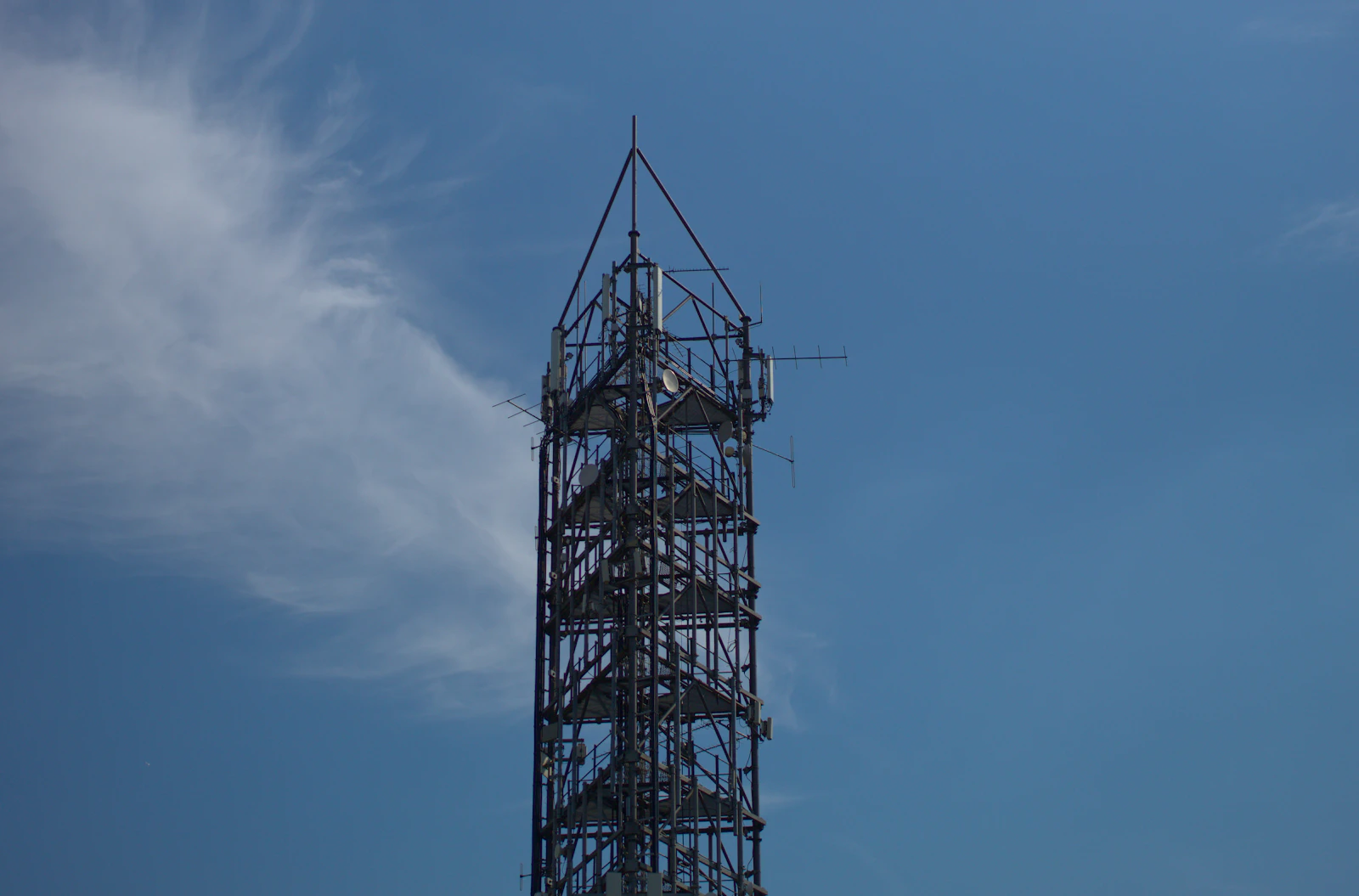
Scaffold Tower Rental Rates Chicago 2026
2026 planning ranges (Chicago market): for a rolling scaffold tower equipment hire package suitable for interior painting, budget $60–$140/day, $175–$350/week, and $450–$1,250 per 4-week (28-day) term depending on tower height (sections), platform size, and whether guardrails/outriggers/non-marking casters are included. These are coordinator-level budgeting ranges intended for estimating and PO planning—not a guaranteed quote. Assumptions: (1) 4-week pricing is billed as a 28-day period (many national providers display “monthly” rates as 28 days), (2) customer-assembled rolling tower (no erection crew included), and (3) pricing excludes delivery/pickup, damage waiver/RPP, building-mandated COI processing, and cleaning fees for paint/drywall dust.
| Vendor |
Daily Rate |
Weekly Rate |
Review Score |
Website |
| Buttrey Rental Services (Westmont / Chicago Metro) |
$170 |
$325 |
9 |
Visit |
| House of Rental (Skokie / Chicago Metro) |
$255 |
$255 |
9 |
Visit |
| DeKalb Tool Rental (Curtis Rental Group / Chicago Region) |
$52 |
$156 |
8 |
Visit |
| United Rentals (Chicago) |
$106 |
$224 |
9 |
Visit |
In Chicago, most buyers of scaffold tower equipment hire for interior painting will source from a mix of national rental networks (often for jobsite consolidation and account billing) and local ladder/scaffold specialists (often for fast turns, parts support, and section-based tower builds). For budgeting, the cleanest “apples-to-apples” anchor is weekly tower pricing by section: one Chicago-area rental listing publishes $175/week (1-section), $200/week (2-section), $225/week (3-section), $250/week (4-section), and $350/week (5-section) for rolling scaffold towers, with a stated deposit requirement and customer responsibility for missing/damaged items (and no setup/teardown). Use that as a Chicago-specific baseline, then adjust up/down for indoor floor protection requirements, delivery constraints (downtown access, freight elevator bookings), and accessories like outriggers, toeboards, and non-marking casters that frequently decide the final hire cost on interior repaint packages.
What Actually Drives Scaffold Tower Hire Costs for Interior Painting in Chicago?
For interior painting scopes, scaffold tower hire costs are rarely driven by “tower only.” The real drivers are: (a) the number of sections required to hit the working height safely, (b) how often the tower must be moved (casters, floor protection, and corridor width become decisive), and (c) how strict the building is about delivery windows, load-in routes, and return-condition documentation. Chicago adds predictable friction on interior work in condos, hospitals, and occupied commercial space—especially when you must coordinate with property management for loading dock time slots, elevator reservations, and COI language before the equipment is even allowed past the lobby.
- Tower height/sections: A 1–2 section rolling tower is often enough for standard corridors and 9–12 ft ceilings; 3–5 sections are more typical for atriums, stairwells, tall foyers, and “two-story great room” repaints. Section count correlates directly to weekly rent (example posted weekly rates from $175 to $350 as sections increase).
- Whether pricing is “tower kit” vs. “piecemeal components”: Some yards rent complete kits (frames, braces, platform, rails, outriggers) while others rent components that can look inexpensive until you add rails, braces, planks, toeboards, and stabilizers. National cost guidance commonly shows accessory line items adding quickly (e.g., cross braces and safety rails) and should be carried as allowances if your supplier quotes by piece.
- Indoor requirements (interior painting): Non-marking casters, corner guards, and floor protection (Ram Board/Masonite) are often required by GC or building management. Even when the rental yard doesn’t supply floor protection, it changes your true “equipment hire cost” because it adds consumables and labor to mobilize and demobilize.
- Delivery/access and return logistics: Chicago’s constrained curb space and loading docks can force delivery/pickup appointments and standby time; if a carrier misses a dock slot, you can burn an extra day of rent while rescheduling return.
How To Translate Section-Based Weekly Pricing Into Daily And 4-Week Budgets
Many rental providers price scaffold towers as weekly packages (common for scaffold and ladder houses). For estimating, you can translate weekly pricing into daily and 4-week budgets using typical rental “rate structure” relationships (often ~3x daily ≈ weekly; and ~2x weekly ≈ 4-week), then sanity-check against published market examples.
Chicago weekly anchor (published): $175–$350/week depending on 1–5 sections.
Market sanity-check examples (non-Chicago, for ratio validation): One published tower-kit example shows $65/day, $195/week, and $390 per 4-week. Another published rate sheet lists a Bil-Jax scaffold set (20 ft) at $175/day, $525/week, $1,000/month. These are useful for estimating ratios and escalation, even though your Chicago quote can differ.
Practical budgeting translation:
- If you are quoted $225/week for a 3-section tower, budget roughly $80–$110/day for short-term needs, and $450–$600 per 4-week if the supplier offers a 4-week structure close to 2x weekly.
- If you are quoted $350/week for a 5-section tower (taller interior work), budget roughly $120–$175/day short-term and $700–$950 per 4-week, then carry additional allowances for stabilizers and floor protection.
Hidden-Fee Breakdown That Moves The Scaffold Tower Equipment Hire Cost
When you reconcile invoices, the largest cost swings typically come from delivery/pickup, cleaning/return condition, and protection plans—not the advertised weekly rent. Build these as explicit allowances in your estimate and require them on the supplier quote before issuing a PO.
Delivery / pickup charges (flat vs. mileage bands)
Chicago-area delivery is often billed by distance bands or minimum delivery charges. One Chicago-area rental operation publishes delivery charges that step with distance, including $50 (5+ miles), $75 (10+ miles), $100 (15+ miles), $125 (25+ miles), and $200 (40+ miles), plus notes that half-day rates may be available and that delivery is not available for rentals under 4 hours. Use these figures as a realistic planning allowance even if you award to a different supplier.
- Downtown Chicago consideration: add an internal allowance for loading dock coordination/parking management. On some properties, missing a dock window can translate into a same-day reattempt plus another day of rent if your off-rent can’t be processed.
- High-rise/managed building consideration: elevator reservations can force delivery between specific hours (e.g., early AM), increasing the probability of after-hours or “appointment delivery” premiums (carry as a contingency if your site has strict rules).
- Winter consideration: snow/ice events can delay pickup—carry at least 1 additional day of rent contingency in Q1/Q4 for exterior staging and curbside returns, even for interior painting projects, because logistics happen outdoors.
Cleaning fees (paint, texture dust, plaster, and tape residue)
Cleaning is a common invoice add-on for interior painting scaffold tower rentals (overspray on frames, joint-compound dust in pins/casters, tape adhesive on rails). One Chicago-area provider publishes a cleaning policy of first 30 minutes free, then $45/hour. Plan on a cleaning charge whenever the return condition is not “wipe-down clean,” and require pre-return photos to dispute if necessary.
Damage waiver / RPP vs. customer risk
Damage waiver (or rental protection plan) charges commonly run as a percentage of rental (carry 10%–15% of base rent as a planning allowance unless your MSA sets a different rate). For scaffold programs specifically, protection plan terms can include meaningful minimums and caps (for example, some published scaffold protection terms reference $500 minimums and percentages tied to list price in certain loss/theft situations). Treat this as a contract review item: it’s part of your “true hire cost” because it changes expected loss exposure.
Accessory adders that are often required for interior painting
Even on indoor repaint scopes, accessories can be mandatory (rails, outriggers, toeboards, leveling). National pricing guidance commonly shows accessory ranges such as $5–$15/day for outriggers and $15–$30 for a set of four casters (ranges vary by supplier and whether items are bundled). One published tower-kit listing also shows explicit caster/leveling-jack adders of $3/day, $10/week, and $15 per 4-week per caster or per leveling jack. Use these as estimating allowances when your quote is not “all-in.”
Chicago Interior Painting Constraints That Change Tower Selection (And Cost)
For interior painting, the lowest total scaffold tower equipment hire cost is usually achieved by selecting a tower that minimizes move time while still meeting building rules. In Chicago, the recurring constraints are not theoretical—your labor can dwarf rent if the tower is wrong.
- Doorways and corridors: If you must move room-to-room in occupied space, pick a narrow rolling tower footprint and confirm it can pass through typical interior doors without disassembly. (Door clearance limitations often create hidden labor, which increases your effective hire cost per finished square foot.)
- Freight elevator limits: Validate elevator cab dimensions and weight limits, and whether the building requires moving the tower in pieces. If your crew must break down and rebuild twice daily, that is effectively “more days on rent” because productivity drops and the equipment stays on site longer.
- Floor loading and protection: Even if a rolling tower is rated to carry significant load, indoor finished floors may require non-marking casters and continuous protection. Carry a job allowance for protective floor coverage and replacement sheets if you’re working with wet paint and drop cloths.
- Dust control and return condition: If you are sanding between coats, plan for extra wipe-down time before return to avoid cleaning charges. The invoice risk is higher in interior painting than in rough framing because paint and compound residue are obvious on returns.
Example: 3-Section Rolling Scaffold Tower For A Two-Story Foyer Repaint (Chicago)
Scenario: Interior painting of a two-story foyer with a 17–19 ft working height requirement, occupied home, narrow hallway access, and a building rule that deliveries occur between 7:00–9:00 AM. You select a 3-section rolling scaffold tower and keep it on site for 12 working days (about 2.5 weeks).
- Base tower rent: use published weekly anchor $225/week for 3 sections. Budget 3 weeks to avoid off-rent disputes: 3 × $225 = $675.
- Delivery/pickup allowance: if the site is ~10+ miles from the yard, carry $75 each way: $150 total.
- Damage waiver allowance: carry 10%–15% of base rent: $68–$101.
- Floor protection allowance: carry $90–$180 for protection materials and changeouts (scope-dependent).
- Cleaning risk allowance: if returns are dusty/painted, plan at least 1 hour of billable cleaning beyond the free 30 minutes: $45.
Planning total (equipment hire + typical logistics): approximately $1,028–$1,151 before tax and before any building admin fees/COI processing. The key operational constraint is that missing the delivery/pickup window can add 1 extra billed day (or week) even if the painting crew is finished.
Budget Worksheet (Scaffold Tower Equipment Hire – Chicago Interior Painting)
- Scaffold tower weekly rent (by section count): $175 (1-section), $200 (2-section), $225 (3-section), $250 (4-section), $350 (5-section) per week (use matching section count to your working height).
- 4-week conversion allowance: carry 2.0× weekly as an initial 4-week budget check, then confirm supplier’s 28-day rate on quote.
- Delivery + pickup allowance (Chicago area mileage bands): $50 / $75 / $100 / $125 / $200 per leg depending on distance and access constraints.
- Cleaning allowance: first 30 minutes free; then $45/hour (carry 1–2 hours if sanding/overspray is likely).
- Accessories allowance (if not bundled): casters/leveling-jacks adders (example market adder: $3/day, $10/week, $15/4-week per caster or leveling jack) plus rails/outriggers as required by your safety plan.
- Damage waiver / RPP allowance: 10%–15% of base rent (confirm on MSA/quote).
- Deposit/credit hold allowance: carry $150–$500 if you don’t have an established credit account (confirm per supplier policy; some listings state a deposit is required).
- Contingency: add 1 extra day of rent for schedule slip, return appointment delays, or off-rent processing lag.
Rental Order Checklist (PO And Site Controls)
- Scope definition on PO: tower type (rolling scaffold tower), section count/target platform height, included accessories (guardrails, outriggers, toeboards, non-marking casters), and whether it is a “tower kit” or component rental.
- Billing structure: confirm whether the supplier bills daily / weekly / 4-week (28-day) and how partial weeks are treated.
- Delivery requirements: delivery window, site contact, loading dock instructions, parking restrictions, and whether inside delivery is required (and if so, who moves equipment beyond curb).
- Off-rent and return rules: required notice to off-rent, cutoff time (same-day vs next-day), and whether weekends/holidays extend billing.
- Return condition documentation: require pre-pickup photos of frames, platforms, rails, pins, and casters; document existing paint/overspray at delivery to avoid back-charges.
- Safety/admin controls: competent-person inspection responsibility (your crew vs supplier) and COI requirements for managed buildings (additional admin time is a real cost driver).
How Off-Rent Rules, Weekends, And “Minimums” Impact Chicago Scaffold Tower Hire Costs
For interior painting, scaffold tower hire rarely ends exactly when the last coat goes on. Your rental cost is governed by off-rent rules, pickup scheduling, and minimum billing periods. Many suppliers enforce a minimum rental window (commonly a half-day or day minimum for small equipment), and some publish constraints such as no delivery for rentals under 4 hours and “rates based on 8 hours within a 24 hour period.” These details change whether you should plan a 1-day, 1-week, or 4-week strategy.
- Weekend billing exposure: If you cannot return on Friday due to building restrictions, you may pay through Monday. Carry 1–2 days of extra rent on projects with tight elevator booking windows.
- Off-rent cutoff: If your supplier requires off-rent notice by a specific time (e.g., before dispatch closes), missing the cutoff can bill an additional day even if pickup occurs the next morning.
- Staging vs. demobilization labor: A rolling tower that must be disassembled to clear a corridor each night can extend the rental period because production slows—turning an “11-day paint job” into a 3-week equipment hire exposure.
When A Rolling Scaffold Tower Is Not The Lowest Total-Cost Access Solution
Even when the daily/weekly rates look attractive, a rolling scaffold tower is not always the lowest total equipment hire cost for interior painting. The decision point is typically “moves per shift” and “setup complexity.” If your team needs to relocate elevation access more than 10–15 times/day across long corridors, a different access method (e.g., a pusharound personnel lift) can reduce labor and shrink total days on rent. That said, many facilities restrict powered lifts due to floor loading, charging access, and operator training requirements—so the scaffold tower remains the most controllable access plan in occupied interiors.
To keep this article focused on scaffold tower equipment hire costs, treat alternatives as a benchmarking tool: if your scaffold tower plan is causing repeated breakdown/move cycles, your actual “hire cost” is the rental plus hidden labor and schedule extension.
Component Vs. Kit: Avoid The “Low Tower Rate, High Adders” Trap
Interior painting projects frequently need rails, toe protection, and stabilizers even when the work seems “simple.” National cost guidance shows accessory pricing bands (often quoted per day) that are easy to underestimate when your supplier rents component-by-component. Example ranges commonly cited include:
- Outrigger stabilizers: $5–$15/day (carry as an allowance if not in a tower kit).
- Cross braces: $3.50–$7 each (carry quantity allowance if renting by component).
- Safety rails: $2–$15/day depending on set and tower size.
- Caster set (4): $15–$30 (commonly shown as an add-on range), or explicit per-caster/per-jack adders such as $3/day, $10/week, $15 per 4-week in one published example.
Estimator note: For Chicago interior painting, you can reduce invoice variance by forcing the quote into one of two structures: (1) a single all-in “rolling scaffold tower kit” weekly price with included accessories listed line-by-line at $0, or (2) a detailed components quote where you cap accessory counts and document what is on-rent at delivery.
Risk Controls That Reduce Back-Charges (And Protect Your Hire Budget)
Back-charges are not just a field issue—they are an estimating issue. A scaffold tower used for interior painting is highly susceptible to “appearance damage” (paint, caulk, texture dust) that becomes a cleaning fee or refurbishment charge. Control it like a small fleet item.
- Inbound condition photos: photograph platforms, rails, frames, pins, and casters at delivery. This prevents being billed for pre-existing paint/overspray.
- Parts count reconciliation: before pickup, count pins, braces, rails, and toe protection. Missing parts are a common cost spike on scaffold returns.
- Pre-return wipe-down: schedule 30–45 minutes at demob for wipe-down to stay within “free cleaning” thresholds where offered; otherwise, plan on billable cleaning at $45/hour after the first 30 minutes (published example).
- Secure storage: if the tower is staged in a shared hallway overnight, lock/secure it to reduce loss exposure (and clarify whether any protection plan is in force and what minimums apply).
Buying Vs. Hiring: The Practical 2026 Break-Even For Chicago Interior Painting Crews
Buying can look attractive when you run frequent interior painting projects, but break-even depends on utilization, storage, transport, and the cost of missing parts. A useful way to frame it for 2026 planning is to compare:
- Short-term use (days to a few weeks): Hire is typically cheaper and avoids storage/maintenance burden. National guidance commonly places rolling tower rent in the $50–$125/day range and multi-level towers in $100–$300/day (market-wide), which is usually less than the true cost of ownership once transport and replacement parts are considered.
- Repeat use (multiple projects per month): Ownership can win only if you standardize components, prevent part loss, and have a controlled transport method (van/box truck) so you’re not paying frequent delivery charges.
- Chicago-specific ownership friction: limited warehouse space and downtown parking/loading constraints can erase the savings of ownership because you still incur handling cost—even if “rent” is eliminated.
Procurement Tips To Tighten Scaffold Tower Equipment Hire Costs (Without Cutting Safety)
- Quote by working height, not “sections” only: require a written configuration (platform height range, guardrails, outriggers) so your field team doesn’t add parts mid-rental at non-negotiated rates.
- Lock delivery bands: if your site is near the edge of a mileage tier, negotiate a fixed delivery charge rather than risking a jump from $75 to $100 or $125.
- Bundle cleaning expectations: if interior sanding/patching is part of the paint scope, ask for a “return wipe-down requirement” in writing and carry the published cleaning rate ($45/hour after 30 minutes free) as a contingency in the estimate.
- Document deposit/credit requirements early: some scaffold rental listings state a deposit is required. If your vendor requires a deposit and your AP process is slow, that can delay delivery and extend overall project duration (which increases total rent).
Bottom line for Chicago 2026 interior painting estimates: treat scaffold tower equipment hire as a small logistics package—tower rent + accessories + delivery/pickup + cleaning + waiver exposure. When those are explicitly carried (and controlled with check-in/check-out documentation), scaffold tower hire becomes a predictable line item rather than a recurring invoice surprise.