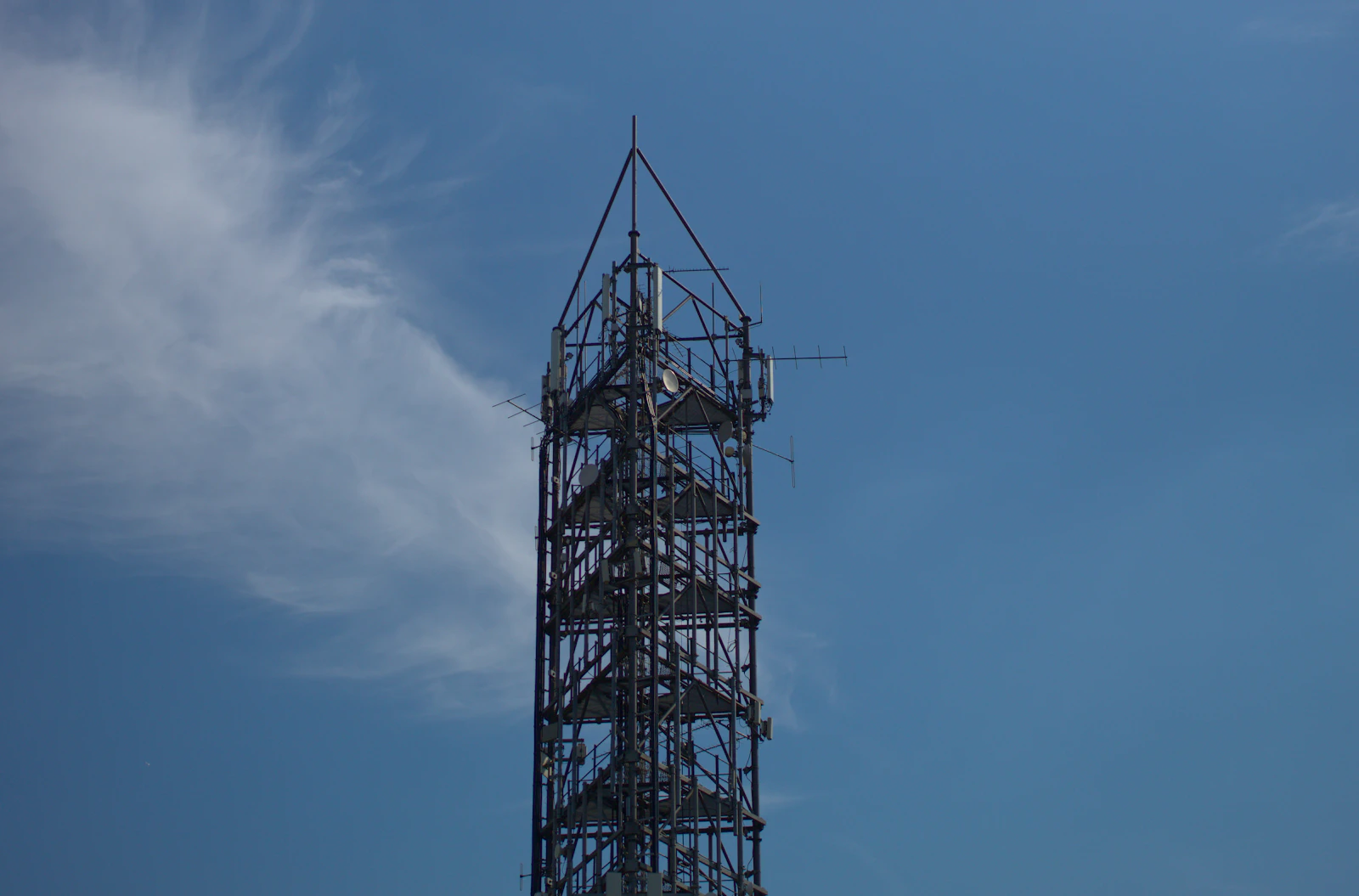
Scaffold Tower Rental Rates in Colorado Springs (Daily/Weekly) — 2026 Costs
Construction Costs Colorado Springs
Price source: Costs shown are derived from our proprietary U.S. construction cost database (updated continuously from contractor/bid/pricing inputs and normalization rules).
Eva Steinmetzer-Shaw
Head of Marketing
For exterior painting in Colorado Springs, 2026 scaffold tower equipment hire pricing typically lands in three bands: (1) small “baker-style” rolling sections used for porch ceilings and single-story elevations at roughly $20–$60/day, $45–$105/week, and $60–$315/month depending on configuration; (2) complete 15–20 ft rolling tower kits at about $125–$200/day and $375–$850/week; and (3) packaged rolling tower systems that include a dedicated transport rack/trailer around $125/day, ~$410/week, and ~$825/month when available locally. Your final hire cost is usually driven less by the base tower rate and more by transport, missing components, off-rent timing, and jobsite constraints (wind exposure, sloped grades, tight access). National providers like United Rentals and Sunbelt, plus regional scaffold yards serving the Springs/Monument corridor, can all quote these scopes—plan to compare “all-in” quotes rather than day rates alone.
| Vendor |
Daily Rate |
Weekly Rate |
Review Score |
Website |
| United Rentals |
$135 |
$405 |
9 |
Visit |
| Sunbelt Rentals |
$125 |
$375 |
9 |
Visit |
| Herc Rentals |
$140 |
$420 |
8 |
Visit |
| The Home Depot Tool Rental |
$95 |
$285 |
8 |
Visit |
| Wagner Rents |
$120 |
$360 |
8 |
Visit |
Scaffold Tower Rental Rates Colorado Springs 2026
Assumptions for 2026 planning ranges: rates shown below are budgeting ranges in USD for contractor equipment hire; taxes, environmental fees, and damage waiver/rental protection (if elected) are excluded; “month” is often billed as a 28-day period at large rental houses.
Budgeting ranges by common exterior-painting use case:
- Baker-style rolling scaffold section (approx. 6 ft frame set): plan $25–$60/day, $45–$105/week, $60–$315/month depending on whether the yard prices by section, by set (casters + plank), or by kit. Published yard rates commonly appear around $35/day, $45/week, $60/month for a 6 ft set including casters and a walkboard, and other yards show $25/day and $75/week per 6 ft section.
- 15–20 ft rolling tower (complete exterior kit): plan $125–$200/day, $375–$750/week, $700–$1,200 per 4 weeks for a standard 15–20 ft “tower kit” (frames/braces/planks/guarding/outriggers depending on kit definition). One published 20 ft outdoor tower kit shows $125/day, $375/week, and $700/four-week.
- 20 ft rolling tower system with transport rack/trailer (common for fast mobilization): plan $125–$175/day, $410–$600/week, $825–$1,200/month when the package includes the integrated rack/trailer that reduces missing-parts risk and speeds inventory on return. A local-front-range listing serving the Colorado Springs area shows $125/day, $410/week, and $825/month for an EZ-rack scaffold with trailer.
Accessory/consumable hire adders that routinely move your total: even when the scaffold itself is priced as a “tower,” jobsite reality often forces adders. Budget for these line items early so your exterior painting crew isn’t improvising with ladders or extending the rental window.
- Leveling jacks: budget $3–$10/day each, or ~$6–$25/week each (sloped grades are common in older Colorado Springs neighborhoods). One published yard rate shows $3/day and $6/week per leveling jack; another published kit charges $3/day, $10/week, and $15/four-week per caster or leveling jack added.
- Outriggers/stabilizers: budget $1–$6/day each, or ~$2–$20/week each. (Expect outriggers to be mandatory above certain platform heights or when wind exposure is high.) A published yard rate shows $1/day and $2/week per outrigger.
- Braces and small scaffold parts: budget $0.50–$2/day per piece when priced individually; for example, one yard lists a scaffold brace at $0.50/day and $1/week.
What Drives Scaffold Tower Equipment Hire Costs for Exterior Painting?
For rental coordinators pricing scaffold tower hire for exterior painting, the biggest cost drivers are typically scope definition (what the yard considers “included”), transport logistics, and time lost to production interruptions. In Colorado Springs, exterior painting schedules are especially sensitive to wind, rapid afternoon weather shifts, and temperature swings—meaning the most expensive scaffold is often the one that sits idle while still on rent.
Key cost drivers to lock down at quote time:
- Height and working envelope: a “20 ft tower” can mean different platform heights depending on frame style and whether the quote is for working height vs platform height. If your crew must reach 24–28 ft eave lines safely, you may need additional frames, guardrails, and outriggers that push you from “small rolling scaffold” pricing into “tower kit” pricing.
- Definition of a “tower kit”: some listings require you to take the entire tower kit (all components) and return all components; missing-parts charges can become material if the kit contains 20+ pins/couplers. One published listing notes the tower is rented as a kit and the customer must take everything for that tower kit.
- Delivery vs self-haul: small sections can be picked up with a pickup truck; larger tower kits (or trailer packages) may reduce delivery cost but require correct hitch/vehicle capacity. If you do take delivery, treat it as a separate procurement line item, not a “misc.”
- Guarding and fall-protection configuration: exterior painting commonly requires frequent repositioning (e.g., lap siding, trim, fascia). That increases the temptation to “skip rails” for speed, which can trigger jobsite compliance interventions and delays. Delays extend rental duration, which is a direct hire cost.
- Setup/tear-down and jobsite labor allocation: if you’re paying painters to assemble scaffold rather than paint, the real “cost of access” rises fast. Many projects also elect professional setup/disassembly; published market guidance commonly budgets $100–$500+ for setup and disassembly depending on complexity.
Hidden-Fee Breakdown
These are the fees that most often turn a “cheap” scaffold tower day rate into a costly exterior painting equipment hire ticket. The goal isn’t to avoid every fee—it’s to make sure the PO anticipates them.
- Delivery and pickup: if not self-hauled, budget $75–$200 each way as a planning range, then confirm mileage bands and minimum charges.
- Minimum rental term: many scaffold kits are minimum 1 day (even if used for a few hours). One published 20 ft kit shows a 1-day minimum term.
- Weekend billing rules: some yards use a “Fri–Mon” weekend period for small tools/scaffold sets; confirm if you’re picking up Friday afternoon for a Monday morning start. (Example: published rental periods for a baker scaffold set explicitly include a Fri–Mon option.)
- Off-rent timing: “off-rent” is often when the yard regains possession, not when your crew stops using it. Sunbelt’s scaffold services terms state the rental period continues until possession is returned, regardless of whether the equipment is in actual use.
- Damage waiver / rental protection plan (RPP): budget either (a) $10–$50/day equivalent or (b) a percentage of the rental line, depending on how your vendor structures it; confirm exclusions (e.g., loss, theft, improper use, and transport incidents are commonly excluded).
- Cleaning and paint contamination: budget $45–$175 per return event when overspray, stucco dust, or mud has to be removed; define “broom clean” vs “washed.” For exterior painting, add internal controls: platform drop cloths, masking at rails, and no paint stored on planks during repositioning.
- Missing-component reconciliation: budget a $25–$75 “parts reconciliation/admin” allowance on tower kits plus $5–$25 per missing pin/coupler, because the most common delay is the yard counting parts after return and issuing a supplemental invoice.
- After-hours or timed delivery windows: budget $75–$150 for a dedicated 2-hour delivery appointment window if your site can’t accept “sometime today” drops (common on occupied residential driveways and HOA-controlled streets).
- Trip charges for refusals: budget a $95–$175 trip charge if the truck cannot offload due to blocked access, soft ground, or no onsite receiver.
Colorado Springs-Specific Jobsite Factors That Affect Hire Cost
Colorado Springs exterior painting work has a few recurring conditions that change scaffold tower rental cost (not because the scaffold is different, but because the rental duration and accessories change):
- Wind exposure along the Front Range: gusty afternoons can force stoppages, which stretches a 5-day plan into 7–10 calendar days (two extra billable days if you’re on daily rates). Mitigation: quote weekly rates early and include outriggers/anchors as required.
- Sloped lots and tiered landscaping: neighborhoods with grade changes often require additional leveling jacks, base plates, and sometimes a different access plan (more short “moves” rather than one long setup). Use a pre-walk to avoid discovering you need 4 extra jacks at the counter.
- Access constraints in older areas (tight driveways, rock landscaping, narrow gates): if the scaffold must be hand-carried to the backyard, plan labor and avoid ordering oversized frames that cannot pass a 36 in gate. When access is tight, a trailer-based rack package can help inventory control but not necessarily last-mile handling.
Example: Two-Story Exterior Painting With A 20 ft Rolling Tower
Scenario: repainting a two-story elevation (fascia + gable + trim), with daily afternoon winds and an occupied driveway that only allows a 7:00–9:00 a.m. delivery/pickup window.
- Access plan: 20 ft rolling tower kit + additional leveling jacks + extra casters to handle sloped concrete and frequent repositioning.
- Hire duration choice: quote weekly rather than stacking day rates because the crew expects 6–8 workable painting days over a 2-week calendar window.
- Budget math (planning allowances, not a vendor quote): 2 weeks scaffold tower hire at $375–$600/week ($750–$1,200); delivery and pickup $150–$200 each way ($300–$400); timed-window service $75–$150; 4 leveling jacks at $3–$10/day equivalent for 10 billable days ($120–$400); cleaning allowance $75–$150; damage waiver/RPP allowance $40–$120. Compare that to a “cheap” day-rate assumption: 10 days at $125/day is already $1,250 before delivery—weekly pricing usually protects you from weather-driven slip.
Operational constraints to document on the PO: delivery cutoff (no trucks after 9:00 a.m.), off-rent call-in procedure, return condition (broom clean, no wet paint, no masking tape left on rails), and component count responsibility (site lead signs the tower kit inventory at drop and again at pickup).
How Rental Periods, Off-Rent Rules, And Weekend Billing Change Your Total
Scaffold tower equipment hire can look straightforward until billing rules are applied. Two items matter most for Colorado Springs exterior painting schedules: (1) how the supplier defines “monthly” (often a 28-day rate in the large-rental market), and (2) when off-rent actually begins (often only when the yard has possession). United Rentals notes its marketplace shows daily, weekly, and monthly (28 days) rates, which is a useful assumption for budgeting long-duration exterior repaints. Sunbelt’s scaffold services terms state the rental period continues until the equipment is returned, regardless of whether it is in actual use—so “we stopped using it Tuesday” is not the same as “it was picked up Tuesday.”
Practical estimating rules for rental coordinators:
- Day-rate stacking is rarely the lowest cost past 3–4 days: if your exterior painting plan includes prep, prime, and two coats, assume you’ll lose at least 1–2 days to weather/coordination and push to weekly pricing early.
- Schedule pickup like a critical path activity: if pickup slips by 1 day at a $125/day scaffold tower rate, that single coordination miss can erase the savings from shopping a lower base rate.
- Weekend holds: if the yard bills Fri–Mon as a special period, decide whether you actually need the tower on-site over the weekend or if you can off-rent Friday and re-deliver Monday (often cheaper than holding it “just in case”).
Budget Worksheet
Use these line items to build an exterior painting equipment hire budget that survives change orders and weather slips (adjust quantities to your specific tower height and number of elevations).
- Scaffold tower hire (base): $375–$850/week (allow 2–4 weeks depending on scope and elevations).
- Small scaffold sections (porches/entry ceilings): $25–$60/day per section or $75–$105/week per section/set (allow 2–6 sections).
- Delivery + pickup: $150–$400 total for short local moves (self-haul = $0 but add labor time). Use $75–$200 each way as a planning range when vendor-delivered.
- Timed delivery window / restricted access allowance: $75–$150
- Extra leveling jacks: allow 4–8 jacks at $3–$10/day equivalent (or $6–$25/week each).
- Extra outriggers/stabilizers: allow 2–4 at $1–$6/day each.
- Damage waiver/RPP allowance: $40–$150 per week (or use your vendor’s percentage add-on); confirm exclusions and accessory coverage.
- Setup/disassembly (if subcontracted): $100–$500+ depending on complexity and tie-in requirements.
- Cleaning/paint contamination allowance: $75–$175 per return event
- Missing parts / loss allowance: $50–$250 (scale up if renting a tower kit with many small pins/couplers)
- Permit/ROW allowance (only if encroaching sidewalk/street): $50–$500 depending on jurisdiction and duration.
Rental Order Checklist
- PO and billing: include job number, cost code, requested rate structure (weekly vs 28-day), and authorization list for on-rent/off-rent calls.
- Scope definition: specify working height and platform height target; confirm whether quote is for “tower kit” (all components) or “per section.”
- Accessories required: number of outriggers, leveling jacks, guardrails/toeboards, and whether additional casters are billable adders.
- Delivery details: delivery address pin, gate width, surface condition (asphalt vs gravel vs lawn), and required delivery window (e.g., 7:00–9:00 a.m.).
- Receiving requirements: named onsite receiver, liftgate needs, and whether driver can stage components in backyard or only curbside.
- Condition documentation: photo the kit at drop (including small parts) and photo again at pickup; have foreman sign inventory acknowledgement to reduce disputes.
- Return condition: confirm “broom clean,” no paint/compound, no masking tape residue, no bent braces; define who pays for cleaning if paint overspray occurs.
- Off-rent procedure: confirm that off-rent is tied to return/pickup and not last use; book pickup as early as feasible to avoid extra days.
When To Consider Buying Instead Of Hiring (Cost-Control Lens)
For recurring exterior painting programs (multiple repaints per year, HOA communities, or multi-building portfolios), buying can be cheaper than repeated scaffold tower hire—especially if you’re routinely paying delivery/pickup and losing time reconciling parts. However, rental often still wins when you need (a) varying heights, (b) short-duration access, or (c) compliance-driven configurations that you don’t want to store/maintain. If your utilization is consistently above ~12–14 days per month, it’s worth running a rent-vs-buy check with your internal costs for storage, inspection, and replacement parts.
Controls That Reduce Total Hire Cost Without Compromising Operations
- Standardize one tower kit definition internally: publish a parts list your crews recognize (frames, braces, planks, rails, toe boards, pins) so returns are complete.
- Bundle pickups: if you have multiple Colorado Springs exterior painting jobs active, coordinate a single pickup route to reduce trip charges (even when billed per stop, vendors often price more favorably for clustered work).
- Move from daily to weekly by policy: if forecasted duration is 4+ days, require weekly pricing approval at the time of PO issuance rather than after the crew is already delayed by weather.
- Document sloped-grade needs during pre-walk: adding 4 leveling jacks at the counter is rarely the issue; discovering you needed them after mobilization is what adds an unplanned extra day.