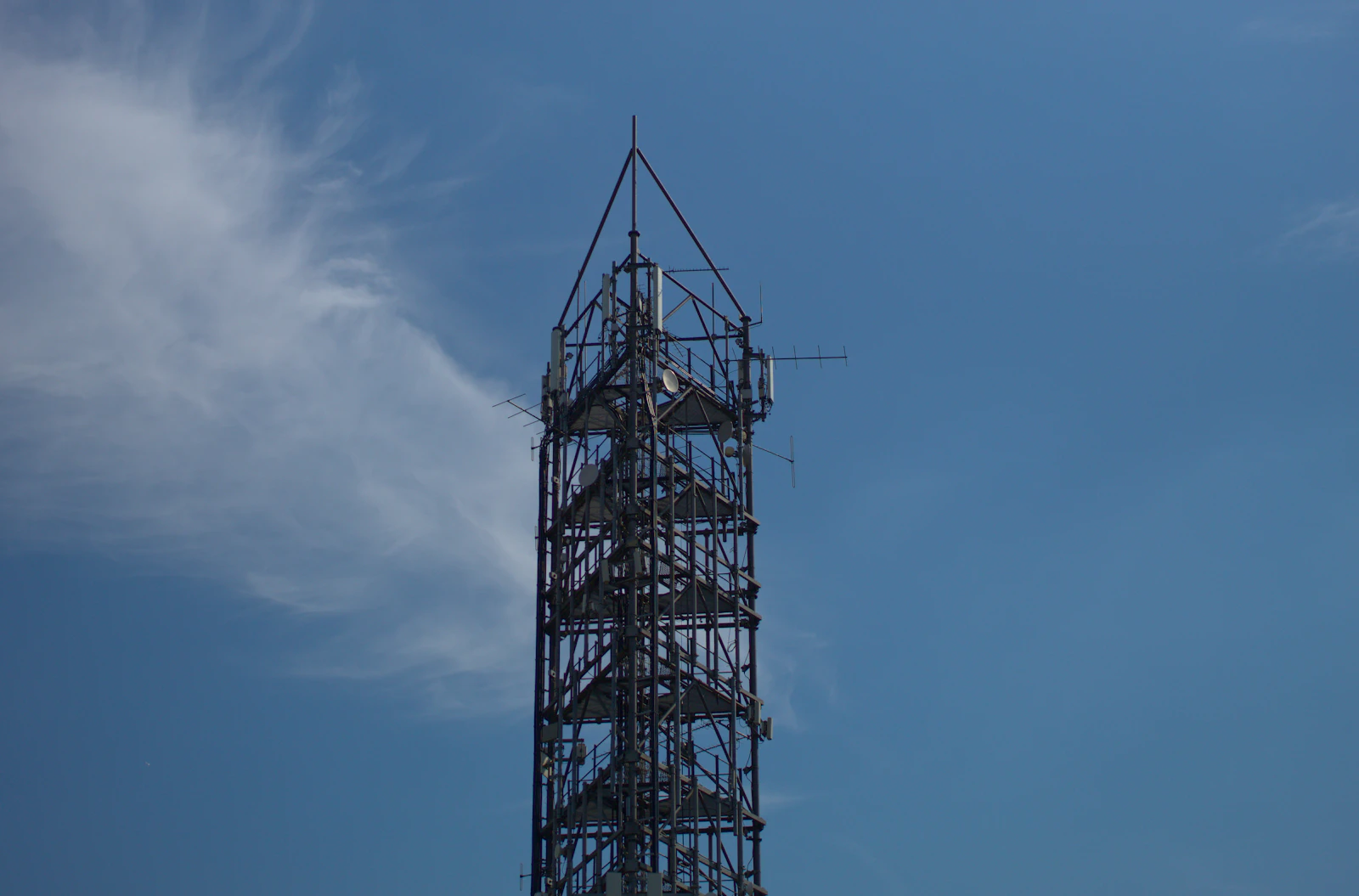
Scaffold Tower Rental Rates Colorado Springs 2026
For 2026 planning in Colorado Springs, budget $90–$175/day, $250–$500/week, and $700–$1,450 per 4-week month for a contractor-grade rolling scaffold tower equipment hire package suitable for house framing (typically 15–20 ft nominal tower height, with guardrails and outriggers as required by the setup). Smaller “baker” style units used for punch-list framing/blocking often run $25–$55/day and $75–$160/week. Higher-reach or more stable configurations (wider base, extra bays, stair access, or multiple towers for elevation work) commonly land $450–$900/week per tower-equivalent once accessories and logistics are included. Rates vary widely by whether you’re hiring a pre-kitted tower versus line-item frames/braces/platforms, and by delivery/off-rent rules. In the Colorado Springs market, most coordinators will compare national rental providers (e.g., Sunbelt/United/Herc-type fleets) versus scaffold specialists for availability and accessories during peak framing season.
| Vendor |
Daily Rate |
Weekly Rate |
Review Score |
Website |
| Sunbelt Rentals (Scaffold Services / Colorado Springs) |
$150 |
$450 |
8 |
Visit |
| United Rentals (Colorado Springs) |
$155 |
$465 |
9 |
Visit |
| Sunstate Equipment (Colorado Springs) |
$145 |
$435 |
9 |
Visit |
| Herc Rentals (Colorado Springs) |
$140 |
$420 |
7 |
Visit |
| Waco Scaffolding & Equipment (Colorado Springs) |
$160 |
$480 |
7 |
Visit |
How Scaffold Tower Equipment Hire Is Typically Quoted for House Framing
On residential framing scopes, scaffold tower rental pricing is usually presented one of two ways:
- Packaged tower hire (one SKU): a defined height tower with platforms, guardrails, casters, screw jacks, and outriggers either included or specified as required add-ons. This is the cleanest for estimating and reduces missing-part backcharges at return.
- Component-based hire: frames + cross braces + platforms priced separately, with casters/screw jacks/guardrails/outriggers line-itemed. Some counters also apply minimum scaffold charges (e.g., $30 / $60 / $100 minimums depending on how many frames are rented) even when the “tower” headline rate looks low.
For Colorado Springs house framing, packaged tower hire is usually safer for cost control because framing sites generate more part-loss risk (pins, clips, braces) and more handling damage (bent frames from re-stacking on uneven ground). If you do component-based hire, plan a formal count sheet at both delivery and return.
What Drives Scaffold Tower Equipment Hire Costs on House-Framing Jobs?
House framing creates access needs that change the “true” scaffold tower equipment hire cost far more than the base day rate. The biggest drivers are:
- Working height and stability requirements: a 10 ft nominal tower may be fine for first-floor window header work, but gable-end framing and second-floor sheathing commonly pushes you into 15–20 ft nominal towers with outriggers (and sometimes additional bays for a wider footprint).
- Mobility vs. ground conditions: “rolling” towers don’t roll well on decomposed granite, mud, frost-heaved subgrade, or sloped lots common around Colorado Springs’ foothill edges. When the tower can’t be rolled efficiently, productivity drops and the job may carry longer rental duration.
- Guardrails/toe boards and access method: if the crew wants full perimeter guardrails, toe boards, and safer internal access (walk-through frames, ladder frames, or stair modules), accessories add up quickly.
- Number of reset moves per week: if you reset a tower 6–10 times across elevations, you’ll spend labor time (and potentially incur damage/cleaning) that pushes “effective equipment hire cost” above a boom lift in some scenarios.
City-Specific Cost Considerations in Colorado Springs
Colorado Springs has a few practical realities that influence scaffold tower hire costs compared with low-elevation, flat-grade markets:
- Wind and weather volatility at elevation: sudden gusts and storms can shut down tower work, which increases calendar days on hire. Build float into your 4-week term assumptions if you’re scheduling sheathing/housewrap around weather windows.
- Sloped lots and stepped foundations: expect more frequent use of screw jacks, leveling, mudsills/cribbing, and sometimes swapping a “rolling” tower to a stationary setup (wheels locked, outriggers installed) to meet stability requirements.
- Delivery timing constraints: tract developments with narrow streets, HOA time windows, and staged material drop zones can increase wait-time or require tighter scheduling. If you have base access restrictions (e.g., sites near Fort Carson requiring visitor procedures), plan for longer check-in windows and potential re-delivery fees.
Common Accessory Adders (Cost Allowances You Should Carry)
Below are typical adders that a rental coordinator will carry as allowances for scaffold tower equipment hire on framing work. These are planning numbers—your local counter may bundle some items into a kit and charge others separately:
- Casters (set of 4): $15–$45/week, or $5–$12/day if unbundled; heavy-duty 8-inch phenolic casters often price above standard sets.
- Screw jacks/leveling legs (set of 4): $10–$30/week; add $0–$25/week for base plates if not included.
- Outriggers/stabilizers (pair): $12–$40/week depending on width and type; many safety programs require outriggers above certain heights or when the platform is side-bracketed.
- Guardrail kit (per level): $20–$85/week depending on kit completeness (top rail, midrail, end rails, posts).
- Toe boards (set): $10–$35/week when required for falling-object controls.
- Platform upgrades: $8–$25/week per plank for wider aluminum decks; $15–$55/week for trapdoor/through-deck platforms that improve access and reduce climb-around time.
- Side brackets (platform wideners): $10–$30/week per pair, but note they can trigger additional outrigger/stability requirements.
If you’re estimating a multi-elevation house framing package, it’s often cheaper to hire two smaller towers than to keep one tower on hire longer while it’s constantly being dismantled, moved, and rebuilt.
Hidden-Fee Breakdown for Scaffold Tower Equipment Hire
Most cost overruns on scaffold tower rental for house framing do not come from the weekly rate—they come from rules, handling, and return condition. Carry explicit allowances for:
- Delivery / pick-up: $125–$300 per trip is a common planning range for scaffold drops, depending on volume and distance; after-hours or tight-window drops can add $75–$150 in dispatch premiums.
- Minimum rental charges: some yards enforce minimums such as $30, $60, or $100 depending on how much scaffold is on contract, even if you only need “a couple parts” to finish a run.
- Damage waiver / rental protection: commonly 10%–15% of rental charges; confirm whether it covers theft, weather loss, and jobsite disappearance of small parts.
- Environmental/energy/administrative fees: carry 2%–5% as a conservative allowance if your vendors apply them.
- Cleaning fees: $45–$125 for concrete splatter, stucco mud, spray-foam residue, or excessive dirt packed into caster locks; many counters will waive this if gear returns broom-clean and counted.
- Missing components: $8–$25 each for pins/clips/locks adds up fast; braces and platforms can be $35–$120+ each to replace depending on type.
- Late return / off-rent cutoffs: if off-rent must be called by (for example) 2:00–3:00 pm to stop billing that day, a missed cutoff often bills another day. Weekends and holidays may bill as full days depending on branch policy.
- Site wait time: if the truck arrives and can’t access due to mud, blocked drive, or no offload equipment, some vendors charge $75–$125/hour after a free window (often 15–30 minutes).
Safety and Compliance Items That Also Change Cost
Even when your contract is “equipment only,” compliance affects schedule and therefore hire duration. OSHA requires scaffolds and components to be inspected for visible defects by a competent person before each work shift and after occurrences that could affect structural integrity. Plan the labor time for daily inspection tags, re-leveling after weather, and documenting any repaired/damaged components to avoid backcharges.
Also, if you’re using a mobile/rolling scaffold tower, ensure your field team is following movement and outrigger rules (including applying pushing force near the base and not operating outside manufacturer guidance). A “small safety stop” can easily create a 2–3 day slip on a framing schedule, which is real money on monthly hire.
Operational Constraints That Change Real Rental Cost
- Delivery windows: if your jobsite only accepts deliveries 7:00–9:00 am, expect tighter scheduling and occasional re-delivery risk. Carry a $150 re-dispatch allowance on fast-track framing jobs.
- Off-rent rules: confirm same-day off-rent cutoffs and whether “picked up tomorrow” still bills today. A missed call-in can be a full day of extra hire.
- Weekend/holiday billing: some contracts bill Saturday as a full day even if your crew only works half-day; carry a 10% weekend premium allowance when you know you’ll hold the tower across a weekend due to inspection or concrete cure windows.
- Return condition requirements: require photos at pickup and return, and a signed count sheet. If your branch requires banding/strapping for transport, add $20–$40 in consumables and 0.5 labor-hour for securement.
- Dust control for interior framing punch: if the scaffold tower is used indoors for stair framing or MEP backing, protect finished floors (ram board/poly) to avoid cleaning charges and wheel contamination.
Example: 10-Day Scaffold Tower Equipment Hire for Two-Story House Framing
Scenario: Two-story house framing in Colorado Springs with 9 ft first-floor walls, 9 ft second-floor walls, and gable-end work that requires a stable platform at ~18–22 ft working height. Crew wants one rolling tower that can reset around the perimeter, but the lot has moderate slope and compacted fill that doesn’t roll smoothly after rain.
- Base tower hire (15–20 ft class): $350–$500/week × 2 weeks = $700–$1,000
- Casters + screw jacks allowance: $30–$75 for the period
- Outriggers (recommended above basic heights / when widened): $25–$80 for the period
- Guardrail kit(s): $50–$170 for the period
- Delivery + pickup: $160–$320 (one mobilization, one demob)
- Damage waiver: 10%–15% of rental = $70–$150
- Cleaning allowance: $0–$90 (depends on mud/overspray/concrete splatter)
- Missing-part contingency: $25–$125 (pins/clips/braces)
10-day planning total: $1,060–$1,990 all-in is a defensible budget range for a single-tower strategy on a typical framing site, assuming no re-delivery and no major component loss. If the crew frequently loses time moving and re-leveling the tower, consider budgeting a second tower for $250–$500/week to reduce resets and compress schedule.
Budget Worksheet (Scaffold Tower Equipment Hire)
Use this as a no-surprises estimating artifact for scaffold tower rental for house framing (adjust quantities and durations to your schedule):
- Tower package hire (15–20 ft class): $350–$500/week × ___ weeks (allow 2 weeks minimum on most framing starts)
- Second tower (optional productivity add): $250–$500/week × ___ weeks
- Casters set(s): $15–$45/week × ___
- Screw jacks / leveling legs: $10–$30/week × ___
- Outriggers/stabilizers: $12–$40/week × ___ pairs
- Guardrail kits: $20–$85/week × ___ levels
- Toe boards (if required by your safety plan): $10–$35/week × ___
- Delivery + pickup allowance: $160–$320 per round trip × ___
- Jobsite wait-time allowance: $0–$125/hour × 1 hour contingency
- Damage waiver / rental protection: 10%–15% of rental
- Environmental/admin fees: 2%–5% of rental
- Cleaning/return-condition allowance: $0–$125
- Missing/damaged parts contingency: $50–$250 (increase if multiple trades use the tower)
Rental Order Checklist for Scaffold Tower Hire
- PO number and cost code (framing vs. exterior sheathing vs. punch)
- Exact jobsite address + delivery contact + phone; include gate/HOA instructions and any restricted delivery windows
- Requested tower configuration (nominal height, base footprint, platform width, indoor/outdoor use)
- Accessory list confirmed in writing: casters, screw jacks, outriggers, guardrails, toe boards, ladder/walk-through frames
- Delivery method: vendor truck vs. customer pickup; confirm offload equipment (forklift available yes/no)
- Billing structure: daily vs. weekly vs. 4-week; confirm weekend/holiday billing rules
- Off-rent procedure: cutoff time (e.g., 2–3 pm), who is authorized to off-rent, and whether pickup date affects billing
- Damage waiver decision (accept/decline) and what it excludes (theft, disappearance, misuse)
- Inbound condition documentation: photos at delivery, count sheet signed by driver and site lead
- Outbound condition documentation: photos at pickup/return, parts counted, cleaned, and strapped/banded as required
If you want to keep scaffold tower equipment hire costs predictable during house framing, treat the rental like a managed asset: one accountable foreman, one count sheet, and one off-rent caller.
When a Scaffold Tower Is the Cost-Effective Choice for House Framing
For Colorado Springs house framing, a rolling scaffold tower is often the most cost-effective access choice when your work face is short-duration but repeated: setting gable ladders, installing fascia returns, doing window buck adjustments, installing temporary bracing, or completing targeted sheathing repairs. The economics improve when you can keep the tower on a weekly or 4-week term rather than stacking day rates. Industry guidance commonly notes that weekly terms typically discount meaningfully versus daily, and monthly terms reduce the effective daily cost even further—so if you expect to hold a tower across weather delays, price it as a 4-week term up front and negotiate early-off-rent credits if your vendor allows them.
Cost Trade-Offs: Rolling Tower vs. Frame Scaffold vs. Boom Lift
Even though this guide focuses on scaffold tower equipment hire costs, rental coordinators should sanity-check the tower strategy against two common alternatives:
- Frame scaffold (built as a run): Often cheaper per linear foot for long, continuous work faces (full elevation sheathing/housewrap), but it increases delivery volume, erection time, and part-count complexity. The hidden cost is management—more pieces means more shrink and more labor to inventory/clean/return.
- Boom lift: Typically higher weekly rental than a single scaffold tower, but can be cheaper in total if the crew is wasting time dismantling and re-leveling a tower multiple times per day. On sloped Colorado Springs sites, the boom lift also reduces the “non-productive handling” time that silently extends scaffold hire duration.
As a rule of thumb for estimating: if the crew expects 6+ resets per day for more than 3 days, compare the total labor handling time (plus extra tower days on rent) to a lift option. Conversely, if you’re inside a tight residential envelope where tires or weight are a concern, the tower remains the cleaner hire solution.
How to Reduce Scaffold Tower Equipment Hire Costs Without Increasing Risk
- Kit what you need—no more: For framing, avoid over-ordering platforms and braces “just in case.” Extra parts increase minimum charge exposure and loss risk. Order one complete tower plus a small spare kit: pins/clips and one spare brace.
- Lock the tower scope by location: Assign the tower to a specific elevation each day (e.g., “north gable AM, east elevation PM”) to reduce idle time and rushed moves.
- Negotiate a 4-week rate from day one: If your schedule risk is weather (common in Colorado Springs), a 4-week term can be cheaper than paying weekly plus accidental weekend billing.
- Bundle delivery: If you’re already bringing other rentals (forklift, compressor, telehandler attachments), ask for consolidated freight or a reduced trip charge. Even a $75 trip reduction is meaningful on small access packages.
- Control return condition: Put plywood/ram board down where mud collects. A single avoided $90 cleaning fee can offset a week of some accessory rentals.
Documentation Practices That Prevent Backcharges
Backcharges on scaffold tower rental typically come from missing parts, disputed damage, and “we never got your off-rent call.” Tight documentation is cheap insurance:
- Inbound: photo every frame bundle, platform stack, and accessory crate; capture any existing bends or weld repairs at delivery.
- Daily: quick count of high-loss items (pins, clips, guardrail posts). A 3-minute check can prevent a $120–$250 surprise replacement bill.
- Outbound: staged return area, counted and strapped; photos showing cleanliness and completeness; signed pickup ticket.
Base, Mudsills, and Stability: Why Site Prep Affects Hire Duration
Rental cost is not just rate—it’s time on rent. OSHA guidance emphasizes stable scaffold foundations, including using base plates and wood sills (mudsills) as appropriate. On Colorado Springs lots with soft fill, thawing ground, or a wet perimeter, crews may spend extra time re-leveling towers each morning. That rework often turns a 7-day hire into a 10-day hire, which is usually more expensive than spending $25–$60 on mudsill materials and setting dedicated tower pads.
Mobile Scaffold Movement Rules That Can Add Cost If Ignored
If the field team is moving a rolling scaffold tower incorrectly, you can lose days to corrective actions or rework. OSHA interpretations include details such as applying manual force close to the base (not more than 5 ft above the supporting surface) and addressing outrigger limitations when conditions prevent their use. Practically, that means you may need to budget extra time (and sometimes extra accessories) to keep the tower compliant and productive—especially when wind or slope makes rolling impractical.
Colorado Springs Planning Ranges by Tower Class (2026)
Use these planning ranges to align procurement with the framing schedule (confirm final pricing with your local branches):
- Small indoor baker scaffold (6 ft class): $25–$55/day; $75–$160/week; $200–$450 per 4-week month.
- Rolling tower (10–15 ft nominal): $60–$140/day; $200–$420/week; $550–$1,150 per 4-week month.
- Rolling tower (15–20 ft nominal) with stability accessories: $90–$175/day; $250–$500/week; $700–$1,450 per 4-week month.
- “More complete” tower packages (wider base, multiple levels, more planking/guardrails): $120–$220/day; $350–$700/week; $950–$1,900 per 4-week month.
These ranges are consistent with published 2026-style market guidance and posted rates from select rental providers in Colorado and similar markets, but your specific hire cost will hinge on kitting and freight.
Example: Multi-Elevation Framing With Two Towers (Schedule Compression)
Operational constraint: You have a 14-calendar-day window to dry-in before a forecasted weather shift. One tower forces constant moves; two towers allow parallel work (gable-end bracing and window header corrections at the same time).
- Tower A (15–20 ft class): $350–$500/week × 2 weeks = $700–$1,000
- Tower B (10–15 ft class): $200–$420/week × 2 weeks = $400–$840
- Delivery/pickup (same trip, bigger load): $220–$380
- Damage waiver (10%–15%): $130–$330
- Extra guardrails/toe boards (if required): $60–$180
Two-tower planning total: $1,510–$2,730. If the second tower prevents even 1 day of schedule slip (and avoids holding other rented assets), it can pay for itself on a framing job with tight sequencing.
Buying vs. Hiring (Cost Control Note Only)
Some framing contractors consider purchasing a small rolling scaffold tower after repeated rentals. From an equipment manager’s perspective, ownership only makes sense if you can control storage, transport, inspection, and part replacement—otherwise shrink and bent frames erase the savings. A practical approach is to track your last 3 rental periods and compare them to a purchase + maintenance model; if you’re consistently renting > 8–12 weeks/year, ask vendors about rent-to-own programs or contractor purchase pricing. For most crews that only need towers sporadically, short-term equipment hire remains the lowest-risk cost path.
Closeout: What to Hand Your AP Team
- Final signed rental contract (including off-rent date/time and pickup ticket)
- Inbound/outbound photos and count sheets
- Damage waiver acceptance/decline documentation
- Delivery fee approvals and any wait-time authorizations
- Internal note of any disputed damage so credits can be requested within the vendor’s claim window (often 7–14 days)
Handled this way, scaffold tower equipment hire costs for Colorado Springs house framing stay forecastable—even when weather, slope, and delivery constraints push the schedule.