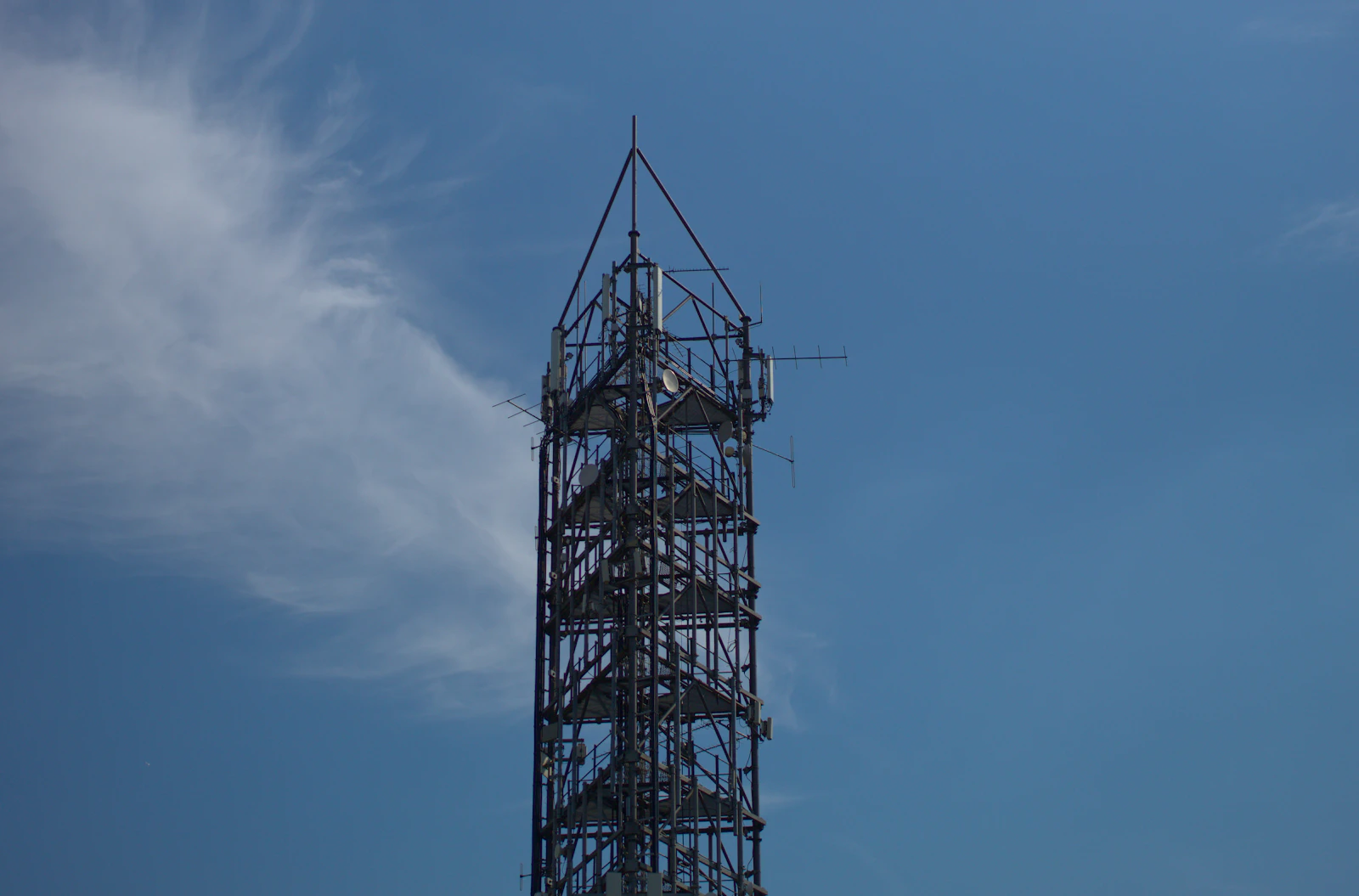
For scaffold tower equipment hire in Denver supporting acoustical ceiling installation, 2026 planning ranges typically land at $90–$175 per day, $275–$525 per week, and $750–$1,450 per 28-day rental month for a contractor-grade rolling tower package (frames, braces, casters, deck/planks, and basic guardrail as specified). Low-end “pickup package” pricing exists locally (for example, published Denver package rates show $95/day and $300/week for a multi-level tower bundle), but those offers can differ materially from commercial jobsite requirements once you add delivery, non-marking casters, toe boards, narrow-base configurations, or compliance accessories for interior TI work. Most Denver rental coordinators will compare national fleets (e.g., United Rentals and Sunbelt) versus local scaffold providers based on availability, delivery windows, and missing-component exposure rather than sticker rate alone.
| Vendor |
Daily Rate |
Weekly Rate |
Review Score |
Website |
| All Seasons Rent All |
$50 |
$150 |
10 |
Visit |
| Local Denver Handyman (Rentals) |
$50 |
$150 |
9 |
Visit |
| Sunbelt Rentals (Denver Branch #543) |
$55 |
$165 |
9 |
Visit |
| United Rentals (Denver) |
$60 |
$180 |
8 |
Visit |
Scaffold Tower Rental Rates Denver 2026
Scaffold tower rental rates in Denver move primarily with (1) working height and deck size, (2) whether the tower must be rolled in finished interiors, and (3) how the rental house bundles components. Denver published “package” rates show examples such as $95/day and $300/week for a multi-level rolling tower bundle, which is useful as a floor for budgeting when you can self-haul and the package matches your scope.
At the other end of the spectrum, contractor-grade rentals used on office TI and healthcare-adjacent interiors can price higher because you’re effectively hiring a complete system (tower + interior floor protection + stabilizers/outriggers + guardrails/toe boards + non-marking casters + documented condition at delivery). For budgeting, many rental catalogs and ratebooks follow the market convention that weekly pricing is roughly 3–4 times the daily rate, with the best value on a 28-day month.
Denver cost planning guidance (2026): if your acoustical ceiling crews will move towers bay-to-bay all day, assume you will pay more for correct casters, narrow-base compatibility, and replacement exposure than you would for a static exterior tower on a shell build.
What Drives Scaffold Tower Equipment Hire Pricing for Acoustical Ceiling Installation?
Acoustical ceiling installation is a high-mobility, high-touch access scope: grid, hanger wire, perimeter angle, light cut-ins, diffusers, and above-ceiling coordination all encourage frequent repositioning. That operational reality drives the real equipment hire cost in Denver more than the published day rate.
- Working height and number of “lifts”: A common TI ceiling height of 9–12 feet pushes many crews into a 1–2 lift rolling tower configuration. If you need a 3–5 lift tower for open ceilings or sloped decks, budget an additional $20–$55/day in components (extra frames/braces, additional platforms, more guardrail length), plus more delivery cube.
- Deck configuration: A 2' x 6' deck is common for ceilings; longer walk boards or multiple decks can add $8–$18/day per additional plank/platform depending on type and rating.
- Narrow-base vs. standard: If you must pass through 36-inch doorways or work in corridors, narrow-base towers reduce productivity if you cannot stage material on deck; the rate may be similar, but the rental duration often increases by 10%–20% due to slower moves and more trips.
- Interior mobility requirements: Non-marking casters commonly carry an adder of $6–$15/day per tower. If the GC requires floor protection (Ram Board/plywood paths), budget $0.35–$0.85/sf installed by others, or an internal labor allowance if self-performed.
- Stabilization: Outriggers/stabilizers frequently add $10–$25/day per set. Some bundles include them, others don’t (this is one of the most common “apples-to-oranges” quoting issues).
- Compliance accessories: Guardrails, midrails, and toe boards can add $12–$35/day depending on how the provider itemizes. Tool lanyard points or debris netting can add $5–$20/day when required by site rules.
Local Denver Conditions That Change the Delivered Hire Cost
Denver scaffold tower hire costs are strongly shaped by logistics and site constraints. Two bids with the same daily rate can land hundreds of dollars apart once you apply realistic delivery and jobsite rules.
- Downtown delivery access and staging: If you’re in CBD high-rises, assume added handling time for loading docks, freight elevator reservations, and “must-deliver-by” cutoffs. A common planning allowance is a $95–$175 delivery charge each way within the metro core, plus $4–$7 per mile outside a base radius (varies by provider and truck size).
- After-hours/early-hours constraints: If you must deliver before tenants arrive or outside standard hours, plan a premium of 1.25x–1.75x on delivery labor or a flat after-hours fee of $150–$350. Denver’s noise controls can also restrict late-night delivery activity; budgeting deliveries and pick-ups inside permitted windows helps avoid premium dispatch.
- Winter weather and curb conditions: Snow/ice increases the probability of rescheduled pick-ups and extended billing. Build a 1–2 day weather float on short rentals between November and March, especially when your off-rent is tied to a hard tenant turnover date.
- Elevation-driven productivity: At Denver elevation, crews can slow slightly during heavy above-ceiling work (especially when pushing loaded towers). This is not a “rental line item,” but it can add a few days of tower time; for budgeting, a 5%–10% duration contingency is a practical estimator’s control for fast-track TI scopes.
Hidden-Fee Breakdown: Where Scaffold Tower Hire Budgets Commonly Blow Up
When scaffold tower equipment hire is under-budgeted, it’s usually due to admin and condition charges rather than the base rent. The goal is to pre-negotiate these items on the PO and enforce them with pickup/return documentation.
- Minimum rental charge: Even when quoting “per day,” many suppliers apply a minimum such as $75–$150 per tower line on will-call rentals.
- Damage waiver / rental protection: Budget 10%–15% of rental as a typical waiver range if elected (or confirm your corporate insurance and decline). Scaffold-specific protection programs may cap certain losses only under specific conditions (e.g., secured storage requirements).
- Environmental / energy / recovery fees: Common small-percent adders of 2%–6% on invoice subtotal can appear depending on provider policy and jurisdiction.
- Cleaning fees: For interior TI, “clean” often means no drywall mud, no adhesive, and no overspray. Plan $60–$200 per tower if returned with compound, concrete dust buildup in caster assemblies, or tape residue on decks.
- Missing component charges: These are the biggest surprise. Planning allowances that reflect typical replacement exposure help: $35–$85 per caster, $40–$120 per cross brace, $90–$180 per guardrail set, and $120–$250 per platform/deck component (exact replacement depends on brand and rating). Missing pins and clips can still trigger admin time and restocking charges (commonly $15–$45 per incident).
- Late return / off-rent rules: Many branches require off-rent notice by midday; miss the cutoff and you can buy another day. A realistic planning assumption is an off-rent cutoff around 12:00–2:00 p.m. with billing through the next business day if missed.
- Weekend billing: If you receive equipment Friday and off-rent Monday, confirm whether you’ll be billed for Saturday and Sunday (many rental contracts do). A conservative estimator’s assumption is that weekends bill unless a specific “weekday-only” structure is written into the agreement.
Cost Drivers Specific to Acoustical Ceiling Installation in Occupied Buildings
For acoustical ceiling installation, scaffold towers are often selected because they fit in tight interiors and can be moved frequently without bringing in powered access. That said, the tower configuration must align with finished-space constraints or you’ll pay in duration, rework, and damage.
- Non-marking casters and floor protection: If the GC/owner requires non-marking wheels plus a protected travel path, treat that as mandatory. It can be cheaper to pay $6–$15/day for non-marking casters than to eat a flooring claim.
- Debris containment: When installing ceilings above occupied spaces, dust control can drive tower handling time. If the site requires poly containment and sticky mats, expect slower repositioning and budget an extra 0.5–1.0 rental week on large floors if access is constrained.
- Staging limitations: Many TI sites prohibit storing boxes on deck or require material to be tethered. That reduces productivity and can extend the rental duration by 1–3 days per phase.
- Freight elevator reservations: If the tower must be moved between floors, coordination delays can create standby time. Consider renting one tower per floor for a short overlap rather than paying labor to shuttle equipment; that overlap might add $275–$525 for a week, but can save more in crew downtime.
Example: Denver Office TI Ceiling Install Using Rolling Scaffold Towers
Scenario: 18,000 sf office TI near Downtown Denver. Ceiling height is 10'6" with MEP coordination above. Two acoustical crews are working nights, and the GC requires non-marking casters, toe boards, and documented condition photos at delivery and return.
- Equipment plan: 4 rolling scaffold towers on rent for 5 weeks (staggered by one week for punch list). Base hire budget at $325/week per tower (mid-range planning), totaling $6,500 for 4 towers over 5 weeks (before adders).
- Required accessories: Non-marking casters at $10/day per tower for 25 working days adds $1,000. Toe boards/guardrails/stabilizers allowance of $18/day per tower adds $1,800.
- Delivery/pick-up: Two-way logistics allowance at $150 each way per drop (delivery + final pickup) totals $300. If you need a mid-project swap or add-on delivery, include an extra $95–$175 contingency.
- Damage waiver: Assume 12% of rental charges (base + accessories) as an allowance if elected; on the above example that’s roughly $1,100–$1,300 depending on what is waiver-eligible.
- Return condition: Add a cleaning contingency of $120 per tower ($480) if the site is dusty from above-ceiling coring or drywall sanding.
Operational constraint that changes cost: If your off-rent cutoff is 1:00 p.m. and the site can only release equipment after 3:00 p.m., you can easily buy an extra day per tower unless you schedule pickup the next morning. In Denver, also consider delivery noise/hour restrictions and loading dock availability to avoid after-hours dispatch premiums.
Budget Worksheet (No Tables): Denver Scaffold Tower Equipment Hire
- Rolling scaffold tower base hire: $275–$525/week per tower (quantity ____; weeks ____).
- 28-day month conversion check (many suppliers bill “monthly” as 28 days): include a note to compare 4-week vs 28-day pricing on quotes.
- Non-marking casters adder: $6–$15/day per tower.
- Outriggers/stabilizers adder: $10–$25/day per set.
- Guardrails/midrails/toe boards: $12–$35/day per tower (confirm inclusion).
- Delivery and pickup: $95–$175 each way (metro typical) plus mileage of $4–$7/mile beyond base radius.
- After-hours delivery premium (if required): $150–$350 per event or 1.25x–1.75x labor factor.
- Damage waiver / rental protection allowance: 10%–15% of rental subtotal (or confirm COI and decline).
- Environmental/recovery fees: 2%–6% of invoice subtotal (confirm contract).
- Cleaning contingency: $60–$200 per tower (mud/compound/adhesive/dust).
- Missing parts contingency (pins/braces/casters/deck): $150–$400 per tower for multi-week TI work if controls are weak; reduce if you implement check-in/check-out and photo documentation.
Rental Order Checklist (PO, Delivery, Return, and Off-Rent Controls)
- PO must state: equipment description (“rolling scaffold tower package”), working height, deck size, non-marking casters required, and required accessories (guardrails, toe boards, outriggers).
- PO must state: rate structure (day/week/28-day month), and whether weekends are billed.
- Confirm off-rent process: cutoff time (plan around 12:00–2:00 p.m.), who can off-rent (site vs PM), and required release procedure.
- Delivery requirements: truck access, dock reservation, COI requirements, delivery window, and a named receiving contact.
- Condition documentation: photos at delivery and at pickup; record serial numbers if present; note missing/damaged parts before signing.
- Return condition: “broom clean,” free of tape/compound/overspray; wheels/casters rolling; all braces/pins included; pallets/banding if required by supplier.
- Billing controls: require ticket numbers for every move, swap, or add-on; reject “field-added” accessories that were not authorized.
Safety and Compliance Notes That Affect Cost (Not Optional on Professional Jobs)
On professional TI sites, compliance drives cost because it drives labor time and required components. OSHA requires scaffolds and scaffold components be inspected for visible defects by a competent person before each work shift and after events that could affect structural integrity. If your project needs documented inspections/tags, include the labor in your estimate and avoid surprise supervisory time.
Also confirm training expectations for crews moving towers (rolling with personnel on the platform is typically restricted by manufacturer instructions and site rules). Even when the tower is “just a rental,” the cost of a stop-work due to missing guardrails or improper access can exceed the entire month of hire.
How to Bid Scaffold Tower Hire Costs in Denver Without Overpaying
For Denver acoustical ceiling installation, the most reliable way to control scaffold tower equipment hire costs is to treat the tower as a managed asset, not a commodity. That means defining the tower package in the scope, restricting who can move/modify it, and aligning delivery/off-rent with the GC’s short-interval schedule.
- Specify “package completeness” up front: Require a written inclusion list (frames, braces, casters, screw jacks, platforms, guardrails, toe boards, outriggers). If a quote is materially cheaper, it often excludes $12–$35/day of accessories you will end up renting anyway.
- Right-size the number of towers: Paying for one extra tower for a short overlap can be cheaper than shuttling equipment between floors. As a planning threshold, if shuttling costs more than 2 labor-hours/day, it can be cost-effective to add a second tower for $275–$525/week for the overlap.
- Lock down off-rent timing: If your provider has a midday off-rent cutoff (often around 12:00–2:00 p.m.), align your demob plan so the equipment is staged and released before that time. Otherwise, assume you’ll buy at least 1 extra day per demob event.
Attachments and Accessories: Typical Adders That Matter on Ceiling Work
Ceiling crews rarely need “just the tower.” The following adders show up frequently on Denver TI jobs because you’re in finished spaces and you need repeatable, safe mobility.
- Trap-door platform (safer access): add $8–$22/day per tower if not included.
- Internal ladder / access frame: add $5–$15/day depending on configuration.
- Tool tray / material shelf: add $3–$10/day; often pays for itself by reducing trips up/down.
- Debris netting or mesh panels: add $5–$20/day when required in occupied buildings.
- Spare caster set on site: carry a contingency of $65–$150 to avoid downtime if a wheel is damaged or flat-spotted.
Delivery, Handling, and Storage: The Real Cost Multipliers
Denver scaffold tower hire becomes expensive when the equipment is moved multiple times by third parties, stored loosely, or broken down without part control. The invoice risk is not theoretical: missing braces, pins, platforms, and guardrails drive replacement charges and admin fees.
- Staging and security: If the tower is stored in a shared laydown, assume a higher missing-part exposure. A practical allowance is $150–$400 per tower for multi-week TI work if part control is weak, and $50–$150 per tower if you implement locked storage and sign-out.
- Forklift handling: If the GC plans to move scaffold bundles with a forklift, confirm how bundles are palletized/banded. Re-banding at demob can add $35–$95 in labor/fees.
- Downtown access constraints: If deliveries must be timed to loading dock reservations, missed windows can trigger re-delivery fees. Carry an allowance of $95–$175 for one “missed window” event on tight TI schedules.
Denver-Specific Scheduling Note: Avoid After-Hours Premium Dispatch
Many TI projects prefer early deliveries and late pickups to avoid tenant impact. If your schedule pushes you into after-hours logistics, you may see premiums such as $150–$350 per event or a 1.25x–1.75x labor factor. Denver also has noise-related delivery and construction activity restrictions tied to nighttime hours; when you can, schedule deliveries and pick-ups inside standard windows to avoid both compliance risk and premium dispatch charges.
Risk Controls That Reduce Invoice Surprises
- Pre-return audit: Before you call off-rent, do a component count and photo set. A 20-minute audit can prevent $200–$800 in backcharges on multi-tower scopes.
- Write return condition into the PO: Specify “free of mud/compound/adhesive; no tape residue” to reduce subjective cleaning charges. Still budget $60–$200 per tower as a contingency on dusty projects.
- Competent person inspection labor: If your site requires daily scaffold tags or documented inspections, include it as a real labor line. OSHA requires inspection by a competent person before each shift and after integrity-affecting events; ignoring this can lead to stop-work and longer rental duration.
When a Scaffold Tower Is the Wrong Hire Choice (Cost Perspective Only)
This page is focused on scaffold tower hire cost, but estimators should still sanity-check whether the tower is driving excess duration. If ceiling height is high and the crew is moving constantly over long runs, the hidden cost can be labor inefficiency rather than rent. A simple decision rule used by some Denver rental coordinators is: if tower repositioning consumes more than 45–60 minutes per crew per shift (including floor protection resets and containment moves), the project may be duration-limited and the tower rental may extend by 1–2 weeks. At that point, the incremental tower rent can be less important than the schedule impact.
Rental Closeout: What to Hand the Rental House (And What to Keep)
- Copy of the signed delivery ticket(s) and pickup ticket(s).
- Photo set at delivery and at return (focus on decks, guardrails, casters, and any tagged damage).
- Written off-rent confirmation with timestamp (email or portal screenshot).
- Any site constraints that impacted pickup timing (dock closures, elevator outages) to contest late billing if needed.
2026 Planning Summary for Denver Scaffold Tower Equipment Hire
For Denver acoustical ceiling installation, plan scaffold tower equipment hire around the complete delivered system: base rent plus delivery, accessories, waiver, and return condition. As a 2026 budgeting range, $90–$175/day, $275–$525/week, and $750–$1,450 per 28-day month per tower is a workable baseline for contractor-grade needs, with published local packages demonstrating potential low-end floors when will-call pickup and simplified configurations are acceptable.