

Create an itemized estimate for your project, with materials, labor, and quantities you can review and edit.
Create my estimateStart a 7-day free trial. Sign up, then enter your project details.
For Detroit exterior painting scopes in 2026, plan scaffold tower equipment hire in these workable budgeting bands (exclusive of tax, delivery, and damage waiver): approximately $60–$180 per day, $220–$650 per week, and $600–$1,900 per 4 weeks for a complete rolling scaffold tower package with platform and guardrails (height, duty rating, and indoor/outdoor kit content drive the spread). Smaller stationary towers and “baker-style” configurations can price lower, while taller outdoor kits with outriggers, toe boards, and additional planking price higher. In Metro Detroit you’ll typically source towers through national rental networks (e.g., United Rentals, Sunbelt Rentals, Herc Rentals) and local scaffold specialists; published local examples include a posted $50 per 1-day price for an 11 ft stationary tower from a Michigan scaffold rental provider, and a Detroit-area rental storefront listing a 6 ft deluxe rolling scaffold tower at $140 and a 5 ft stationary scaffold tower at $120 (confirm whether posted prices are per-day or per-rental at order entry).
| Vendor | Daily Rate | Weekly Rate | Review Score | Website |
|---|---|---|---|---|
| The Home Depot Tool Rental (Detroit metro stores) | $55 | $165 | 8 | Visit |
| United Rentals | $85 | $255 | 8 | Visit |
| Sunbelt Rentals | $80 | $240 | 8 | Visit |
| Herc Rentals | $90 | $270 | 7 | Visit |
| BrandSafway | $95 | $285 | 7 | Visit |
The practical way to budget scaffold tower hire for exterior painting in Detroit is to separate (1) the base tower rate you can reserve against (day/week/4-week), (2) the required safety and stability accessories for outdoor work, and (3) the logistics and “return condition” costs that can quietly exceed the rental rate if they are not managed. National cost guidance commonly shows scaffold towers in the $75–$200/day band for 15–20 ft systems and $150–$350/day for 20+ ft towers, with meaningful step-down when you move to weekly or monthly/4-week billing; use those national bands to sanity-check quotes, then localize based on your delivery radius and the kit content you’re actually renting (not just “a tower”).
Assumptions used for the ranges below: one rolling scaffold tower kit suited to exterior painting (platform deck, guardrails, locking casters), standard duty rating for painting crews, one-shift use, and a typical 4-week (28-day) rental cycle if you go long-term. Where your supplier bills “monthly,” it is often priced as 4 weeks rather than a calendar month—confirm the billing cycle at quote stage.
Published local and component pricing can help you validate line-item realism. For example, a Detroit-area rental storefront publicly lists a rolling scaffold tower and a stationary tower with posted prices, while a separate Michigan scaffold rental site shows a posted day rate for an 11 ft stationary tower. Treat these as reference points (availability, kit content, and terms change), but they’re useful anchors when a quote looks materially out of band.
Exterior painting creates a different cost profile than interior access. The tower itself is only part of the cost; the “jobsite physics” (wind exposure, ground conditions, reach, and reposition frequency) determine how much kit you must hire and how much time it stays on rent.
For Detroit exterior painting, you typically need more stability accessories than you would for interior touch-up: outriggers, leveling jacks, base plates/mud sills, toe boards, and sometimes additional guardrail components. Many rental references price these as adders rather than automatically bundling them. National pricing guidance commonly lists accessory adders such as outrigger stabilizers at roughly $5–$15/day, leveling screws around $4.50–$10/day, toeboards around $3.50–$7/day, and caster wheel sets around $15–$30/day depending on vendor and specification. If you’re trying to control the weekly invoice, explicitly specify which accessories are included in the “tower kit” and which will be billed separately.
On long facades, rolling towers can reduce labor (fewer tear-down/rebuild cycles), but they can increase accessory requirements (outriggers, larger casters, and sometimes additional bracing). In Detroit’s typical summer exterior painting season, plan for weather-day interruptions; that often pushes crews toward weekly or 4-week billing to avoid paying high daily rates through rain delays.
Metro Detroit logistics can swing your total hire cost materially, especially when you’re staging scaffolding for occupied properties, tight alleys, or downtown curb-control conditions. Published rental price sheets in the market frequently show delivery billed as a base charge per trip plus mileage; one example pricing sheet shows $120 each way plus $3.25 per loaded mile as a transportation structure. Your actual quote may differ, but this structure is common enough that it should be in your pre-job budget worksheet.
Detroit-specific considerations that change the logistics line item:
Rental coordinators usually lose money on scaffold towers through small “administrative” and “return condition” items rather than the base rate. Build these into your estimate so the invoice does not land as an unexpected change-order conversation.
Note: certain national rental firms also publish transportation surcharges as a percentage with a minimum; for example, one major firm describes a transportation surcharge with a fixed component of 9% or a $9 minimum (details and applicability vary by agreement and equipment type).
If you accept a damage waiver/RPP, it typically reduces (not eliminates) exposure for theft and damage—important on exterior painting sites where overspray, cement dust, and transport damage are routine. One major scaffold provider’s terms describe loss/damage limits and deductible-style minimums (including examples that reference 10% of MSLP in some theft scenarios and $500 minimums in others). Your contract language will differ, but the procurement action is the same: get the RPP terms in writing and align them with your risk profile and jobsite security controls.
Some national providers explicitly state that customers are responsible for cleaning costs when equipment is returned with excessive dirt, concrete, and/or paint—so the invoice risk is real even when the base rental rate is competitive.
Even though scaffold towers are not typically meter-billed, large rental firms frequently define “standard” usage in shift terms and then price excess usage as a fraction of the base rate. One major rental firm describes a standard entitlement of 8 hours/day, 40 hours/week, and 160 hours per 4 weeks, with excess use charged at fractions such as 1/8 of the daily charge per hour beyond one shift on a daily rental, 1/40 of the weekly charge on a weekly rental, and 1/160 of the 4-week charge on a 4-week rental. While your scaffold tower agreement may not apply those exact fractions, the operational takeaway is: confirm off-rent cutoff time, weekend billing rules, and what constitutes a “day.”
Scenario: Two-painter crew repainting a two-story brick facade and trim. Work face is 48 ft long; you need frequent repositioning, so you choose a rolling tower. Site is occupied; delivery must arrive after 9:30 AM and pickup before 2:30 PM. You want to avoid paint contamination charges by protecting the tower.
Estimator’s note: On Detroit exterior painting, the schedule risk is often bigger than the rate risk. If the crew loses 3 weather days and the rental stays on rent into a fourth week, your cost can jump from “3 weekly bills” to “4-week bill plus accessories.” Locking in a 4-week cap up front is usually the cleanest way to protect margin.
Operational tip for Detroit exterior painting: require your foreman to tag the tower with the rental agreement number and keep a small “hardware bag” on the platform for pins/clips so they don’t disappear into landscaping or get swept up during cleanup. It’s the cheapest way to avoid $50–$200 in nuisance back-charges at demob.
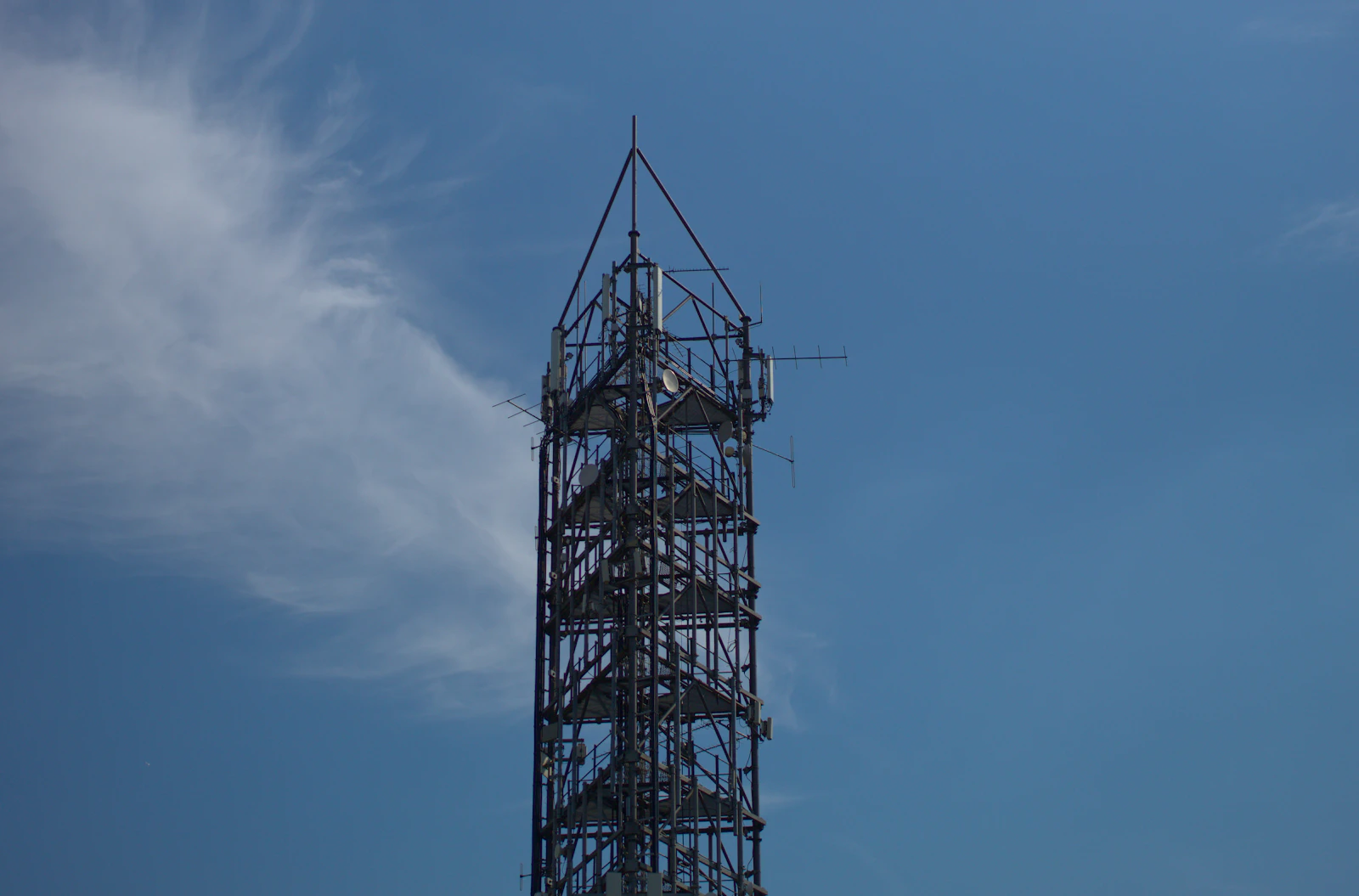
The best cost control on scaffold tower equipment hire is not aggressive bargaining—it’s reducing “days on rent” and eliminating chargeable exceptions. Below are the operational levers rental coordinators can use to protect margin on Detroit exterior painting scopes.
Exterior painting crews often request “the biggest tower available” to feel safe, but over-spec’ing height and footprint can inflate both the base rate and delivery complexity. Before you reserve, confirm:
Even when you hire a full tower as a kit, it’s useful to understand component-level economics because adders and replacements are often billed that way. A published pricing sheet example shows scaffolding components such as a 5 ft x 5 ft scaffold end frame priced at $5.70 (daily), $6.65 (weekly), and $16.15 (monthly/4-week), and a 19 in x 10 ft scaffold plank/catwalk at $9.50 (daily), $10.45 (weekly), and $27.55 (monthly/4-week). Those figures won’t match every Detroit quote, but they help you spot when a “missing plank” back-charge is reasonable—or wildly inflated.
Outdoor kits frequently include outriggers, rails, pins, and sometimes additional panels. But many suppliers will charge per accessory if the “kit” is defined narrowly. A published outdoor tower listing from a rental company (outside Michigan) illustrates how accessory pricing can appear as explicit adders, including $3 per day, $10 per week, and $15 per 4 weeks per caster or leveling jack added to a kit. Use that as a reminder to ask, in writing, what’s included and what’s an add-on—especially for casters and leveling jacks, which are easy to overlook and frequently needed for exterior work.
For Detroit exterior painting, two avoidable schedule slips drive cost: (1) the tower arrives before the crew is ready, and (2) the tower stays on rent over a weekend because the off-rent call missed the cutoff. Build these process controls into your rental order:
Exterior painting causes predictable contamination points: overspray on rails, drips on planks, and paint buildup on caster locks. Because rental companies can bill cleaning when equipment comes back with excessive dirt/paint, treat contamination control as a cost item, not a “nice to have.”
If the tower will be left on site overnight (common on multi-day exterior painting), confirm how theft and damage are handled. Rental protection programs commonly include minimums and conditions (secure storage expectations, police reports for theft). One major scaffold provider publishes detailed scaffold RPP terms with example thresholds and minimums (including references to $500 minimums and percentage-based limits in some theft/damage scenarios). The cost implication: if you can’t secure the scaffold, your best “insurance” may be accelerating production so it can be off-rented sooner—even if the daily rate is higher.
If you want to tighten the allowance further for a specific Detroit neighborhood or site type (downtown curbside, alley-load, tight residential driveway), the next step is to confirm the planned tower height, expected rental duration in calendar days, delivery distance from the likely branch, and whether you need an outdoor stability kit. Those four inputs typically move 80%+ of the total scaffold tower hire cost.
Continue with estimating workflows, reviewed plan quantities, or cost guides organized by topic.
