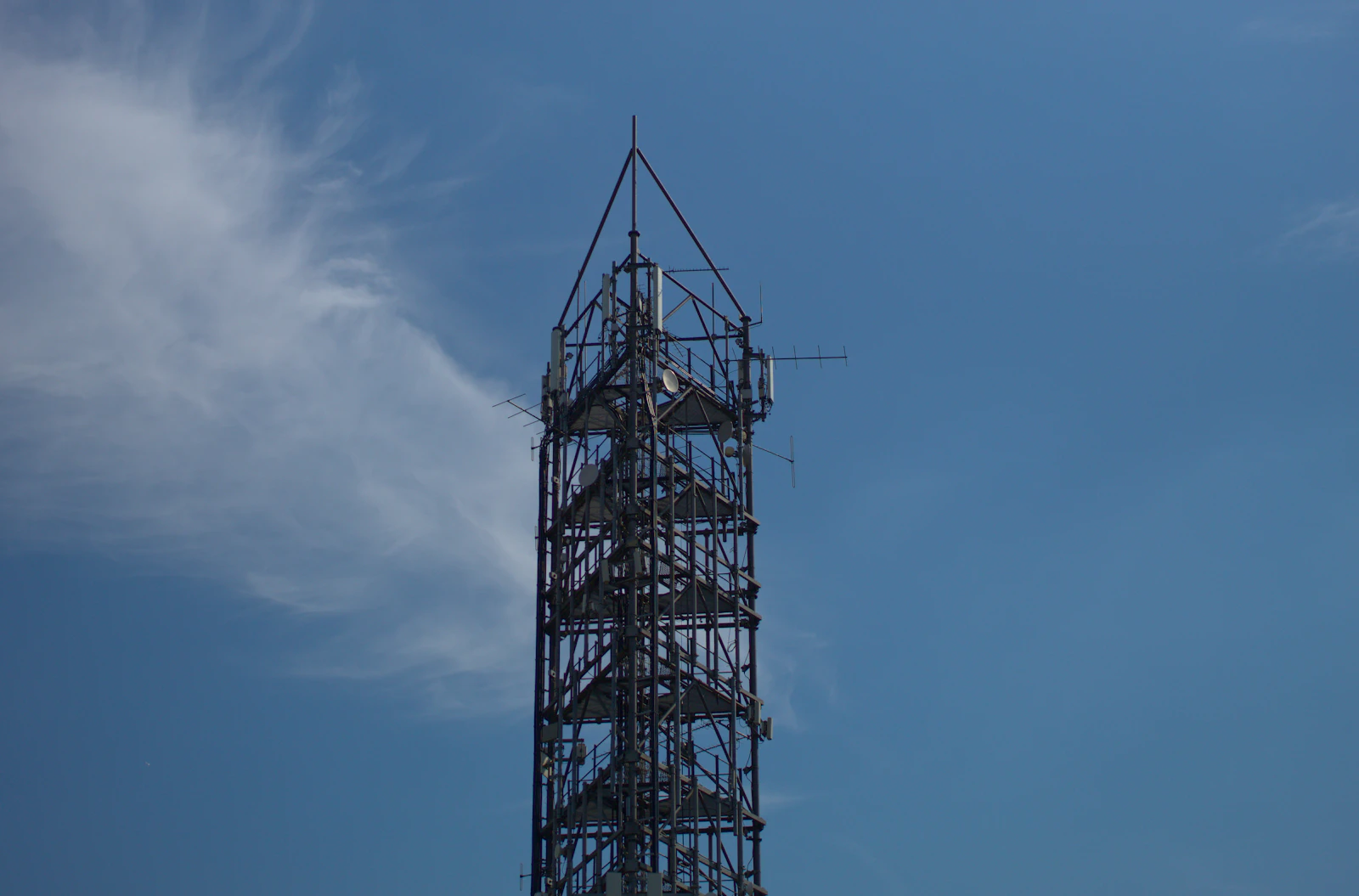
For Houston solar panel installation crews, 2026 scaffold tower equipment hire typically budgets at $95–$140/day, $280–$420/week, and $780–$1,150 per 4-week (28-day) billing cycle for a contractor-grade rolling tower kit sized for 1–2 techs (often a 5 ft x 7 ft base with guardrails and platforms). Larger exterior tower kits (e.g., ~20 ft class packages) commonly plan higher at $125–$220/day, $375–$650/week, and $900–$1,600 per 4-week depending on deck height, rail packages, outriggers, and whether you need stairs, tie-ins, or site-specific compliance adders. National rental houses (United Rentals, Sunbelt Rentals, Herc) and Houston scaffold specialists can all supply tower kits, but the final hire cost is usually driven by delivery logistics, accessories, and off-rent rules as much as the base rate.
| Vendor |
Daily Rate |
Weekly Rate |
Review Score |
Website |
| ScaffoldBox (Houston) |
$95 |
$300 |
10 |
Visit |
| Sunbelt Rentals (Houston) |
$125 |
$375 |
9 |
Visit |
| BETCO Scaffolds (Houston) |
$160 |
$520 |
9 |
Visit |
| United Scaffolding (Houston) |
$150 |
$500 |
9 |
Visit |
| TNT Equipment Co., Inc. (Houston) |
$140 |
$450 |
10 |
Visit |
Scaffold Tower Rental Rates Houston 2026
Important pricing assumption: “Monthly” scaffold tower hire is commonly billed as a 4-week/28-day cycle (not a calendar month). Build your forecast around 28-day cycles and confirm conversion rules (daily-to-weekly and weekly-to-4-week) before issuing the PO.
Use the ranges below as planning numbers for Houston in 2026. They reflect typical market spreads for rolling tower kits used for PV work (eave access, fascia runs, inverter walls, conduit runs, and short-duration roof edge access where appropriate). If you’re renting a published “kit” package, your daily/weekly may look closer to a fixed number; if you’re building from frames/rails/planks à la carte, expect more variability and more line-item exposure (missing parts, cleaning, and damage waiver).
- Basic rolling scaffold tower kit (contractor grade; ~5 ft x 7 ft base; 1 working deck): $95–$120/day; $260–$340/week; $780–$980/4-week.
- Mid-height PV-friendly tower (2 decks / higher rail package; outriggers more likely): $110–$155/day; $320–$460/week; $900–$1,250/4-week.
- Exterior tower kit around ~20 ft class (wider footprint; more braces/rails/outriggers): $125–$220/day; $375–$650/week; $900–$1,600/4-week.
- Crank-up/“tele-tower” style rolling scaffold tower (height adjustable; compact footprint): $90–$160/day; $250–$480/week; $750–$1,300/4-week (varies heavily by deck height and duty rating).
Houston reality check (published local anchor): A Houston-area scaffold tower kit has been advertised at $95 daily and $300 weekly (5-layer kit) with included frames, planks, wheels, leveling feet, and guard rail kit. Treat this as a snapshot for that specific kit and pickup model, not a universal market rate.
Cross-market anchor (useful for benchmarking): A published 20 ft outdoor tower kit in another U.S. rental market shows $125/day, $375/week, and $700/four-week, plus disclosed adders for casters/leveling jacks. This helps validate the order-of-magnitude when you’re sanity-checking quotes (especially if a vendor is bundling accessories).
Historical national list anchor (do not treat as 2026): A legacy Sunbelt price list (2017) shows a crank-up rolling scaffold tower at $69/day, $156/week, $377/month. Use it only as a historical reference for how strongly tower type and region can swing rates; 2026 Houston street pricing will often be higher.
What Changes Scaffold Tower Equipment Hire Cost For Houston Solar Jobs?
For solar panel installation, scaffold tower hire cost control is less about “getting the cheapest day rate” and more about ensuring the package matches the workface and that your billing clock doesn’t run while you’re waiting on inspections, rain, roof access clearance, or homeowner scheduling. In Houston, where weather windows and traffic are real constraints, your rental coordinator should focus on five drivers: (1) tower configuration and accessories, (2) delivery and handling, (3) billing rules (weekend/off-rent/shift), (4) condition/cleaning exposure, and (5) compliance adders that become non-optional once the tower is erected and in use.
- Deck height and rail kit completeness: PV crews often need guardrails/toeboards earlier than they expect—especially when you’re staging tools and module cartons at height. Missing rails can create same-day will-call runs and extension days.
- Rolling vs. stationary behavior: Rolling towers on driveway aprons and turf transitions may require extra leveling jacks, base plates, and outriggers. Budget accessory adders rather than fighting them onsite.
- Ground conditions (Houston): Saturated clay soil and sudden downpours can force plywood pads or mud mats. Plan $2–$6 each for sacrificial pads (allow 12–24 pads for residential work) and assume you may pay extra cleaning if frames come back mud-caked.
- Storm/wind constraints: When Gulf weather flips, you may need a “secure the tower” visit (tie-downs, move to protected area, or partial dismantle). Carry a contingency of $150–$300 for a short-notice site secure callout if the vendor provides it (or internal labor if you self-perform).
Delivery, Handling, And Houston Logistics That Move The Total Hire Cost
Delivery is where scaffold tower hire costs quietly inflate—especially if you’re moving kits between scattered residential solar installs across Houston’s sprawl. Common cost exposures to include in your estimate (confirm each with the vendor):
- Delivery + pickup (standard weekday window): often $110–$175 each way inside a typical radius; beyond that, plan $4–$6 per loaded mile (or a higher zone fee) when you’re outside the vendor’s “standard” Houston service area.
- Minimum delivery charge: even for nearby drops, some vendors enforce a minimum such as $95 to roll a truck.
- Time-window / appointment delivery: if the site requires a hard appointment (HOA gate, school zone restrictions, refinery/industrial check-in), budget $75–$150 for constrained delivery windows or re-delivery attempts.
- After-hours or weekend logistics: plan $150–$250 per event for after-hours delivery/pickup or Saturday coordination when standard dispatch is closed (varies widely by branch and account status).
- Jobsite handling (cannot curb-drop): if the driver can’t place near the workface due to parked vehicles/soft ground, you may need internal handling labor. Carry 2 labor-hours at your loaded rate, or budget vendor handling if offered.
Houston-specific operational note: Put delivery instructions in writing (gate codes, “no truck after 2:30 pm” school streets, toll-route restrictions, preferred staging zone). One failed delivery attempt can cost you an extra day of hire plus re-delivery fees.
Hidden-Fee Breakdown
These are the most common “non-rate” charges that change scaffold tower equipment hire cost for solar panel installation. Carry them as allowances unless your MSA locks them down.
- Damage waiver / rental protection: often priced as a percentage of time charges (commonly 10%–15%). Confirm whether it applies to accessories and whether it’s optional or required for scaffold. (Sunbelt, for example, offers scaffold-specific protection plan terms and exclusions.)
- Deposit / credit hold (non-account customers): plan $200–$500 depending on kit value and whether delivery is involved.
- Cleaning fees: plan $75–$250 for heavy mud, adhesive, or roof cement contamination; budget $200–$400 if concrete splatter or coating overspray requires significant remediation.
- Missing/damaged components at return: budget exposure per item (examples): $35–$80 per guardrail section, $65–$140 per caster, $25–$60 per plank, plus admin/handling.
- Restocking / handling / processing: some branches apply $25–$75 if kits come back incomplete or mixed with other lots and require sorting.
- Consumable stabilizing materials: sandbags (when permitted) often land at $5–$12 each; light-duty tie-down/ratchet kits at $10–$25/day if rented as accessories.
Shift, Weekend, And Off-Rent Rules (Where Billing Often Gets Lost)
Even though a scaffold tower is “non-powered,” many rental firms still apply standard equipment billing conventions: one-shift use assumptions, overtime formulas, and strict off-rent cutoffs. Herc, for example, states that daily/weekly/4-week rates entitle a customer to one shift (8 hours/day, 40 hours/week, 160 hours/4 weeks), and excess use is payable at fractions of the base rate (e.g., 1/8 of the daily charge per hour). This matters if your tower is bundled with other equipment under the same contract terms.
- Weekend billing: clarify whether Saturday/Sunday are billed when the tower remains onsite. If your vendor offers “weekend no-charge” policies, get it in writing—many do not for scaffold kits.
- Off-rent notification: confirm the cutoff (commonly early-to-mid afternoon). Missing cutoff can add 1 extra day of hire even if the tower is stacked and ready.
- Partial returns: scaffold towers returned incomplete often remain “on rent” until reconciled, which can create surprise extensions.
Compliance Costs That Show Up On Solar Panel Installation Scaffolding
Compliance is not just a safety topic—it’s a cost topic. Once a scaffold is erected, inspection and documentation requirements can require either internal competent-person time or vendor scaffold-division services. United Rentals notes that after first-use inspection, OSHA requires periodic (weekly) inspections for erected scaffolds. If your solar project spans multiple weeks (common on multi-building or phased HOA communities), carry recurring inspection labor rather than treating it as a one-time event.
- Weekly competent-person inspection allowance: plan $75–$150/week equivalent labor cost (internal) for checklists and tags across multiple towers, depending on your program and site count.
- Engineering/layout (only when required): if you’re building unusual heights, bridging, or working near public access, budget $250–$750 for a stamped sketch/design package when required by site rules (varies by scenario and provider).
Accessories And Adders To Budget For A PV Crew (Beyond The Base Tower Rate)
For Houston solar panel installation, scaffold tower packages frequently expand beyond “tower + wheels.” The adders below are where equipment hire costs creep—and where rental coordinators can save money by standardizing a kit-of-parts per crew.
- Outriggers/stabilizers: budget $12–$30/day (or included in some kits). If the vendor bills per outrigger, carry 4 units.
- Leveling jacks / screw feet: budget $10–$25/day for a set when not bundled; some published kits in other markets disclose adders like $3/day, $10/week, $15/4-week per caster or leveling jack.
- Guardrail and toe-board completeness: budget $8–$18/day if billed as an add-on package rather than included.
- Debris netting / shrink wrap (when working near public walkways or sensitive finishes): budget $0.20–$0.45/sf plus install labor, even for “small” residential sites if the GC requires it.
- Ground protection / pads (driveway pavers, turf, irrigation zones): budget $8–$18/day per mat if rented, or carry internal pads as consumables.
Example: Houston Residential Solar Panel Installation Using A Rolling Scaffold Tower
Scenario: Two-story residence near the Energy Corridor. Crew needs consistent access along a 40 ft eave line for conduit and roof-edge staging; homeowner requires driveway clear by 6:00 pm; afternoon storms likely. The tower must roll between two elevations with a driveway slope.
- Hire plan: mid-height rolling scaffold tower kit at $120/day (planning), booked for 4 days to cover weather slip and inspection delays = $480.
- Stability adders: outriggers and leveling jacks allowance = $25/day for 4 days = $100.
- Delivery + pickup: $145 each way (within standard Houston radius) = $290.
- Appointment window: homeowner-only delivery window add = $95 (avoid re-delivery risk).
- Damage waiver: 12% of time charges (tower + accessories: $580) = $69.60.
- Weather contingency: carry $200 for a secure/tie-down event or one-day extension if storms force a stop-work.
Example total budget: $480 + $100 + $290 + $95 + $69.60 + $200 = $1,234.60 (before tax). The key takeaway: delivery/handling, accessories, and risk allowances can exceed the “headline day rate” if you don’t control them.
Budget Worksheet (Equipment Hire Cost Allowances)
- Scaffold tower kit (rolling, guardrails included): ____ days at $____/day (or ____ weeks at $____/week).
- Accessory set allowance (outriggers, leveling jacks, toe boards): $____/day x ____ days (carry $25–$60/day if unsure).
- Delivery: $____ (allow $110–$175) plus mileage $____ (allow $4–$6/mile beyond standard radius).
- Pickup: $____ (allow $110–$175) plus mileage if applicable.
- Constrained delivery window / re-delivery risk: $____ (allow $75–$150).
- Damage waiver / rental protection: ____% of time charges (allow 10%–15%).
- Cleaning allowance: $____ (allow $75–$250; $200–$400 if mud/concrete exposure is likely).
- Missing parts exposure: $____ (allow $150–$350 per tower for “just-in-case” closeout risk on multi-week work).
- Weekly inspection/admin (if erected over multiple weeks): $____/week (allow $75–$150/week equivalent labor).
- Weather/storm standby contingency (Houston): $____ (allow $150–$300 per event).
Rental Order Checklist (What Prevents Extra Days And Disputes)
- PO scope: list the tower kit name, base size, target working height, and whether guardrails/toe boards/outriggers are included or separate line items.
- Billing terms: confirm daily-to-weekly conversion day, 4-week cycle definition (28 days), weekend billing policy, and any one-shift/overtime language that applies to your account terms.
- Delivery requirements: site address, contact name/phone, delivery window, gate codes, truck restrictions, and where the kit must be staged (curb-drop vs. placed onsite).
- Condition documentation: photos at delivery and at pickup; count critical parts (rails, braces, casters, pins, planks) before signing.
- Off-rent procedure: who calls off-rent, required lead time, cutoff time, and how partial returns are handled.
- Return condition: remove mud/roof mastic where feasible; bundle components; tag damaged parts; separate “missing” items immediately to avoid extended on-rent time.
Practical Cost-Control Moves For Houston Scaffold Tower Equipment Hire
- Standardize a “PV tower kit” per crew: one defined bill of materials reduces missing-parts charges and time lost to will-call runs.
- Schedule around Houston traffic and weather: choose morning delivery windows; avoid late-day pickups that risk slipping past off-rent cutoffs and adding a day.
- Minimize transfers between jobs: a $130/day tower moved three times can cost more than a second tower kept on a parallel site once you add delivery, handling, and downtime.
- Pre-negotiate cleaning expectations: agree in advance on “broom clean” vs. “pressure-washed” return condition to avoid $200–$400 surprises.