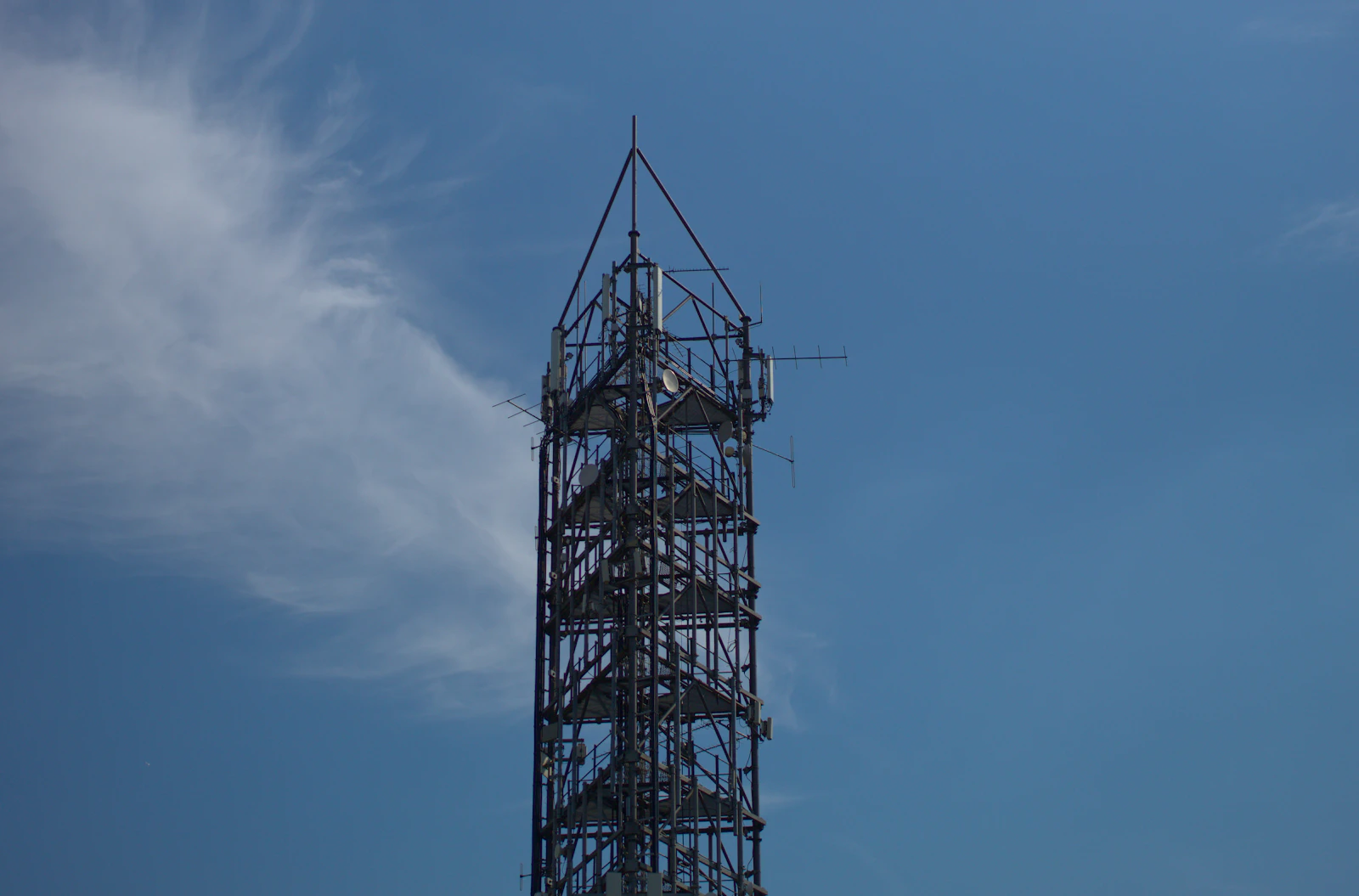
Scaffold Tower Rental Rates Nashville 2026
For Nashville scaffold tower equipment hire on residential house framing scopes in 2026, most rental coordinators should budget $95–$225/day, $300–$750/week, and $900–$2,100 per 28-day month for a contractor-grade rolling scaffold tower package (frames/braces/platforms/casters) sized to typical 2-story wall, gable, and fascia work. Local pricing swings are mostly driven by tower height (15–20+ ft), indoor vs outdoor stability accessories, and delivery logistics into Davidson County. National rental houses (often quoting “28-day monthly” billing) and dedicated scaffold providers can both be competitive—plan with ranges unless you have a negotiated account rate. Local advertised examples include a Nashville provider posting $95 daily and $300 weekly for a tower, while broader 2026 market guides show 20-foot towers frequently renting higher in the $150–$350/day bracket depending on configuration and duty rating.
| Vendor |
Daily Rate |
Weekly Rate |
Review Score |
Website |
| ScaffoldBox (Nashville) |
$95 |
$300 |
8 |
Visit |
| United Rentals (Nashville, M76) |
$106 |
$224 |
9 |
Visit |
| Sunbelt Rentals (Scaffold Services – Nashville #128) |
$110 |
$400 |
10 |
Visit |
| Art Pancake's Rent-All (Nashville) |
$45 |
$135 |
10 |
Visit |
| Capitol City Scaffolding & Equipment (Nashville) |
$3 |
$16 |
10 |
Visit |
What Drives Scaffold Tower Equipment Hire Costs For House Framing In Nashville?
House framing work typically pushes scaffold-tower rentals into the “needs to be stable, mobile, and reset fast” category. That combination can increase total equipment hire cost more than many teams expect, because the base tower rate is only part of the invoice. In Nashville, the biggest cost drivers usually come down to:
- Working height and bay layout: 15 ft towers (common for porch beams, window headers, and interior rough) usually price below 20+ ft exterior setups (gable framing, barge boards, soffit/fascia, second-story details). Market guidance notes 15 ft sets often rent lower than 20 ft towers, with 20 ft towers frequently quoted at higher day rates depending on components included.
- Rolling vs. “locked” stationary use: rolling casters are convenient for sheathing and WRB installs, but add damage exposure (casters, locks, bearings) and may require additional stabilizers for exterior use.
- Indoor vs. outdoor requirements: outdoor use typically triggers adders for outriggers, leveling jacks, and sometimes additional guardrail/toeboard components. Indoor use may instead trigger floor protection and stricter clean-return expectations.
- Duty rating and plank/platform spec: heavier-duty platforms and more complete guardrail packages increase the hire rate, but are often cheaper than schedule impacts from under-spec’d access gear.
- Delivery access in Nashville: tight subdivision streets, steep driveways, and limited curb space (especially closer to downtown, The Gulch, Germantown, East Nashville infill) can require smaller truck delivery, timed windows, or manual offload—each of which can add charges.
2026 Planning Rate Bands For Nashville Scaffold Tower Hire (What “Package” Usually Means)
Because scaffold towers are frequently quoted as a component package (rather than one “machine”), confirm what the vendor means by “tower.” As a planning baseline for Nashville in 2026:
- Compact/indoor rolling tower package (common for interior stairwell framing, mechanical chases, or punch scopes): budget $95–$160/day, $300–$500/week, $900–$1,500/28-day when billed as a complete kit. A local Nashville listing shows $95/day and $300/week for a scaffold tower, which is consistent with the low-to-mid end for smaller packages.
- Exterior-ready 18–20+ ft rolling scaffold tower package (common for second-story wall lines, gable ends, soffit/fascia): budget $150–$225/day, $500–$750/week, $1,400–$2,100/28-day, especially when the quote includes guardrails and stabilizers. Market guidance for 20-foot towers commonly falls in the $150–$350/day range depending on components and rating.
Assumptions used for these Nashville equipment hire cost ranges: one tower at a time; typical residential crew use; normal wear; no specialty engineered scaffold design; excludes delivery/pick-up, taxes, loss/damage, and consumables (poly, tape, etc.). If you need multiple towers (front elevation + rear elevation), expect some vendors to discount the second unit but increase transport and handling.
How Rental Billing Rules Change The Real Cost (Daily, Weekly, 28-Day Monthly)
Scaffold tower invoices are often governed by rental “conversion” logic (daily converts to weekly; weekly converts to monthly) and by a 28-day month convention. Some national rental marketplaces explicitly show daily, weekly, and monthly (28 days) rates, which matters for framing schedules that straddle inspection holds.
Practical cost impacts for Nashville house framing:
- Weekend billing: many vendors count Saturday/Sunday as billable time even if you don’t work those days. If you only need access gear for a Friday + Monday task, confirm whether that’s 2 days, 4 days, or a weekly minimum in their system.
- Off-rent timing: common policy is that equipment stays on rent until you call it off-rent and it’s available for pick-up. If you call off-rent after dispatch cutoffs, you can unintentionally pay 1 extra day.
- Minimum charges: smaller scaffold packages may have a 1-week minimum during peak months or when delivery is requested.
Hidden-Fee Breakdown
To keep your scaffold tower equipment hire costs in Nashville predictable, ask for an “all-in” quote that itemizes common adders. Typical planning allowances (your vendor policy will control):
- Delivery / pick-up: $95–$175 each way inside a typical metro radius; or a base charge (e.g., $125 minimum) plus mileage like $3.50–$5.00 per mile beyond a stated radius (often 15–25 miles from the yard).
- Trip charges for failed delivery: $95–$150 if the site isn’t accessible, the gate is locked, or there’s no unloading plan.
- Damage waiver / Rental protection: commonly 10%–15% of the time-and-material rental portion (not always applied to transport). Some programs exclude loss/theft and require prompt reporting (for example, certain terms reference a 48-hour window to report theft to police and provide documentation).
- Cleaning fee (mud, concrete splash, adhesive, overspray): plan $85–$250 if returned with caked red clay or wrap/caulk buildup on platforms and frames.
- Missing/damaged components: budgeting examples include $40–$75 for a damaged caster, $60–$120 for guardrail/toeboard components, and $90–$180 for bent frames or platforms—often at replacement cost, not “repair cost.”
- After-hours / scheduled delivery windows: if you require a hard delivery window (e.g., before concrete trucks), plan a dispatch premium like $75–$150 depending on constraints.
Delivery/pick-up being billed separately is also consistent with broader scaffolding-rental guidance, which calls out transport as a separate line item and commonly in the $75–$200 range each way.
Common Accessories That Move The Price (And Why Framing Crews Actually Need Them)
For house framing, the base rolling tower often isn’t the whole solution. These are common adders that raise total equipment hire cost but reduce crew inefficiency and rework:
- Outriggers / stabilizers: $12–$25/day (or $40–$85/week)—often required for taller rolling towers outdoors.
- Leveling jacks: $6–$15/day—useful on sloped Nashville lots and uneven subgrade around new foundations.
- Additional platform deck / walkboard: $15–$35/day per plank if the framing crew needs a wider work surface for sheathing and nail patterns.
- Guardrail kit: $10–$25/day—especially if the GC is strict on fall protection documentation.
- Toeboards: $5–$12/day—helps prevent dropped tools onto lower work areas.
- Material hoist / gin wheel kit (light duty): $25–$60/day if you’re lifting small bundles of blocking or trim (confirm rating and policy; many vendors restrict use cases).
If you’re comparing a “tower rate” that looks unusually low, verify whether it’s closer to a bare-bones component rate. For example, an older published equipment price list showed a crank-up rolling scaffold tower at $69/day, $156/week, and $377/28-day—useful as historical context, but not a guaranteed 2026 Nashville rate and not necessarily the same as a full exterior-ready tower package. (g
Example: Nashville House Framing Scaffold Tower Hire With Real Job Constraints
Example scenario: Two-story infill build in East Nashville. Crew needs an exterior-ready rolling scaffold tower for gable-end sheathing and fascia blocking. Access is via a narrow alley, so delivery must be a smaller truck and must land before 9:30 AM to avoid school traffic and parked vehicles. The tower is needed for 12 working days, but the schedule includes an inspection hold that stretches possession to 18 calendar days.
- Base hire (tower package): budget $650/week × 2 weeks = $1,300 (weekly billing chosen to avoid paying 18 separate day rates).
- Outriggers: $70/week × 2 = $140.
- Delivery + pick-up: $145 each way = $290 (timed delivery window included).
- Damage waiver: 12% of rental portion (base + accessories) = 12% of $1,440 = $172.80.
- Cleaning allowance: $125 (mud expected from a rain week; avoidable if crew pressure-washes and documents condition at off-rent).
Estimated equipment hire total (pre-tax): $1,300 + $140 + $290 + $172.80 + $125 = $2,027.80. The operational constraint that drives cost here is not the tower rate—it’s the 18-day possession combined with delivery timing and weather-related clean-return risk.
Budget Worksheet (Estimator-Friendly Allowances, No Surprises)
Use this as a practical starting point when building a scaffold tower equipment hire cost into a Nashville framing estimate. Adjust quantities to match elevations and production plan:
- Scaffold tower hire (base package): 1 unit × $900–$2,100 per 28-day month (or $300–$750/week if short duration).
- Stability kit allowance (outriggers + jacks): $120–$320 per month equivalent.
- Guardrail/toeboard kit allowance: $80–$260 per month equivalent.
- Delivery and pick-up allowance: $190–$350 total (two-way), plus mileage beyond radius at $3.50–$5.00/mi.
- Damage waiver allowance: 10%–15% of rental subtotal.
- Cleaning/turn-in allowance: $0–$250 (set to $125 by default for exterior framing seasons).
- Loss/damage contingency: $150–$500 depending on site security (casters and rails walk off more often than frames).
Nashville-Specific Considerations That Commonly Increase Scaffold Tower Hire Cost
- Delivery radius and re-delivery risk: Nashville yards often support the core metro efficiently, but outlying drops (e.g., far SE Davidson / border areas) can trigger mileage and tighter dispatch windows—plan for a base delivery plus mileage beyond 20 miles if your site is outside the normal service ring.
- Red clay, rain, and rutting: Rolling towers get dragged through mud and aggregate around foundations, which increases cleaning fees and caster damage risk unless you stage plywood “runways.”
- Heat and humidity scheduling: In peak summer, crews may shift earlier; if your vendor has a 3:00 PM pick-up cutoff, you can accidentally pay an extra day if the tower isn’t broken down and stacked on time.
If you want to tighten these ranges for a specific Nashville ZIP code and tower height, share the target working height, indoor/outdoor, and whether you need delivery or will pick up in a trailer—and whether the GC requires guardrails and toeboards on all working levels.
How To Reduce Nashville Scaffold Tower Equipment Hire Costs Without Slowing House Framing
Most cost overruns with scaffold tower hire are self-inflicted: wrong duration chosen, accessories ordered late, and off-rent not coordinated with framing milestones. To reduce total cost while protecting productivity, use these coordinator-level tactics:
- Match the billing unit to the schedule reality: if you expect 6–9 days of use, push for weekly; if you expect 18–24 days, request a 28-day month and confirm whether the vendor automatically converts (daily-to-weekly; weekly-to-monthly) per their policy.
- Order the stability kit up front: adding outriggers/jacks after delivery can create a second delivery fee (often another $95–$175), and can idle your crew.
- Use “two-elevation planning” instead of “move it all day”: if the tower will spend hours being repositioned for sheathing, it can be cheaper to rent a second smaller tower for $300–$500/week than to lose production time and damage casters.
- Pick-up with your own trailer only if you can secure it: self-pickup can avoid transport but may require a deposit and increases your responsibility for tie-down and damage in transit.
Operational Constraints That Change The Invoice (Dispatch, Off-Rent, Weekends, Returns)
For Nashville framing projects, these real-world constraints commonly move the final invoice by hundreds of dollars even when the base hire rate is unchanged:
- Dispatch cutoffs: many branches route trucks the day prior. If off-rent is called after dispatch, you may pay 1 additional day even if you stop using the tower.
- Weekend/holiday billing rules: clarify whether a Friday delivery returned Monday is billed as 2 days, 3 days, or a full week minimum.
- Delivery appointment windows: requesting a tight window (e.g., 7:00–9:00 AM) may add $75–$150, but can be worth it when you’re coordinating concrete, framing lumber drops, or street parking limits.
- Off-rent condition requirement: many vendors require the tower to be broken down, banded/stacked, and accessible at curb. If the driver can’t reach it, you can get a “dry run” fee (commonly $95–$150) plus another day’s rent.
- Return-condition documentation: take photos at delivery and at off-rent. Without documentation, cleaning and damage assessments are hard to dispute.
Rental Order Checklist
Use this checklist to keep scaffold tower equipment hire costs controlled and prevent administrative delays:
- PO details: correct job name, Nashville site address, and requested billing unit (daily/weekly/28-day monthly).
- Scope definition: required platform height, indoor vs outdoor use, rolling vs stationary, and whether outriggers/leveling jacks are required.
- Accessory confirmation: guardrails, toeboards, extra decks/planks, jacks, outriggers, and any specialty gates.
- Delivery requirements: site contact + phone, gate code, delivery window, and whether a lift is needed to offload (or confirm “manual offload OK”).
- Site constraints: alley access, slope, soft subgrade, and staging area identified so the driver doesn’t have to reposition (reposition time can trigger service charges).
- Security plan: where the tower is stored overnight; whether casters/rails are locked up to reduce loss risk.
- Off-rent plan: who calls off-rent, how much notice is required (plan for 24 hours), and where the tower will be staged for pickup.
- Return condition: confirm expectations for mud removal and labeling/banding; plan a 30–60 minute crew task to clean and stage to avoid $85–$250 cleaning charges.
Rent Vs. Buy For Repeated House Framing Access
For builders framing multiple houses per month, ownership can beat hire—but only if you can store, transport, and maintain the tower and keep it from walking off site. As a planning comparison:
- Typical purchase band for a contractor-grade rolling scaffold tower kit (frames/braces/platforms/casters/rails) is commonly $1,500–$4,500 depending on height and brand (verify with your procurement channel).
- Break-even logic: if your all-in rental invoice is around $1,800–$2,200 per month (tower + accessories + waiver + delivery), ownership can pencil out in roughly 1–3 months of consistent use—if you avoid loss/damage and your crew has a reliable hauling plan.
- When hire still wins: one-off custom homes, tight urban access (where delivery timing is worth paying for), and projects where you need multiple towers for a short burst.
Closeout And Dispute-Proofing (Where Costs Get Added After The Job)
Scaffold tower hire costs can rise after the crew is finished if closeout is sloppy. Tighten these steps:
- Count components at delivery: confirm you received all frames, braces, platforms, rails, and casters listed on the ticket.
- Photograph condition: at delivery and at pickup staging. Capture caster condition and platform decks.
- Tag damaged parts immediately: isolate a bent brace or cracked platform so it doesn’t disappear and become a “missing item” charge.
- Confirm the off-rent timestamp: email/text confirmation can help prevent an extra 1 day charge if pickup is delayed by routing.
Need a tighter Nashville-specific hire budget? Provide the tower working height (e.g., 12 ft, 18 ft, or 24 ft), whether you need exterior outriggers, and whether delivery is inside Davidson County or outside the typical metro radius—those three inputs usually determine most of the spread between a “cheap tower” and a realistic house-framing scaffold tower equipment hire total.