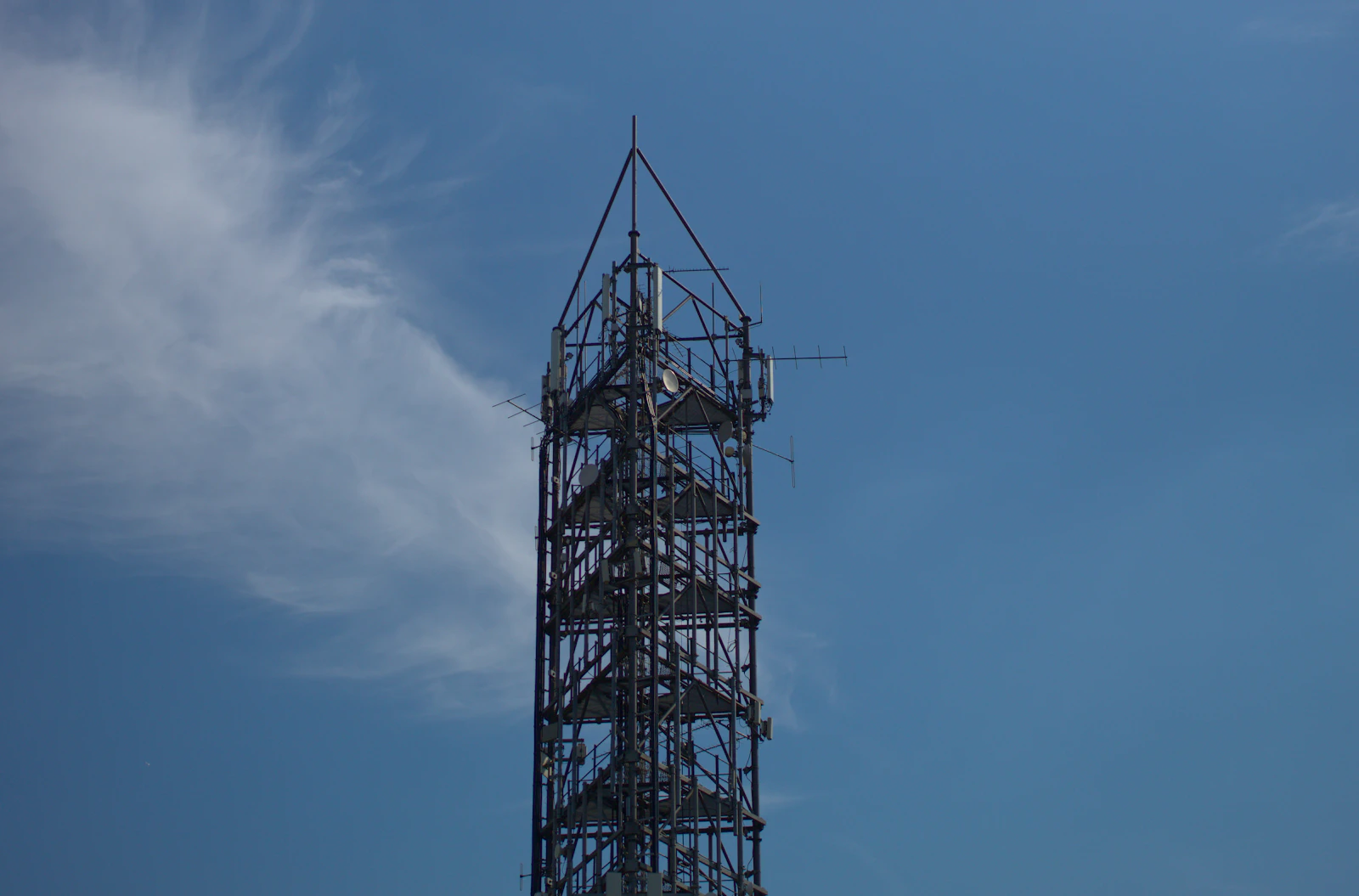
Scaffold Tower Equipment Hire Costs New York 2026
For deck building and exterior carpentry scopes across New York City in 2026, plan scaffold tower equipment hire budgets in the following broad bands (equipment-only, before accessories, delivery, waiver, and chargebacks): $45–$210 per day, $130–$600 per week, and $360–$1,650 per 28-day “monthly” period. The low end generally reflects a single-section or 6 ft rolling tower picked up by the contractor; the high end reflects taller multi-section rolling towers (or higher-capacity packages) plus NYC logistics and risk controls. These ranges are consistent with published metro-area rate sheets for rolling towers (e.g., 6/12/18 ft day-week-month structures) and weekly “per section” tower rentals from North Jersey suppliers that frequently support NYC work, then adjusted upward for borough delivery constraints, parking/handling, and tighter delivery windows.
| Vendor |
Daily Rate |
Weekly Rate |
Review Score |
Website |
| United Rentals |
$165 |
$620 |
9 |
Visit |
| Sunbelt Rentals |
$155 |
$595 |
8 |
Visit |
| Herc Rentals |
$150 |
$575 |
9 |
Visit |
| Taylor Rental (Ridgewood / Hillsdale) |
$96 |
$270 |
6 |
Visit |
| City Ladder // Rental |
$90 |
$250 |
10 |
Visit |
In practice, NYC rental coordinators most often source scaffold towers through a mix of national equipment houses (for account billing and branch support) and specialized ladder/scaffold suppliers (for fast availability and component-level replenishment). Regardless of supplier, the main cost risk on scaffold tower hire in New York is rarely the base weekly rate—it’s the total landed cost once you include delivery constraints, accessories (outriggers/guardrails/toe boards), damage waiver, deposits, and “missing parts” chargebacks at return.
What You Should Budget for a Scaffold Tower on Deck Building Work
Deck building typically needs safe access for ledger fastening, rim joist work, beam/joist installation, and railing/guard fabrication—often at the 6–14 ft working-height band, sometimes higher on sloped sites or rear-yard walkouts. A scaffold tower (rolling or stationary) is usually selected when you need:
- Frequent repositioning along a deck run (vs. a fixed frame scaffold line).
- Material handling at the platform (fasteners, hardware, small tools)—within the tower’s rated capacity and platform loading rules.
- Access over uneven ground where a ladder would require constant reset and creates lower productivity.
From a cost-control perspective, deck building is also where scaffold tower hire can get unintentionally extended: punch-list work, inspections, railing revisions, and return visits can keep a tower “on rent” for an extra 7–14 days. That’s why 2026 estimating should treat scaffold towers like a schedule-sensitive rental, not a commodity tool.
What Drives Scaffold Tower Hire Prices in New York?
When you’re pricing scaffold tower rental rates in NYC for deck work, the supplier’s posted rate is just the starting point. Expect total cost to move based on:
- Tower height and number of sections: 6 ft / 12 ft / 18 ft rolling tower packages ladder up quickly, and multi-section weekly pricing can be quoted by “section.”
- Configuration: narrow (typically ~30 in wide) rolling towers cost less, but may require outriggers sooner; stairwell or cantilever-style packages (when offered) are higher.
- Ground conditions: rear-yard pavers, soft soil, or sloped grades frequently force additional leveling equipment (screw jacks, base plates, mud sills) and/or a switch to stationary frames.
- Access and handling: “carry-in” beyond the curb (through a hallway, down a garden stair, or across a finished interior) is where NYC labor adders show up.
- Compliance and site rules: if any part of the scaffold occupies a sidewalk/street, permitting and agency coordination can become a cost driver (and a schedule risk).
- Duration and off-rent timing: weekly rates are standard; holding beyond the due-in time can trigger additional day charges.
Typical 2026 Rate Bands by Tower Size and Configuration (Without a Table)
The published day/week/month figures below are representative of regional rate sheets for rolling towers (not Manhattan-specific). Use them as anchors, then apply a NYC uplift for delivery/handling and tighter logistics.
- 6 ft rolling scaffold tower (single section): plan $45–$90/day, $130–$260/week, $360–$750/28-days. Regional published anchors show day/week/month pricing around $32 / $90 / $250 for a 6 ft rolling tower, before NYC logistics.
- 12 ft rolling scaffold tower (two sections): plan $90–$150/day, $260–$420/week, $720–$1,150/28-days. Regional published anchors show $64 / $180 / $500 for a 12 ft rolling tower.
- 18 ft rolling scaffold tower (three sections): plan $135–$210/day, $390–$600/week, $1,050–$1,650/28-days. Regional published anchors show $96 / $270 / $750 for an 18 ft rolling tower.
- Weekly “per section” rentals (another common quoting method): budget $175–$350 per week depending on sections and package (e.g., 1-section to 5-section weekly pricing).
Assumption for NYC estimating: if you are delivering into Manhattan below 96th St., or any site with curb-lane constraints and strict building delivery rules, it is normal to carry a +15% to +40% uplift versus a suburban pickup quote, driven by handling time, parking/permits, and failed-delivery risk.
NYC Logistics That Commonly Add Cost
New York is not a “standard delivery” market. Even for a small scaffold tower package, expect the following NYC-specific cost mechanics to show up on quotes and invoices:
- Delivery / pickup base charges: many equipment houses quote a flat each-way plus mileage approach; as a published benchmark, delivery can be structured at $120 each way plus $3.25 per loaded mile. For NYC, planners commonly carry $150–$350 each way once parking time and limited-access handling are included.
- Minimum delivery charge / short-haul minimum: carry $250 minimum when the tower is a “small ticket” but still needs a truck and scheduled window.
- Inside delivery / carry-in labor: carry $85–$160 per hour (2-person crew) with a 2-hour minimum when the tower must be staged in a rear yard via hand carry (common in brownstone and rowhouse work).
- Delivery appointment windows: if your site only accepts 7:00–9:00 AM or 2:00–4:00 PM windows, carry a $75–$150 “time-certain” handling premium or the cost of a failed attempt (varies by supplier and contract).
- After-hours / weekend handling: if you require Saturday delivery to avoid weekday curb restrictions, carry a 10%–20% weekend surcharge, or a flat $150–$300 premium for special routing.
- COI administration: when building management requires a certificate of insurance naming additional insureds, carry a $25–$75 administrative cost internally (time + revisions), even if the vendor doesn’t bill it as a line item.
Hidden-Fee Breakdown
To keep scaffold tower hire costs predictable in NYC, estimate and manage these “non-rate” charges up front:
- Damage waiver / rental protection: commonly budget 8%–15% of the rental subtotal. (If you decline, confirm your policy language and who pays for theft/vandalism.)
- Deposit / credit card authorization: many suppliers require a deposit for rental scaffolding; carry $300–$1,000 depending on quantity and account terms.
- Cleaning fees: if the tower comes back with concrete splatter, stucco, or excessive mud, cleaning can be billed hourly; a published benchmark shows $75 per hour for excessive cleaning. Carry an allowance of $75–$225 per return depending on site conditions.
- Missing components chargebacks: treat these as a real risk on rolling towers (pins, end frames, braces, platforms, guardrail pieces). Carry an allowance of $50–$250 per tower for “end-of-rental reconciliation” on unmanaged jobs.
- Accessory adders (typical weekly): outriggers $20–$45/week; guardrail set $25–$60/week; toe boards $10–$25/week; debris netting $15–$40/week; extra platform/deck $15–$35/week.
- Late return penalties: many contracts specify that once you miss the due-in time, additional days can be billed at the daily rate (even if you were on a weekly rate). Carry at least 1 extra day in the budget if your crew is not dedicated to off-rent coordination.
Budget Worksheet
Use this as a field-ready estimating worksheet (no tables) for scaffold tower equipment hire costs in NYC deck building.
- Base tower rental: ____ ft rolling tower @ $____/week for ____ weeks (carry +7 days schedule float on renovation work).
- Accessories package: outriggers ($____/week), guardrails ($____/week), toe boards ($____/week), extra platform ($____/week), debris netting ($____/week).
- Delivery & pickup: $____ each way (carry 2-way) + mileage allowance (e.g., ____ miles @ $____/mile). Use $120 each way + $3.25/loaded mile as a published reference point, then apply NYC uplift.
- Inside handling / carry-in: ____ hrs @ $____/hr (include rear-yard hand-carry risk).
- Damage waiver / protection: ____% of rental subtotal (carry 10% if unknown).
- Cleaning allowance: $____ (carry at least 1 hour @ $75/hr as a benchmark when deck work includes mortar/concrete or heavy mud).
- Loss/missing parts allowance: $____ per tower (especially if multiple subs will access the scaffold).
- Contingency for failed delivery / re-delivery: $____ (NYC appointment windows are a common failure point).
Example: Brooklyn Rear-Yard Deck Rebuild Using a 12 ft Rolling Tower
Scenario: Rear-yard deck rebuild in Brooklyn with a 10 ft ceiling line at the parlor level. The crew needs consistent access for ledger fastening, joist hangers, and railing posts across a 24 ft run. The only access is through a shared hallway and down 6 exterior steps to the yard—so curbside drop is not sufficient.
Planned equipment hire: 12 ft rolling scaffold tower for 3 weeks.
- Tower rental: budget $360/week × 3 weeks = $1,080 (NYC-planning mid-band).
- Accessories: outriggers $30/week × 3 = $90; guardrails $40/week × 3 = $120; toe boards $15/week × 3 = $45; debris netting $25/week × 3 = $75.
- Delivery & pickup: $250 each way × 2 = $500 (carrying NYC curb/parking time).
- Carry-in handling: 2-person crew 2 hours at $130/hr = $260.
- Damage waiver: 10% of ($1,080 + $330 accessories) = $141.
- Cleaning allowance: $75 (1 hour benchmark).
Expected equipment hire total (pre-tax, excluding refundable deposit): $1,080 + $330 + $500 + $260 + $141 + $75 = $2,386. Add a $500 refundable deposit cash-flow hold and a $200 schedule contingency if the final inspection/punch list may extend beyond week 3.
Operational constraints that changed the cost: (1) inside carry-in vs curb drop; (2) delivery window coordination; (3) accessory package required for safe use on uneven pavers; (4) cleaning/mud exposure risk from rear-yard access.
How Rental Terms Affect Total Cost (Off-Rent, Weekends, Overage)
In NYC, scaffold tower rental management is mostly about controlling time. Two contract behaviors matter most:
- Due-in time and late returns: many rental contracts state that if equipment is held beyond the stated “due in” date/time, additional time can be billed at the daily rate (even when you were on a weekly rate). From a planning standpoint, build an internal process to schedule pickup 24–48 hours before the due-in cutoff so traffic, building access issues, and crew availability don’t create an extra day charge.
- “Monthly” billing is often 28 days: rental houses commonly treat month as a 4-week/28-day period. Confirm whether day 29 flips to daily, weekly, or prorated monthly.
Estimator note: If your deck building scope is weather-sensitive (common on NYC rooftops and rear yards), it can be cheaper to book a 4-week rate instead of stacking weeks—but only if you can control accessories, delivery, and chargebacks. If not, the longer duration increases the probability of damage and missing parts.
Compliance and Permitting Notes for New York City
Most scaffold towers used for deck building are mobile supported scaffolds placed on private property. Two NYC-specific checks still matter:
- Permit thresholds: NYC references permit exemptions for certain supported scaffolds under specific height and loading thresholds (for example, under 40 ft and not designed to be loaded over 75 psf in certain cases). Confirm applicability to your job conditions and scaffold type before assuming “no permit.”
- Public way encroachment: if any scaffold/tower staging, loading, or protection occupies a sidewalk or street, NYC indicates that installations on the public way require permitting/approvals (including DOT and potentially other utilities/agencies depending on location). This can add both direct cost and schedule float to your equipment hire plan.
Practical impact on hire costs: even when no DOB permit is needed, building management rules (COI wording, delivery hours, elevator reservations, floor protection) can add labor hours that effectively increase the landed cost of the scaffold tower rental.
Damage, Loss, and Return-Condition Costs
Scaffold towers are component-heavy. Your biggest closeout risk is not “damage to the tower,” it’s missing parts after three weeks of multiple trades using the platform.
- Damage waiver is not the same as insurance: rental protection programs typically include exclusions and conditions (for example, exclusions tied to misuse, overloading, or incidents during transport/handling). Make sure your field team understands what behaviors trigger chargebacks.
- Cleaning: if the tower returns with mud, concrete, or adhesive residue, cleaning may be billed hourly; a published benchmark for excessive cleaning is $75/hr. If you’re doing deck footings or post bases with concrete on the same job, carry a higher cleaning allowance.
- Documentation at return: require photos of the returned components (platforms, guardrails, casters, pins) and a signed return condition slip. This is one of the few administrative steps that directly reduces equipment hire cost volatility.
Operational Controls That Reduce NYC Scaffold Tower Hire Spend
- Standardize an “accessory kit” per tower: pin kit + 4 casters + 4 outriggers + guardrails + toe boards. In NYC, missing toe boards and pins are among the most frequent chargebacks because they are small and get separated in transit.
- Off-rent rules: confirm whether off-rent starts when the truck is scheduled, when the tower is picked up, or when it is checked-in and scanned. Build that rule into your pickup requests.
- Weekend/holiday billing: if your supplier bills Saturday/Sunday as full days when a tower is still on rent, schedule return pickups by Friday noon where possible to avoid paying for a weekend you didn’t work.
- Site cleanliness requirement: set an internal standard: tower must be pressure-washed or wiped down before pickup when the job includes mud/concrete. Cleaning on your site is usually cheaper than rental-house cleaning chargebacks.
- Indoor dust-control (when staging through interiors): if the tower must pass through finished common areas, budget floor protection and a “no-rubber-marks” wipe-down to avoid building claims that can exceed the rental cost.
Rental Order Checklist
Use this checklist to prevent avoidable re-deliveries, late fees, and accessory chargebacks on scaffold tower equipment hire in NYC.
- PO and billing: PO number, jobsite address (borough + ZIP), tax status (if applicable), requested billing cycle (weekly vs 28-day).
- Scope confirmation: required platform height, working height target, tower type (rolling vs stationary), indoor/outdoor use, and whether outriggers/guardrails/toe boards are mandatory.
- Delivery planning: delivery date/time window; curb-lane staging plan; building access plan (keys, super contact, elevator reservation); inside carry distance; stair flights; after-hours requirements.
- Insurance/COI: COI with additional insureds as required; confirm waiver vs self-insured approach; confirm who signs the rental agreement.
- On-site receiving: receiver name/phone; count components at drop (frames, braces, platforms, casters, guardrails, toe boards, pins); photo documentation.
- Use controls: tag the tower to a foreman; prohibit loaning components to other subs; keep pins in a labeled container.
- Return requirements: confirm due-in date/time; schedule pickup 1–2 business days early; clean tower; verify all accessories present; take photos at pickup; obtain signed pickup/return slip.
When It’s Cheaper to Hire a Scaffold Tower vs. Switching to a Lift
For deck building in NYC, the cost crossover usually comes down to: (1) ground conditions; (2) reposition frequency; (3) delivery constraints; and (4) how many days you truly need access.
As a quick reference, some regional rate sheets show a 19 ft scissor lift day/week/month around $175 / $450 / $900 (equipment-only) versus rolling tower packages that can be significantly lower per week—but the tower often needs accessories and more labor to move safely on uneven yards. Use lift pricing only as a sense-check when your scaffold tower plan is reaching the high end of the range due to handling and schedule extension.
Procurement Notes for Multi-Deck Programs and Repeat Work
If you manage repeat deck scopes (multi-site maintenance programs, similar brownstone rear-yard decks, or phased railing replacements), scaffold tower equipment hire costs can be reduced with process rather than negotiation:
- Bundle deliveries: schedule multiple small-tool deliveries on the same truck run to reduce per-order minimums.
- Standardize tower sizes: choose one “standard” rolling tower height package (often 12 ft) and only upgrade to 18 ft on confirmed need; this reduces accessory mismatch and missing parts.
- Track utilization weekly: if towers sit idle more than 3 days in a week, coordinate off-rent and re-rent when the next phase starts.
- Pre-approve accessory kits: lock in outriggers/guardrails/toe boards so field teams don’t “make do” and trigger safety stoppages or re-deliveries.
Bottom line: in New York City, scaffold tower hire is cost-effective for deck building when you actively manage delivery logistics, accessories, and off-rent timing. Without those controls, the final invoice can run 1.5× to 2.5× the base weekly rate once delivery, waiver, handling, cleaning, and reconciliation are included.