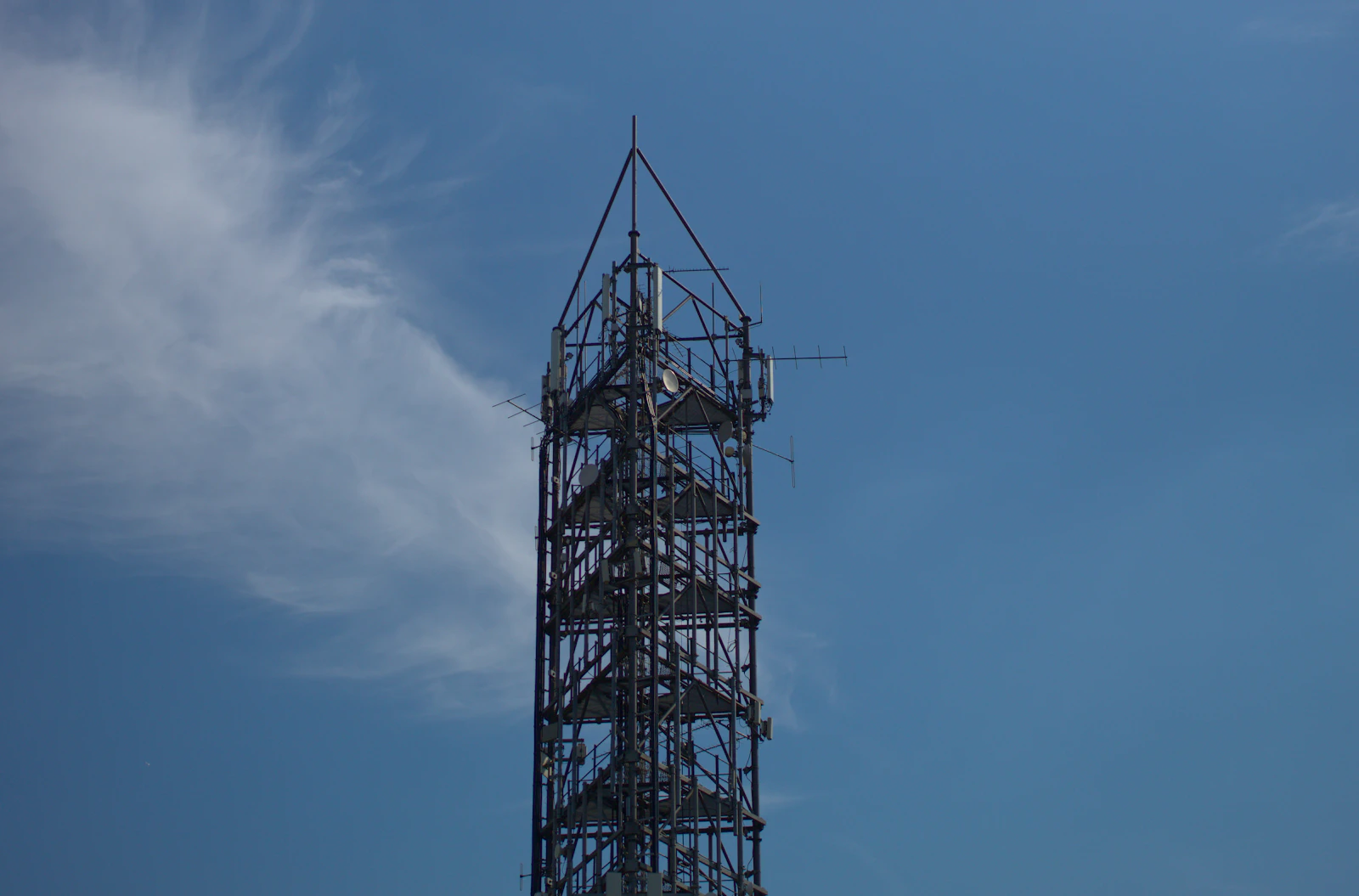
Scaffold Tower Rental Rates Phoenix 2026
For Phoenix drywall installation crews planning 2026 work, scaffold tower equipment hire typically pencils out in two common pricing bands: (1) a single-section “Baker-style” rolling scaffold (about 6 ft frame height, 30 in wide) at roughly $25–$65/day, $90–$225/week, and $250–$650/month for pick-up and return; and (2) a multi-tier indoor rolling scaffold tower (commonly 2–3 tiers, with guardrails/outriggers as required) at roughly $90–$160/day, $250–$650/week, and $700–$1,900/month depending on platform height, decking, and accessories. National rental houses and scaffold specialists (for example, United Rentals/Sunbelt plus local scaffold yards) can quote either “pieces & parts” or a ready-to-roll indoor tower package; in Phoenix, specialty scaffold providers may enforce longer minimums (e.g., a 14-day minimum) which changes the effective hire cost on short-duration interior scopes.
| Vendor |
Daily Rate |
Weekly Rate |
Review Score |
Website |
| United Rentals |
$145 |
$435 |
9 |
Visit |
| Sunbelt Rentals |
$150 |
$450 |
9 |
Visit |
| Herc Rentals |
$140 |
$420 |
8 |
Visit |
| The Home Depot Tool Rental |
$85 |
$255 |
8 |
Visit |
| BigRentz |
$130 |
$390 |
8 |
Visit |
What Actually Drives Scaffold Tower Equipment Hire Cost on Phoenix Drywall Jobs?
Drywall installation is a high-mobility, high-contact access scope. Your scaffold tower hire cost is rarely just the day rate; it’s the configuration and the jobsite constraints that decide whether you pay for “one rolling tower for a week” or “a pile of parts for a month” (plus delivery, cleaning, and replacement components).
1) Tower configuration (single-section vs. 2–3 tier indoor tower)
A single-section Baker scaffold can be cost-effective for 8–10 ft ceilings and corridor work where you’re constantly repositioning. Publicly posted rates for a 6 ft Baker scaffold show wide dispersion (for example, $20/day and $80/week in one posted rental schedule, versus $35/day on another posted schedule).
For foyers, great rooms, and stairwell returns common in Phoenix TI and high-ceiling residential, a 2–3 tier indoor rolling scaffold tower (often targeting ~12–18 ft standing platform, ~18–24 ft working reach) usually reduces ladder moves and improves production—but the hire cost rises with every tier and every required stability component.
2) Height, duty rating, and what “complete” means
When you’re comparing quotes, confirm whether the scaffold tower hire includes:
- Platform decking (one deck vs. two decks; trap-door deck often priced higher for indoor towers).
- Guardrails (top rails/mid rails) and toe boards (often mandatory in commercial interiors).
- Outriggers/stabilizers (commonly required once you stack above a baseline height; some posted product info explicitly states outriggers are required above 6 ft and are an extra fee).
- Non-marking casters for finished floors and “no black scuff” requirements.
- Leveling jacks/base plates if you’re spanning transitions (slab-to-VCT, slab-to-carpet, thresholds).
If any of those are “optional,” treat them as cost adders rather than nice-to-haves—especially on drywall scopes where you need both hands free and you will be moving the tower frequently.
3) Rental duration mechanics (day vs. week vs. minimum term)
Scaffold towers follow the usual rental ratio logic (weekly is often priced at roughly 3–4x a day rate; monthly is the best $/day). The complication in Phoenix is that some scaffold-specialist providers may quote a daily rate but enforce a 14-day minimum rental duration, which can make “three days of work” bill like “two weeks of hire” unless you have other phases ready to keep the tower utilized.
Hidden-Fee Breakdown for Scaffold Tower Equipment Hire
Use this as a planning checklist for Phoenix scaffold tower rental on drywall installation. These are common adders that often exceed the tower day rate on small scopes; confirm each item on the quote and on the rental contract.
Delivery / pick-up (flat vs. mileage) and site access
- Typical metro delivery & pickup budget: $85–$175 each way within a local radius (often 10–20 miles), then $3–$6 per loaded mile beyond that (plan higher for time-restricted urban deliveries).
- Minimum freight charge: commonly $150–$250 even for light towers, because the truck/driver has a minimum dispatch.
- Inside delivery / placement: add $75–$200 if the site requires carting through long corridors, badging, or elevator coordination.
- After-hours / restricted window delivery: add $150–$350 when the GC only allows moves before 7:00 AM, after 3:00 PM, or during night shifts.
Damage waiver / rental protection plan and deposits
- Damage waiver: plan 10%–17% of rental charges as a line-item adder; some published rate sheets show 15%.
- Security deposit / credit card hold: can range from $200–$1,000+ depending on account status and tower size; a Phoenix-area listing example shows a $1,000 refundable deposit for an 18 ft rolling scaffold tower. (g
- Lost/missing components: missing braces, pins, rails, or casters are typically billed at replacement cost, not “rental value.” For estimating, carry allowances like $25–$60 per missing rail set and $35–$90 per caster (confirm actual replacement pricing per vendor).
Cleaning fees (drywall dust is a real cost)
- Cleaning fee: plan $25–$150 depending on vendor and condition; one Phoenix listing states a cleaning fee up to $100 if returned excessively dirty. (g
- Drywall compound contamination: if mud/texture is allowed to harden on decks/casters, expect cleaning labor to be charged and/or parts replaced (casters are the most common hit).
Late returns, off-rent cutoffs, and weekend billing
- Late fee: budget $25–$75/day when equipment is retained beyond the due time; one Phoenix example cites $50 per day late fee. (g
- Off-rent rule: many branches require off-rent called in by early afternoon (commonly 12:00–2:00 PM) to stop billing next day; missing the cutoff can add 1 extra day of hire.
- Weekend rate mechanics: many tool-rental programs treat Friday PM pickup to Monday AM return as a “weekend” charge (often near 1 day or 2 days depending on policy). If your drywall crew wants weekend access, price it explicitly to avoid surprise billing.
Accessories and adders that matter on drywall installation
- Outriggers/stabilizers: commonly $10–$25/day or $25–$60/week (and may be mandatory above a set height).
- Guardrail package: plan $8–$20/day depending on kit and height.
- Toe boards: plan $6–$15/day for commercial interiors with overhead trades below.
- Non-marking casters: plan $5–$15/day uplift where finished floors are in place or where the tenant requires “no rubber marks.”
- Extra deck/trap-door deck: plan $10–$30/day if you need a second working level or safer internal access.
Phoenix-Specific Cost Notes for Drywall Installation
Local conditions in Phoenix change real scaffold tower hire costs in ways that don’t show up on a rate card:
- Sprawl and drive time: Phoenix metro deliveries can easily run long distances across the Valley; mileage-based freight and “minimum dispatch” charges show up more often on small scaffold tower orders. If the jobsite is in far North Phoenix/Anthem, West Valley, or Southeast Valley, verify whether the vendor uses a standard radius or per-mile freight.
- Heat and schedule compression: in peak summer, many drywall crews shift earlier; if you need delivery before normal counter hours, budget for restricted-window freight (often $150–$350 extra, depending on vendor policy and staffing).
- Dust-control expectations: interior drywall sanding generates fine dust that clogs caster bearings and grinds into deck surfaces; if you don’t wrap casters or use floor protection, expect higher cleaning charges (plan $25–$150) and a greater risk of replacement parts back-charged.
Budget Worksheet (Scaffold Tower Equipment Hire)
Use these line items (no tables) to build an estimator-friendly allowance for Phoenix scaffold tower rental for drywall installation.
- Base scaffold tower hire (2–3 tier indoor rolling tower): $90–$160/day, or $250–$650/week, or $700–$1,900/month (choose term based on schedule certainty).
- Accessories package allowance (rails + outriggers + toe boards): $25–$85/day combined (or $75–$250/week combined), depending on how complete the “tower package” is.
- Delivery + pickup: $170–$350 round trip (higher with mileage beyond local radius) plus $0–$200 for inside placement.
- Damage waiver: 10%–17% of rental charges (carry 15% as a planning plug if unspecified).
- Deposit / hold (cash flow impact): $200–$1,000 refundable (carry $1,000 if renting a tall rolling tower without an established account). (g
- Cleaning fee contingency: $25–$150 (carry $100 if heavy sanding/texture is expected). (g
- Late return contingency: $25–$75/day (carry $50/day if you routinely roll returns to next morning). (g
- Replacement/missing parts contingency: $150–$400 per event (casters, braces, pins, rails) based on jobsite control risk.
Rental Order Checklist for Scaffold Tower Hire
- PO and billing: confirm project/phase coding; confirm whether damage waiver is mandatory or optional and what percentage applies (e.g., 15%).
- Delivery requirements: ship-to address with gate code; delivery contact name and mobile; staging location; dock/elevator rules; acceptable delivery window; “must call 30 minutes out.”
- Site constraints: floor type and protection requirements; maximum wheel load if over raised floors; door widths (30 in tower frames often fit, but loaded carts may not).
- Safety/compliance: confirm guardrail/toe board requirements; confirm that a competent person inspection is in place each shift (document it even on interior towers).
- Off-rent and return: off-rent cutoff time; who schedules pickup; required return condition (no hardened mud); photo documentation at pickup and return; confirm if weekend holds bill as extra days.
- Minimum term: confirm any minimum rental duration (some Phoenix scaffold providers state a 14-day minimum) and align your schedule so the tower stays utilized.
Example: Phoenix Drywall Installation Using a 3-Tier Indoor Rolling Scaffold Tower
Scenario: Tenant improvement in central Phoenix with a 20 ft lobby ceiling and 12 ft corridors. Drywall scope requires 6 working days in the lobby plus 4 working days in corridors. GC allows deliveries only 6:00–7:00 AM, and the building has polished concrete that must not be marked.
- 3-tier indoor rolling tower hire: budget $125/day x 10 working days = $1,250 (or choose a week rate if it’s cheaper; confirm).
- Non-marking caster upgrade: budget $10/day x 10 = $100.
- Outriggers + guardrails: budget $30/day x 10 = $300 (if not included).
- Restricted window delivery/pickup: budget $250 round trip (early-hour dispatch).
- Damage waiver: budget 15% of rental charges (e.g., 0.15 x $1,250 = $188).
- Cleaning fee allowance: budget $100 (drywall dust and mud on decks/casters).
- Total planning number (before tax): about $2,238 for the scaffold tower equipment hire package, assuming no late fees and no missing parts.
Operational constraint that changes cost: If you miss the off-rent cutoff and the vendor bills an extra day at $125, plus a $50/day late fee policy, that’s $175 of avoidable cost on a single return event. (g
Rent Vs. Buy Snapshot for Scaffold Tower Access (Drywall)
If your drywall crews use an indoor tower sporadically (punch phases, occasional high lids), rental often wins—especially after you add storage, transport, inspections, and missing-part management. As a rule of thumb, utilization below roughly 12–14 days per month often favors renting rather than owning (confirm with your internal fleet costing).
How to Reduce Scaffold Tower Equipment Hire Cost Without Cutting Safety
Most cost overruns on scaffold tower hire for drywall installation come from (a) mismatched rental term to real schedule, (b) preventable freight and handling charges, and (c) condition-related back charges (cleaning, missing parts). The following controls are designed for rental coordinators and project managers running Phoenix-area interiors.
Lock the right rental term to the real float (not the baseline schedule)
- When schedule is uncertain (inspections, above-ceiling conflicts): price a weekly term from day one to avoid “day rate creep.” A 10-day interior drywall scope is often cheaper as 2 weeks than as 10 dailies, even if the crew only works 8 of those days.
- When the site is stable (clear areas, predictable sequence): price a monthly term to cover taping/sanding/prime touch-ups. If you have 3+ mobilizations, a monthly can be cheaper than repeated weekly resets plus freight.
- Watch minimum terms: if a scaffold provider enforces a 14-day minimum, treat it as your baseline and schedule work to keep the tower in use across phases (framing punch, hang, tape, paint touch-up).
Control freight by bundling and by staging
Freight is the most common “surprise” on small scaffold tower orders. To reduce it:
- Bundle accessories into the first delivery: avoid a second dispatch just for toe boards or outriggers (a second mobilization can easily add $150–$250 minimum charge).
- Stage at a controllable location: if the tower can be staged in a lockable room, you reduce loss/theft and reduce the risk of needing replacement parts mid-rental.
- Choose will-call pickup when viable: for small Baker scaffolds, pickup can eliminate $170–$350 round-trip freight (but confirm your truck/trailer capability and load securement).
Documentation Practices That Prevent Back Charges
Scaffold towers are component-heavy. Missing a few pins or braces can wipe out the savings between two quotes. Build these controls into your rental process:
- Count components at drop-off: record rails, braces, decks, caster sets, pins. If you’re renting “pieces & parts,” assign one foreman to own the kit inventory.
- Photo the condition on arrival and on load-out: focus on decks, caster condition, and rail sets.
- Bag small parts: pins/clips/locks should live in a labeled bag tied to the tower, not in a gang box where they disappear.
- Return condition: remove drywall mud splatter before it cures; a $25–$150 cleaning fee is common, and Phoenix listings cite up to $100 for excessive dirt.
Drywall-Driven Access Choices That Change Your Hire Cost
Rolling tower vs. multiple Bakers
For corridors and repetitive 9–12 ft ceilings, renting two Baker scaffolds can sometimes beat one tall tower because you eliminate reconfigurations and reduce tip risk around door thresholds. Using posted Baker rates as context, you may see $20/day units in some programs; however, ensure you include the accessory needs (rails, stabilizers) for your safety plan and confirm whether the posted rates are daily/weekly/monthly as stated.
Trap-door deck vs. climbing the frame
A trap-door deck (internal access) often costs more, but it can reduce labor and reduce the chance of damage claims (bent rails, dented frames). For estimating, carry a trap-door uplift of $10–$30/day when your crews will be moving levels frequently (soffits, bulkheads, high returns).
Risk and Insurance Cost Items to Confirm on Every Quote
- Damage waiver percentage: commonly budget 10%–17%; published rate sheets may show 15%.
- Security deposit: carry $200–$1,000 depending on account and tower height; Phoenix-area tower listings show $1,000 deposit levels. (g
- Late fees: carry $25–$75/day; Phoenix example shows $50/day. (g
- Cleaning: carry $25–$150 (or up to $100 on some local terms) tied to drywall dust/mud control. (g
Practical Cost Controls for Phoenix Interior Jobs
- Use floor protection to protect casters and finish: budget $40–$120 for protection materials on small TI work; it is typically cheaper than replacing scuffed casters and paying cleaning labor.
- Set a return appointment: avoid an extra billed day by scheduling pickup and ensuring the tower is staged at the dock by a specific time (commonly before 2:00 PM).
- Keep the tower “in one trade’s custody”: towers that float between drywall, paint, and electrical are the towers that come back missing rails and pins.
- Match tower width to doorways: a 30 in-wide tower is standard, but guardrails/out-riggers can create clearance problems; if the crew keeps removing/reinstalling, plan extra accessory rentals (and more damage risk).
When Scaffold Tower Hire Stops Making Sense (and What to Do)
If your quote is pushing toward the top of the monthly range (for example, sustained rentals near $1,900/month plus high freight), it can be a signal that (a) you should move to a monthly term, (b) you need multiple smaller units rather than one tall tower, or (c) access method should change (e.g., a compact electric scissor lift where allowed). Keep this decision cost-driven: compare total hire plus freight plus cleaning/waiver—then choose the method that minimizes total installed drywall cost while staying within site rules.
Key takeaway for 2026 planning: In Phoenix drywall installation, scaffold tower equipment hire is usually manageable when you control freight, term selection, and return condition. The fastest savings typically come from preventing a single avoidable event: one missed off-rent cutoff (1 extra day), one cleaning charge, or one missing-rail back charge can easily add $150–$400+ to a small rental—often more than negotiating $5–$10/day off the base rate.