

Create an itemized estimate for your project, with materials, labor, and quantities you can review and edit.
Create my estimateStart a 7-day free trial. Sign up, then enter your project details.
For deck building and exterior trim access in Portland, a scaffold tower equipment hire plan in 2026 typically budgets in the range of $75–$160/day, $250–$550/week, and $650–$1,400/month for a rolling (mobile) scaffold tower package sized for one crew (tower frames, platform(s), guardrail set, and casters). Published “street” rates in the Portland metro still show meaningful spread depending on tower height and inclusions—for example, some local listings advertise around $95/day and $300/week for a tower bundle, while smaller/shorter tower components can price substantially lower. National providers (and their local branches) such as United Rentals and Sunbelt also support scaffold tower hire and broader scaffolding solutions; for rental coordinators, the real cost delta is usually driven by delivery logistics, assembly/handing labor, damage waiver, and off-rent rules rather than the base day rate alone.
| Vendor | Daily Rate | Weekly Rate | Review Score | Website |
|---|---|---|---|---|
| Portland Rent All | $30 | $90 | 8 | Visit |
| Don’s Rental & The Party Peddler | $20 | $80 | 9 | Visit |
| Sunbelt Rentals | $125 | $500 | 9 | Visit |
| United Rentals | $125 | $500 | 9 | Visit |
| Herc Rentals (Portland ProSolutions) | $125 | $500 | 9 | Visit |
Assumptions behind the 2026 planning ranges: pricing reflects a Portland-area rolling scaffold tower used for deck building (moderate mud/wood-dust exposure, exterior conditions), typical rental industry 1-day/1-week/4-week rate structure, and a realistic chance of add-on costs (delivery, waiver, cleaning). Do not treat this as an exact quote; confirm current branch pricing, availability, and minimum charges on the dates you need.
Scaffold tower equipment hire costs move fast when scope changes. For deck building, access height is often “just a few feet higher” than expected, but that can force an additional frame set, outriggers, or a second platform level to maintain safe work positioning. Expect price movement from: (1) working platform height (more frame sections, braces, guardrails), (2) base size (e.g., narrow indoor-style tower vs. wider base for exterior stability), (3) stability accessories for uneven yards/slopes (leveling jacks, base plates, outriggers), and (4) logistics—tight Portland delivery access, limited staging space, and rainy-season ground protection.
In Portland proper, urban-core deliveries often carry higher handling time because of narrow driveways, alley access, bridge congestion, and limited curb space. A practical planning allowance many coordinators carry is a 10–20 mile “standard” delivery radius before mileage surcharges start, but confirm your supplier’s policy. If you’re staging near high-traffic corridors or dense neighborhoods, plan for a defined delivery window and ask the branch about “call-ahead” requirements (commonly 30–60 minutes) to avoid a failed delivery fee.
Use these as estimating brackets for scaffold tower equipment hire (Portland, 2026). Your exact package will depend on deck elevation, railing height, and whether you need continuous access along a run or just a work bay.
Estimator note: if your supplier quotes “scaffolding” instead of “tower,” you may be getting a component-based scaffold package rather than a single rolling tower kit. That can be correct for wraparound deck work, but it changes how returns, missing parts, and labor are billed.
Most scaffold tower hire overruns are not caused by the day rate—they’re caused by the rules around delivery/handling, loss/damage, and return condition. In Portland, the following cost items are common enough to carry as explicit allowances:
Off-rent rules: Many branches require off-rent notice before a daily cut-off to stop billing the next day. If you call off-rent after cut-off, you may pay an extra day even if the tower is idle. Build a process: superintendent confirms last-use time, rental coordinator calls off-rent, and photos are taken of the stacked/ready condition for dispute prevention.
Weekend and “closed Sunday” billing: Some rental counters are closed Sundays; depending on your contract, you might get weekend-friendly billing or you might not. If your deck build schedule is Saturday-heavy, confirm whether a Saturday pickup/ Monday return is billed as 1 day, 2 days, or a weekend rate. Do not assume.
Return condition documentation: For rolling scaffold towers, missing small components is the #1 cost leak. Require a return photo set: (1) whole kit stacked, (2) casters visible, (3) platforms/guardrails present, (4) serial/asset labels, and (5) any damage close-ups.
Weather and ground protection: Portland rain increases mud transfer and cleanup time; plan ground protection (plywood mats) to avoid wheel bogging and to reduce cleaning fees. On sloped lots (West Hills / terraced yards), expect extra time and potentially outriggers/leveling gear to maintain stability and compliance.
Scaffold towers are not “just a tool rental”—they’re a work-at-height system. If you need vendor-supported design/erection for more complex scaffolding, national providers explicitly offer scaffold services beyond simple equipment rental. Even when you’re only hiring a rolling tower, your internal cost can increase due to required inspections and competent-person oversight. United Rentals’ scaffolding guidance highlights inspection expectations (e.g., competent person inspections and periodic/weekly inspection concepts depending on context). Budget superintendent/foreman time accordingly—especially if the tower is moved daily or reconfigured as the deck build progresses.
Example scenario (real constraints): A crew is building a two-level deck addition in SE Portland. The work needs a rolling scaffold tower to install ledger flashing, rim-board trim, and guardrail posts, with a safe platform height around 8–12 ft and frequent repositioning along a 28 ft run. The site has a narrow driveway; delivery must occur between 7:00–9:00 AM to avoid school traffic and blocked access.
Planning total (example): $900 + $108 + $300 + $75 + $60 + $75 + $120 = $1,638 projected scaffold tower equipment hire cost for the 2-week deck building window. The estimator takeaway: the “extras” ($738) are almost as material as the base rent ($900), so they should be carried on the PO as explicit allowances, not hidden in contingency.
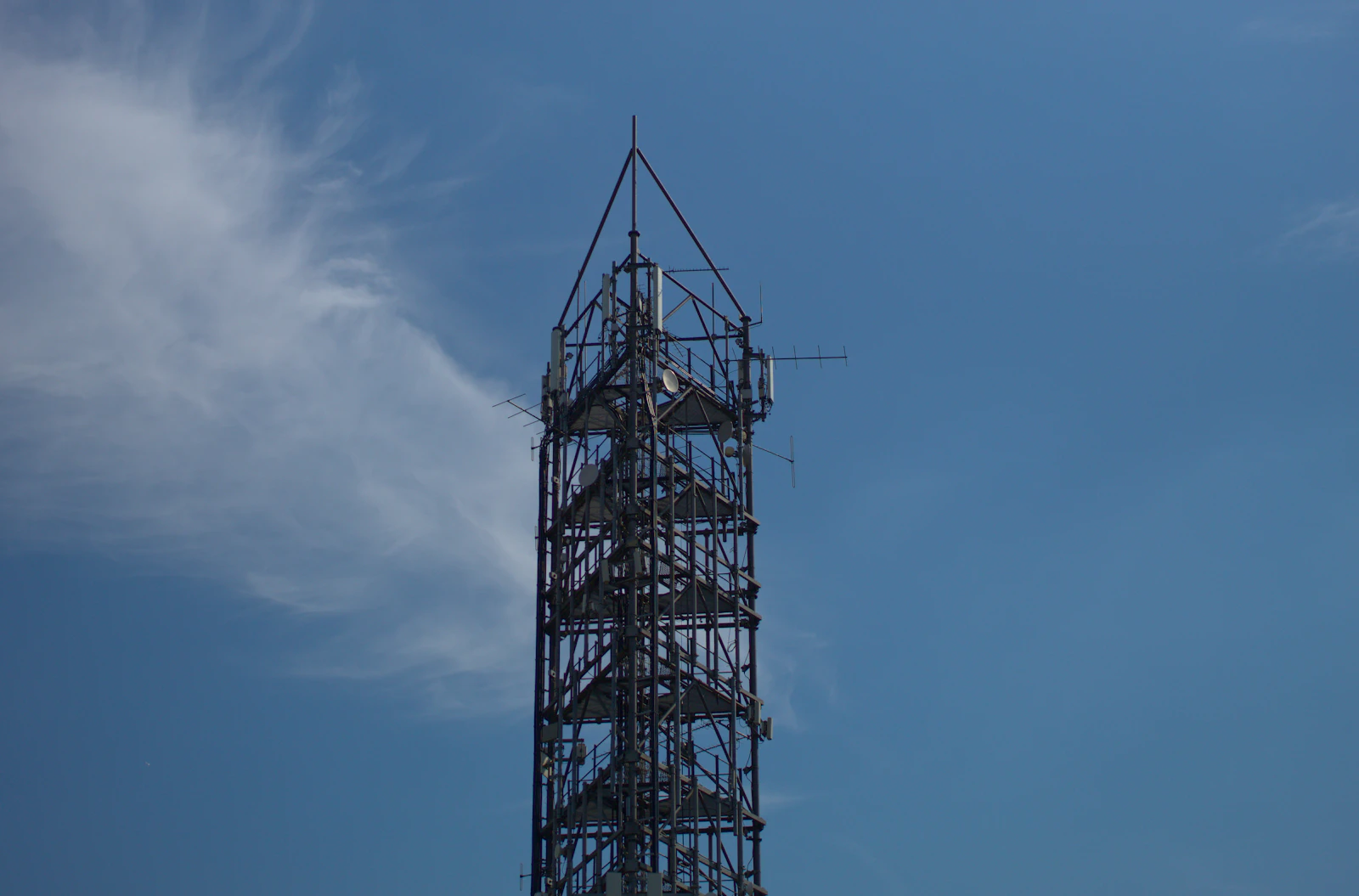
To keep scaffold tower equipment hire costs predictable on Portland deck building work, treat the rental like a small logistics project. First, define the tower configuration you actually need: working deck height, guardrail requirement, toe boards (if required by your safety plan), and whether you need outriggers or leveling. Second, define the delivery constraints: who receives it, exactly where it is dropped, and what the access limitations are (gate width, slope, surface). Third, define return conditions and internal controls so you don’t pay for missing parts.
Practical negotiating levers (non-promotional, procurement-focused): (1) ask for a 4-week rate cap even if you expect 5–6 weeks (many suppliers will hold a monthly cap after 4 weeks, but not always); (2) request a written waiver rate (e.g., 10%–12%) and confirm whether it applies to delivery; (3) confirm cut-off times for off-rent (commonly 2:00–4:00 PM); and (4) ask whether tower reconfiguration swaps (adding a level, swapping platform length) can be done as an exchange without restarting minimum billing.
Use this as a job-ready estimating artifact for a Portland deck build. Adjust quantities to your height and duration.
Rain-season productivity impacts: wet decks and muddy yards don’t just slow carpentry—they increase cleanup time and may trigger cleaning charges. If you expect persistent rain, pre-authorize a cleaning allowance (e.g., $75) rather than fighting an invoice later.
Hills and uneven sites: sloped lots common in parts of Portland can require stabilizers and extra set-up time. If you anticipate leveling challenges, carry an accessory allowance of $25–$60/week for outriggers/leveling gear (confirm availability) plus internal labor.
Urban access and parking: if the delivery requires a tight timed slot, flag it early. A single missed delivery can burn $95–$180 and push the crew into ladder work (which can cascade into schedule and safety impacts).
If your deck build requires continuous access along a long façade, repeated repositioning of a rolling tower can add labor and create soft costs. In those cases, a broader scaffolding package (or a different access method) may be more cost-effective even if the equipment line item is higher. National providers explicitly position scaffolding solutions and services (including design/erection/dismantle) for larger or more complex access needs; consider that route if your “tower” request is turning into a multi-bay scaffold scope.
Bottom line for 2026 estimating: price the scaffold tower hire with a clear base rate range, then deliberately add Portland-realistic allowances for delivery logistics, waiver, cleaning, and holdover. That approach prevents the most common tower-rental surprise: a “reasonable” weekly rate that still produces an uncomfortable final invoice.
