

Create an itemized estimate for your project, with materials, labor, and quantities you can review and edit.
Create my estimateStart a 7-day free trial. Sign up, then enter your project details.
For Portland, Oregon siding installation crews budgeting scaffold tower equipment hire in 2026, plan on $95–$150/day, $300–$500/week, and $850–$1,400 per 28-day month for a complete rolling scaffold tower package when you need working heights roughly in the 12–27 ft range, inclusive of basic platforms and required stability accessories. Advertised Portland-area examples include a self-serve scaffold tower package at $95/day and $300/week, while other Portland-metro rental catalogs show smaller rolling scaffold sections priced separately (useful for custom tower builds). Many contractors source towers through national lessors (for credit terms and logistics) or local scaffold specialists (for turnkey packages and fast swaps), but the true “hire cost” usually moves more from delivery windows, protection plan fees, and component shortages than from the base day rate.
| Vendor | Daily Rate | Weekly Rate | Review Score | Website |
|---|---|---|---|---|
| United Rentals | $135 | $520 | 9 | Visit |
| Sunbelt Rentals | $130 | $500 | 9 | Visit |
| Herc Rentals (ProSolutions - Portland) | $125 | $480 | 9 | Visit |
| Star Rentals (Portland, OR) | $110 | $420 | 9 | Visit |
| The Home Depot Tool Rental (Portland metro) | $99 | $395 | 8 | Visit |
The market in Portland commonly splits scaffold tower equipment hire into (1) a tower package (frames, platforms, casters, outriggers, rails) priced as one item, or (2) a piece-rate build (base section + additional frames + braces + planks + rails), which can look cheaper until you count every accessory required for OSHA-compliant use and jobsite stability.
2026 planning ranges (Portland metro) for siding installation:
Assumptions behind the ranges: (a) “Monthly” is frequently billed as a 28-day period in national lessor rate structures, not a calendar month; (b) rates shown are equipment-only unless you add delivery, erection, or containment; (c) pricing varies by footprint (single vs double-wide), duty rating, and included safety rails.
For siding installation, a rentable “scaffold tower” should be treated as a kit, not a single line item. One Portland package example lists frames, multiple aluminum platform planks, wheels, screw-leveling feet, outriggers, a guardrail kit, and cross braces—exactly the components that prevent costly mid-job add-ons and re-deliveries.
If you are pricing by components (common when you need custom heights or tight access), public rate sheets show how quickly piece-rates add up: a rolling scaffold base can be priced around $28/day or $74/week, while walkboards and braces may be separate daily/weekly charges. The labor to track, count, and return every part is an indirect cost that belongs in your hire plan for multi-elevation siding jobs.
1) Working height and stability configuration. As you go higher, you typically add: extra frames, more cross braces, additional platforms (to keep production moving), and outriggers or larger base widths. A “cheap” tower day rate becomes irrelevant if you must add $10–$25/day in stabilizers, then get hit with a re-delivery because the yard didn’t send enough braces for the configured height.
2) Footprint and access. Portland siding projects often involve older lots, narrow side yards, steps, and soft landscaping. Expect added hire cost if you need (a) narrow frames to clear gates, (b) more frequent repositioning (more caster wear and more inspection/lockout time), or (c) additional mud sills / base plates to spread load on wet ground.
3) Throughput: one tower vs two towers. For production siding installation, two smaller towers are frequently cheaper in total project cost than one tall tower—because you avoid idle time during repositioning and keep cut/flash/fasten operations flowing. Even if the second tower adds $300–$500/week in equipment hire, it can reduce crew downtime and compress duration (which cuts the number of billed rental weeks).
4) Weather exposure and return condition. Portland rain and wet-season mud are real cost drivers: expect higher cleaning labor, higher risk of debris-packed casters, and a bigger chance of a $75–$250 cleaning fee (typical allowance) if equipment returns with concrete splatter, mastics, or heavy mud. Build a cleaning allowance into your hire estimate and set return-condition standards on day one.
Delivery is where scaffold tower equipment hire budgets often blow up—especially on siding scopes where you need a fast start Monday morning, or you’re working in dense neighborhoods with restricted curb space.
Operational constraint that changes your real cost: set a delivery cutoff internally (for example, finalize kit count by 2:00 pm the business day prior) so you don’t pay for a second trip to add missing rails, toe boards, or outriggers.
Scaffold tower hire costs for siding installation are highly sensitive to “non-rate” fees. These are the line items to look for (or proactively request) on quotes and invoices:
Most rental disputes come from billing rules, not the base rate. Build these into your internal rental order instructions:
Scenario: 2-story residence in inner Portland with tight driveway access; fiber-cement lap siding replacement on two elevations. You need two rolling scaffold towers so the siding crew can maintain throughput while one tower is repositioned and inspected.
Assumptions: 28-day billing month; towers include platforms, casters, outriggers, and guardrails; delivery within metro with a tight window.
Budgetary total (hire-related): plan $2,430–$3,435 for the 4-week period (equipment + RPP + typical logistics + cleaning allowance). Tighten this by locking delivery windows, documenting counts, and setting an off-rent plan before the last elevation is complete.
Note: some Portland-metro catalogs flag that Oregon Heavy Equipment Rental Tax (OR-HERT) and Oregon Corporate Activity Tax (OR-CAT) recovery may be added as applicable—confirm applicability to your scaffold tower equipment hire line items at quote time.
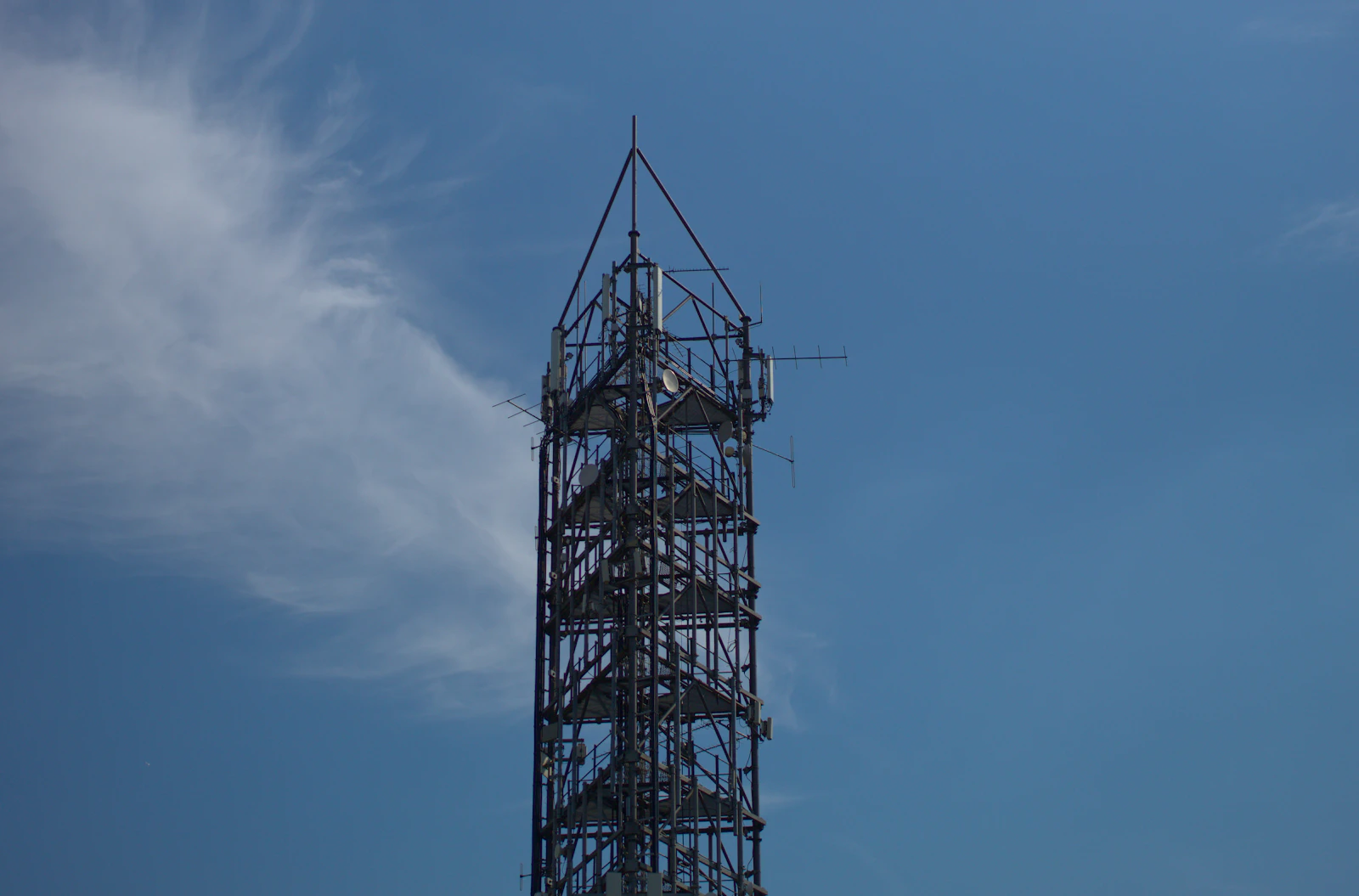
If you are trying to reduce scaffold tower hire costs for siding installation, the biggest lever is deciding whether to rent a complete tower package or build a tower from components. A component approach can be cost-effective when you only need a low working height for a short duration, but it can become more expensive (and riskier) on multi-week siding jobs because missing parts trigger downtime and extra trips.
Portland-metro component pricing examples (useful as reference points):
Interpretation for a siding installation rental coordinator: piece-rates look small, but a safe, production-ready tower needs multiples of each component. If your “cheap” base section turns into (2) extra frames + (6) braces + (2) walkboards + rails + casters + leveling, you can approach or exceed package pricing—while adding count/return risk.
Portland siding projects frequently run long because of rain delays, paint/caulk cure times, inspection scheduling, and homeowner access constraints. From an equipment hire cost perspective, you should assume duration risk and actively manage off-rent:
For scaffold tower equipment hire, decide up front whether you will provide your own inland marine/property coverage or buy the rental protection plan. A major lessor’s RPP addendum states that customers must either show proof of property insurance or purchase the RPP, and it discloses an RPP fee of 15% of rental charges (plus applicable taxes) for equipment rentals.
Even when you buy RPP, treat it as a liability limiter, not a blanket pass: exclusions often apply (for example, accessories not charged the fee, or transport damage), and you still need documentation discipline to avoid “missing parts” claims.
On siding installation, scaffold towers tend to be moved frequently. Every move increases the need for inspection and re-leveling; missed steps can create damage events (which become repair charges or deductible events) and can also extend the rental period. United Rentals’ scaffolding guidance notes OSHA requires periodic (often weekly) inspections of erected scaffolding after initial inspection—plan time and accountability so the tower does not become an unmanaged liability that inflates hire costs through incidents or schedule delays.
Back-charges are one of the highest-variance items in scaffold tower equipment hire costs. Use a close-out process that is stronger than “we returned it”:
This page focuses on scaffold tower equipment hire costs, but siding installation managers should still sanity-check whether a tower is the lowest total rental cost approach for the façade geometry:
If you stay with towers, the cost-control rule is simple: standardize the kit (same frame size, same deck size), keep spare pins/locks on hand ($15–$40 allowance), and manage off-rent with the same rigor you manage material deliveries.
