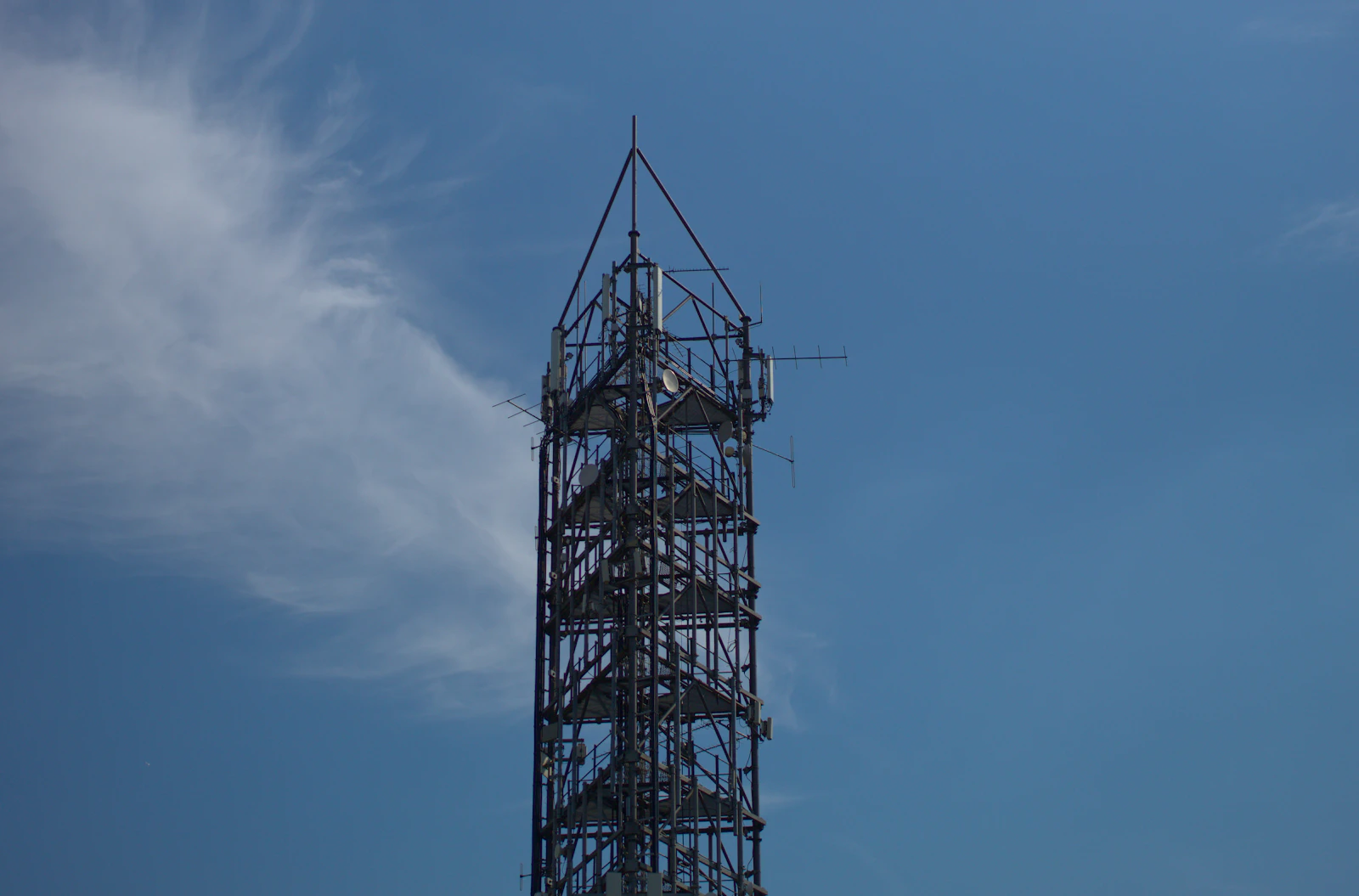
Scaffold Tower Rental Rates in Sacramento (Daily/Weekly) — 2026 Costs
Construction Costs in Sacramento
Price source: Costs shown are derived from our proprietary U.S. construction cost database (updated continuously from contractor/bid/pricing inputs and normalization rules).
Eva Steinmetzer-Shaw
Head of Marketing
Scaffold Tower Rental Rates Sacramento 2026
For Sacramento solar panel installation crews, scaffold tower equipment hire in 2026 typically budgets as a day/week/4-week ("monthly") structure, with the weekly rate commonly capping accumulated daily charges and the 4-week rate often defined as 28 days. As an up-to-date Sacramento anchor, one local rental listing for a 10' scaffold tower shows $116/day, $247/week, and $481 per 4-week month (taxes/fees excluded; pricing subject to change and to be confirmed at order). For 2026 planning ranges across the Sacramento market (assuming rolling aluminum tower sections, standard platform, and typical guardrail set), most rental coordinators carry $95–$165/day, $235–$395/week, and $475–$950 per 4-week month, with higher pricing when you need extra working height, outriggers, stair/ladder access packages, or tighter delivery constraints. National chains (e.g., United Rentals / Sunbelt / Herc) and regional scaffold suppliers can all service the Sacramento area, but final equipment hire cost depends heavily on tower configuration, site logistics, and how the vendor bills weekends and off-rent.
| Vendor |
Daily Rate |
Weekly Rate |
Review Score |
Website |
| All Star Rents (Sacramento/N. Highlands) |
$116 |
$247 |
9 |
Visit |
| United Rentals (Sacramento) |
$120 |
$300 |
9 |
Visit |
| Sunbelt Rentals (Sacramento/West Sacramento metro) |
$115 |
$290 |
9 |
Visit |
| Herc Rentals (Sacramento) |
$110 |
$275 |
8 |
Visit |
| The Home Depot Tool Rental (Sacramento) |
$90 |
$250 |
8 |
Visit |
What Drives Scaffold Tower Equipment Hire Cost for Solar Panel Installation in Sacramento?
Solar work changes the “real” scaffold tower rental cost because your access points move: staging at the eave for layout and flashing, shifting to the array edge for module setting, then back to conduit/inverter tie-ins. If the tower is frequently repositioned, you’ll pay (a) more time on rent, and (b) sometimes higher delivery/setup line items if the vendor provides assembly or a competent-person crew. Sacramento crews also run into daylight/heat scheduling—summer rooftop work can shift earlier, and a planned 2-day set can become a 3-day rental if you lose a half-day to safety stand-down or smoke/air-quality interruptions.
For budgeting scaffold tower equipment hire costs, confirm these cost drivers up front:
- Working height and base size: a “10-foot tower” price may not cover what you need for a 2-story fascia line; adding extra frames/sections often bumps you into a different rate class.
- Outdoor stability requirements: for solar panel installation, you frequently need outriggers and leveling jacks (especially on driveway slopes). Budget adders like $15–$35/day for outriggers/leveling kits if not included (planning allowance; verify on the quote).
- Billing model (day vs week vs 4-week): some agreements define rates as “one shift” (commonly 8 hours/day, 40 hours/week) and apply extra charges if the equipment is used beyond that, even if it remains on-site.
- Weekend/holiday billing: if delivery is Friday and you off-rent Monday, many suppliers still bill the weekend unless you negotiate a “weekend pass.” Carry a contingency of +1 day when your schedule straddles a weekend.
- Piece accountability: scaffold towers are small-piece intensive (casters, braces, guardrails, toe boards). Missing components can turn into replacement charges and/or extended rent while the vendor verifies inventory on return.
Typical Sacramento 2026 Equipment Hire Ranges by Scaffold Tower Configuration (No Vendor-Specific Quote)
Use the Sacramento 10' tower rate shown above as a reality check, then scale for your configuration. For 2026 estimating (non-binding, planning-only), a rental coordinator can carry:
- 6–8 ft indoor/finish rolling tower: $40–$85/day and $120–$220/week depending on platform size and floor protection needs (market reference from other NorCal sources; Sacramento may vary).
- 10 ft rolling scaffold tower (common eave access): plan around $100–$165/day, $240–$400/week, $480–$950 per 4-week, aligning with current Sacramento postings.
- 15–20 ft rolling tower (two-story fascia/second-story penetrations): often $150–$250/day, $300–$650/week, $600–$1,400 per 4-week depending on outriggers and guardrail package (planning range; confirm by tower height class and included accessories).
Sacramento-Specific Cost Considerations That Change the Purchase Order Total
Even when the day/week/4-week hire price looks straightforward, Sacramento site realities can add cost lines that don’t show up in the base rate:
- Delivery access and downtown constraints: Midtown/Downtown jobs can require tighter delivery windows, liftgate-only trucks, or staged drops due to limited curb space. Budget a time-window or “call-ahead” fee of $35–$85 if your vendor offers it (planning allowance), and consider that a failed delivery can trigger a re-delivery charge.
- Heat and schedule compression: in peak summer weeks, crews may shift to early starts; if the vendor’s pickup cutoff is, for example, 2:00–3:00 PM, you may miss same-day off-rent and get billed an extra day. (Confirm your supplier’s cutoff time on the contract.)
- Driveway slope and soil conditions: many Sacramento neighborhoods have sloped approaches or soft landscaping edges near the work zone; you may need extra leveling capacity, and you should plan for cribbing/ground protection so you don’t pay for damaged casters or bent frames on return.
Hidden-Fee Breakdown for Scaffold Tower Equipment Hire
For scaffold tower rental rates in Sacramento, the “hidden fees” are usually not hidden—just buried in terms and add-on lines. Carry these 2026 allowances unless your vendor quote explicitly excludes them:
- Delivery / pickup: $95–$185 each way inside a normal radius; if billed by mileage, carry $3.00–$5.00 per mile beyond the included zone (planning allowances).
- Minimum delivery charge: common floor of $125 even for nearby drops (planning allowance).
- Inside placement / jobsite carry: if the driver must hand-carry through a gate or stage materials beyond curbside, carry $65–$140.
- Wait time at site: if the truck is held at the gate, some vendors charge $85–$125 per hour after an initial grace period (planning allowance).
- Damage waiver / rental protection: often 10%–15% of rental charges as an optional line item (planning allowance). Some scaffold programs also publish liability limitation structures with specific thresholds (e.g., deductibles or percentages tied to list price and whether equipment was secured).
- Cleaning fee: carry $45 (light dust) up to $150 (mud/concrete splatter) if returned dirty (planning allowance). Solar work typically returns dusty, especially when drilling/roof cutting nearby.
- Missing components: typical replacement exposures to watch: $45–$90 per caster, $60–$120 per guardrail, $35–$75 per diagonal brace (planning allowances; varies by manufacturer).
- Late return / extra day: if your pickup misses cutoff, carry +$35–$165 (one extra day) depending on tower class.
Example: Sacramento Solar Panel Installation Using a 10' Scaffold Tower (Costed as a Rental Coordinator Would)
Scenario: 1 crew, 2,400 sq ft home in Natomas. Scope includes roof mounts, flashing, module set, and a service-side conduit run. Access challenge: narrow side yard, tower must be rolled in and out daily; tower remains on-site for the full duration to avoid remobilization delays.
- Base hire (10' scaffold tower): budget $247/week rather than stacking daily rates, since the job is planned at 5 working days.
- Rental term risk: if punch-list extends into Monday pickup, carry +1 day at roughly $116 (or whatever your contract day rate is) rather than assuming “free weekend.”
- Delivery + pickup: carry $150 each way ($300 total) due to limited curb space and call-ahead requirement (planning allowance).
- Outriggers/leveling kit: $25/day for 5 days = $125 (planning allowance; verify whether included).
- Damage waiver: 12% of rental charges (planning allowance) = ~$30 on a $247 week.
- Return condition allowance: $75 cleaning contingency if roof dust and sealant debris are present (planning allowance).
Operational constraints that drive the cost above the base rate: (1) delivery window must hit before crew start; (2) off-rent must be called in time to avoid an extra billed day; (3) tower must be returned with all braces/rails accounted for and photographed at pickup to prevent disputes.
How to Reduce Scaffold Tower Hire Cost Without Creating Schedule Risk
On Sacramento solar projects, the cheapest day rate is rarely the cheapest outcome. The best savings typically come from tightening the rental term and avoiding add-on labor:
- Match tower class to roof edge work: if you only need fascia access for conduit clamps and junction work, a lower working height may avoid outriggers and reduce delivery complexity.
- Coordinate off-rent timing: align teardown with vendor pickup cutoffs. A missed cutoff can cost an extra day that’s often larger than your entire delivery fee.
- Control parts: stage braces/rails in a labeled tote and do a component count at drop-off and pickup. Avoiding one missing caster charge (often $45–$90) can pay for your whole damage waiver line.
- Pre-negotiate weekend rules: if you routinely install solar Monday–Friday, ask for a weekend accommodation; if it’s not available, plan your delivery/pickup mid-week to reduce “dead rent.”
Budget Worksheet (Sacramento Scaffold Tower Equipment Hire)
Use this as a practical estimating worksheet (no vendor-specific quote implied). Add or delete line items to match your scaffold tower rental package.
- Scaffold tower hire (select day/week/4-week): $235–$395/week allowance (typical 10' class; validate against your supplier’s current schedule).
- Outriggers/leveling kit add-on: $75–$175/week allowance.
- Delivery (drop): $95–$185 allowance.
- Pickup (return): $95–$185 allowance.
- Inside placement / gated access: $0–$140 allowance.
- Damage waiver / rental protection: 10%–15% of rental charges allowance.
- Cleaning contingency: $45–$150 allowance.
- Lost/damaged parts contingency (casters/rails/braces): $100–$350 allowance per tower.
- Schedule slip contingency: +1 day at $95–$165 allowance (covers pickup cutoff miss or weather delay).
Rental Order Checklist (PO, Delivery, Off-Rent, Return)
- PO and billing: confirm job name/site address, cost code, and whether the vendor bills 4-week (28-day) months.
- Configuration: specify target platform height, base dimensions, caster type (non-marking if needed), guardrails/toe boards, and whether outriggers/leveling jacks are required.
- Delivery requirements: request delivery window, gate codes, onsite contact, and note any curb restrictions (Midtown/Downtown) to avoid re-delivery fees.
- Drop-off documentation: take photos of the tower, count small components (braces/rails/casters), and record the delivery ticket number.
- Safety and usage terms: verify whether the rate assumes a single shift (commonly 8 hours) and whether extended use creates extra charges in your agreement.
- Off-rent procedure: ask for the cutoff time to stop billing (often earlier than you expect). Put the off-rent call/email in writing.
- Return condition: clean off sealant, label/box loose parts, photograph the loaded return, and get a signed pickup ticket to close out disputes.
How Solar Panel Installation Workflows Change Scaffold Tower Rental Duration (And Cost)
Scaffold tower equipment hire cost for solar panel installation in Sacramento is often driven less by height and more by workflow variability. The same roof may require (1) a dedicated access day for layout and rafter finding, (2) a mounts day, (3) a rails/modules day, and (4) an electrical/conduit day. If you’re short on staging space and must move the tower multiple times per day, productivity losses can push the job over the weekly threshold and unintentionally add weekend billing. For 2026 planning, it’s often safer to budget a weekly rate even for “3–4 day” solar scopes unless you have tight control of inspection timing and pickup cutoffs.
When a 4-Week Scaffold Tower Hire Makes Sense (Even on Smaller Solar Programs)
If you run multiple small installs inside a tight radius (e.g., Sacramento to Elk Grove / Rancho Cordova) and you can keep a tower continuously deployed, the 4-week hire can beat repeated weekly rentals—especially when each mobilization brings delivery fees and gate delays. Sacramento listings commonly define the “monthly” rental as a 4-week period, so treat it as 28 days in your cost model, not a calendar month.
Planning triggers for considering a 4-week term:
- Inspection dependency: if your interconnection or electrical inspection date is uncertain, a 4-week term can reduce the per-day pain of waiting.
- Multi-phase scope: solar + reroof interface, service upgrade, or delayed module delivery can create gaps where the tower stays on-site “just in case.”
- Downtown access constraints: limited street access can make repeated deliveries costlier than paying for longer continuous hire.
Cost Control Levers: Delivery Strategy, Off-Rent Rules, And Documentation
Most scaffold tower hire overruns come from a few controllable points. Build these controls into your standard operating procedure:
- Delivery strategy: if you can pick up with your own truck and avoid delivery, you may save $190–$370 round trip (based on typical $95–$185 each way allowances). If self-haul isn’t viable, specify “curbside only” to avoid inside placement fees where safe.
- Off-rent discipline: set an internal reminder to call off-rent by 12:00 PM the day prior to pickup (example control point; use your supplier’s actual cutoff). Missing this step often costs +1 billed day.
- Return documentation: require a photo set (4 sides + loose parts) and a signed pickup ticket. If the vendor later claims a missing brace, your documentation can prevent backcharges in the $35–$75 range (typical) per component.
- Site protection: on finished driveways or indoor inverter rooms, specify non-marking casters; replacing damaged flooring can dwarf any equipment hire savings. Carry a $25–$60 allowance for floor protection materials if required by the GC (planning allowance).
Risk Lines To Carry: Damage, Theft, And Rental Protection
Solar sites can be exposed: towers left visible near the street, small parts removed during repositioning, and multiple subs sharing the laydown area. Decide whether to take the vendor’s damage waiver/rental protection or rely on your own insurance. As a planning baseline, many rental coordinators carry 10%–15% of rental charges for a damage waiver option, then tighten it once the vendor quote is in hand. Some scaffold programs publish specific limits/thresholds that change your exposure depending on whether equipment was secured, with minimum dollar amounts (e.g., $500) and percentage-based limits tied to list price.
Example: Two-Tower Solar Crew on a Light Commercial Roof (Sacramento) With Overtime Constraints
Scenario: 2 rolling scaffold towers needed for simultaneous work—one at the service side for conduit and one at the array edge. Job runs long days due to heat scheduling and tenant restrictions.
- Base hire assumption: 2 × $247/week = $494/week (using the Sacramento 10' tower weekly anchor as a reference point).
- Tenant constraints: work allowed only 6:00 AM–2:00 PM; pickup must occur by 1:00 PM Friday to avoid weekend billing (example constraint—confirm vendor cutoffs).
- Potential “extra shift” exposure: if your agreement is written as a single-shift rate (often 8 hours/day), carry an overtime contingency of 1.5× the daily rate for any approved extended use days (planning allowance; contract-dependent).
- Delivery/pickup: $175 each way per drop because the site requires coordinated dock access = $700 total for two towers (planning allowance).
- Dust-control requirement (indoor electrical room): add $95 for protective sheeting and tack mats (planning allowance) and avoid a $150 cleaning fee risk on return.
Procurement Notes for 2026: Writing the Scope So You Don’t Pay for the Wrong Tower
For scaffold tower equipment hire costs, the single most common procurement error is ordering by a vague height label (e.g., “10-foot tower”) without defining platform height, total working height, base footprint, and the included accessory set. Fix this by writing a short “equipment definition” in the PO notes:
- Platform height required (ft) and approximate working height.
- Rolling vs stationary; caster type (locking, non-marking if needed).
- Guardrail/toe board requirement; whether an access ladder or stair is required.
- Outdoor stability package (outriggers/leveling jacks) and ground conditions.
- Delivery/pickup: curbside vs inside placement; site access constraints; contact and call-ahead policy.
Closeout: What To Reconcile Before Approving the Final Scaffold Tower Hire Invoice
Before you approve the invoice, reconcile these items to control equipment hire cost creep:
- Rental term: confirm billed days align with off-rent notice and pickup date/time; watch for accidental weekend billing.
- 4-week definition: verify the invoice uses the vendor’s 4-week/28-day month structure (if applicable) rather than a calendar-month assumption.
- Accessory charges: verify outriggers/guardrails were either included or priced as agreed (avoid surprise per-day adders).
- Fees: confirm delivery, wait time, cleaning, and damage waiver percentages match the PO and signed ticket.
- Parts: resolve missing/damaged component claims with your photo documentation before payment.
If you want, share the target roof edge height (one-story vs two-story), whether you need indoor inverter-room access, and whether you prefer delivery or self-haul; I can tighten the 2026 scaffold tower equipment hire cost range to a more job-specific allowance for Sacramento solar panel installation.