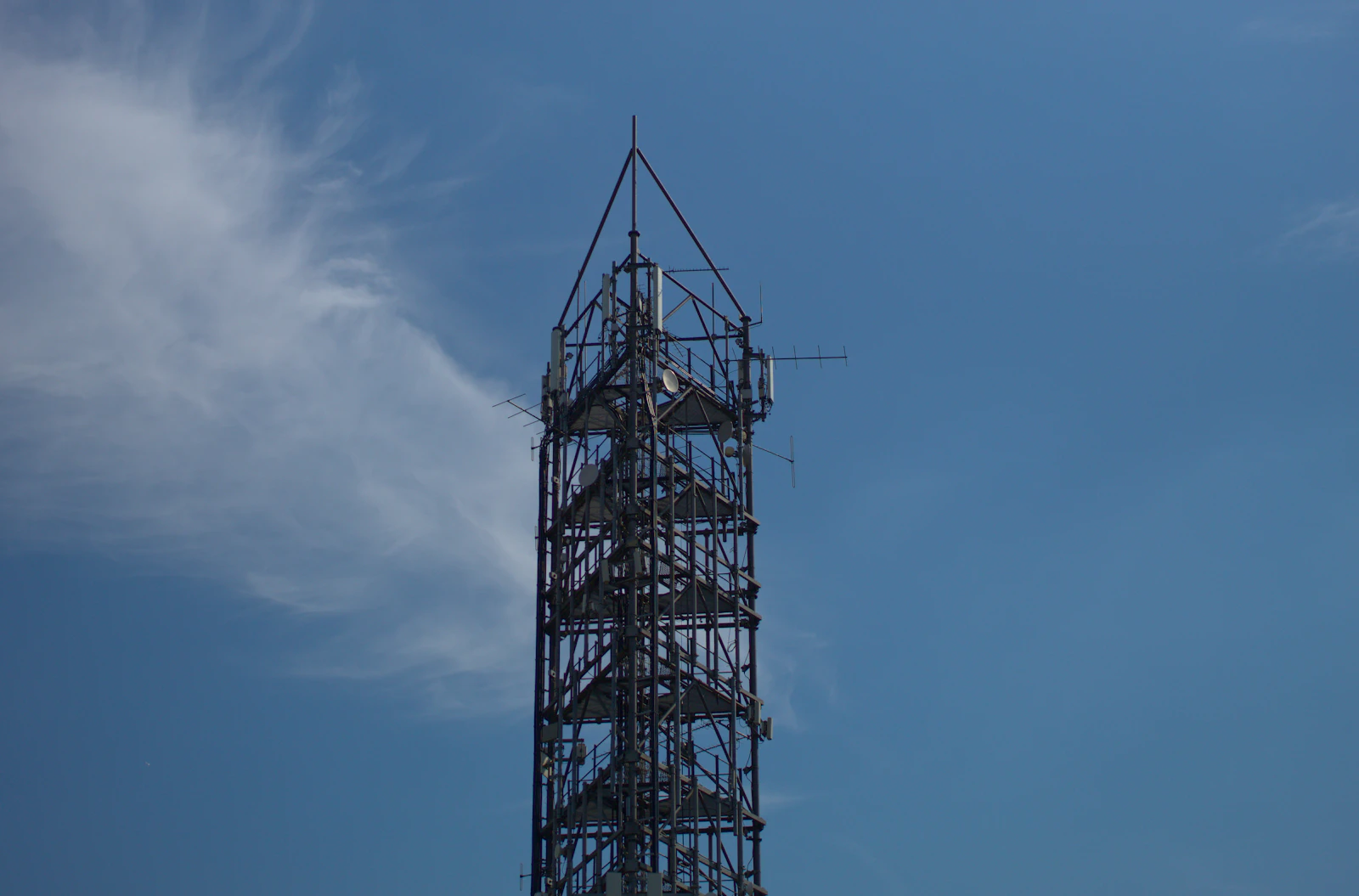
Scaffold Tower Equipment Hire Costs San Francisco 2026
For deck building in San Francisco, 2026 planning ranges for rolling scaffold tower equipment hire typically land around $55–$110/day, $160–$360/week, and $420–$980 per 4-week (28-day) rental, depending on tower height, guardrail/toeboard requirements, outrigger needs, and how the tower must be delivered and staged. These ranges are built from (a) published Bay Area Peninsula “base + upper section” day/week/4-week rates (e.g., $40/day base and $30/day upper section) and (b) published California rolling-tower rates (e.g., $50/day for a 30-inch x 6-foot rolling tower) that can trend higher once you add guardrails, outriggers, leveling, and dense-city logistics. In practice, many contractors source these towers through national rental networks (Sunbelt Rentals, United Rentals, Herc Rentals) as well as scaffold-specialty providers around the Bay Area; the invoice outcome is usually determined less by the sticker rate and more by delivery windows, off-rent rules, and accessory completeness on return.
| Vendor |
Daily Rate |
Weekly Rate |
Review Score |
Website |
| United Rentals |
$135 |
$405 |
9 |
Visit |
| Sunbelt Rentals |
$125 |
$375 |
9 |
Visit |
| Herc Rentals |
$130 |
$390 |
8 |
Visit |
| The Home Depot Tool Rental |
$110 |
$330 |
9 |
Visit |
| BigRentz |
$120 |
$360 |
8 |
Visit |
What Drives Scaffold Tower Hire Pricing on San Francisco Deck Builds?
A scaffold tower is often the most controllable access method for deck framing, ledger work, railing installs, and finish carpentry—especially where you need a stable platform and frequent repositioning along a façade. That said, scaffold tower hire costs move quickly with scope and compliance requirements. The biggest cost drivers rental coordinators should model up front are:
- Working height and number of sections: A common Bay Area pricing structure separates the base and each upper section (example published local rates: $40/day for a base section and $30/day for an upper section; $120/week base and $100/week upper; $330 per 4-week base and $250 per 4-week upper). A “12–18 ft working height” deck job can easily become 2–3 billable sections once guardrail height, platform height, and grade changes are considered.
- Guardrail/toeboard completeness: Exterior deck work frequently triggers edge protection expectations; if your rental house prices guardrails separately, add them explicitly (example published component rates: $20/day or $50/week for a 6-foot guardrail kit; and $8/week or $24/month for toe boards in a pipe-scaffold schedule).
- Outriggers and leveling for SF terrain: San Francisco’s hills and stepped rear yards can force outriggers and leveling jacks even for “short” towers. Example published outrigger pricing: $18/day or $36/week.
- Mobility and floor/ground protection: Casters and base plates can be inexpensive individually but add up—and are easy to miss on return. Example published rates: $7/week or $21/month per 8-inch caster wheel; $6/week or $18/month for leveling jacks; $1/week or $3/month for base plates (pipe scaffold schedule).
- Delivery constraints and the “time on rent” clock: Many contracts treat the rental period as running until the equipment is returned (not until you stop using it), so missed pickup windows and staging delays can directly add paid days.
Typical Scaffold Tower Configurations and Add-On Hire Costs
For deck building, most crews start with a 30-inch-wide rolling scaffold tower footprint for maneuverability through side yards and gates, then build working height with additional frames/sections. Two procurement patterns are common:
1) “All-in” rolling tower line item (one SKU includes the basic tower): published California pricing for a 30-inch x 6-foot rolling tower can run about $50/day, $137/week, and $343/month (taxes/fees excluded; deposit may apply). For San Francisco planning, treat this as a baseline for a basic configuration and expect adders for guardrails/outriggers and for city delivery constraints.
2) “Base + upper sections” build-up (each section is priced): published Peninsula-area pricing shows a base at $40/day and uppers at $30/day, with corresponding weekly and 4-week rates. This method is often more transparent for estimating because it exposes exactly how many sections you’re paying for when grade or deck elevation changes mid-run.
On San Francisco deck jobs, accessory adders are where rental spend frequently slips. Build these into your equipment hire estimate:
- Guardrails: If not bundled, model $20–$45/day for a guardrail kit set (a published reference point is $20/day / $50/week for a 6-foot kit).
- Outriggers: Plan $15–$30/day per set when you need stabilization at height (published reference: $18/day / $36/week).
- Additional platforms/catwalks: If you need a longer run to cover deck ledger length without frequent repositioning, consider add-on catwalk pricing benchmarks like $10/week / $30/month for a 7-foot x 20-inch catwalk in published schedules.
- Casters and leveling: For sloped concrete/asphalt or pavers, include leveling jacks (benchmark $6/week / $18/month) and ensure all casters are accounted for (benchmark $7/week / $21/month per wheel).
- Toeboards and debris control: If you’re over a walkway or near property lines, toeboards/debris netting may be enforced by site rules. Published toeboard benchmarks: $8/week / $24/month.
Delivery Logistics in San Francisco That Change the Invoice
Even though a scaffold tower is “small equipment,” San Francisco logistics can make it bill like specialty gear. For professional estimating, treat delivery/pickup and staging as first-class cost items, not contingencies.
- Typical delivery and pickup allowances (2026 planning): Many rental houses quote either (a) a flat local fee or (b) a base fee plus mileage. For San Francisco, it is common to carry $125–$275 each way for a small truck delivery inside the city, plus $6–$12/mile if the vendor uses mileage outside an included radius (confirm on quote). Add $25–$60 if bridge tolls or restricted-route detours are likely.
- Delivery windows and missed-slot “dry run” risk: If your site cannot receive between typical dispatch windows (often 7:00–10:00 or 12:00–3:00), budget a potential $125–$250 redelivery/dry-run charge. On narrow streets, require a named receiver and a 15-minute curbside unload plan.
- Liftgate and curb-to-backyard moves: If the vendor will only deliver curbside, you may need a laborer allocation to break down and hand-carry through a side yard. If you request placement inside a gate or down steps, budget 1.5–3.0 labor-hours for handling and safe staging (often more influential than the rental line item).
- Parking control: For many SF neighborhoods, plan a parking-control allowance (signage/coordination/possible permits) of $200–$600 if you need guaranteed curb space for delivery or pickup. This is often the difference between a 20-minute unload and a 90-minute “circle the block” scenario.
- Weather and corrosion reality: Coastal fog and salty air don’t usually change rates directly, but they can increase return-condition disputes (surface rust, seized pins). Protect pins and clamps, and document condition at delivery with time-stamped photos.
Hidden-Fee Breakdown
To keep scaffold tower equipment hire costs predictable, model the “small print” as explicit allowances and set site rules around it.
- Off-rent and possession language: Rental time can be defined as running until the equipment is returned to the rental company, regardless of whether it’s actively used during that time. This is why pickup scheduling discipline matters.
- Deposits and ID requirements: It’s common to require a valid driver’s license and credit card on file and note that an appropriate deposit may apply. For planning, carry a refundable deposit placeholder of $150–$500 for small scaffold packages (confirm per account terms).
- Damage waiver / rental protection: Many rental companies offer a damage waiver or protection plan as a percentage of rental (commonly 10%–18%). Also note exclusions can apply (e.g., theft, improper use, transport damage), so it’s not a substitute for jobsite control.
- Late return / after-hours return: If returns are after cutoff (often around 4:00–5:00 PM), you may be billed an additional day. Build a $55–$110 late-day exposure (equal to one daily rate) into risk planning if your schedule is tight.
- Cleaning and concrete/mud fees: If towers come back caked with stucco, concrete splash, or pressure-treated sawdust slurry, expect cleaning fees commonly in the $75–$250 range depending on severity and whether hardware is seized.
- Missing parts back-charges: The most common losses are pins, clamps, and caster locks. Carry a loss allowance of $25–$120 per job unless your crew has a check-in/check-out procedure.
- Shift/overtime billing policies (where applied): Some national rental terms define daily/weekly/4-week rates around a “one shift” maximum (e.g., 8 hours/day, 40 hours/week, 160 hours/4 weeks) with overtime charged proportionally beyond that. While scaffold towers aren’t hour-metered, the concept shows up in contracts and can matter for staffed scaffold services or specialty packages—confirm how your supplier applies it.
Budget Worksheet
Use the following line items as a practical scaffold tower hire cost worksheet for a San Francisco deck build. Adjust quantities by façade length and grade changes.
- Rolling scaffold tower base section (30-inch class): 1 x $55–$75/day or $160–$220/week planning (benchmark published base pricing: $40/day, $120/week, $330/4-week).
- Upper scaffold sections: 1–2 x $40–$70/day each planning (benchmark published upper: $30/day, $100/week, $250/4-week).
- Guardrail kit(s): 1–2 sets @ $20–$45/day planning (benchmark published: $20/day / $50/week).
- Outrigger set(s): 1 set @ $15–$30/day planning (benchmark published: $18/day / $36/week).
- Leveling jacks / base plates (as required): Allow $25–$80/week total depending on count (benchmark components include $6/week leveling jacks and $1/week base plates in published schedules).
- Toeboards/debris control: Allow $20–$90/week depending on exposure (benchmark published toeboards: $8/week).
- Delivery + pickup: $250–$550 total (two-way) typical planning allowance in SF, plus $0–$120 for tolls/mileage.
- Damage waiver / protection plan: 10%–18% of rental charges (confirm).
- Cleaning/return-condition contingency: $75–$250.
- Loss/missing parts allowance: $25–$120.
- Parking control / access coordination allowance: $200–$600 when curb space is constrained.
Example: Rear-Yard Deck Build in Noe Valley (16 ft Working Height)
Example: You have a 2-story rear façade with a deck rebuild at roughly 10–12 ft above grade, but the yard slopes and you need a stable platform for joist hangers, flashing, and guardrail posts. You plan one base section plus two upper sections to maintain safe platform height and guardrail requirements.
- Hire period: 2 weeks (14 calendar days), but you quote using weekly rates.
- Rental package (planning): base + two uppers + guardrail kit + outriggers.
- Equipment hire (range): assume $190–$360/week for the main tower plus accessories; over 2 weeks that’s roughly $380–$720.
- Delivery/pickup: plan $150 delivery + $150 pickup = $300 (add $0–$60 for tolls/mileage depending on yard access and dispatch point).
- Damage waiver: carry 12% planning on rental line items (e.g., $46–$86 on $380–$720).
- Total scaffold tower equipment hire cost (planning): approximately $726–$1,166 before tax, assuming no redelivery, no cleaning fees, and a clean parts return.
Operational constraints that can move this number: (1) If pickup misses the window and you hold through a weekend, you may add $55–$110 in extra daily time; (2) if the tower must be staged curbside overnight in SF, theft risk increases, and protection plan exclusions may still leave exposure.
When a Scaffold Tower Stops Being the Lowest-Cost Access Option
For deck building, a rolling scaffold tower is cost-effective up to the point where you either (a) need frequent tie-ins, (b) must bridge long lengths with minimal repositioning, or (c) are constrained by public right-of-way requirements. If you find you’re stacking sections beyond comfortable stabilization (which then forces more outriggers, more labor, and more parking-control exposure), the effective hire cost can exceed alternatives such as a short-duration boom lift for reach tasks or a properly designed frame/system scaffold run. A good estimating rule in San Francisco is to re-check the access plan if your tower package is trending above $1,500 for a 2–3 week deck scope, because delivery logistics and compliance accessories are usually dominating the invoice at that point.
Rental Order Checklist
Use this checklist to reduce change orders, redeliveries, and return-condition back-charges on scaffold tower equipment hire in San Francisco.
- PO and account setup: Confirm billing address, tax status, approved credit terms, and whether a deposit is required (carry $150–$500 placeholder if unknown).
- Exact configuration: Specify tower width (e.g., 30-inch), platform length (e.g., 6-foot), number of sections, guardrail kits, toeboards, outriggers, leveling jacks, and caster type (locking vs standard).
- Delivery method: Curbside only vs placed inside gate; if inside gate, identify number of steps, gate width, and whether liftgate is required.
- Delivery window and receiver: Provide a 2-hour window and a named receiver with phone. If your site is high-traffic, pre-plan a redelivery risk allowance of $125–$250.
- Parking control: Confirm you have curb space reserved; carry $200–$600 allowance when uncertain.
- Site constraints: Note slope (leveling required), soft soil (mud sills/plywood), overhead lines, and wind exposure on upper decks.
- Safety and compliance: Confirm guardrail/toeboard expectations and access method (internal ladder vs stair kit). If a stair kit is needed, price it as an add-on rather than assuming it is included (published catalogs often list stair kits as “call for details”).
- Return documentation: Require delivery ticket photos and a return-condition photo set (all pins/clamps laid out) before the truck departs.
Off-Rent, Billing Cycles, and Weekend Rules
Two contract mechanics drive real-world cost more than the nominal day rate:
- Off-rent definition: Many terms define the rental period as continuing until the equipment is returned to the supplier—so “done using it” is not the same as “stopped paying for it.”
- 4-week billing: In professional equipment rental, a “month” is commonly treated as a 4-week (28-day) cycle (many marketplaces present daily/weekly/monthly as a standardized structure). This matters for deck projects that slip a few days: slipping from day 27 to day 29 can flip you into a new weekly/daily charge band depending on the supplier’s rate rules.
Weekend handling in San Francisco can also be a cost driver:
- Weekend staging: If your jobsite cannot accept pickup Friday, you may carry the tower through Monday, adding 1–3 billable days depending on contract cutoffs.
- After-hours returns: If you return after the yard cutoff (often around 4:00–5:00 PM), expect the possibility of an extra day charge (carry $55–$110 exposure equal to one daily rate in planning).
Risk Controls That Reduce Damage and Back-Charges
Scaffold towers are frequently back-charged for “small” items. Put job controls in place that cost little but protect the hire budget:
- Parts accountability: Issue pins, caster locks, and clamps in a labeled tote. Carry a loss allowance of $25–$120 only if you do not have a check-in/check-out system.
- Return cleanliness: Before pickup, wipe down contact points and remove concrete/paint overspray. This is the best way to avoid a $75–$250 cleaning line item.
- Photo documentation: Time-stamped photos at delivery and at pickup reduce disputes about bent frames, seized adjusters, and missing accessories.
- Understand waiver limitations: Damage waivers/protection plans can exclude certain events (including theft or misuse), so do not treat the waiver as a blanket cap on exposure.
Procurement Notes for 2026: Availability, Lead Times, and Seasonality
For San Francisco exterior carpentry and deck seasons, scaffold towers tend to be available, but the accessories that keep you compliant (guardrails, toe boards, outriggers) can be the limiting factor. If your scope requires multiple identical towers, lock inventory early and verify accessory counts on the quote.
- Lead time planning: Carry 2–5 business days typical lead time for multi-tower packages during busy months; for staffed scaffold services, plan longer.
- Substitution risk: If the supplier substitutes a different brand/series, confirm that guardrails and outriggers are compatible; incompatibility can create a same-day add-on rental or a redelivery cost of $125–$250.
Estimating Notes: Taxes, Insurance, and Charge Structure
Finalize the estimate by confirming how your supplier structures charges and what is included:
- Taxes: Apply local sales tax to rental and many fees per your jurisdiction and contract.
- Insurance vs protection plan: If you rely on a rental protection plan, budget it at 10%–18% of the rental line items and confirm exclusions.
- Deposits: If you do not have established credit, assume a deposit may apply and ensure your PM has approval in place.
- One-shift framing: Some national contracts define day/week/4-week around one-shift usage (e.g., 8 hours/day, 40 hours/week, 160 hours/4 weeks) with proportional overtime beyond that. Even for non-powered access equipment, confirm whether any staffed services or specialty scaffold packages are billed on shift assumptions.
If you want to tighten this to a near-final number, the fastest path is to request a written quote that explicitly lists: tower width/length, number of sections, guardrails/toeboards/outriggers, delivery and pickup charges, protection plan %, and the off-rent/cutoff rules. That single step prevents most scaffold tower hire overruns on San Francisco deck building scopes.