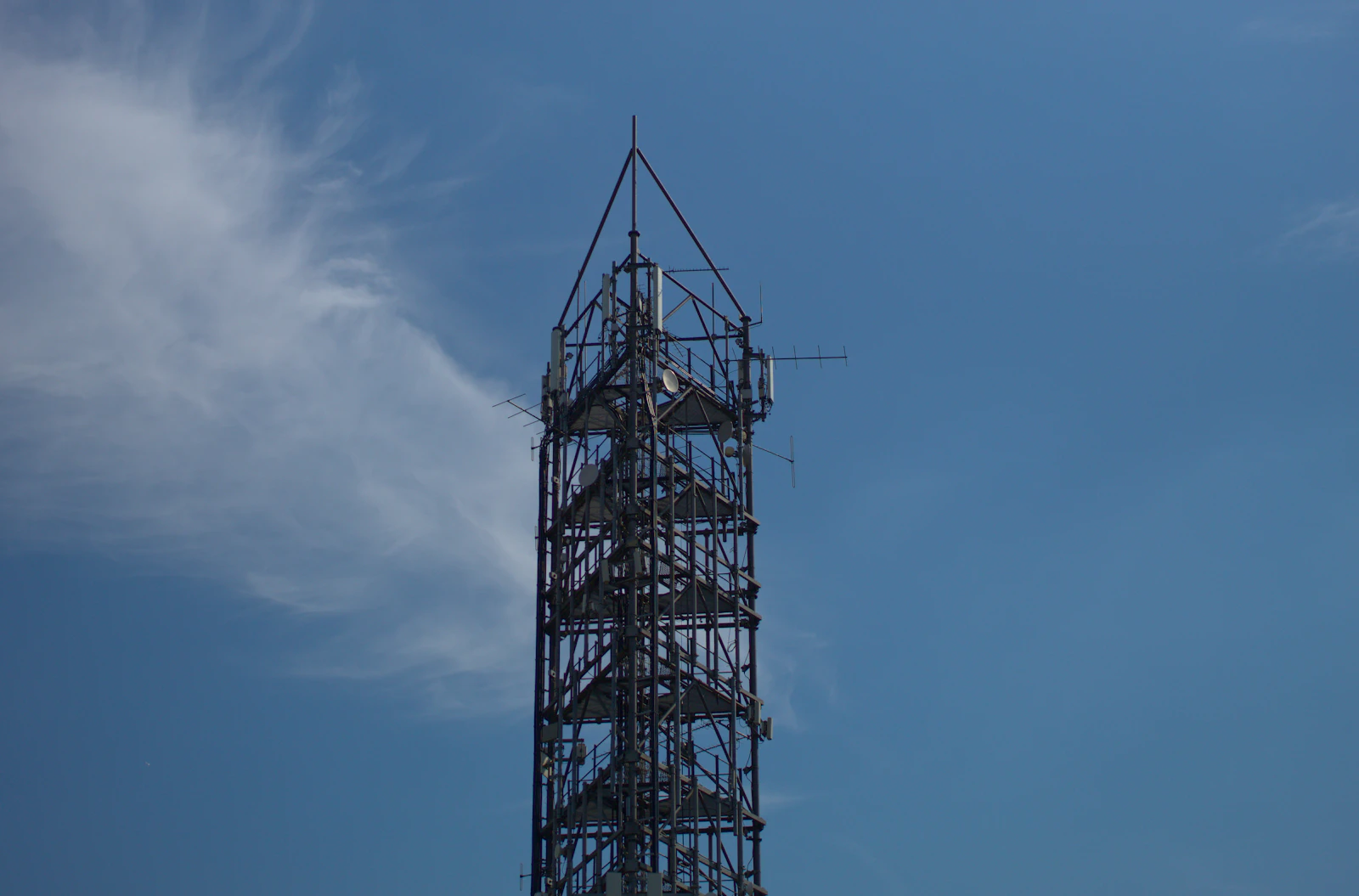
Scaffold Tower Rental Rates Washington 2026
For scaffold tower equipment hire in Washington (DC metro) on a house framing scope, plan 2026 budgeting around $60–$140/day, $180–$420/week, and $480–$1,150 per 4-week/28-day month for a contractor-grade rolling tower package (rate depends heavily on platform length, working height class, guardrail/outrigger requirements, and whether you’re renting a compact baker-style tower versus a sectional aluminum rolling tower). These are planning ranges intended for estimators and rental coordinators—actual branch pricing moves with availability, credit terms, and delivery constraints. In the Washington area, national providers (e.g., Sunbelt Rentals, United Rentals, and other regional access/scaffold houses) typically quote tower packages as “kits,” then add logistics and protection/waiver line items that can materially shift the all-in cost.
| Vendor |
Daily Rate |
Weekly Rate |
Review Score |
Website |
| United Rentals |
$115 |
$345 |
8 |
Visit |
| Sunbelt Rentals |
$110 |
$330 |
7 |
Visit |
| The Home Depot Tool Rental |
$99 |
$297 |
8 |
Visit |
| Scaffold Resource (The Resource Company) |
$125 |
$375 |
9 |
Visit |
What You’re Actually Hiring: Tower Types, Heights, And Inclusions
Most framing crews use a scaffold tower rental in one of two ways: (1) quick, movable access for sheathing/housewrap and window set-outs, or (2) fixed access at gable ends and concentrated elevation work where moving a ladder repeatedly burns labor. Your hire cost depends on what “tower” means in the quote:
- Baker-style / drywall rolling scaffold (compact): Common for interior and porch elevations. Published example pricing in the DC metro outskirts shows baker-style scaffold daily rates around $54/day and $108/week, with a listed $150 deposit on that item. Use this as a sanity-check benchmark when you see unusually high day rates for a compact unit.
- Sectional aluminum rolling tower (multi-bay, guardrails, outriggers): Better for exterior framing continuity (longer runs) and higher working heights. These are often quoted as a “tower kit,” and casters/outriggers may be separate adders.
- Stairwell/narrow-base tower variants: Useful for townhouse stair cores and tight side yards typical in DC infill. They can carry a pricing premium because the kit is more specialized and the risk of missing components is higher.
Cost Drivers For Scaffold Tower Hire On House Framing In Washington
House framing changes the scaffold tower hire cost profile versus painting or MEP trim-out because you’re usually cycling material (OSB/ZIP, housewrap rolls, fasteners) and your platform needs are dictated by production pace and safety constraints.
Key cost drivers to budget explicitly:
- Working height class: A “12–18 ft working height” tower package typically comes in cheaper than “20–30 ft working height” packages because of additional frame/brace sections and stabilizers. When you step into higher towers, expect more required accessories (e.g., outriggers and guardrail sets) that add both rental and loss exposure.
- Deck length and load rating: A 6 ft deck tower is commonly priced lower than longer decks; longer decks reduce repositioning but increase kit cost and delivery cube.
- Exterior ground conditions: In DC metro, rowhouse lots and back alleys often mean soft subgrade or patchy hardscape. If you need base plates, leveling jacks, or cribbing, build in adders such as $3–$9/day per leveling component and $10–$25/day for a heavier-duty caster set allowance (planning figures; confirm with your branch).
- Guardrails and toe boards: Missing guardrail parts at return is one of the fastest ways to turn a low-dollar hire into a high-dollar closeout. Budget a “missing parts” reserve of $75–$250 per month on multi-kit jobs where components move between elevations.
Delivery, Access Windows, And Washington DC Logistics That Move The All-In Price
On paper, scaffold towers look inexpensive; in practice, DC logistics can exceed the base rental if you don’t control delivery and return.
- Delivery and pickup: If you’re not backhauling with your own vehicle, plan a baseline $150–$350 combined delivery/pickup allowance for close-in DC work. For tighter delivery control (jobsite crane slot, inspector window, or alley-only access), timed delivery can cost more than a standard multi-hour window.
- Timed / after-hours considerations: A published DC-area delivery schedule (non-construction example, but a useful logistics benchmark) shows $135 for a standard delivery-with-pickup window, $185 for timed delivery-with-pickup, $225 for an after-hours surcharge, $250 for same-day emergency delivery, and $100 for re-runs. Even if your construction rental provider uses a different tariff, these numbers illustrate why missed windows and re-deliveries can wipe out a “cheap tower” advantage.
- Parking/curb space and hand-carry: Where trucks can’t stage (permit zones, rush-hour restrictions, or no-alley access), expect added labor: many rental houses will bill waiting/hand-carry as either a flat handling fee or hourly time. A practical estimator allowance is $95–$150/hour for delivery crew standby/handling (confirm per provider), plus potential jobsite labor to move components to the rear yard.
- Delivery radius norms: Many DC metro rentals assume a practical close-in radius (often ~20–30 miles) before mileage/tolls apply. If you’re sourcing from outside the Beltway due to availability, bake in tolls plus a mileage adder such as $4–$8/mile beyond the included radius (planning allowance).
Hidden-Fee Breakdown
For rolling scaffold tower equipment hire cost control, these are the “quiet” line items that routinely show up after the base rates:
- Minimum rental term: Many towers are billed with a 1-day minimum, and some shops publish 4-hour rates for quick turns. A DC metro example shows a baker scaffold at $38 (4-hour) vs $54 (daily)—useful for punch-list framing and blocking work if you can truly turn same day.
- Damage waiver / rental protection: Budget 10%–18% of rental charges for a typical waiver/protection plan if you’re not covering via your own policy. If you’re on government/secured sites, account for screening time and admin.
- Loss/theft exposure: Protection terms vary; one major provider’s scaffold protection language references deductibles/limits that can include a $500 minimum collection in certain theft/damage scenarios and percentage-based responsibility depending on circumstances. Translate that into field controls (locked storage, sign-in/out for components).
- Cleaning/return condition: Mud, concrete splash, or adhesive overspray can trigger cleaning charges. Use allowances of $75–$250 per return for “non-standard cleaning,” and $25–$60 for nuisance cleanup (labels/tape residue) if your crew doesn’t pre-clean.
- Late return / extra day billing: If off-rent misses cutoff, expect at least one extra day. Budget a “missed off-rent cutoff” contingency of 1 additional day per month per tower on tight schedules.
- Missing component replacement: Common closeout hits include guardrail pins, brace clips, caster locks, and toe boards. Plan $15–$45 per small part and $80–$220 per major component as a realistic closeout reserve (varies widely by brand and responsibility assignment).
Rate Math: When Weekly Or 4-Week Billing Beats Daily
For scaffold tower rentals, weekly rates are typically priced at roughly 3–4× the day rate (not 7×), and 4-week/month rates usually provide the best effective daily cost. That means if your framing sequence keeps a tower on site more than ~3 days, you should request the weekly rate; if you’ll have intermittent elevation work across sheathing, windows, fascia, and punch, you should price the 4-week rate and manage off-rent aggressively.
Example rate logic (planning only): if a tower is $110/day and $330/week, then a 5-day week is cheaper at the weekly rate ($330 vs $550). If your 4-week rate is $880, then you’re effectively paying $31/day over 28 days—often cheaper than cycling on/off and paying repeated delivery/pickup plus re-runs.
Example: House Framing Tower Package With Real Site Constraints (Washington DC Infill)
Scenario: Two-story rowhouse infill framing in the Washington, DC metro with a tight rear alley. Crew needs a rolling tower for sheathing and window headers on the rear elevation, then returns to the same elevation during fascia/soffit blocking.
- Base hire (tower kit): Budget $95/day if truly short-term, but price as weekly due to sequencing: $285/week (planning range) for a compact-to-mid tower package.
- Duration: 2 framing pushes over 3 weeks. Rather than three separate day rentals, hold the tower for 3 weeks at $285/week = $855.
- Delivery/pickup: Tight alley requires timed window. Use a logistics allowance of $185 for timed delivery-with-pickup equivalent, plus a $100 contingency for a re-run if the alley is blocked (all-in logistics allowance $285).
- Damage waiver: Add 12% of rental ($855 × 0.12 = $103).
- Return condition: Allocate $125 for cleaning/inspection/closeout admin (photos, component count, and restacking time).
Estimated all-in (planning): $855 base hire + $285 logistics + $103 waiver + $125 closeout/cleaning allowance = $1,368 before tax. The operational lesson: on DC infill, a “sub-$100/day” tower can still land near $1.3k once you budget delivery control, waiver, and return discipline.
Budget Worksheet
Use this as an estimator-ready checklist of line items and allowances (no tables) for scaffold tower equipment hire pricing in Washington on house framing.
- Scaffold tower rental (base kit): $60–$140/day; $180–$420/week; $480–$1,150 per 4 weeks (select the most likely duration tier).
- Guardrail/toe board package allowance: $15–$45/day if separated; otherwise include a $75–$250/month missing-parts reserve.
- Outriggers / stabilizers: $10–$30/day (or include as required accessory in kit; verify at quote).
- Casters / wheel set adders: $10–$25/day allowance (some shops charge separately).
- Delivery + pickup (standard): $150–$350 combined (close-in DC), plus $4–$8/mile beyond radius as needed.
- Timed delivery premium: +$50–$150 over standard window (allowance).
- After-hours / weekend logistics contingency: $225 event-style benchmark; use $200–$400 contingency if you anticipate restricted windows.
- Damage waiver / RPP: 10%–18% of base rental.
- Cleaning/return condition: $75–$250.
- Re-run / failed delivery contingency: $100–$250 per event.
- Loss/damage deductible reserve: $500 minimum exposure where protection terms apply; scale up for multiple towers.
Rental Order Checklist
- PO details: tower type (baker vs sectional), target working height, deck length, indoor/outdoor use, guardrail/toe board requirements, and whether outriggers are mandatory for the planned height-to-base ratio.
- Delivery requirements: site address with alley notes, truck size constraints, delivery window (standard vs timed), on-site contact name/phone, parking plan, and any building/security screening requirements.
- Acceptance at delivery: count components, verify casters lock, confirm guardrails/toe boards are present, photograph the kit laid out, and record the rental contract number and off-rent cutoff time.
- During the rental: keep a component control log (brace counts, toe boards, pins), and designate a laydown/staging area to reduce “walk-off” risk on dense DC sites.
- Off-rent and pickup: schedule pickup 24–48 hours ahead, confirm cutoff (often early afternoon), and avoid Friday off-rents if the provider does not process weekend returns.
- Return condition documentation: pre-clean and re-stack; take closeout photos; get a signed pickup ticket noting condition to reduce cleaning/missing-component disputes.
Note for estimators: If your “Washington” scope is actually in Washington State (not DC metro), keep the same rental structure but re-weight logistics: delivery mileage, rain protocols, and hill-grade access typically influence the total more than permitting/curb restrictions.
How To Reduce Scaffold Tower Equipment Hire Cost Without Slowing Production
For house framing, the lowest-cost scaffold tower rental is rarely the lowest day rate—it’s the package that minimizes non-productive time, re-deliveries, and closeout charges. The following controls are practical for rental coordinators and site supers managing scaffold tower equipment hire costs in Washington:
- Right-size the tower for the sequence: If you only need reach for window headers and blocking, consider a compact tower for 1–2 weeks rather than over-spec’ing a taller system that forces outriggers and more components to track.
- Bundle deliveries: If you’re also renting ladders, temp fence, or small tools, consolidate to one truck route where possible to avoid paying separate mobilizations (often $150–$350 combined per trip in close-in metros).
- Pre-plan repositioning: A single 2-person reposition can cost 10–20 minutes. Over 30 moves, that’s 5–10 labor-hours. Paying a slightly higher weekly rate for a longer deck can be cheaper than labor burn.
- Control components like tools: The financial pain is usually missing pieces, not the tower frame. A $15–$45 pin/clip adds up quickly; one missing guardrail set can easily exceed a week of base rental on compact towers.
Off-Rent Rules, Weekend Billing, And Cutoff Times (Where Costs Sneak In)
Even with a good base rate, off-rent discipline is what keeps your scaffold tower hire cost predictable:
- Off-rent cutoff: Many branches require same-day off-rent calls by early afternoon (commonly around 1:00–3:00 PM) for next-day pickup. Missing the cutoff can add a full extra day, even if the tower is staged and unused.
- Weekend/holiday billing: If you accept delivery Friday and return Monday, some providers bill 3–4 days even when the equipment never moves. If the work is truly a one-day task, price a 4-hour or same-day return where available (published examples show meaningful differences between 4-hour and daily pricing on compact scaffold units).
- Pickup “attempt” charges: If the tower is not accessible (locked gate, blocked alley), many logistics programs bill a re-run. Use a contingency of $100–$250 per failed attempt and avoid it by verifying access 2 hours before the truck arrives.
Damage, Loss, And Rental Protection: Budgeting The Real Exposure
Scaffold towers have a deceptively high closeout risk because they’re component-dense and commonly staged near public interfaces (front yards, sidewalks, alleys). If you carry your own insurance, confirm whether rented scaffolding is covered as “rented equipment” and what your deductible is. If you take the rental house’s protection plan, read the scaffold-specific terms and then budget the remaining exposure.
- Waiver rate allowance: carry 10%–18% of base rental as a planning factor.
- Minimum collection exposure: some scaffold protection language references a $500 minimum in certain loss/damage cases and percentage-based responsibility depending on whether the equipment was secured.
- Field controls that lower cost: lockable storage (or fenced laydown), end-of-day component count, and photo documentation at delivery and pickup. This is often worth 30 minutes of foreman time per move to prevent a multi-hundred-dollar closeout hit.
When A Scaffold Tower Stops Being The Low-Cost Access Option
For framing managers, it’s useful to know when to stop forcing a tower onto a scope where an aerial lift is more cost-effective (even if the day rate is higher). A scaffold tower rental tends to lose its cost advantage when:
- Elevation work is continuous across long runs: If you’re moving the tower more than 8–12 times/day, labor and safety controls often exceed the rental delta between tower and small lift.
- Ground is uneven or soft: Excess leveling hardware, cribbing, and reset time can add $25–$75/day in labor-equivalent cost.
- Wind exposure is high: On open lots or higher towers, you may need additional stabilizers, tie-ins, or choose different access, reducing the tower’s productivity-to-cost ratio.
Common Add-On Accessories And Typical Hire Adders (2026 Planning)
Ask for an “all-in scaffold tower hire” quote that explicitly lists accessories. For Washington DC metro, these are common adders to include in your estimate so the PO matches the invoice:
- Outrigger set: $10–$30/day (or $30–$90/week).
- Guardrail set and toe boards: $8–$20/day as a separated add-on, or include a $75–$250/month missing-parts reserve if bundled.
- Leveling jacks/base plates: $3–$9/day per piece when itemized.
- Stairwell adaptors/narrow-base kits: $15–$40/day premium over standard kits due to specialization.
- Non-marking caster upgrade (interior protection): $6–$15/day when available, plus floor protection sheets if required.
- Debris netting/dust-control wrap (where specified): $25–$90/week plus additional labor. This matters on DC remodel/addition framing where neighbors or historic finishes require containment.
Washington-Specific Notes That Affect Scaffold Tower Hire Cost
- Alley access and staged pickup risk: In many DC neighborhoods, alleys are shared and can be blocked without notice. Price a re-run contingency ($100–$250) and consider timed windows when the framing crew can actively manage access.
- Parking and curb restrictions: If you need curb occupancy or have restricted delivery hours, expect higher logistics costs and the possibility of after-hours handling (published benchmark surcharges show why these can exceed $200 on constrained sites).
- Heat/humidity impacts on schedule: Summer conditions can compress productive hours; holding the tower on a weekly or 4-week rate (instead of cycling daily) often reduces re-delivery cost and keeps production steady when weather shifts.
Procurement Notes For A Cleaner Tower Hire Closeout
- Require component inventory on the delivery ticket: tower frame sections, braces, platforms, casters, guardrails, toe boards, outriggers.
- Define return condition: “broom clean, tape removed, mud scraped.” Add a not-to-exceed cleaning line (e.g., $125) if your vendor will agree.
- Confirm billing basis: clarify whether “monthly” means 28 days, and whether weekend days are billable when the branch is closed.
- Get the off-rent cutoff in writing: many disputes are one missed call that becomes a full extra day.
If you want, I can tailor the budget ranges above to your specific tower configuration (platform length, target working height, indoor vs exterior framing, and whether you need netting/wrap) so your equipment hire estimate aligns with how DC metro branches actually invoice.