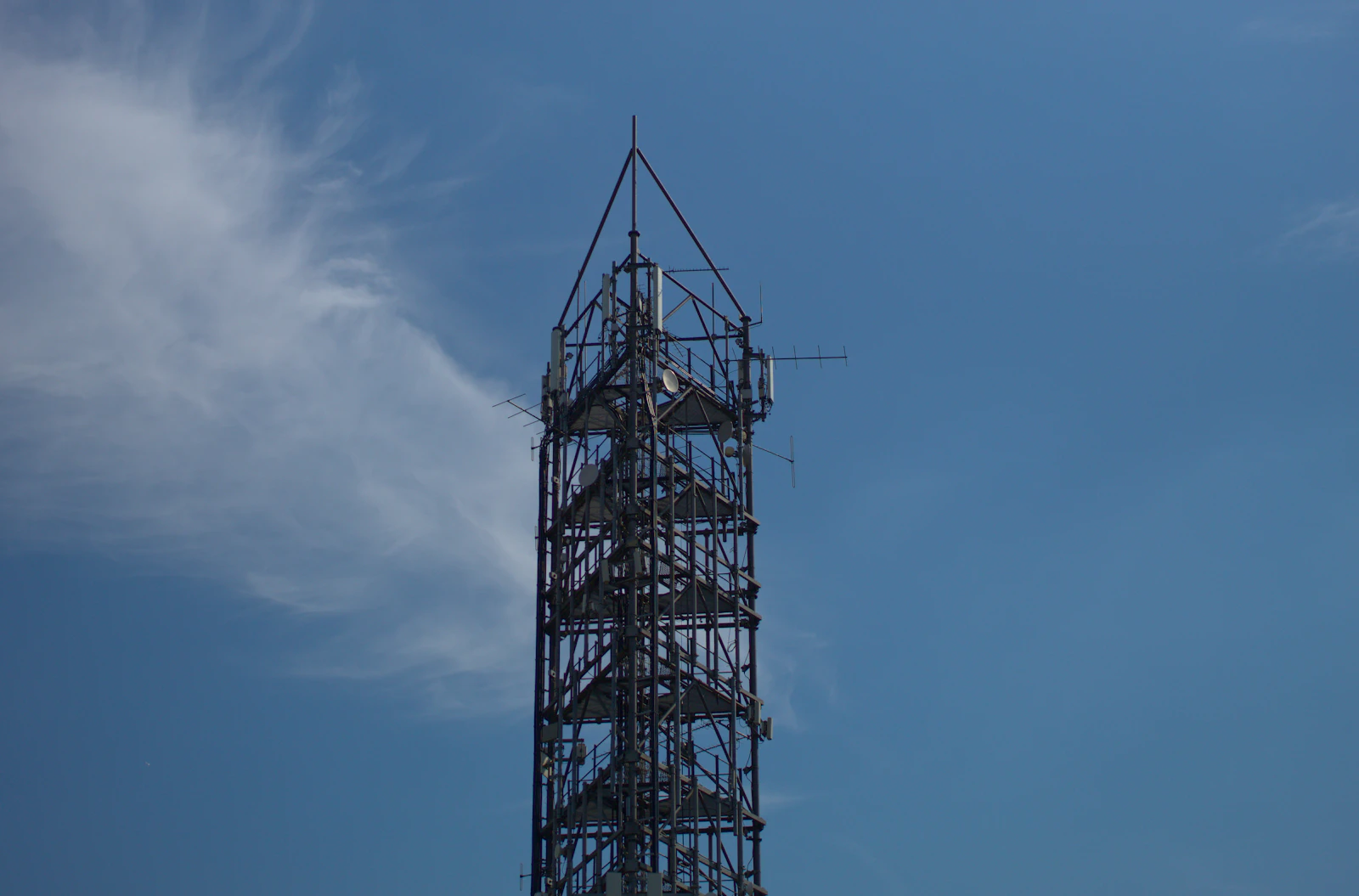
For Washington, DC (DC metro) scaffold tower equipment hire supporting solar panel installation in 2026, plan budgeting around $60–$110/day, $200–$450/week, and $450–$1,250 per 28-day month for smaller rolling/baker-based configurations, while taller exterior tower kits (typically 15–25 ft working height with guardrails and outriggers) commonly budget at $120–$220/day, $375–$750/week, and $700–$1,600 per 28-day month, before delivery, permits, loss/damage coverage, and accessories. Most DC-area projects source these through national rental networks (e.g., large construction rental houses with DC/MD/VA branches) or local scaffold yards around the Beltway; final pricing depends heavily on access constraints, curbspace logistics, and whether you’re renting a pre-bundled “tower kit” vs. piece-by-piece components.
| Vendor |
Daily Rate |
Weekly Rate |
Review Score |
Website |
| United Rentals (Bladensburg / Washington, DC metro) |
$125 |
$440 |
8 |
Visit |
| Sunbelt Rentals (Washington, DC branch #179) |
$115 |
$405 |
7 |
Visit |
| The Home Depot Tool & Truck Rental (NE Washington DC #2583) |
$95 |
$340 |
8 |
Visit |
| Ladders & Things (Washington, DC Metro) |
$110 |
$385 |
10 |
Visit |
Scaffold Tower Rental Rates Washington 2026
The rates below are planning ranges for 2026 intended for trade estimators and rental coordinators. They assume a standard rental “day” (often an 8-hour billing day), a “week” (often 5–7 billing days depending on contract language), and a “month” defined as 28 days unless your MSA specifies calendar-month billing. Washington, DC delivery and staging constraints can push total installed cost materially higher than the base hire rate.
- Compact rolling/baker scaffold (single section or low tower, interior/light exterior use): budget $60–$110/day, $200–$450/week, $450–$1,250/month depending on whether rails, outriggers, and additional platform height are included.
- 12–18 ft rolling scaffold tower (common for set-back roof edges and dormers): budget $90–$170/day, $300–$600/week, $650–$1,350/month.
- 20 ft exterior tower kit (frames/braces/planks/rails/outriggers as a set): budget $120–$220/day, $375–$750/week, $700–$1,600/month.
- 25–30+ ft exterior tower (often requires tie-ins/engineering review and more accessories): budget $175–$325/day, $600–$1,100/week, $1,400–$2,600/month.
Assumption note: many rental companies price scaffold towers either (a) as a kit (you must take every component in that kit), or (b) by individual component (frames, braces, planks, casters, guardrails, outriggers). For solar panel installation access, kits can reduce missed parts and jobsite delays, while component hire can be cheaper when you already have some inventory (e.g., planks or base plates) in-house.
What Drives Real Scaffold Tower Equipment Hire Costs for Solar Panel Installation in Washington, DC?
Solar work changes the cost picture because your tower is rarely a simple “paint-and-go” setup. You’re typically staging panels, rails, clamps, conduit, and toolboxes, and you’re working near roof edges where guardrails, toe boards, and controlled access become cost drivers. In Washington, DC, the highest swings in scaffold tower hire cost usually come from the following:
- Working height vs. platform height: a tower spec’d for a 2–3 story rowhouse can require more frames, braces, and stabilizers than a 1-story flat-roof commercial annex. More components mean more hire and more missing/damage exposure.
- Single-width vs. double-width platforms: double-width improves productivity for solar staging but can increase weekly hire and delivery footprint (more curbspace and heavier pallet count).
- Stability requirements (outiggers, tie-ins, base conditions): DC’s mixed substrates—brick pavers, sloped sidewalks, basement areaways, and alley aprons—often require leveling jacks, additional mud sills/cribbing, and stricter erection controls.
- Access and logistics: downtown and close-in neighborhoods commonly require advance planning for loading zones, narrow streets, and restricted delivery windows. This is often a larger cost lever than the tower itself.
- Duration uncertainty: interconnection scheduling, inspections, and weather delays can move you from a week rate into a month rate (or the reverse). Your cost control hinges on off-rent timing and contract billing rules.
Typical Accessories and Adders You Should Carry for Solar Install Scaffold Tower Hire
Scaffold tower “base” hire often excludes accessories that a solar crew will treat as mandatory. Carry explicit allowances so your quote doesn’t get hit by small-ticket adders that compound over multiple towers.
- Guardrail system: commonly $10–$35/day or $35–$120/week depending on tower width and whether end rails are included.
- Outriggers/stabilizers: commonly $8–$25/day per set or $25–$85/week. Many 20 ft kits include outriggers; verify before dispatch.
- Toe boards/kick plates: commonly $5–$15/day or $15–$55/week; often required where pedestrian exposure exists.
- Leveling jacks: budget $3–$10/day each (or $10–$30/week) where sidewalks slope or pavers settle.
- Casters (locking wheels): budget $3–$12/day per caster (or $10–$40/week). On many contracts, a caster is billable and missing-caster replacement is painful.
- Material handling (light-duty hoist arm/gin wheel): commonly $25–$75/day or $85–$225/week if available through the same rental provider; otherwise, you’ll add a separate tool rental line.
- Platform plank upgrades (aluminum/long-span): budget $10–$25/day per plank when standard wood/steel decks aren’t allowed or when spanning requires a rated platform.
DC-specific note: if your tower is staged on a public sidewalk or near a property line with pedestrian traffic, you may need additional control measures (barricades, signage, debris netting). Even when those items are sourced separately, they belong in your scaffold tower equipment hire cost total.
Hidden-Fee Breakdown (Where Scaffold Tower Hire Budgets Usually Blow Up)
Most overruns aren’t caused by the weekly rate—they’re caused by logistics, waiver/coverage, and return-condition charges. When you build a Washington, DC scaffold tower hire budget for solar panel installation, carry the following as explicit cost lines or allowances:
- Delivery and pick-up: common structures include a flat per-trip fee plus mileage. One published schedule example uses $120 each way plus $3.25 per loaded mile for delivery pricing; DC metro deliveries may trend higher based on congestion, curbspace, and access constraints.
- Minimum delivery charges: budget a $150–$350 minimum even for small towers, especially when a dedicated truck is required.
- Missed delivery window / re-delivery: carry $125–$250 for a failed first attempt if the site can’t receive within the scheduled window (common in DC when loading zones get blocked).
- Jobsite carry (hand unload beyond curb): budget $75–$175 if components must be walked through an alley, up a grade, or into a courtyard.
- Waiting time / stand-by: budget $90–$140/hour after an initial grace period (often 15–30 minutes) if the truck is staged with no unload access.
- Loss/damage waiver (LDW) / rental protection program: often 10%–15% of rental charges. Confirm whether it covers theft from an unsecured site and whether there’s a minimum charge.
- Deposit / credit hold: small scaffold component rentals can require deposits like $20 per item (commonly seen on local tool-yard terms), while tower-kit deposits can be materially higher depending on replacement value.
- Cleaning fees: budget $75–$250 if returned with roof tar, sealant, concrete splatter, or adhesive residue.
- Missing pins/clips/end frames: carry $5–$15 per missing pin and $75–$250 for higher-value missing parts (varies by system). Missing-part charges are a frequent closeout surprise when multiple crews touch the tower.
- Late return penalties: budget at least 1 additional day if you miss the branch cut-off; some contracts apply an additional daily charge if equipment is not off-rented before a set time (often early afternoon).
- Weekend/holiday billing: many rental agreements bill Friday-to-Monday as additional days unless you have a true “5-day week” schedule. Solar inspection schedules can unintentionally force weekend billing if you can’t demob before cut-off.
Washington, DC Job Constraints That Change Scaffold Tower Hire Pricing
Two crews can rent the same scaffold tower and end up with very different totals in DC. Build your estimate around the real operational constraints:
- Curbspace and parking enforcement: plan for pre-arranged receiving space. If you can’t secure a spot, your delivery can turn into stand-by time and/or re-delivery charges.
- Delivery window cutoffs: DC-area branches commonly run tight dispatch windows; missing the morning window can push you into next-day delivery, extending billed days.
- Off-rent rules: many providers require off-rent notice before a daily cut-off time; otherwise, you pay at least one more day even if the tower is disassembled and ready.
- Indoor dust-control rules (if staging through occupied space): some sites require floor protection and dust containment. While not a scaffold line item, it often drives labor and may trigger cleaning fees if components are brought through finished interiors.
- Heat and thunderstorms: DC summer conditions can compress workable hours and extend duration, pushing you from weekly to monthly rate territory unless you plan for schedule float.
Example: Solar Panel Installation Tower Hire Budget (Capitol Hill Rowhouse, 7-Day Duration)
Scenario: 2–3 story rowhouse near Capitol Hill; narrow sidewalk and limited alley access. Crew needs a stable tower to reach the roof edge for rail install and module staging. Duration is expected at 7 days but may extend by 2 days for inspection timing.
Budget build (planning-level): carry a 20 ft exterior tower kit at $425–$725/week and add (1) delivery/pick-up $300–$650 total depending on access and mileage, (2) LDW at 12% of rental charges, and (3) a site-carry allowance of $125 if the truck can’t get curbside unload directly at the workface. If you slip into a second week due to inspection, expect a partial-week charge or a second full week depending on your supplier’s billing rules; carrying a contingency of $200–$450 for that extension is typically safer than assuming pro-rating.
Operational constraint to note: if the tower is staged on a slope (common along DC sidewalks), plan leveling jacks and additional base support; don’t assume “included” unless your kit explicitly lists them.
How to Decide Between Tower Kits vs. Component Hire (Cost and Risk)
In the DC metro market, tower kits often look more expensive on paper, but they reduce risk in three ways that matter to solar installers:
- Completeness: kits reduce the “missing one brace” problem that burns a crew-day and forces emergency dispatch.
- Compliance: a kit is more likely to include guardrails and stabilizers that a competent person will require before use.
- Closeout control: it’s easier to count and reconcile a known kit list at return, reducing missing-part backcharges.
Component hire can still win when you’re only replacing damaged pieces, matching an existing in-house system, or assembling low-height staging where you can avoid higher-cost accessories.
Budget Worksheet (No Tables; Line Items and Allowances)
- Base scaffold tower equipment hire (select height class): allowance $__________ (day/week/month rate basis documented)
- Guardrails/end rails/toe boards: allowance $__________ (confirm included vs. add-on)
- Outriggers and leveling jacks: allowance $__________ (include spares if multiple resets expected)
- Casters (locking) and wheel chocks: allowance $__________
- Delivery + pick-up: allowance $__________ (include minimums + mileage)
- Jobsite carry / hand unload: allowance $__________
- LDW / damage waiver: allowance $__________ (carry 10%–15% of rental)
- Permit/traffic control allowance (if applicable): allowance $__________
- Cleaning fee contingency: allowance $__________ (carry $75–$250)
- Schedule slip contingency: allowance $__________ (carry 1–3 extra billed days)
Rental Order Checklist (PO, Delivery, Return)
- PO and terms: confirm billing cadence (28-day month), weekend billing rules, and off-rent cut-off time
- Site receiving plan: named receiver, phone number, and a confirmed unload location (curb/alley/courtyard)
- Delivery constraints: delivery window, truck size restrictions, height/overhead line notes, gate codes, and security check-in requirements
- Scope confirmation: kit vs. components; verify guardrails, outriggers, jacks, pins, and platform planks are included
- Compliance items: identify the competent person for inspections; document tie-in requirements if height triggers it
- Damage control: photo documentation at drop-off and at pickup; tag any pre-existing damage immediately
- Return condition: clean components (no sealant/roof tar), bundled as received, and staged for pickup by the cut-off time
- Closeout reconciliation: count pins/clips/casters before the truck leaves; record any shortages the same day
How to Control Total Scaffold Tower Hire Cost Over a Multi-Week Solar Schedule
For solar panel installation, scaffold towers are often rented longer than planned because of inspection sequencing, utility interconnect timing, and weather. The control lever isn’t just “get a cheaper daily rate”—it’s managing billing triggers and off-rent mechanics so you don’t pay for idle equipment.
- Match the rate to the schedule reality: if you’re already at day 4, validate whether the week rate is cheaper than stacking daily charges. Likewise, if you’re approaching week 3, confirm whether converting to a 28-day rate reduces exposure.
- Confirm pro-rating policy in writing: many rental agreements do not pro-rate partial weeks or partial months the way project teams assume. Budget either (a) the full second week, or (b) a negotiated partial, but don’t assume.
- Off-rent early, pick-up later (when allowed): some suppliers will stop billing when you off-rent, even if the pickup is next day; others bill until physically recovered. Know which system you’re on.
Labor and Service Adders (When the “Tower” Becomes a Scaffold Project)
Many solar installers prefer self-erect rolling towers, but DC jobs can cross a line where you’re functionally running a scaffold scope (especially at 25–30+ ft or when pedestrian exposure is high). When you involve a scaffold service crew for erect/dismantle, carry these planning allowances:
- Erect/dismantle labor: budget $85–$140/hour per person (market varies) and clarify whether the crew is 2-person or 3-person.
- Minimum labor call-out: carry a 4-hour minimum (common), meaning a small scope can still land at $680–$1,680 depending on crew size and rate.
- After-hours or weekend labor: carry a 1.25x–1.5x premium if you must erect during restricted building hours (typical in occupied facilities).
- Engineering/layout review: if required by site policy, carry $250–$1,500 depending on complexity and documentation needs.
These aren’t “nice to have” costs: if your GC, property manager, or safety plan requires professional erection, those numbers can exceed the tower hire itself.
Return-Condition Costs (Avoiding Backcharges on DC Metro Scaffold Tower Rentals)
Closeout discipline is one of the highest-ROI actions a rental coordinator can take. A few repeatable practices prevent most backcharges:
- Pin and clip control: use a dedicated parts bag and a count sheet. It’s common to see $5–$15 charges per missing small part; across multiple towers, this becomes real money.
- Wheel/caster accountability: casters are frequently separated during demob. Missing caster replacements can run $45–$120 each depending on capacity and brand.
- Document condition at pickup: take time-stamped photos. If a third party moves the tower after you stage it, you want a clean handoff record.
- Clean before staging: avoiding a $75–$250 cleaning fee is usually cheaper than arguing later—especially if roof sealant or adhesive is involved.
Washington, DC Area Local Considerations for Solar Panel Installation Scaffold Tower Hire
These aren’t generic scaffolding notes—they’re practical DC metro items that affect price and schedule:
- Neighborhood access constraints (Capitol Hill, Georgetown, Dupont, Adams Morgan): narrow streets and heavy enforcement increase the probability of re-delivery ($125–$250) and stand-by charges ($90–$140/hour).
- Historic rowhouse frontage and tight setbacks: you may need shorter bay widths, extra stabilizers, or alternative staging to avoid areaways and steps—often adding leveling jacks and base support.
- Humidity and summer heat: longer cure times for sealants and mid-day safety breaks can stretch duration, making the month rate a better hedge than consecutive weekly billing.
Ownership Vs. Equipment Hire (When Buying a Tower Beats Renting)
Solar contractors who perform frequent small installs sometimes consider purchasing. As a rule of thumb, if your typical DC-area deployment is repeatedly hitting multi-week durations, buying can pencil—but only if you can control storage, transport, inspections, and parts loss. Hire remains advantageous when:
- you need a specific configuration occasionally (e.g., double-width, taller tower, specialty guardrails)
- you want to shift maintenance and replacement risk to the rental provider
- your job mix includes sites with strict compliance documentation where rental houses can supply standardized systems and paperwork
For mixed portfolios (residential + light commercial), many firms land on a hybrid: own a small baker set for quick punch work and hire larger exterior tower kits as needed.
Quick Add-On Allowances (If You Need More Numeric Coverage in Your Estimate)
- Site signage/barricade allowance: $35–$125 (depending on site rules and duration)
- Plywood/mud sills for base protection: $8–$15 each (carry 4–8 units per tower when sidewalks are uneven)
- Strap/tie materials (where allowed/required): $25–$80 per tower
- Additional platform level (extra frames/braces): $20–$60/day incremental equivalent when rented as components
- Lost time due to incomplete kit (avoidance value): 2-person crew at 2 hours can exceed the delta between component hire and a complete tower kit
Final Notes for Rental Coordinators
When you request quotes for scaffold tower equipment hire in Washington, DC, ask the supplier to quote the total cost structure, not just the day/week/month rate: delivery minimums, mileage, waiting time, waiver %, deposit/credit hold, and return-condition rules. For solar panel installation, confirm whether the tower is rated and configured for the expected side loading and whether guardrails/outriggers are included. Most budget surprises are contractual mechanics—not the scaffold itself.