

For Atlanta foundation repair scopes in 2026, plan shotcrete pump equipment hire in two common ways: (1) equipment-only hire (less common due to training/liability) and (2) pump + operator “pumping package” (most common in the Atlanta market via specialty concrete pumping/shotcrete contractors and national rental houses supporting contractor accounts). For budgeting, a small-to-mid wet-mix shotcrete pump typically plans at $750–$1,250/day, $2,600–$4,300/week, or $7,500–$12,500/month for equipment-only (availability dependent). For a pump + operator package, planning ranges are commonly $1,450–$2,650/day, $5,400–$9,600/week, or $14,500–$24,500/month, with nozzle labor, hoses, and support equipment priced separately. These are 2026 planning ranges assuming standard access, one-shift operation, and normal wear; tight access basements, after-hours placement, and heavy cleanup will move totals materially.
| Vendor | Daily Rate | Weekly Rate | Review Score | Website |
|---|---|---|---|---|
| Brundage-Bone Concrete Pumping (Atlanta) | $2 500 | $9 500 | 8 | Visit |
| PKS Concrete Pumping Services | $2 200 | $8 400 | 10 | Visit |
| Jensen’s Concrete Line Pumping | $1 950 | $7 400 | 8 | Visit |
| Omanovic Concrete Line Pumping LLC | $1 700 | $6 400 | 10 | Visit |
| Ernst Concrete (Concrete Pumping – Georgia) | $2 300 | $8 800 | 7 | Visit |
Assumptions used for the ranges above (state these on your estimate): wet-mix rotor/stator or small swing-tube style shotcrete pump suitable for structural repair shotcrete, 2.0–3.0 in line typical, 8-hour shift, normal aggregate gradation for repair mixes, and standard Atlanta metro delivery radius. If your spec requires ACI-certified nozzle personnel, silica controls, or engineered shotcrete testing, carry those as separate labor/compliance line items; this page focuses strictly on equipment hire costs and typical rental adders.
In foundation repair, shotcrete pumping is usually intermittent, access is constrained, and the risk of line plugs and washout is higher than slab placements. That shifts cost from “just a pump” to availability + mobilization + cleanup. In Atlanta, many jobs involve basements, crawlspaces, or narrow side-yard access; that can require shorter hose runs with more setup moves or a smaller pump footprint, increasing standby and labor adders even if the daily hire rate is unchanged.
Typical shotcrete pump hire configurations used on foundation repair scopes:
Use the daily/weekly/monthly ranges as your baseline, then adjust for the job conditions below. These are the items that most often create budget variance on Atlanta foundation repair projects.
Delivery and pickup are rarely “free” for shotcrete pumps. For 2026 planning in Atlanta metro, carry a $300–$650 combined mobilization allowance when the supplier is within a typical metro radius, then add mileage beyond that. A common structure is a flat fee plus a per-mile charge (for example, $5–$8 per loaded mile beyond an included radius). If your site is inside the Perimeter or requires tight delivery timing due to I-285/I-75 congestion, ask about delivery windows and after-hours fees early; a frequent adder is an after-hours/guaranteed window charge of $150–$300 per move.
Atlanta-specific considerations to note in your rental order:
Shotcrete pump providers commonly carry minimums because mobilization and washout time are non-trivial. For budgeting, assume a minimum charge equivalent to 4 hours on short calls or a $275–$600 minimum on equipment-only dispatches (structures vary). If your crew is not ready when the pump arrives (rebar not tied, forms not sealed, inspection not cleared), standby adds up quickly; carry $95–$140/hour for standby time when the pump/operator is on site but not pumping.
Also clarify off-rent rules in writing. A typical operational constraint is an off-rent cut-off around 2:00 PM for next-day billing control; calling off-rent after the cut-off can roll billing into the next day. Weekend rules matter: if the equipment is kept on site over a weekend, some suppliers bill Saturday at 50% of a day and Sunday at 0–50% depending on contract, while others bill a full weekend day if the unit is not returned by a Friday cutoff. For planning, carry a 15–25% weekend/holiday surcharge when you require weekend dispatch, guaranteed time, or emergency response.
Below are the most common “surprise” line items that appear on invoices. None are inherently wrong; the issue is missing them in the estimate.
Foundation repair shotcrete frequently needs non-standard accessories (shorter line sizes, reducers, extra hose to reach behind a structure, and dust/water control). These are usually priced separately from the base shotcrete pump hire.
Scenario: 2-day foundation repair shotcrete scope in an older in-town Atlanta neighborhood. Pump must stage in a driveway with limited turning radius; hose must reach through a basement window well. Crew can only work 7:00 AM–3:30 PM due to HOA/noise expectations, and the supplier requires off-rent notice by 2:00 PM.
Budget sketch (equipment hire focused): carry a pump + operator package at $1,900/day for 2 days, mobilization $450 (delivery + pickup within metro), additional hose package $90/day, and standby allowance 2 hours at $120/hour because inspection timing is uncertain. Add damage waiver at 15% if you cannot provide the right insurance documents. Include a cleaning contingency of $450 due to red clay/mud access after rain. This type of job often looks like “two simple days,” but the operational constraints (tight access, window well hose routing, inspection risk, and cleanup) are what drive the total cost of the equipment hire package.
For foundation repair, the schedule is usually stop/start. Weekly rates only win if you will actively place shotcrete multiple days with minimal idle time and you can keep the pump secured and clean on site. Use these heuristics for 2026 planning:
Risk note for estimators: if your plan involves keeping the pump on site but not pumping every day, clarify whether the supplier bills “calendar days” or “work days,” and whether weekend days are discounted or billed at full rate. This is one of the most common sources of cost drift on shotcrete pump equipment hire in Atlanta.
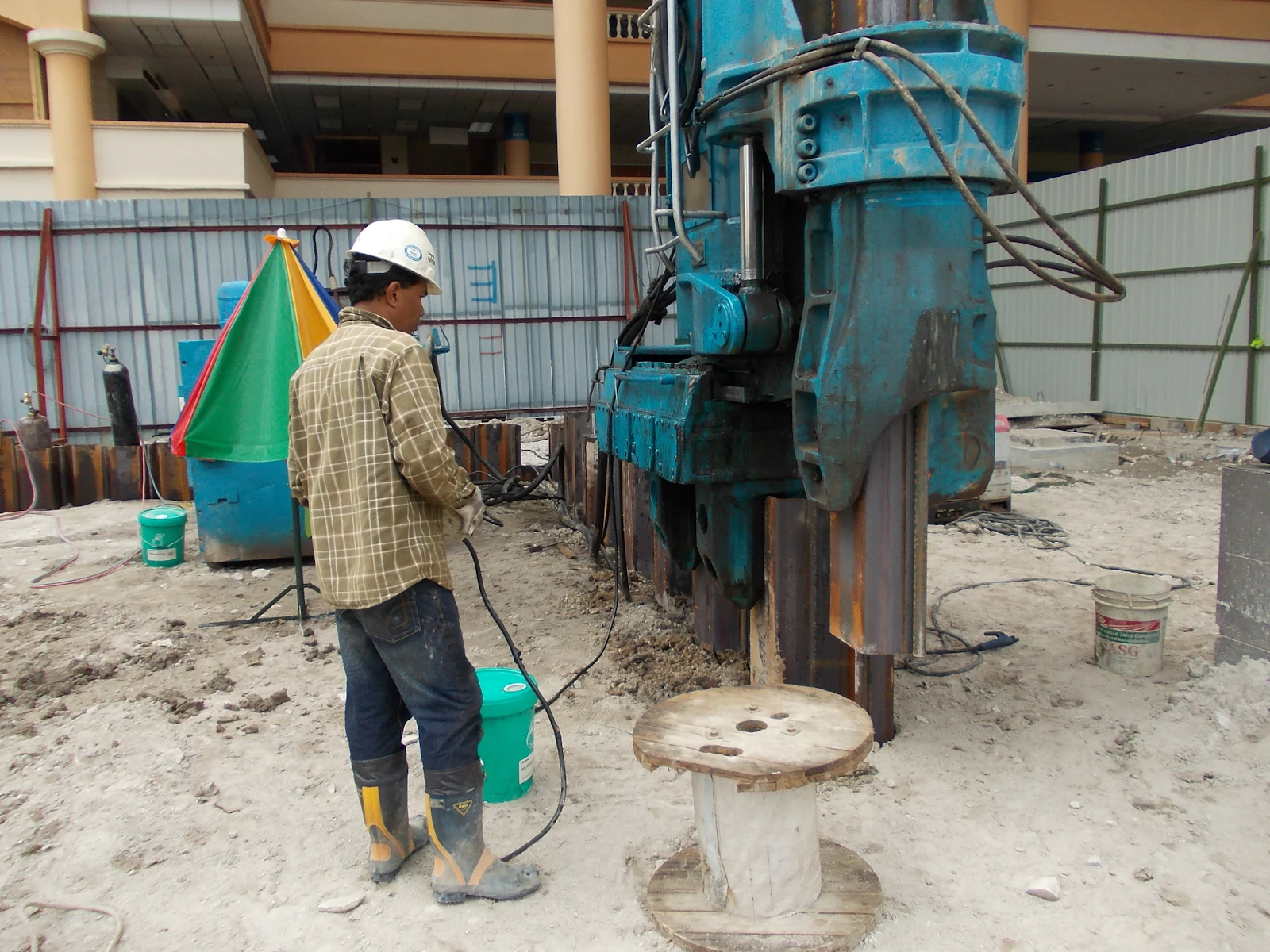
Shotcrete pump equipment hire is often governed more by terms than by the base rate. Before you release a PO, align these items with your supplier and document them in the order notes.
For equipment-only shotcrete pump hire (when available), a refundable deposit or credit card hold is common. For 2026 planning, carry $2,000–$5,000 for deposit/hold requirements if you are not on established terms. Some providers also require evidence of competent operation (internal qualifications, prior rental history, or documented training). If competency documentation is missing, you may be forced into a pump + operator package even if you intended equipment-only hire.
Confirm the shift definition. Many pumping packages assume an 8-hour day; overtime commonly bills at 1.5x after that, or at a set hourly rate. For estimating in Atlanta, carry $130–$175/hour for operator overtime when a package is billed hourly beyond the base. If you need an emergency dispatch (failed wall, active leak, or unplanned stabilization), budget a call-out premium of $250–$500 or a 20% uplift on the day rate, depending on day/time and resource availability.
Foundation repair sites create more return-condition issues than open slab pours. To avoid chargebacks, plan the job around these realities:
On shotcrete pump equipment hire, the risk profile is higher than general equipment because a plug or mismanaged washout can cause damage and downtime. If you are accepting the damage waiver, keep it explicit on your estimate at 12–17%. If you are waiving it via insurance, make sure your certificates match the supplier’s requirements; missing endorsements frequently triggers forced waiver charges.
Use this as a starting point for a foundation repair shotcrete package in Atlanta. Adjust quantities and durations to your production plan.
Two local operational patterns affect shotcrete pump equipment hire costs more than most teams expect:
For most foundation repair contractors, shotcrete pump ownership only makes sense when utilization is consistently high and you can control trained operators, maintenance, and washout compliance. If your annual plan is intermittent (many small repairs with unpredictable inspections), hire typically reduces risk—even if the daily rate looks high—because you avoid storage, rotor/stator wear exposure, and the compliance burden of maintaining a specialty unit. If you are approaching a dedicated crew running 3+ days/week for multiple months, request monthly hire pricing and compare it against internal ownership costs (maintenance, downtime, and replacement wear parts), but keep mobilization, standby, and cleanup line items explicit either way.
