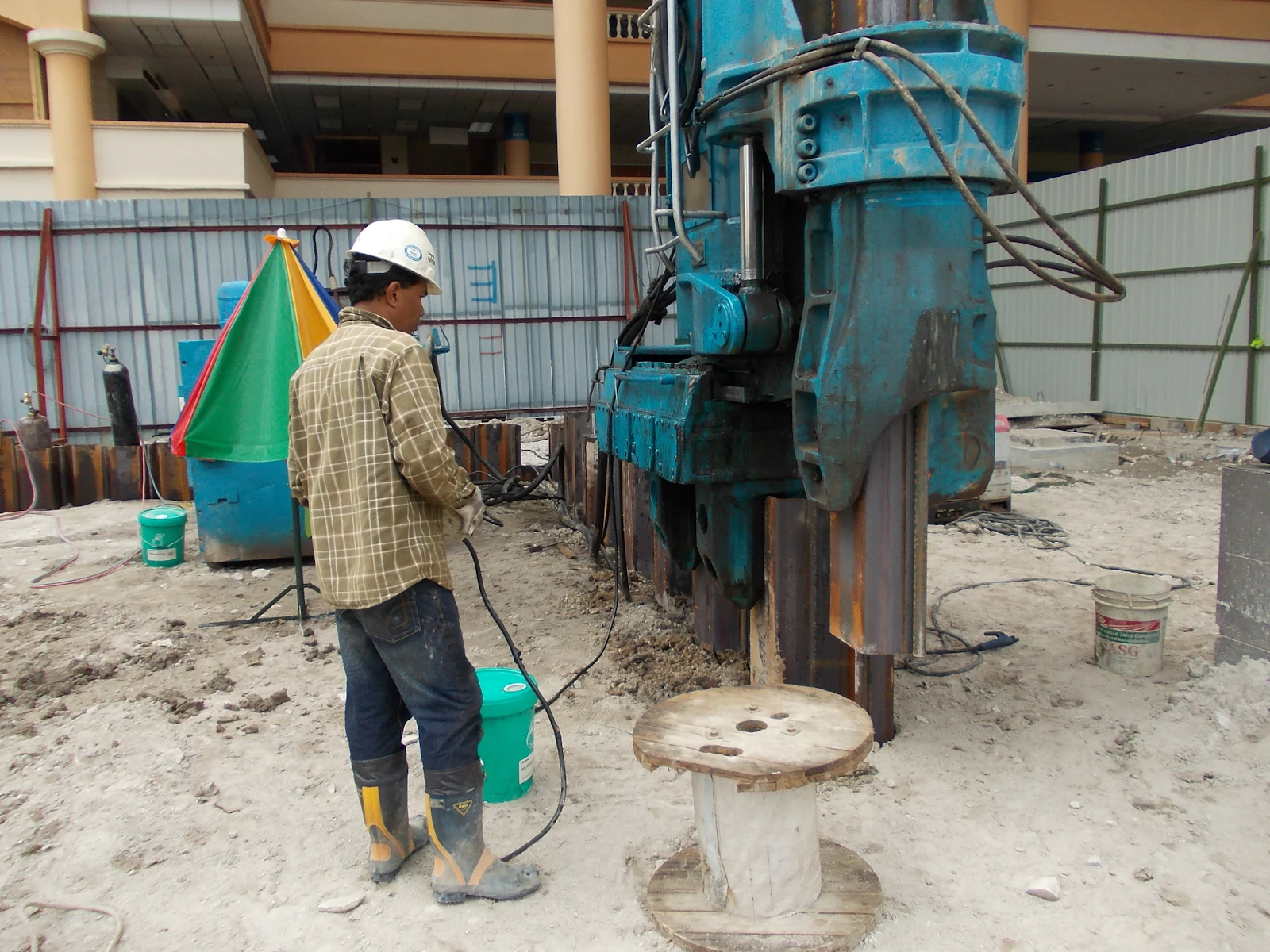
Shotcrete Pump Hire Costs Mesa 2026
For Mesa, Arizona foundation repair scopes, 2026 planning ranges for shotcrete pump equipment hire typically land in three tiers depending on pump type and output: (1) low-volume electric rotor-stator/squeeze pumps used for repair mortar and small wet-mix shotcrete runs at $250–$650/day, $900–$2,100/week, and $2,700–$5,500/28-day month; (2) midrange trailer-mounted wet-process shotcrete/concrete pumps (often specified for structural shotcrete walls, grade beam repairs, and underpinning access pits) at $750–$1,600/day, $2,500–$5,200/week, and $7,500–$15,500/28-day month; and (3) high-output specialty shotcrete pumps at $1,300–$2,100/day, $4,000–$6,500/week, and $12,000–$19,000/28-day month. These are budgeting ranges assuming one 8-hour shift, a 5-day “week,” and a 28-day “month,” and they exclude delivery, hoses, nozzle packages, compressors, operator labor, cleaning, taxes, and consumables. In the East Valley, national rental houses (and specialty pump/shotcrete firms that rent with operator) can support shotcrete pump rental for foundation repair, but your total hire cost is usually driven more by logistics and return-condition rules than by the base rate alone. A published example of a high-output shotcrete pump rate (outside Arizona) shows how quickly the top tier can price: a Putzmeister TK60HP listed at $1,432/day, $4,297/week, and $12,890/month (market rate example; not Mesa-specific).
| Vendor |
Daily Rate |
Weekly Rate |
Review Score |
Website |
| Action Concrete Pumping Supply, LLC (Shotcrete Supply) |
$450 |
$2 400 |
10 |
Visit |
| Brundage-Bone Concrete Pumping (Mesa, AZ Branch) |
$1 800 |
$9 000 |
9 |
Visit |
| Fleming & Sons Concrete Pumping, Inc. (Mesa, AZ) |
$1 750 |
$8 750 |
8 |
Visit |
| Superior Grout & Concrete Pumping LLC (Phoenix Metro) |
$1 600 |
$8 000 |
9 |
Visit |
| Western Concrete Pumping Inc. (AZ Service Coverage) |
$1 850 |
$9 250 |
8 |
Visit |
What Shotcrete Pump Setup Are You Hiring for Mesa Foundation Repair?
In foundation repair, “shotcrete pump” can mean very different equipment classes. Tight access, limited batch sizes, and finish requirements in Mesa (especially in occupied facilities or constrained residential/commercial sites) often push contractors toward smaller pumps than what a tunnel or large retaining wall crew would use. Before you request quotes, align the hire package to the application, because the wrong pump choice is a common reason rental costs balloon through standby, clean-out, and re-delivery charges.
- Rotor-stator (progressive cavity) or squeeze pumps: Often used for repair mortar, cementitious grouts, and small wet-mix shotcrete. Lower mobilization and easier power requirements (commonly 110V/15A or 230V), but limited aggregate size and output.
- Trailer-mounted piston pumps (TK-style): Used for structural shotcrete and larger placement volumes; typically diesel and towable. These push higher line pressures and longer hose runs, but are more sensitive to improper priming, mix design, and end-of-day clean-out.
- Complete shotcrete “system” rentals: Pump + compressor (especially for certain nozzle/air needs) + hose + nozzle + accelerant dosing pump. Manufacturer literature commonly lists performance parameters (output/pressure) that materially affect what you should hire for a given hose length and vertical rise.
Mesa-specific note: for foundation repair in the Phoenix–Mesa metro, your delivery origin may be a Phoenix yard rather than a Mesa yard, and “short notice” deliveries can be constrained by morning heat starts and traffic windows on the US-60/Loop 202 corridors. That tends to increase the value of reserving early and specifying accurate hose length, power/fuel type, and access constraints up front.
What Drives Shotcrete Pump Equipment Hire Cost on Foundation Repair Sites?
The base day/week/month rate is only one part of the equipment hire cost for a shotcrete pump. For Mesa foundation repair, the cost drivers below routinely add 20%–80% to the invoice depending on how the site is managed.
- Output class and pressure rating: Higher pressure capability generally tracks to higher wear-part costs (piston cups, S-valves/rock valves, rotor/stator, clamps), which shows up as higher rental rates and stricter cleaning rules.
- Hose length and diameter: Budget $25–$60/day per additional 50 ft section of shotcrete hose beyond the “standard” included length, and plan a potential $8–$15/ft back-charge if a hose section is damaged, cut, or returned with hardened material.
- Nozzle package and safety accessories: Nozzle, blow-down, clamps, whip-checks, and reducers often rent separately at $40–$95/day depending on spec.
- Air compressor requirement: If your nozzle package or process requires a dedicated compressor, plan $150–$350/day (and verify CFM at pressure). Even where a compressor is “available,” it may not be staged on the same delivery as the pump unless requested.
- Power support: If you need a towable generator due to limited site power, plan $90–$160/day for a 10–15 kW class unit plus fuel and delivery coordination.
- Accelerator dosing pump (if specified): Budget $75–$150/day plus chemical handling requirements, spill containment expectations, and end-of-shift flushing time.
From an estimator’s standpoint, the practical takeaway is: if you can reduce hose length by 50–100 ft through better staging (or choose a pump sized correctly for the run), you can often save more than negotiating $50 off a day rate—because you avoid both accessory rent and the most common back-charges.
Delivery, Pickup, and Mobilization Pricing in Mesa (East Valley)
Delivery is where shotcrete pump equipment hire gets “non-standard,” especially for towable diesel units and any hire package that includes compressor, generator, hoses, and washout containment. Typical Mesa budgeting allowances for 2026:
- Round-trip delivery/pickup (local): $150–$350 within a typical “local radius” (often 10–20 miles, but defined by the yard).
- Mileage beyond local radius: $4–$6 per mile (one-way or round-trip depending on contract language—confirm this).
- Limited delivery windows / after-hours: add 15%–25% when you require 6:00–7:00 a.m. drop, late-day pickup, or weekend gate time.
- Jobsite wait time: commonly billed after 30–60 minutes at $95–$140/hour if the driver cannot offload due to blocked access, missing forklift, or unready laydown area.
- Re-delivery / dry-run (site not ready): often $175–$300 plus the lost day if the unit cannot be staged safely.
Operational constraint that changes cost: many rental coordinators in the metro apply a same-day off-rent cutoff (commonly around 3:00 p.m. weekdays). If you call off-rent after cutoff, you may be billed an additional day even if the pump is physically picked up the next morning. Put the cutoff time in your PO notes and align it to your placement schedule.
Hidden-Fee Breakdown
When you’re budgeting shotcrete pump rental for foundation repair in Mesa, carry allowances for the “small print” items below; these are the recurring sources of cost overrun on real projects:
- Minimum rental charge: commonly 1 day for small pumps, but 2–3 day minimum is not unusual on specialty shotcrete pumps (especially peak season).
- Damage waiver (optional but common): budget 10%–15% of the base rental rate (sometimes calculated on rent + accessories). This is not the same as liability insurance.
- Refundable deposit / authorization hold: often $500–$2,500 depending on pump value and whether you have established credit.
- Cleaning fee: $125–$350 if returned with normal residue; $400–$900+ if hardened material requires disassembly or shop time.
- Wear parts (back-charged if excessive): rotor/stator wear, pinch tube wear, clamps, gaskets, and hopper grates. A common “pain point” is end-of-day cleanout: if you don’t have cleanout balls, water, and a dedicated washout plan, the wear/cleaning back-charge can exceed a day’s rent.
- Fuel and DEF (diesel pumps/generators): refuel is commonly billed at $6–$9/gal plus a service fee if you return below the contract level (often “full”). DEF top-off, if applicable, may be charged separately.
- Consumable hose gaskets and clamps: budget $5–$20 each for common small items that go missing during breakdown.
- Late return: frequently billed as 1/4 day to 1 full day depending on how late and whether the unit is reserved for another job.
Insurance, Damage Waiver, and Compliance Items That Affect Hire Cost
Shotcrete pumping is a higher-risk rental category than general small tools. In Mesa, it’s common for rental providers and specialty pump firms to require:
- Certificate of Insurance (COI) naming the provider as additional insured (lead time can be 24–48 hours depending on your broker).
- Competent operator requirements: some providers will only release a trailer-mounted pump to contractors with demonstrated experience, or they’ll require hiring the pump with an operator.
- Job hazard controls: whip checks, exclusion zones, and documented hose inspections. If the provider supplies required safety accessories, they can add $15–$45/day in accessory rent, but often reduce incident risk and back-charges.
Mesa-area example of a local provider that markets concrete, grout, and shotcrete pump services/rentals illustrates how commonly these rentals sit in the specialty category rather than general rental.
Off-Rent Rules, Weekend Billing, and How Foundation Repair Schedules Get Billed
Foundation repair shotcrete work rarely runs like a clean Monday–Friday production pour. That makes billing rules critical:
- Weekend billing: some contracts treat a Friday delivery with Monday pickup as 3–4 billed days (not 1 “weekend flat”). If you must hold the pump over a weekend, ask for a weekly rate or a written weekend accommodation.
- Holiday surcharge / blackout dates: carry a 20%–35% premium allowance if your scope risks landing on a holiday weekend or requires emergency response.
- Standby time (when rented with operator): commonly $90–$140/hour if the pump/crew is on site but cannot place due to inspection holds, rebar issues, or mix truck delays.
- Cancellation: within 24 hours, some providers bill a $250–$500 cancellation/mobilization fee (especially if the unit was scheduled with driver/operator).
Example: Mesa Foundation Repair Shotcrete Patch With a Midrange Trailer Pump
Scenario: You have a foundation repair scope near central Mesa requiring shotcrete to restore a stem wall section and an access pit shoring face. You expect 10 yd³ placed over two mornings, with limited driveway access and a 120 ft hose run around an occupied structure. You schedule a two-day rental to avoid weekend billing risk, with delivery at 6:30 a.m. to beat heat and allow prep.
- Midrange trailer-mounted shotcrete pump hire: $1,100/day × 2 = $2,200 (planning figure within the Mesa tier-2 range).
- Additional hose beyond included length: 50 ft at $45/day × 2 = $90.
- Nozzle/safety accessory package: $75/day × 2 = $150.
- Compressor rental (if required by your nozzle/process): $225/day × 2 = $450.
- Round-trip delivery/pickup: $275 (local allowance).
- Early delivery window premium: 15% applied to delivery = $41.
- Damage waiver: 12% of base rent ($2,200) = $264.
- Cleaning allowance: carry $200 (avoid by documenting clean return with photos and washout plan).
Budgetary equipment hire subtotal: approximately $3,620 before tax and before any operator labor, standby, refuel, or wear-part back-charges. The operational constraints that keep this from blowing up are (1) having washout containment on site, (2) having water access staged, and (3) calling off-rent before the provider’s cutoff so you don’t buy a third day.
Budget Worksheet
- Shotcrete pump equipment hire (select tier): allowance $500–$2,000/day depending on pump class and output requirements.
- Weekly/monthly conversion: assume 5 billed days/week and 28 billed days/month; confirm provider’s calendar billing rules.
- Delivery/pickup: allowance $150–$350 local, plus mileage $4–$6/mi beyond radius.
- Accessory hose: allowance $25–$60/day per extra 50 ft; carry a damage contingency of $8–$15/ft.
- Nozzle + whip-check + clamps: allowance $40–$95/day.
- Compressor (if required): allowance $150–$350/day.
- Generator (if required): allowance $90–$160/day plus fuel/refuel service $6–$9/gal.
- Damage waiver: allowance 10%–15% of rental.
- Cleaning/return-condition: allowance $125–$350; hardened-material contingency $400–$900+.
- Standby/late return contingency: allowance $90–$140/hr (with-operator) or 1/4–1 day penalty (bare rental).
Rental Order Checklist
- PO includes: pump type (rotor-stator vs trailer piston), power source (electric/diesel), required output/pressure, and application (wet-mix shotcrete for foundation repair).
- Delivery instructions: exact address, gate codes, laydown area, delivery window, and any site restrictions (noise/dust curfews, occupied facility hours).
- Accessories confirmed: total hose length, diameter, nozzle package, clamps, whip-checks, reducers, compressor, generator, accelerator dosing pump (if specified).
- Return/cleaning plan: washout containment method, water access, disposal plan, end-of-day cleanout time built into the schedule (do not “value engineer” this out).
- Off-rent rules written into notes: cutoff time (e.g., 3:00 p.m.), weekend/holiday billing treatment, and who must be present for pickup.
- Documentation at delivery and return: photos of hopper, line, hoses, hour meter (if present), and accessory count; capture any pre-existing damage the moment it lands.
- Insurance/credit: COI on file, damage waiver decision documented, deposit/authorization confirmed.
If you want the most reliable Mesa pricing for 2026 planning, request two quotes: (1) bare equipment hire (pump + accessories) and (2) equipment hire with operator/tech support. Even if you plan to self-operate, the “with operator” quote gives you a benchmark for the true risk-loaded cost of the placement day and helps you quantify whether operator-driven uptime is worth it on constrained foundation repair schedules.
Hiring Bare Equipment vs. Hiring a Shotcrete Pump With Operator in Mesa
For foundation repair, many contractors assume “rental” means they’ll tow a trailer pump to site and run it themselves. In practice, higher-output shotcrete pumps are frequently supplied as equipment hire with operator (or at least with startup/tech support) because improper operation creates expensive wear-part and cleaning outcomes. When you compare the two models, price them in a way your PM team can actually control.
- Bare shotcrete pump hire: lower visible day rate, but you carry performance risk. Budget additional internal labor for setup, priming, cleanout, and return-condition compliance (often 2–4 labor-hours/day beyond nozzleman time).
- Shotcrete pump hire with operator: usually billed as an hourly package with minimums. Common market patterns are a 4-hour minimum and an operator rate in the range of $85–$125/hour, plus mobilization. For context on how concrete pump services can price hourly when provided with equipment and operator, a public agency bid sheet (non-Arizona) shows trailer/line pump hourly rates in the ~$298–$385/hour range and boom pump rates higher (region/time specific, used here only to illustrate the billing structure you may see).
Practical Mesa guidance: if the foundation repair scope has inspection uncertainty (rebar discovery, unexpected voids, access pit changes), the with-operator model can be cheaper overall because it reduces stalled hours, mis-priming events, and end-of-shift cleaning risk—especially when you have only a morning window due to heat and occupancy constraints.
Power, Water, and Dust-Control Add-Ons That Change Shotcrete Pump Hire Cost
Mesa work often runs in hot, dry, dusty conditions that affect both placement quality and rental compliance. These items are not always in the “pump quote,” but they’re frequently required to keep the job moving and the equipment returnable:
- Dust control / indoor negative air (if spraying inside a crawl space or enclosed bay): budget $120–$220/day for an air scrubber/negative air machine and $35–$70/day for HEPA filtration adders where required by the GC or owner.
- Water supply support: if you don’t have reliable on-site water, budget a small water trailer or tank solution and a transfer pump at $50–$125/day plus delivery. (This is often a schedule-saver because cleanout cannot slip.)
- Washout containment: budget $75–$175 for washout containment materials on small sites, or more if the owner requires lined containment and documented disposal.
- Heat-mitigation scheduling: if you must take a 6:00 a.m. start, carry a logistics premium (commonly 15%–25% on delivery or service mobilization) and confirm the provider can meet early staging.
These are also SEO-relevant procurement terms to include in your RFQ: “shotcrete pump hire cost Mesa with compressor,” “shotcrete pump rental for foundation repair with dust control,” and “wet-mix shotcrete pump equipment hire with generator.”
Maintenance and Return-Condition Standards to Avoid Back-Charges
The fastest way to turn an acceptable shotcrete pump rental rate into an expensive rental is a bad return condition. For foundation repair teams, the return standards should be treated like a spec section, not a casual expectation.
- End-of-day cleanout time: plan 45–90 minutes for cleanout depending on hose length and mix. If you “run to empty” and lose prime with fiber-heavy mix, you increase the likelihood of hardened plugs and shop cleaning fees.
- Photo documentation: require foreman photos of hopper, grate, hose ends, nozzle, and accessory count at pickup. If a clamp or reducer goes missing, the replacement can be $35–$120 per item depending on size.
- Hose condition: return hoses drained and capped. Many providers treat concrete in hose as damage; replacement exposure can be $8–$15/ft as noted in the budgeting section.
- Refuel expectations: diesel units are often “return full.” If you return short, refuel can be $6–$9/gal plus a trip/service fee.
If you’re hiring from a specialty pump/shotcrete provider in Mesa (not general rental), ask specifically how they handle washout water and what documentation they require at return—because those rules are where disputes typically start.
2026 Planning Notes for Shotcrete Pump Equipment Hire in the Phoenix–Mesa Market
For 2026 forecasting, expect availability constraints to matter as much as rate cards for niche equipment like shotcrete pumps. In the Phoenix–Mesa metro, high construction activity tends to tighten specialty equipment calendars, and the cost impact shows up as minimum rental terms (2–3 day minimums), reduced flexibility on delivery windows, and fewer concessions on weekend billing. If you’re planning foundation repair programs (multiple small sites), you can reduce total equipment hire costs by bundling sites so the pump stays utilized rather than sitting billed and idle.
Quick Spec Notes to Put in Your RFQ (So Quotes Are Comparable)
- Wet-process shotcrete vs. grout/mortar pumping (state maximum aggregate and whether fiber is included).
- Required placement volume per shift (yd³/day) and expected hose length/vertical rise.
- Power source preference (110V/230V electric vs diesel) and whether a generator is needed.
- Accessory package required: hose length/diameter, nozzle, compressor CFM requirement, whip checks, reducers.
- Service model: bare equipment hire vs with operator; request minimum hours and standby policy.
Manufacturer documentation commonly lists output and pressure capabilities for shotcrete/mortar pump families; using those specs in your RFQ helps rental providers size the unit correctly and reduces change-order risk on hire cost.
Local Sourcing Reality Check (Mesa)
In Mesa, you’ll typically source shotcrete pump rentals from (a) specialty concrete pumping/shotcrete providers that rent as a service package, and/or (b) large rental networks whose nearest suitable yard may not be within Mesa city limits. United Rentals, for example, operates a large multi-location network that can support regional sourcing even when a given specialty unit isn’t sitting in-town; that reality affects lead time and delivery cost planning.
Bottom line for rental coordinators: lock down the equipment configuration (pump class + hose length + compressor/generator needs), write off-rent and weekend billing rules into the PO, and budget cleaning/return-condition compliance as a real line item. That is the most reliable way to control total shotcrete pump equipment hire costs in Mesa for foundation repair in 2026—more than trying to chase the lowest published day rate.