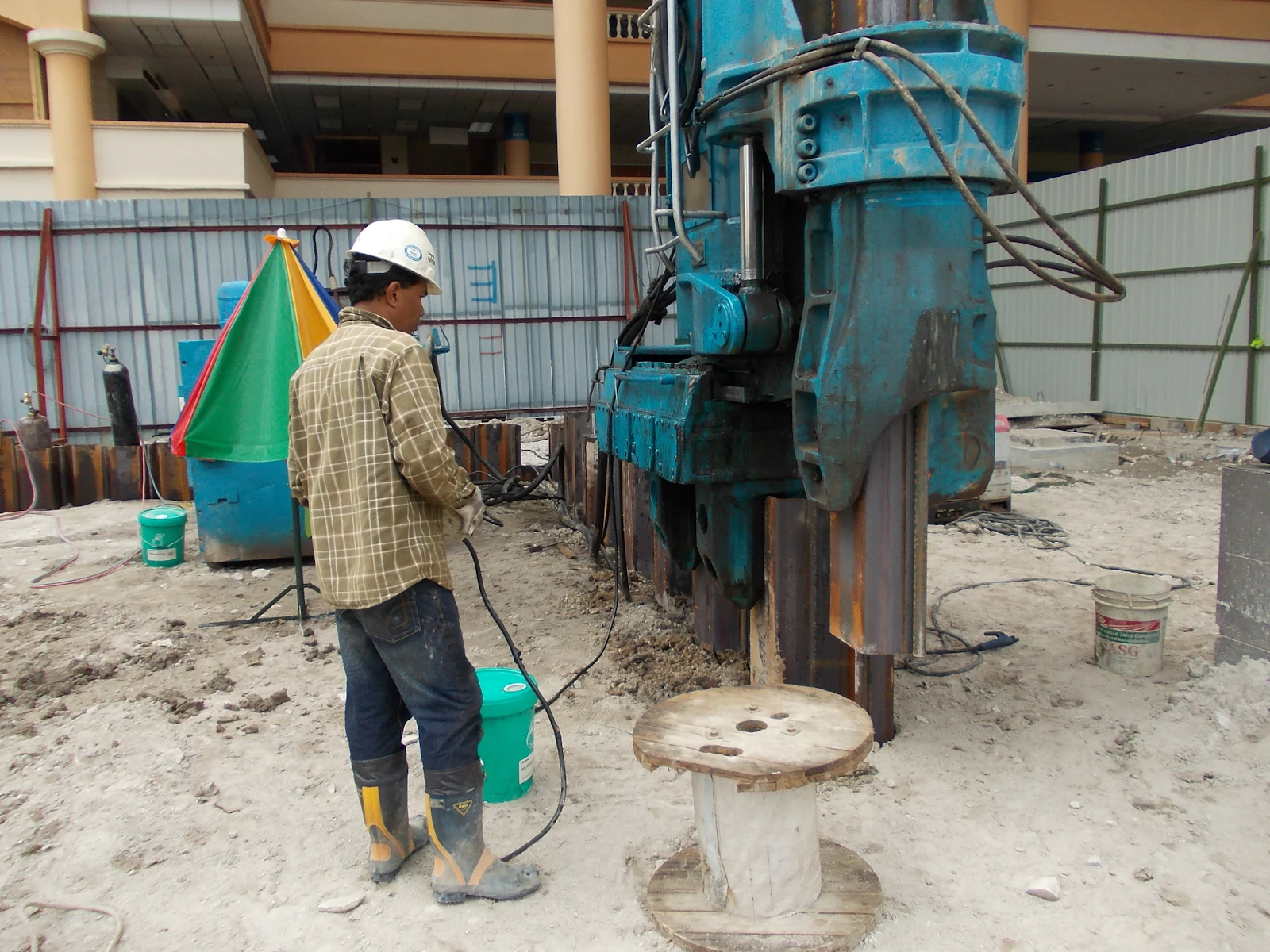
Shotcrete Pump Rental Rates San Francisco 2026
For 2026 planning in San Francisco foundation repair scopes, expect shotcrete pump equipment hire to price in two distinct ways: (1) equipment-only (trailer pump delivered to your crew) and (2) pump-and-operator (or full shotcrete placing) packages that are billed as a minimum block of time plus hourly/yardage adders. As an equipment hire cost range (not a guaranteed quote), a small wet/dry rotary shotcrete pump package suitable for tight access typically budgets at $500–$950/day, $1,900–$3,500/week, and $5,500–$9,800/month. A trailer-mounted piston shotcrete pump (TK40/TK60 class) usually budgets at $1,450–$2,250/day, $5,200–$7,400/week, and $14,500–$21,500/month in 2026 when you include Bay Area logistics and availability risk. Many San Francisco jobs will still be quoted as a service (operator included) because of hose management, washout liability, and nozzleman competency; rental coordinators typically bid these packages through national rental houses plus regional concrete pumping/shotcrete contractors depending on union requirements and access constraints.
| Vendor |
Daily Rate |
Weekly Rate |
Review Score |
Website |
| The Conco Companies (Conco Pumping / Shotcrete) |
$1,750 |
$7 900 |
10 |
Visit |
| Interstate Concrete Pumping, Inc. |
$1,450 |
$6 400 |
9 |
Visit |
| Kingdom Concrete (SF) — Concrete Pump Rental |
$1,250 |
$5 600 |
10 |
Visit |
| SDW Construction (Bay Area Concrete / Shotcrete) |
$2,100 |
$9 500 |
8 |
Visit |
| Nationwide Shotcrete, Inc. (NorCal office: Fremont) |
$2,000 |
$9 000 |
8 |
Visit |
How Shotcrete Pump Equipment Hire Is Quoted for San Francisco Foundation Repair
Before you compare bids, align the quoting basis. Shotcrete pump hire for foundation repair is rarely a simple “1-day rental.” In the Bay Area, the cost outcome is usually driven by (a) minimum time blocks, (b) portal-to-portal billing (travel time + on-site time), (c) hose length and handling, and (d) washout/cleanup requirements that are stricter on urban sites.
Common quote structures you will see in 2026:
- Equipment-only day/week/month (yard delivers trailer-mounted pump; you supply labor). Practical when you have an experienced pump operator and nozzle crew on payroll or through a subcontractor.
- Shotcrete line pump service billed hourly + yardage with a minimum charge. Published examples show a $650 four-hour minimum that includes travel, setup, and 150 feet of 2.5-inch hose, plus $6 per yard pumped, then $145/hour up to 8 hours, then additional hourly increments; extra hose over 150 feet may be charged at $3/foot, and a $300 washout fee can apply if there is no washout area. These published line-pump figures are useful as a “sanity check” for small wet-placement foundation repair where true shotcrete piston pumps are overkill.
- Trailer shotcrete pump billed as equipment hire (day/week/month) plus separate delivery, fuel, wear parts, and insurance/damage waiver.
San Francisco-specific note: If the pump must stage in a tow-away/permit area or you cannot guarantee a legal parking footprint for the trailer and grout/shotcrete supply, expect “standby” exposure and/or a reschedule fee. You control this cost by locking site access windows, staging, and inspection holds before the truck arrives.
What Drives Shotcrete Pump Equipment Hire Costs on Foundation Repair in San Francisco?
Shotcrete pump hire costs for foundation repair are dominated by constraints, not just horsepower. A trailer pump that is inexpensive on paper can become expensive if you are forced into short access windows, extra hose, and frequent start/stop (which increases cleanup and wear).
Cost drivers that routinely move pricing by hundreds (or thousands) per shift:
- Pump type and output: A compact wet/dry rotary pump may be right-sized for 1–6 cubic yards/hour and short bursts, while a piston trailer pump can support much higher placement rates but may be oversized for small underpinning repairs. The USACE equipment ownership schedule lists shotcrete/guniting categories including rotary gun pumps (wet/dry) and trailer-mounted shotcrete pumps (e.g., TK10/TK40 classes), which is helpful for benchmarking what “base equipment cost” looks like before rental-yard overhead and short-term premium are applied.
- Air compressor requirement (often forgotten): Many shotcrete configurations still require an air compressor sized to the nozzle and mix; published rate books commonly treat compressors as separate line items (for example, 185 CFM at $300/day, $900/week, $2,400/month; and 260 CFM at $350/day, $950/week, $2,500/month). Even if your shotcrete pump is “wet,” you may still need air for the nozzle, blow-out, or tools.
- Power plan (electric vs diesel): Interior foundation repair (basements/crawlspaces) can push you to electric drive for fumes/noise control, which can add generator or distribution costs. Planning adders often include a jobsite generator at $150–$350/day depending on size and duty.
- Hose routing and vertical lift: Every extra 50–100 feet of hose increases setup time, adds wear and risk of blockage, and can require additional hands. Published pump services commonly include 150 feet and then charge extra hose per foot (examples include $3/foot or $1.50/foot depending on market and service). In San Francisco, the routing problem is often tighter than the distance: stairs, hallways, and historic finishes require protection and labor.
- Operator and standby exposure: Even when you are “renting equipment,” many suppliers will not release shotcrete pumping equipment without qualified supervision, or they will require operator hire. As a benchmark for labor pressure in the market, published wage data for San Francisco concrete pump operators is around $42.43/hour (base pay), which helps explain why standby/overtime is expensive once burden, minimums, and travel are included.
Hidden-Fee Breakdown for Shotcrete Pump Hire (The Adders That Blow Up a Foundation Repair Budget)
Use the following as estimator allowances for shotcrete pump equipment hire costs in San Francisco (2026). These are not “standard” across all suppliers, but they reflect recurring cost categories seen in published price sheets and rate books.
- Mobilization / delivery / pickup: Budget $250–$650 each way for local dispatch of small pumps and hose packages (more if access requires smaller shuttles, liftgates, or after-hours windows). If the supplier bills mileage, budget $4–$9/mile beyond a local radius.
- Minimum billing blocks: Expect 3-hour minimum (some markets) to 4-hour minimum (common locally) even if your placement is 60–90 minutes.
- Portal-to-portal time: If you cannot stage ready-mix or premix at arrival, you pay “waiting.” A published price sheet explicitly notes pumps charged port to port.
- Fuel/energy surcharge: Budget 3%–12% as an explicit surcharge depending on supplier policy and whether the equipment is diesel-powered. A published shotcrete line pump sheet shows 12% fuel surcharge.
- No washout / containment fee: If you cannot provide a compliant washout area, published fees range $250–$300 each. On dense San Francisco sites, washout planning is often the difference between a smooth off-rent and a surprise invoice.
- Cleaning fee (return condition): Budget $200–$600 if the pump and hose return with hardened material, excessive rebound, or you miss the vendor’s return condition requirements.
- Wear parts / hose damage: Budget an allowance of $150–$450 per day for wear parts on abrasive mixes, plus “actuals” if a hose is cut, kinked, or plugged beyond recovery.
- Extra labor adders: If the supplier provides an extra hand/nozzle support, published adders include $85/hour for an extra man (example from a price sheet). In San Francisco, this also shows up as an “additional labor” line when hose runs are long or access is stair-only.
- Overtime / extended shift: A common structure is straight time up to 8 hours, then overtime factors or step-ups (for example, one published local line-pump structure adds $35/hour in later hours up to 12). For equipment-only rentals, some rate books also specify hourly overage charges (e.g., $12.50/hour above base rental hours) as a model for how “extra hours” get priced.
- Insurance / damage waiver: Budget 10%–15% of the rental subtotal if you take a damage waiver in lieu of providing a certificate meeting the supplier’s requirements; confirm whether hoses and accessories are included.
Example: San Francisco Foundation Repair Shotcrete Pump Hire (Basement Access, Tight Window)
Scenario: You have a 1920s San Francisco home with a basement underpinning repair. Scope calls for 12 cubic yards of wet shotcrete placed in lifts. Access is via a 36-inch side passage; staging is curbside with a 9:00–2:00 delivery window (street control required). You plan a pump-and-operator package rather than equipment-only due to hose handling and washout restrictions.
- Shotcrete line pump service (minimum block): budget $650 for the first 4 hours.
- Yardage charge: 12 yards × $6/yard = $72.
- Extra hose: you need 220 feet total, so 70 feet over the included 150 feet. At $3/foot, budget $210.
- Standby (inspection hold): inspector runs late and you burn 1.5 hours after the minimum. At $145/hour, budget $217.50.
- No washout area: owner refuses washout onsite; budget $300.
- Fuel/energy surcharge allowance: budget 5% of pump subtotal (example allowance; some published sheets show higher).
Planning takeaway: even on a “small” 12-yard foundation repair shotcrete day, the controllable cost levers are hose planning, washout planning, and eliminating standby via pre-inspections and confirmed delivery windows. The pump itself is only part of the equipment hire cost story.
Budget Worksheet
Use this as a no-table estimator worksheet for shotcrete pump equipment hire costs (San Francisco, 2026). Adjust allowances to your supplier’s terms and your access constraints.
- Shotcrete pump equipment hire (small rotary pump): $500–$950/day allowance
- Shotcrete pump equipment hire (TK40/TK60 class): $1,450–$2,250/day allowance
- Delivery + pickup (combined): $500–$1,300 allowance
- Minimum hours / guaranteed block (if service): 3–4 hours minimum allowance
- Operator / hose hand (if required): $85–$175/hour allowance
- Air compressor hire (if required): $300–$350/day allowance
- Generator / power distribution (if required): $150–$350/day allowance
- Extra hose allowance: $1.50–$3.00/foot (beyond included length)
- Washout containment / no-washout fee allowance: $250–$300
- Fuel/energy surcharge allowance: 5%–12%
- Cleaning/return condition allowance: $250–$600
- Damage waiver allowance (if taken): 10%–15% of rental subtotal
- Wear parts and hose damage contingency: $250–$750
Optional San Francisco water permit allowance (only if you must pull water from a hydrant): SFPUC hydrant meter permits can carry significant deposits and fees (example published charges include a $3,716 deposit for a 1-inch meter, $955 connection fee, $71.07 monthly service charge, and 7.5% utility tax). Treat these as separate from equipment hire but relevant to jobsite readiness if your site has no accessible water supply.
Rental Order Checklist
Use this checklist to prevent common cost escalations on shotcrete pump equipment hire for San Francisco foundation repair.
- Confirm quote basis: equipment-only day/week/month vs pump-and-operator service (and whether it is portal-to-portal)
- PO details: rental start date/time, minimum hours, overtime rules, and off-rent call-in cutoff (many suppliers require same-day off-rent notice in the early afternoon)
- Delivery plan: legal staging location, delivery window, street occupancy/parking control responsibility, and a named on-site receiver
- Access constraints: max trailer length, turning radius, grade limits, and whether a smaller shuttle/drop location is required
- Hose plan: included hose length, total required length, protection of finishes, and routing drawings/photos for the driver/operator
- Power plan: confirm voltage/phase needs (if electric), generator size (kW), and cable runs; ensure GFCI and lockout readiness
- Air plan: compressor CFM requirement and whether it is included or separate hire
- Water and washout: confirm washout location, containment method, and who supplies washout box/bags; confirm no-washout fee conditions
- Consumables and wear: identify responsibility for lube, blow-out sponge/balls, clamps, gaskets, and rebound disposal
- Insurance: COI, additional insured language, damage waiver acceptance/rejection, and deductible responsibility
- Return condition documentation: require time-stamped photos of hopper, lines, and fittings at end of shift; collect operator sign-off
- End-of-day rules: return “wet vs dry,” fuel level, refuel/recharge expectations, and cleaning standard to avoid $200–$600 cleanup charges
San Francisco-Specific Logistics That Change Shotcrete Pump Hire Cost
1) Delivery timing and traffic penalties. In San Francisco, a one-hour delay can become two billable hours when the supplier is billing portal-to-portal and your site cannot accept the pump at arrival. Budget standby at $145–$220/hour depending on package, and reduce risk by setting a hard “no-dispatch unless ready-mix is confirmed” rule for your superintendent.
2) Washout constraints are tighter than most cities. Dense neighborhoods and limited exterior space make washout planning a cost driver. Published fees show $250–$300 for no washout area; on some sites, a dedicated washout container plus haul-off is cheaper than paying repeated no-washout fees across multiple mobilizations.
3) Water sourcing can be non-trivial. If you do not have an on-site hose bib with sufficient flow/pressure for cleanup and nozzle water, hydrant use may be an option but it is administratively and financially heavy. Published SFPUC charges include large deposits (e.g., $3,716–$5,556) and fees, so most foundation repair teams avoid hydrant sourcing unless the project duration and volume justify it.
Choosing the Right Shotcrete Pump Hire Package for Foundation Repair
For foundation repair, the “right” hire decision is often about minimizing disruption and cleanup rather than maximizing output.
- Small, start/stop repairs (patching, localized wall thickening): A compact wet/dry rotary shotcrete pump hire can be the most cost-effective when placement is intermittent. You reduce minimum-block waste and simplify access through narrow passages.
- Higher-volume underpinning and retaining wall rebuilds: A trailer-mounted piston shotcrete pump (TK40/TK60 class) can be more economical per yard when you can feed continuously and you have a real washout plan and staging area. A published rental example for a TK60HP class shotcrete pump shows $1,432/day, $4,297/week, $12,890/month (elsewhere in the U.S.); use this as a baseline and adjust upward for Bay Area delivery constraints and operator availability.
- When “shotcrete pump hire” is actually a line pump need: If the mix and spec allow, line pump service pricing (minimum + hourly + yardage) can be a better fit for short placements. Published San Francisco-area service examples include $650/4-hour minimum plus $6/yard, with hose and washout adders.
Rate Assumptions and 2026 Planning Notes (So Your Estimate Matches the Invoice)
When you publish or approve a budget number for shotcrete pump equipment hire costs in San Francisco, include the assumptions in your estimate notes:
- Shift definition: 8-hour day assumed; overtime billed after 8 hours, with weekend/holiday billed at premium in many agreements.
- Included hose length: assume 150 feet included for service packages unless confirmed; budget extra hose at $1.50–$3.00/foot.
- Washout: assume washout is required and that “no washout” fees can apply ($250–$300) if not provided.
- Fuel/energy surcharge: carry a contingency line (up to 12% on some published sheets).
- Benchmarking equipment cost: California’s publicly published equipment ownership/rental rate resources show hourly concrete pump ownership costs across a wide range (from small trailer units to large boom setups) and explicitly note that calculated ownership costs are likely lower than rental-yard charged rates due to overhead/profit/short-term premiums. Use this as a check when a quote looks out of band, but do not treat it as a vendor price list for hire.
- Shotcrete equipment benchmarks: Federal equipment schedules list shotcrete/guniter categories (rotary wet/dry pumps and trailer-mounted shotcrete pumps) and identify typical “add compressor” requirements, reinforcing that your equipment hire budget should include compressor and associated accessories when applicable.
If you want, I can tailor these equipment hire cost ranges to your exact foundation repair method (soil nail + shotcrete, basement wall thickening, underpinning pits, or retaining wall rebuild) and to your planned mix delivery method (ready-mix truck vs premix bags + mixer), because that choice is often the biggest driver of minimum time, cleanup exposure, and standby billing on San Francisco sites.