

Create an itemized estimate for your project, with materials, labor, and quantities you can review and edit.
Create my estimateStart a 7-day free trial. Sign up, then enter your project details.
For El Paso concrete driveway work in 2026, plan skid steer loader equipment hire in three main bands (machine-only, excluding attachments and logistics): $275–$525 per day, $1,050–$1,900 per week, and $2,850–$5,100 per 4-week month. These are planning ranges for standard 1,600–2,600 lb rated operating capacity (ROC) wheeled skid steers or compact track loaders at comparable size, priced on typical rental rate schedules that assume 8 engine hours/day, 40 hours/week, and 160 hours/4-week month. Heavier-frame units, high-flow hydraulics, and track machines (often preferred around base prep and spoils handling) usually price toward the top of the band. In El Paso, you’ll typically source units via major national rental branches (often Sunbelt Rentals, United Rentals, and Herc Rentals) as well as regional independents; actual branch pricing will vary by fleet age, availability, and delivery lane density, so treat these as budgetary ranges pending a written quote and your project schedule.
| Vendor | Daily Rate | Weekly Rate | Review Score | Website |
|---|---|---|---|---|
| United Rentals | $325 | $1 050 | 9 | Visit |
| Sunbelt Rentals | $225 | $660 | 8 | Visit |
| Herc Rentals | $320 | $980 | 8 | Visit |
| Fallsway Equipment Rentals (El Paso) | $272 | $1 088 | 8 | Visit |
| El Paso Tool Rental | $260 | $1 040 | 9 | Visit |
Concrete driveway scopes tend to push a skid steer into “high-touch” cost drivers because the machine is not just loading—it's grading, cutting, backfilling, and repeatedly handling aggregate, spoils, and formwork materials in a tight footprint. The rental total is usually determined less by the base day rate and more by how your jobsite conditions interact with delivery/pickup rules, attachments, fuel/cleaning expectations, and hour-meter limits.
Key El Paso realities that affect hire cost (and should be baked into your estimate) include: (1) desert dust and caliche fines that can increase cleaning time and filter attention—some branches will charge if a unit returns excessively dusty or with concrete splatter; (2) heat load in late spring through early fall, which can increase downtime risk and push you toward newer units or machines with better cooling packages; and (3) controlled-access deliveries (for example, certain industrial sites or work adjacent to Fort Bliss areas) that can extend driver wait time and add standby charges.
Most El Paso branches structure skid steer equipment hire on a “time + hours” basis. If you exceed hour limits, you’ll see overtime meter charges even if you return on time. For driveway work, overtime is easy to trigger (constant back-and-forth travel, loading dump trailers, brooming, backdragging).
Common planning assumptions to confirm on the quote:
On concrete driveway projects, the “skid steer” request often turns into a decision between a wheeled skid steer and a compact track loader (CTL). Tracks typically cost more to hire but can reduce rework and subgrade damage—especially if you’re shaping base material in tighter yards and you can’t afford rutting before forms and rebar go in.
Budgetary adders you’ll commonly see in El Paso:
If you hire only the base machine and then discover you need forks, a grading attachment, or a breaker, your cost curve changes quickly. For driveway work, attachments should be treated as first-class line items—not “miscellaneous”—because they also drive wear/cleaning and can change the required hydraulic spec (standard flow vs high flow).
Common attachment planning ranges in 2026 for El Paso-area branches:
In El Paso, delivery cost is highly dependent on distance, gate access, and whether your site can accept a rollback at the requested time window. A rental that looks competitive on the day rate can become expensive if the logistics aren’t planned.
Typical equipment hire logistics ranges to budget:
Off-rent (stop billing) is procedural. Many branches require off-rent notice by a cutoff (commonly around 2:00–4:00 PM local time) for next-day pickup and billing stop. If you call after cutoff, you may pay an additional day even if the unit is idle. Build the cutoff into your superintendent’s closeout routine.
These are the cost components that routinely appear on skid steer equipment hire invoices for driveway work:
Scenario: You’re prepping a 2-car driveway replacement with a narrow side-yard access and limited staging. You plan a CTL to reduce rutting and a set of forks for moving palletized base material. The crew can only receive delivery between 7:00–9:00 AM due to HOA restrictions, and the site is 18 miles from the rental yard.
Budgetary hire build-up (planning numbers): 1 week CTL hire at $1,450 (mid-band), forks at $190/week, delivery/pickup package at $325, damage waiver at 12% (applied to rental items), and a realistic cleaning allowance of $150 because caliche dust is unavoidable during grading. If the operator runs 52 engine hours in the week (12 hours over cap), and overtime is $45/hour, add $540 to the invoice. That single overtime item often exceeds the delivery cost—so scheduling and hour control (or moving to a 4-week rate if the schedule slips) becomes the real cost lever.
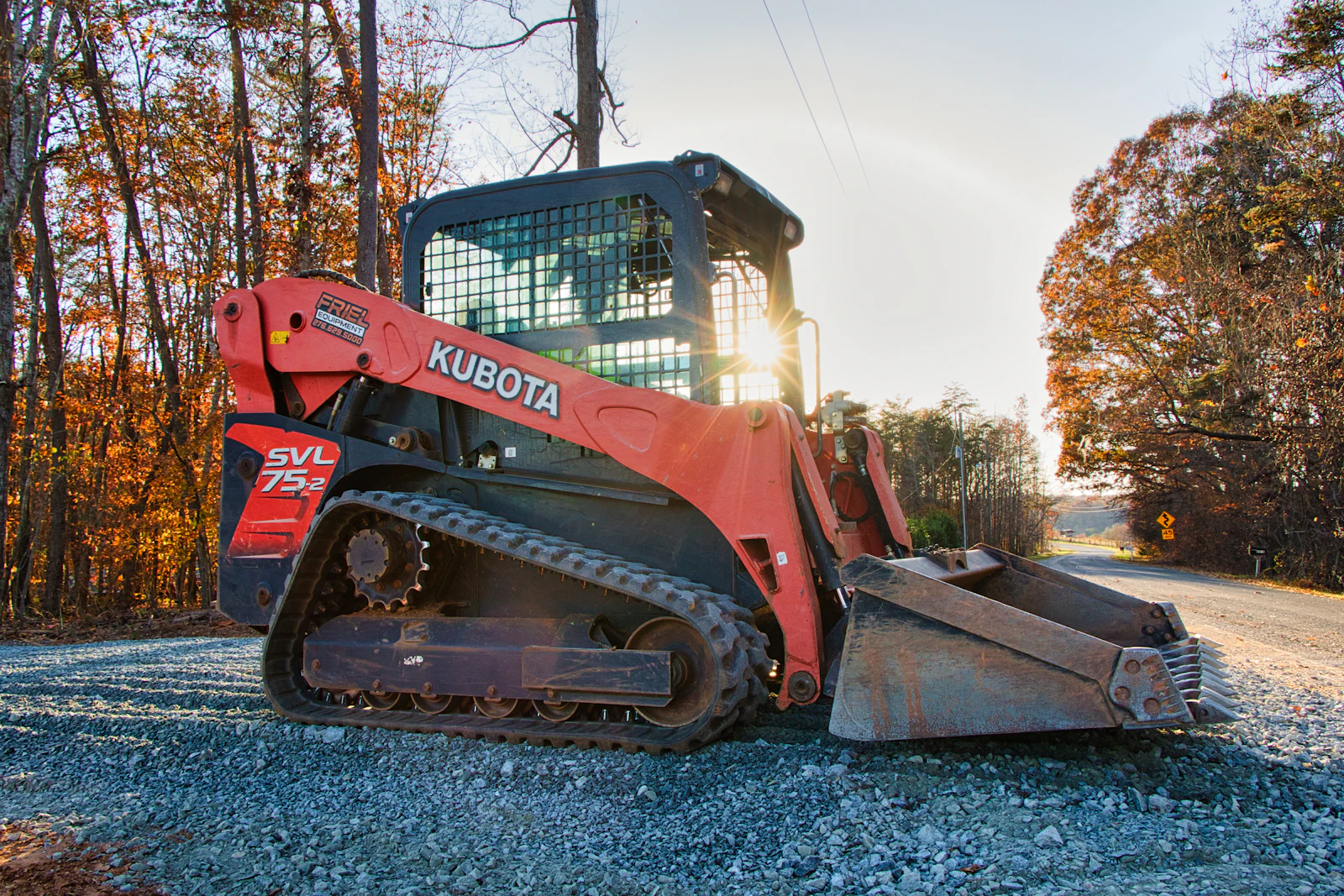
To control skid steer loader equipment hire cost for a concrete driveway, treat the rental quote like a scope document. Most disputes and overruns come from undefined assumptions (hours, delivery windows, attachments, return condition). A rental coordinator can usually secure better net pricing when the request is specific and the logistics are clean.
Quote details that directly affect the invoice (confirm in writing): included engine hours; overtime rate per hour; delivery/pickup charges and service radius; damage waiver percentage and whether it applies to attachments; fuel policy (full-to-full vs supplier top-off); cleaning standard; and weekend/holiday billing rules.
Use this as a line-item checklist for an El Paso driveway estimate. Adjust quantities and durations to your schedule (and keep allowances explicit so they can be reconciled against invoices).
Most cost savings come from compressing on-rent days and reducing overtime hours. For driveway work, align the skid steer rental window with base placement and final shaping—not early demolition staging when a mini excavator or breaker may be more efficient. If demolition is part of scope, consider whether a dedicated breaker day ($200–$350/day) plus disposal logistics is cheaper than burning three extra skid steer day-rates while waiting for haul-off.
Also, avoid “split rentals” that trigger multiple delivery charges. One delivery/pickup package at $175–$425 is usually cheaper than two separate mobilizations—unless the gap between phases is long enough to justify off-rent.
Service radius norms: many branches price a standard delivery package within a local radius, then apply mileage beyond that (often $4–$6/mile). If your project is out toward the edges of the metro or you have multiple small driveway sites in one week, ask for a route plan or multi-drop pricing so you aren’t paying full mobilization for each address.
Dust and filtration: El Paso caliche fines can make “normal” cleaning standards harder to meet. If you’re operating in very dusty conditions, clarify whether the branch expects any mid-rental blowout/cleaning and whether they supply extra cab filters. A small, planned cleaning allowance ($150) is usually safer than arguing a post-return charge.
Heat and downtime risk: if you’re scheduling during hotter weeks, confirm the unit is not already derated or flagged for cooling issues. A single day of downtime can convert a weekly rate into a week-plus-days scenario and create overtime exposure if the crew tries to “catch up” with extra engine hours.
Continue with estimating workflows, reviewed plan quantities, or cost guides organized by topic.
