

Stamped concrete offers a cost-effective solution for creating visually appealing outdoor spaces in San Antonio. With costs ranging from $8–$19 per square foot, it's essential for construction professionals to understand the factors influencing these prices. This guide provides insights into leveraging stamped concrete for durable and aesthetically pleasing results.
San Antonio's climate demands materials that withstand heat, rain, and occasional freezes. Using high-strength mixes and UV-stable color hardeners ensures longevity and performance.
• Choose textures like limestone or wood-plank to complement local architecture.
• Customize colors to match existing structures.
• Add decorative elements for unique finishes.
• Real-time pricing from local suppliers.
• Accurate labor forecasts using historical data.
• Multiple cost scenarios for informed decision-making.
Upload drawings to calculate square footage and rebar schedules quickly, reducing errors.
• Excavate to a uniform depth.
• Compact soil to prevent settlement.
• Use rebar to minimize cracking.
Use a 4000-psi mix with microfibers for strength and consistency.
Factors affecting costs include pattern complexity, access limitations, and additional treatments. Use voice-activated estimators to adjust variables and optimize budgets.
A 700-square-foot project completed within budget and ahead of schedule, showcasing the efficiency of AI-driven management.
• Regular sweeping and rinsing.
• Apply non-chloride de-icers during freezes.
• Schedule resealing every 2-3 years.
• AI estimates reduce overruns.
• Voice collaboration streamlines design.
• Direct supplier integrations stabilize pricing.
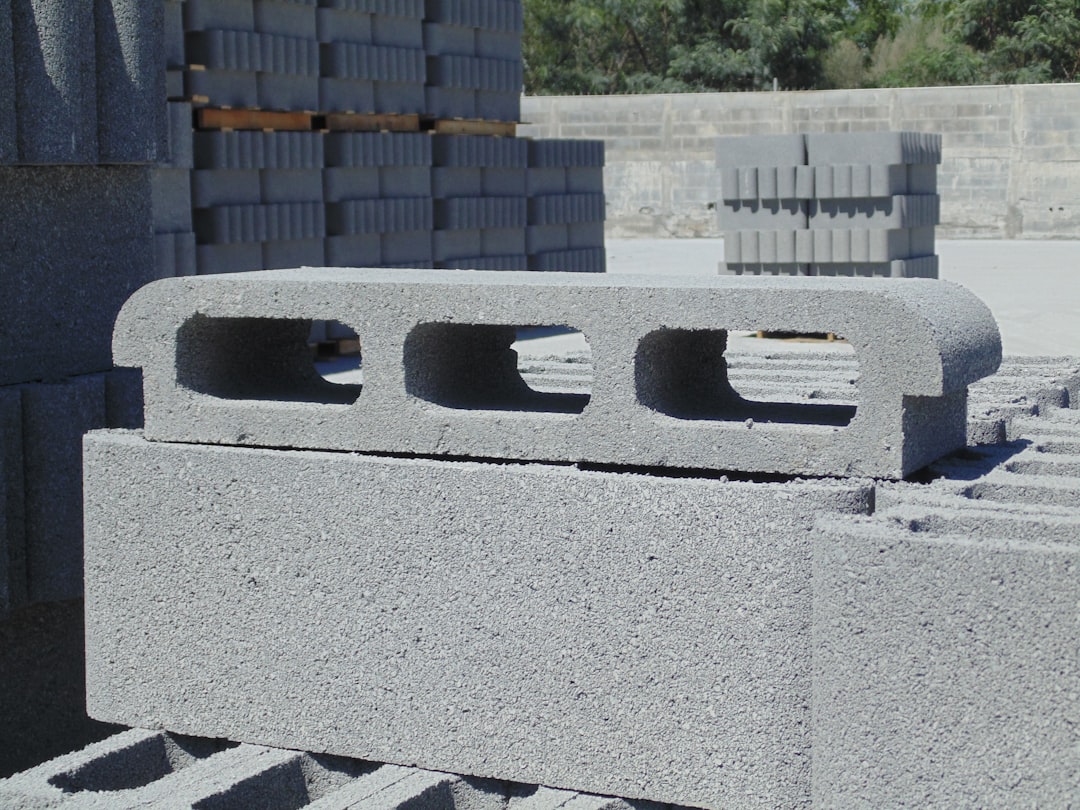
Beyond patios, stamped concrete is ideal for driveways, pool decks, and interior floors. CountBricks applies advanced techniques to ensure durability and style.
Incorporate fiber reinforcement and durable sealers for high-traffic areas.
• Use anti-skid additives for safety.
• Choose light colors to reduce heat absorption.
Stamped concrete offers a seamless, easy-to-clean surface, ideal for allergy-sensitive environments.
• Access a vast library of textures.
• Synchronize schedules to avoid delays.
• Analyze post-project data for future improvements.
