

For construction professionals looking to offer clients a luxurious steam shower experience, understanding the costs and technical requirements is crucial. The average cost for a residential steam shower installation ranges from $3,000 to $10,000, depending on factors such as size, materials, and labor.
• Expertise in moisture management and vapor sealing is essential.
• Coordinated trades for plumbing, electrical, and smart controls.
• Compliance with local building codes for ventilation and GFCI protection.
• Proper installation prevents mold risks and voided warranties.
CountBricks leverages AI to provide instant, accurate estimates by analyzing real-time material costs, labor rates, and permit fees. This ensures transparency and efficiency in project planning.
1. Vision Meeting: Capture client preferences and requirements.
2. Instant Estimate: Provide a detailed budget with material options.
3. Digital Blueprint Takeoff: Accurate dimensioning and planning.
4. Design Finalization: Approve renderings and finishes.
5. Procurement & Scheduling: Order materials and schedule trades.
6. Construction & QA: Follow strict guidelines for installation.
7. Handoff & Training: Educate clients on maintenance and controls.
• Size and wall height affect tile and vapor barrier costs.
• Generator capacity must match space requirements.
• Custom features like benches and glass enclosures impact costs.
• Tile selection influences cost per square foot.
CountBricks ensures compliance with ASTM standards and local codes, providing a two-year workmanship warranty for peace of mind.
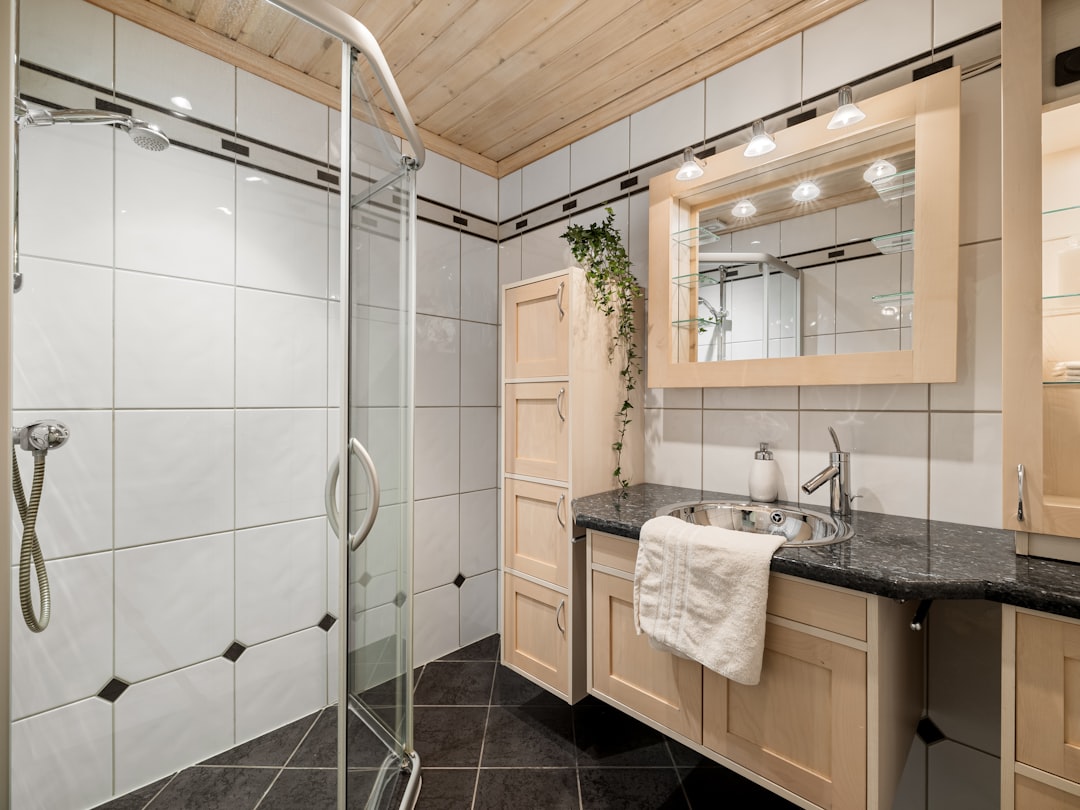
The Carlson family upgraded their outdated bathroom with a custom steam shower, utilizing CountBricks' AI-driven estimation and planning tools. Key features included:
1. Structural Analysis: Identified opportunities for space optimization.
2. Moisture Control: Implemented advanced sealing techniques.
3. Precision Scheduling: Efficient coordination reduced build time.
• Project completed under budget due to supplier discounts.
• Increased home value by $28,000.
• Enhanced client satisfaction with frequent steam use.
• Use large-format tiles to reduce maintenance.
• Ensure proper ceiling slope to prevent drips.
• Position the generator for efficient steam delivery.
• Include ventilation for quick drying.
• Schedule regular maintenance for optimal performance.
