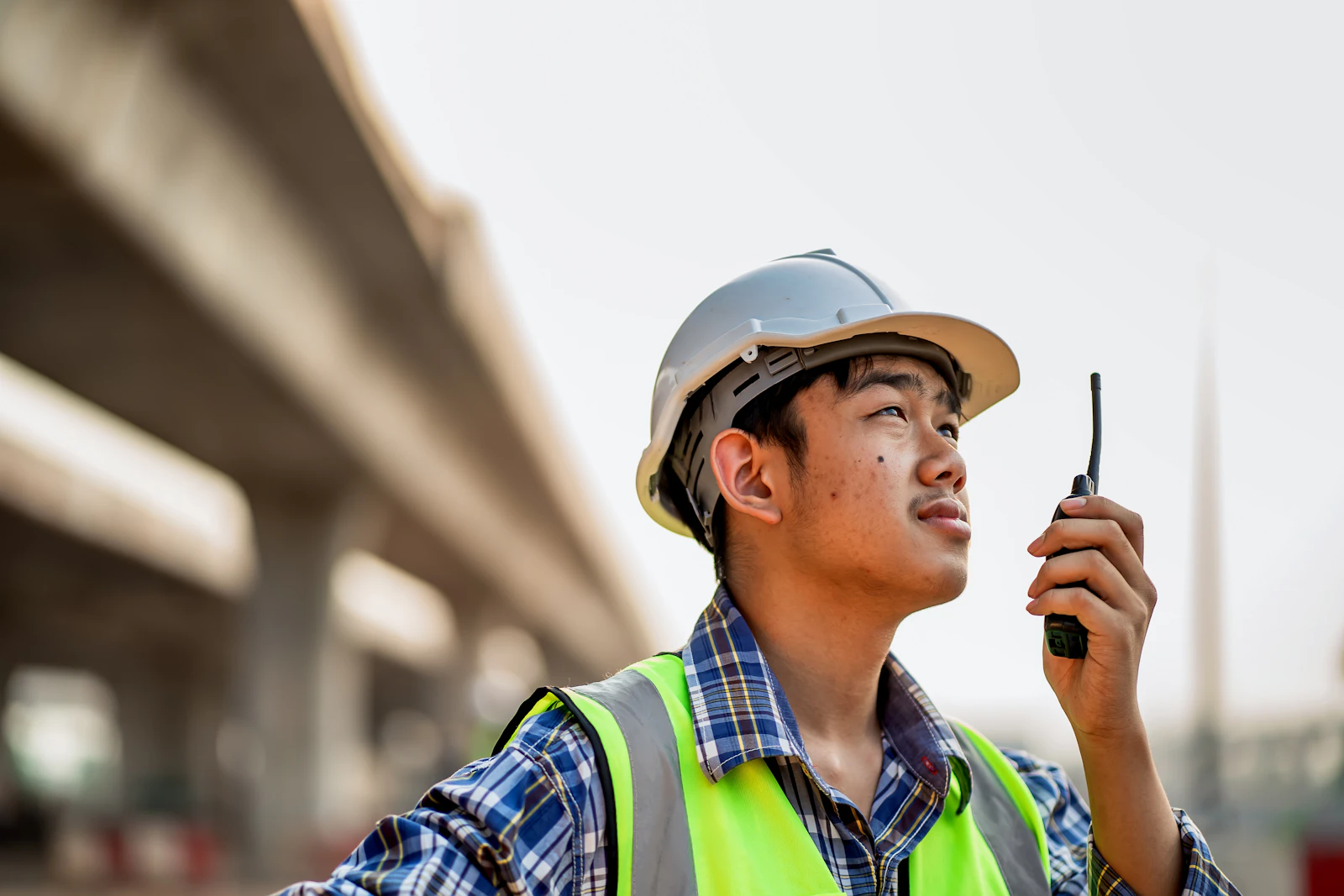
Telehandler Rental Rates San Francisco 2026
For retaining wall construction in San Francisco, 2026 planning ranges for telehandler equipment hire typically budget at $325–$575/day, $950–$1,650/week, and $2,600–$4,200/4-week for compact-to-mid telehandlers (roughly 5,500–6,000 lb class), and $575–$975/day, $1,700–$2,750/week, and $4,600–$7,200/4-week for 10,000 lb / ~55 ft reach classes when fleet availability is tight. These ranges assume one-shift utilization and standard credit-account terms; constrained access and attachment needs on wall scopes (block placement, base rock handling, geogrid handling, and material staging on slopes) are what usually move the quote. In the Bay Area, most contractors compare quotes across national fleets (for example, United Rentals, Sunbelt Rentals, and Herc Rentals) plus regional material-handling yards that can solve downtown logistics and hillside access without burning time on re-deliveries. Published reference points for mid-range units and 10K/55 ft class listings show wide spreads by market and program pricing, which is why San Francisco budgets should be built as ranges and then validated by model, lead time, and delivery constraints.
| Vendor |
Daily Rate |
Weekly Rate |
Review Score |
Website |
| United Rentals |
$525 |
$1 575 |
8 |
Visit |
| Sunbelt Rentals |
$510 |
$1 530 |
8 |
Visit |
| Herc Rentals |
$495 |
$1 485 |
7 |
Visit |
| The Cat Rental Store |
$540 |
$1 620 |
8 |
Visit |
Planning assumptions (state these on the requisition): “Monthly” is commonly structured as a 4-week block with a defined hour allowance (often expressed as 8-hr day / ~44-hr week / 176-hr month on rate sheets), with excess use billed as overage. Fuel is typically delivered full and expected back full, and renters are responsible for routine walk-around checks and keeping the unit in rentable condition.
What Affects Telehandler Equipment Hire Costs for Retaining Wall Construction in San Francisco?
Retaining wall construction drives telehandler hire pricing differently than a flat-site material-handling job. The biggest cost drivers are (1) reach/capacity class needed to safely place palletized wall block or baskets at the top of the wall, (2) site access (downtown curb congestion, narrow streets, tow-away lanes, and hillside properties), (3) ground conditions (soft subgrade, uncompacted base, wet season mud), and (4) attachments (truss boom/jib, fork positioner/side-shift, bucket) that turn a “basic forks” quote into a workable production plan.
In San Francisco specifically, telehandler equipment hire frequently picks up extra logistics cost because delivery trucks may need a tighter window (early-morning deliveries to avoid traffic and parking conflicts), and the job may require a coordinated street-occupancy plan. If you can’t accept delivery when the truck arrives, the rental house may charge a dry-run / re-delivery fee, which is one of the fastest ways to blow a wall budget without moving a single block.
Choosing The Telehandler Class That Actually Fits A Retaining Wall Scope
Telehandlers price by class because the fleet acquisition cost, transport weight, and utilization differ materially between compact 5K/19 ft units and 10K/55 ft rough-terrain units. For wall work, the “right” class is usually dictated by placement height/reach and site grade—not just pallet weight.
- 5,500–6,000 lb / ~19 ft compact telehandler (tight access / staging support): Common when you need a compact footprint for narrow residential streets or constrained staging, and you’re primarily moving pallets, base rock, and bundles. Budget adders matter here because small units still incur the same delivery minimums.
- 6,000–8,000 lb / ~42 ft class (typical wall placement support): Often the sweet spot when you need to service the top of a wall or place pallets over formwork while still staying transportable on standard lowboy/rollback in many cases.
- 10,000 lb / ~55 ft class (reach-driven wall placement): Used when you need to place heavier pallets higher/farther, or you must keep the machine back from an excavation edge. Published listings in the Bay Area region for a 10K/55 ft unit can appear around $820/day, $2,279/week, $5,063/month (listing/lead-routing dependent), while contract/program rate sheets elsewhere show different schedules (example program pricing showing $495/day, $1,350/week, $3,200/month for a 10K 50–56 ft class in one cooperative agreement). Treat these as reference points only—San Francisco delivery constraints and availability can land above or below.
Estimator note: If the wall design pushes you to a higher class telehandler “just to be safe,” verify whether the real constraint is reach versus lift capacity at reach. Paying for a 10K machine but operating at long reach where the chart derates can be an expensive mistake. Build the rental submittal around the required capacity at the working radius.
Attachment And Accessory Adders You Should Budget (Because Wall Jobs Rarely Run On Plain Forks)
Telehandler equipment hire for retaining wall construction usually needs at least one attachment beyond standard pallet forks. Budget these as separate lines so the coordinator can negotiate them (and so production doesn’t stall on day one).
- Fork positioner / side-shift carriage: commonly +$45–$95/day or +$140–$285/week depending on class and availability.
- Truss boom / jib (for suspended picks within telehandler chart): commonly +$75–$140/day or +$225–$420/week.
- Material bucket (moving base, backfill, or aggregate when a loader isn’t justified): commonly +$120–$220/day or +$360–$660/week.
- Extended forks (60–72 in) / specialty forks: commonly +$20–$45/day per set, or a weekly minimum.
- Non-marking tires (if you must cross finished surfaces/parking structures): commonly +$30–$70/day when available.
- Foam-filled tires (puncture risk on rebar scrap / demo debris): commonly +$35–$90/day equivalent, or a negotiated flat for longer terms.
Budgeting these adders up front reduces mid-rental change orders (and the administrative back-and-forth that can extend time on rent).
Delivery, Pick-Up, And Access Charges Around San Francisco
On San Francisco wall scopes, delivery and pickup are often as important as the base rental rate. Typical planning allowances for a telehandler delivery package are:
- Standard delivery (one way): $220–$475 within a typical local radius, depending on machine class and truck type.
- Pickup (one way): $220–$475 (often similar to delivery).
- Minimum haul charge: commonly $250 even if the job is close.
- Mileage beyond included radius: commonly $6–$10 per loaded mile beyond the quoted local zone.
- After-hours / tight-window premium (early AM, late PM): commonly +$150–$300 when dispatch must hold a specific time slot.
- Bridge tolls / congestion pass-throughs: commonly $7–$10 per crossing plus admin, when the route requires it.
San Francisco-specific cost reality: narrow curb lanes, tow-away restrictions, and limited staging frequently require a spotter/flagger plan and a signed receiving window. If the driver can’t offload safely, expect standby/detention charges (often billed in 30-minute increments) and/or a re-delivery fee.
Hidden-Fee Breakdown
For professional estimators, “telehandler hire cost” is rarely just the day/week/month line. These are the add-ons that most often hit retaining wall projects:
- Damage waiver / rental protection plan: commonly 10%–17% of base rent (varies by program and class). Confirm what it excludes (tires, glass, misuse, theft) before assuming coverage.
- Environmental/energy/administrative fees: commonly 2%–5% of base charges on some contracts.
- Fuel make-up: diesel billed at a posted rate (plan $6.50–$9.50/gal for budgeting), often plus a $25–$75 refuel service charge if returned below agreed level.
- Cleaning: general jobsite cleaning commonly $150–$600 depending on condition. Some rate sheets also state cleaning can be billed hourly (example: $75/hour beyond a threshold for excessive cleaning).
- Concrete/mortar contamination: plan $250–$900 if block/mortar dust cakes in the boom sections, carriage, or engine bay and requires extra labor.
- Lost keys / missing manuals / missing load chart decals: commonly $35–$250 depending on item and required replacement.
- Late return / holdover: many houses trigger an extra 0.5 day or 1 full day if pickup is missed and the unit remains on site after the off-rent cutoff.
Operational constraint that changes cost: confirm the off-rent rule in writing—some fleets stop billing at the time you request pickup, while others stop when the unit is physically collected. That single policy difference can add 1–3 billable days on congested San Francisco pickups if you don’t schedule ahead.
Example: Retaining Wall Block Placement With Tight Access And A Weekend Idle
Scenario: You’re placing palletized segmental wall block and geogrid on a hillside lot in San Francisco with a narrow delivery lane. You choose a 10K / ~55 ft telehandler to keep the machine back from the excavation edge while still reaching the top course.
- Base hire (3 weeks): budget $1,900–$2,600/week; assume $2,200/week planning number = $6,600.
- Delivery + pickup: $350 each way = $700.
- Fork positioner/side-shift: $250/week x 3 = $750.
- Damage waiver: 14% of base rent (hire only) = $924.
- After-hours delivery window premium: $200 (6:30–7:00 AM slot to avoid tow-away conflicts).
- Fuel make-up on return: 25 gal x $8.00/gal = $200 plus $50 service = $250.
- Cleaning allowance: $250 (mud/dust in boom sections and carriage).
Planning subtotal (before tax/fees that vary by account): approximately $9,474. The two cost levers to manage are (1) avoiding a re-delivery by controlling access and (2) scheduling pickup so the unit doesn’t sit billable over a weekend because the dispatcher can’t reach the site.
Budget Worksheet (Telehandler Equipment Hire)
- Telehandler hire (base): ______ days / ______ weeks / ______ 4-week blocks at $____ per period (assume 1 shift).
- Class upgrade allowance: add +$150–$350/day if moving from 6K/42 ft class to 10K/55 ft class due to reach/slope constraints.
- Delivery + pickup: $440–$950 total baseline, plus mileage beyond radius at $6–$10/loaded mile.
- Access premium: $150–$300 (tight-window, early AM, or constrained curb lane).
- Attachments: fork positioner $140–$285/week; truss boom/jib $225–$420/week; bucket $360–$660/week.
- Protection: damage waiver 10%–17% of base rent.
- Admin/environmental: 2%–5% (if applicable to your account).
- Fuel/charge closeout: $150–$450 allowance (make-up fuel + service).
- Cleaning/return condition: $150–$600 allowance; add $250–$900 if concrete/mortar contamination risk is high.
- Weekend exposure: carry 1–2 extra days standby if pickup timing is uncertain.
Rental Order Checklist (PO, Delivery, Off-Rent, Return)
- PO scope clarity: specify telehandler class (capacity/reach), tire type, and must-have attachments (fork positioner, jib, bucket) to prevent substitutions that don’t meet the load chart.
- Insurance/COI: provide certificate holder and confirm whether damage waiver is accepted/required; clarify tire/glass/theft terms.
- Delivery plan: receiving contact name + cell, exact jobsite address, delivery window, and whether a liftgate/rollback is required.
- Access control: reserve curb space if needed; confirm truck route restrictions; plan spotter/flagger if the offload is into traffic.
- Condition at delivery: photo the machine, forks/attachments, hour meter, and any pre-existing damage; confirm it arrives with full fuel (or note the level).
- During rental: daily walk-around checks; keep load chart visible; keep boom sections reasonably clean to avoid contamination/cleaning back-charges.
- Off-rent process: get the off-rent cutoff time in writing; request pickup 24–48 hours ahead in San Francisco to reduce weekend carry.
- Return condition documentation: final photos (all sides, forks/attachments, hour meter, fuel level) and a signed pickup ticket.
Overtime Hours, Weekend Billing, And Off-Rent Cutoffs (Where Telehandler Hire Budgets Usually Slip)
Most telehandler equipment hire is quoted on a day/week/4-week basis with an assumed hour cap (commonly aligned to an 8-hour day and a defined weekly/monthly hour allowance on rate sheets). If your retaining wall scope uses the machine for extended shifts (longer placing days, late concrete pours, or weekend backfill pushes), the rental coordinator should ask how hour overage is billed. A common structure is to bill excess hours as a fraction of the period rate (for example, an hourly overage derived from the day or week rate). Build a contingency if your superintendent expects sustained 10–12 hour days during block placement weeks.
Weekend/holiday exposure: San Francisco wall jobs are often constrained by neighborhood impacts and inspection windows, which can push production into Friday/Saturday. If a telehandler sits on rent over a weekend because pickup can’t happen until Monday, you can easily add 2 non-productive days at $325–$975/day depending on class. The best control is administrative: align pickup requests with the vendor’s cutoff and confirm whether the rental house offers any weekend concession for scheduled Monday pickup (policy varies by account and branch).
Deposits, Credit Terms, And Insurance Decisions That Change The Total Hire Cost
For trade accounts with established credit, telehandler hire usually runs net terms with a negotiated rate schedule. For new accounts, short-term wall projects can trigger a deposit/authorization that should be planned as a cash-flow item even when it’s refundable. Practical planning allowances:
- Deposit / credit card authorization: commonly $500–$2,500 depending on class and account history.
- Proof of insurance (COI) turnaround: assume 24–72 hours if endorsements or additional insured language is required by the project.
- Damage waiver cost: if you select it, budget 10%–17% of base rent and confirm exclusions (tires and theft are frequent pain points).
Estimator note: If the prime contract pushes risk downstream, paying for a damage waiver can be cheaper than internal back-charges and downtime—especially on steep SF sites where tip/slide risk is higher. However, if your fleet policy already covers rented equipment, you can often decline the waiver and avoid that percentage add-on.
San Francisco Constraints That Commonly Add Real Dollars To Telehandler Equipment Hire
These are the local items that disproportionately affect telehandler hire costs in San Francisco retaining wall scopes (even when the base rate looks competitive):
- Steep grades and short turning radii: may require a true rough-terrain unit and sometimes more conservative machine selection (higher class) to maintain stability on approach. Budget the class upgrade instead of paying for a mid-project swap.
- Downtown and neighborhood delivery windows: plan for an early delivery window premium (+$150–$300) rather than risking a missed tow-away window and a re-delivery.
- Street occupancy logistics: if staging requires cones, flaggers, or a lane closure, those costs sit outside the rental ticket—but they directly control whether you incur detention/re-delivery charges. Carry a $300–$900/day allowance for traffic control when required by your site plan and jurisdictional requirements (job-specific).
- Dust control and track-out: mortar dust and aggregate fines can drive cleaning charges. Plan a cleaning allowance ($150–$600) and require end-of-shift wipe-downs around the boom wear pads and carriage rails.
How To Reduce Telehandler Hire Cost Without Slowing Down Wall Production
- Right-size the class: Don’t pay for 10K/55 ft if a 6K/42 ft unit meets the load chart at your actual working radius. Conversely, don’t under-size and then pay two mobilizations plus lost time.
- Bundle attachments up front: adding a fork positioner or jib mid-rental can trigger additional delivery charges ($220–$475) if the attachment must be transported separately.
- Control off-rent timing: schedule pickup 24–48 hours ahead and align with the vendor cutoff to prevent a weekend carry.
- Document condition: start/end photos reduce disputes that can turn into $250–$900 cleaning or repair back-charges.
- Fuel plan: either return full or negotiate a fuel option; avoid make-up fuel at $6.50–$9.50/gal plus a $25–$75 service line if you can refuel locally.
2026 Planning Ranges You Can Use In Early Budgets (Before Quotes Are Locked)
If you’re building an early-phase retaining wall estimate and need a defensible telehandler equipment hire allowance for San Francisco, use these practical budgeting bands (then confirm with model availability and delivery constraints):
- Compact telehandler (5.5K/19 ft class): $325–$575/day; delivery/pickup total $440–$950; damage waiver 10%–17%; cleaning allowance $150–$400.
- Mid telehandler (6K–8K/42 ft class): $425–$725/day; forks included; fork positioner add $45–$95/day; fuel closeout $150–$350.
- 10K/55 ft telehandler: $575–$975/day; attachments often required; delivery window premium +$150–$300 more common due to truck routing and site constraints.
Where published references show lower rates in other regions or under specific cooperative agreements, treat that as a reminder to negotiate—not as a guaranteed San Francisco outcome. Market averages and published listings demonstrate that telehandler rental pricing moves materially by region, fleet utilization, and program terms.
Bottom line for retaining wall construction: the lowest day rate is rarely the lowest total. The most reliable way to control telehandler hire cost in San Francisco is to (1) select the correct class for the load chart at reach, (2) lock attachments on the PO, (3) manage delivery/pickup windows like critical-path activities, and (4) treat off-rent and return-condition documentation as part of the field plan—not an afterthought.