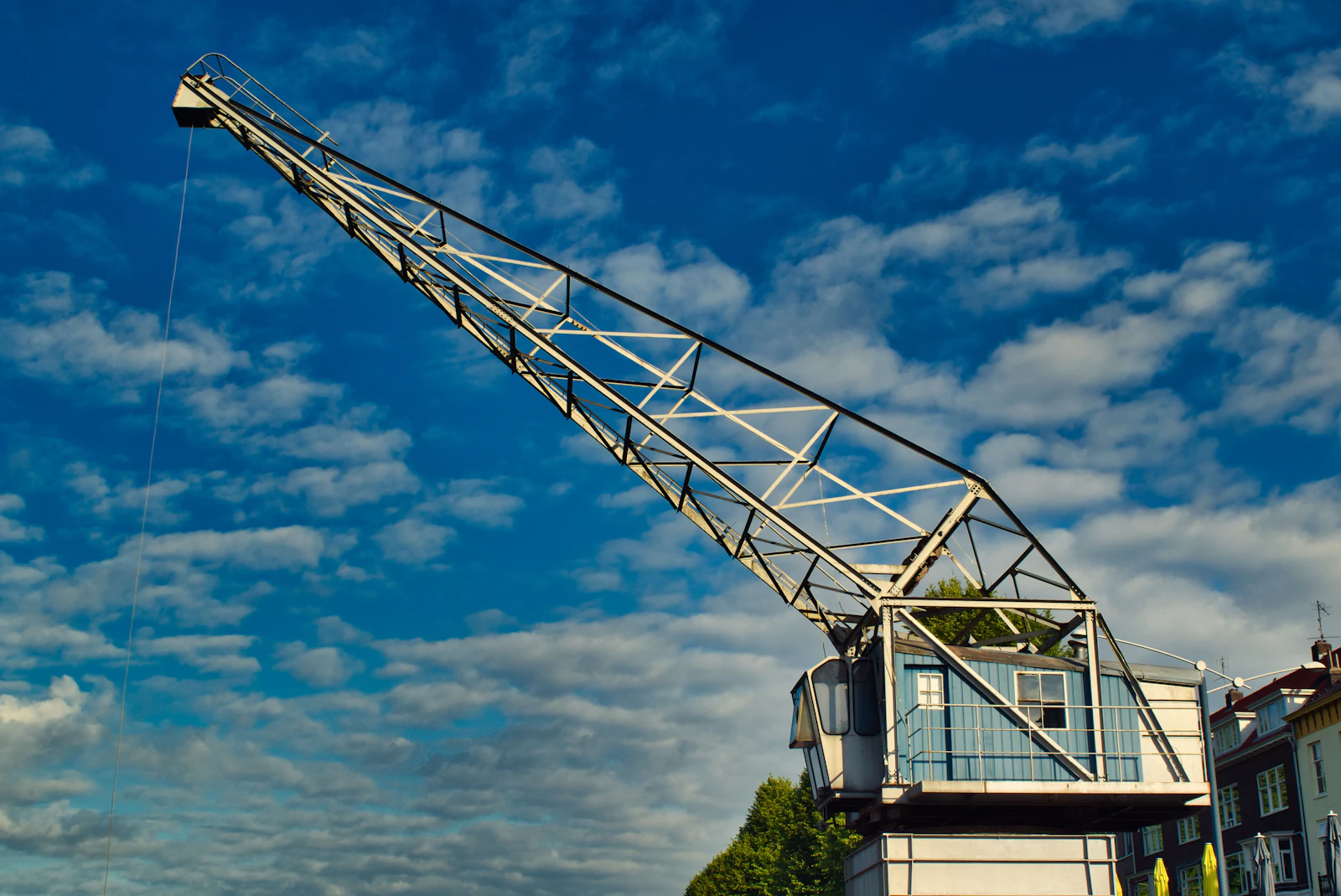
Telescopic Boom Lift Rental Rates Denver 2026
For Denver tile roofing planning in 2026, a realistic telescopic (straight) boom lift equipment hire cost budget is typically built around three base-rate bands: 45 ft class straight booms often land around $320–$550/day, $800–$1,450/week, and $2,000–$4,200 per 28 days; 60–65 ft class rough-terrain straight booms commonly plan at $450–$850/day, $1,350–$2,450/week, and $3,200–$6,500 per 28 days; and 80–85 ft class straight booms usually budget at $650–$1,150/day, $1,650–$3,100/week, and $3,500–$8,900 per 28 days, depending on capacity, outreach, tire package, and availability. These ranges are consistent with published rate snapshots and public rate schedules used for budgeting (for example, an independent yard rate sheet shows 60–65 ft straight/knuckle around $500/day, $1,500/week, $3,900/“month,” and 80–85 ft around $1,050/day, $2,750/week, $7,900/“month”). National fleets (e.g., United Rentals, Sunbelt, Herc) and strong regional yards can all quote inside these bands; the difference between a “good rate” and a “good all-in hire cost” is usually freight timing, off-rent rules, waivers/insurance, and return-condition charges—not just the day/week/28-day number.
| Vendor |
Daily Rate |
Weekly Rate |
Review Score |
Website |
| United Rentals |
$395 |
$1 185 |
8 |
Visit |
| Sunbelt Rentals |
$385 |
$1 155 |
8 |
Visit |
| Herc Rentals |
$360 |
$1 080 |
7 |
Visit |
| H&E Equipment Services |
$345 |
$1 035 |
7 |
Visit |
| Wagner Rents (Wagner Equipment Co.) |
$375 |
$1 125 |
8 |
Visit |
What Changes Telescopic Boom Lift Equipment Hire Cost on Denver Tile Roofing?
Tile roofing drives lift selection differently than many trades because you typically need stable, repeatable access to multiple roof planes, plus enough outreach to clear eaves and landscaping while staying inside a safe set-up zone. On Denver reroof and repair scopes, a rental coordinator is usually solving for (1) working height, (2) horizontal reach, (3) ground bearing/traction on alley aprons and unpaved shoulders, and (4) wind downtime risk that can extend the rental term. Those factors steer you toward a 4WD rough-terrain telescopic boom more often than an electric slab unit—even if the base rate is higher—because getting stuck or repositioning constantly is what turns a “cheap” hire into an expensive one.
Base Rates By Size Class (How Estimators Should Pencil It)
When you need budgeting anchors for internal estimating, it helps to sanity-check your quotes against published benchmarks:
- 45 ft class telescopic boom: A public agency rental schedule shows $365/day, $840/week, and $1,990/month (plus delivery/mobilization) for a 45' straight manlift w/jib.
- 65 ft class telescopic boom: That same schedule shows $435/day, $1,075/week, and $2,490/month for a 65' straight manlift w/jib.
- 85 ft class telescopic boom: The schedule lists $685/day, $1,620/week, and $3,510/month for an 85' straight manlift w/jib.
Use benchmarks like these as planning references only (they are not Denver-specific quotes), then adjust for Denver availability, seasonality, and whether you need a specialty configuration (heavy-capacity basket, extra outreach, foam-filled tires, or jib). In practice, Denver quotes can land higher during peak construction months or when you’re asking for short-notice delivery into constrained neighborhoods.
Freight, Mobilization, And The Denver “Real Cost” Adders
On a straight boom for tile roofing, freight and handling regularly add 10%–35% to the first invoice—especially on short terms. Build these adders into your equipment hire cost model up front:
- Delivery / pick-up base charges: Public rate schedules commonly show a delivery/mobilization line around $290 (often expressed as a “1st mile” charge) plus per-mile adders around $4.00 per additional mile.
- Denver delivery-window constraints: Plan for tighter delivery windows in central Denver (alley access, street parking constraints, and school-zone restrictions). If you miss a cut-off, you can lose a full day while still burning rental days on the contract.
- Jobsite wait time: If a truck arrives and cannot offload due to blocked access, many contracts allow wait time billing. Carry an allowance such as $95–$140 per hour after an initial grace period (often 30–60 minutes) as an estimating contingency.
- After-hours or weekend delivery: If you need a lift staged outside normal hours to avoid traffic/parking enforcement, carry a premium allowance like $175–$350 for after-hours dispatch.
Denver-specific note: If you’re working west of I-25 toward the foothills (Golden, Lakewood edges, or any steep approach roads), assume the dispatcher may require a different truck or route timing; that can show up as a higher mobilization charge or a longer lead time. Also, altitude and heat can impact engine performance and hydraulic response; if your crew already expects marginal reach to “just make it,” budget for the next size up rather than paying extra weeks due to slow production.
Damage Waiver, Insurance, And Deposit Structure
Most boom lift equipment hire agreements present you with a choice: accept the rental company’s damage waiver (often called RPP/LDW) or provide proof of coverage and assume more risk. For budgeting, carry these line items:
- Damage waiver (RPP/LDW): commonly modeled at 10%–18% of time charges (base rental). (Vendor terminology varies; confirm whether waiver applies to theft/vandalism and tires.)
- Insurance certificate admin: carry $25–$75 if your internal process requires additional insured endorsements or rush cert updates.
- Refundable deposit / credit authorization: for new accounts or one-off projects, carry 10%–25% of estimated time charges as a cash-flow assumption.
Operationally, tile roofing has higher exposure to falling materials and sharp debris (tile shards), which is why tire coverage and platform damage terms matter more here than on many interior scopes.
Hidden-Fee Breakdown
Hidden fees are rarely “surprises” if you read the contract, but they still blow budgets when the estimate assumes only a day/week/month rate. Build a consistent checklist of likely adders:
- Fuel / refuel: diesel straight booms are typically returned full; carry $6.00–$9.00 per gallon effective cost if the yard refuels (priced above pump plus service), or carry a flat $120–$250 refuel service allowance depending on tank size and access.
- Cleaning: if returned with concrete/mortar, mud, or roof debris baked onto decks/steps, carry $150–$450 cleaning exposure (more if they pressure-wash and re-inspect controls).
- Battery recharge fee: for hybrid/electric units (less common on tile roofing), carry $35–$95 if returned discharged and contract requires a minimum state-of-charge.
- Late return / extra day: many rate structures will convert a late return into an extra day if the unit misses yard check-in or next-day reservation. Carry 1 additional day as risk on short terms.
- Weekend/holiday billing: if you take delivery Friday and off-rent Monday, some contracts bill the weekend unless you arrange “weekend off-rent” rules in advance.
Attachments And Accessory Adders Common On Straight Booms For Roofing
A telescopic boom lift for tile roofing usually needs a few accessories to stay compliant and productive. Add these to your equipment hire cost estimate where applicable:
- Harness and lanyard rental: $12–$25 per day per set, or $35–$75 per week (if your company doesn’t issue PPE).
- Extra platform gate chains / debris netting: allowance $25–$60 if required by GC safety.
- Non-marking tires / foam-filled tires: pricing varies; budget an adder of $35–$95/day when required or when puncture risk is high (tile shards, nails, remodel debris).
- Ground protection mats (if required): carry $18–$35/day per mat or use an internal allowance for lawn and paver protection (common in Denver’s landscaped residential zones).
Also confirm whether the quoted unit includes a jib. For tile roofing, a jib can reduce repositioning when you need “up-and-over” access to dormers or upper roof facets, but it may push you into a higher class or a different model availability window.
Example: A Practical 2026 Hire-Cost Build For A Denver Tile Roofing Phase
Scenario: A 3,200 sq ft tile reroof in southeast Denver needs a straight boom for consistent access to multiple elevations. The crew plans 12 working days over 3 calendar weeks, with the lift idle during two weekends but staying on site (no secure yard space to off-rent and re-deliver). A realistic 2026 budgeting build might look like this (your quote will vary by model and availability):
- 65 ft rough-terrain telescopic boom (weekly rate assumption): $1,650/week × 3 weeks = $4,950
- Delivery + pick-up: $325 + $325 = $650 (carry higher than a $290 benchmark for Denver constraints)
- Additional mileage allowance: $80 (e.g., 20 extra miles × $4/mile; confirm yard-to-site mileage basis)
- Damage waiver at 14% of time charges: $693
- Environmental/admin fees (estimate at 4% of time charges): $198
- Cleaning/return condition allowance: $250
- Refuel allowance: $180
Planning total: approximately $7,001 all-in for the boom lift equipment hire cost on that phase (excluding operator labor and excluding any street-use permits or traffic control that your GC may require). The key operational constraint here is the weekend: if your contract bills weekends when the unit remains on rent, you should not estimate “12 workdays × day rate” because you’ll understate the true hire cost.
How To Request Quotes So You Get Comparable Numbers
To avoid quote “apples-to-oranges,” request pricing with the same assumptions every time:
- Term definition: ask for day, week, and 28-day pricing (many “monthly” rates are 4-week terms, not calendar months).
- Utilization definition: confirm whether the day rate assumes 8 engine hours and whether excess hours are billed (carry $75–$150/hour as an excess utilization allowance if you expect long days).
- Freight basis: request delivery/pickup as flat or base + mileage, and ask for any minimum.
- Off-rent rule: confirm the cutoff time for off-rent (commonly end of business day or earlier) and whether weekends count if you off-rent late Friday.
If you standardize those inputs, you’ll control variance and keep your internal equipment hire cost forecasting reliable across Denver crews and neighborhoods.
How Contract Terms And Site Rules Drive The Final Equipment Hire Cost
For telescopic boom lift equipment hire in Denver tile roofing, the invoice delta usually comes from contract mechanics and jobsite constraints. Two quotes with identical day/week/month pricing can land hundreds or thousands apart once you apply off-rent timing, freight attempts, waiver percentages, and return-condition charges. Treat these as “hard cost drivers,” not soft admin items.
Off-Rent Rules, Weekend Billing, And Cutoff Times
Most rental contracts require you to call off-rent by a cutoff time (often midday or end-of-day) for the stop-bill to take effect. For roofing, where weather and inspections can move quickly, align your superintendent and dispatcher on these specifics:
- Off-rent cutoff exposure: carry 1 additional day risk on any short-term hire if inspection closeout is uncertain.
- Weekend billing exposure: if the lift stays on site from Friday to Monday, budget that you may pay 2 non-working days unless you negotiate weekend rules or schedule pickup Friday early.
- Weather downtime still bills: a typical boom is wind-rated around 28 mph at full elevation (model-dependent). If Denver gusts or storm fronts stop work, the rental clock does not stop; this is why right-sizing and schedule buffering matter.
Denver Jobsite Constraints That Commonly Add Cost
Denver has a few recurring operational constraints that affect straight boom lift hire costs for tile roofing:
- Downtown and tight neighborhoods: alley access, street parking limits, and staged-material zones can force multiple delivery attempts if the drop area is not secured. Carry an allowance such as $95–$140/hour wait time exposure and ensure the site is ready at the appointment window.
- Freeze/thaw and de-icing residue: winter and shoulder-season jobs can increase cleanup requirements (mud, salt, and roof debris tracked onto the chassis). Carry $150–$450 cleaning exposure if the unit returns visibly dirty.
- Elevation and heat impacts: when you are operating near the limits of outreach/capacity, performance margins matter. Budgeting one size up can be cheaper than extending the rental by 1–2 weeks due to slow cycles and repositioning.
Return-Condition Documentation (Avoiding Disputes)
Tile roofing has more debris, puncture risk, and cosmetic damage potential than many exterior scopes. Put a documentation habit in place so you can manage chargebacks:
- Delivery photos: take timestamped photos of tires, basket rails, control panel decals, and hour meter on arrival.
- Daily walk-around: assign a competent person to check for hydraulic leaks, tire cuts, and basket damage before start.
- Return photos: capture the same angles at pickup or at yard drop; include “clean and fueled” evidence.
Even a small issue—like a tire sidewall cut—can become a meaningful cost if the contract excludes tire damage from the waiver. A conservative estimator will carry a small “damage contingency” allowance (for example, $250–$500) on short residential jobs with tight maneuvering.
Budget Worksheet
Use the following bullet-line worksheet to build a consistent telescopic boom lift equipment hire cost budget for Denver tile roofing (edit the numbers to match your quote):
- Base rental time charge (choose one): $____/day × ____ days or $____/week × ____ weeks or $____/28-days × ____ periods
- Delivery (in): $290–$450 allowance (or quoted) + mileage allowance (e.g., $4.00/mile beyond base)
- Pickup (out): $290–$450 allowance (or quoted) + mileage allowance
- Wait time / failed delivery allowance: $190–$420 (2–3 hours @ $95–$140/hour)
- Damage waiver (if accepted): 10%–18% of base time charges
- Environmental/admin fees: 3%–6% of base time charges
- Refuel exposure: $120–$250 allowance (or your internal refuel plan)
- Cleaning exposure: $150–$450 allowance
- Accessories allowance: harness/lanyards $35–$75/week per set; mats $18–$35/day each (as required)
- Over-utilization allowance: $150–$450 (e.g., 2–6 hours at $75–$150/hour if contract bills excess hours)
- Contingency for damage/tires: $250–$500
Rental Order Checklist
Before you place the PO, align field and procurement so the rental term you estimate is the rental term you actually buy:
- PO scope: specify “telescopic (straight) boom lift,” target working height (e.g., 65 ft or 85 ft class), and 4WD rough-terrain requirement for tile roofing access.
- Delivery requirements: contact name/phone, delivery window, gate/alley constraints, and drop-zone plan (include ground protection expectations).
- Billing structure: confirm day/week/28-day rate, what constitutes a “month,” and whether weekends/holidays bill.
- Off-rent process: confirm cutoff time, required notice, and whether off-rent is effective same-day or next-day.
- Fuel/clean return standard: “return full fuel and broom-clean” (or your contract’s stated standard) plus documentation photos.
- Damage waiver decision: accept waiver or provide COI; confirm whether tires/glass/theft are included.
- Safety compliance: operator authorization, fall protection policy, and any site-required accessories (harness points, gate lanyard, chocks).
Planning Notes For 2026: Using Market Benchmarks Without Overpromising
If you need additional sanity checks for budgeting outside your usual vendors, published references can be useful. For example, one market listing for a 60 ft diesel telescopic boom shows figures around $536/day, $1,349/week, and $3,243/month (listing-based, not Denver-specific). Another published rental request page shows a 60 ft class telescopic rate example around $438/day and $1,158/week. Treat these as directional signals only; for Denver tile roofing, you should still expect freight, waiver, and schedule mechanics to decide the all-in equipment hire cost more than the headline rate.
Procurement Takeaway For Denver Tile Roofing Managers
The best control lever on telescopic boom lift equipment hire cost is term control: minimize weekend billable days, avoid failed deliveries, and document return condition. When you do that consistently, you can often accept a slightly higher base rate and still deliver a lower all-in cost on Denver tile roofing scopes—because you’re managing the real cost drivers that appear after the first line item.