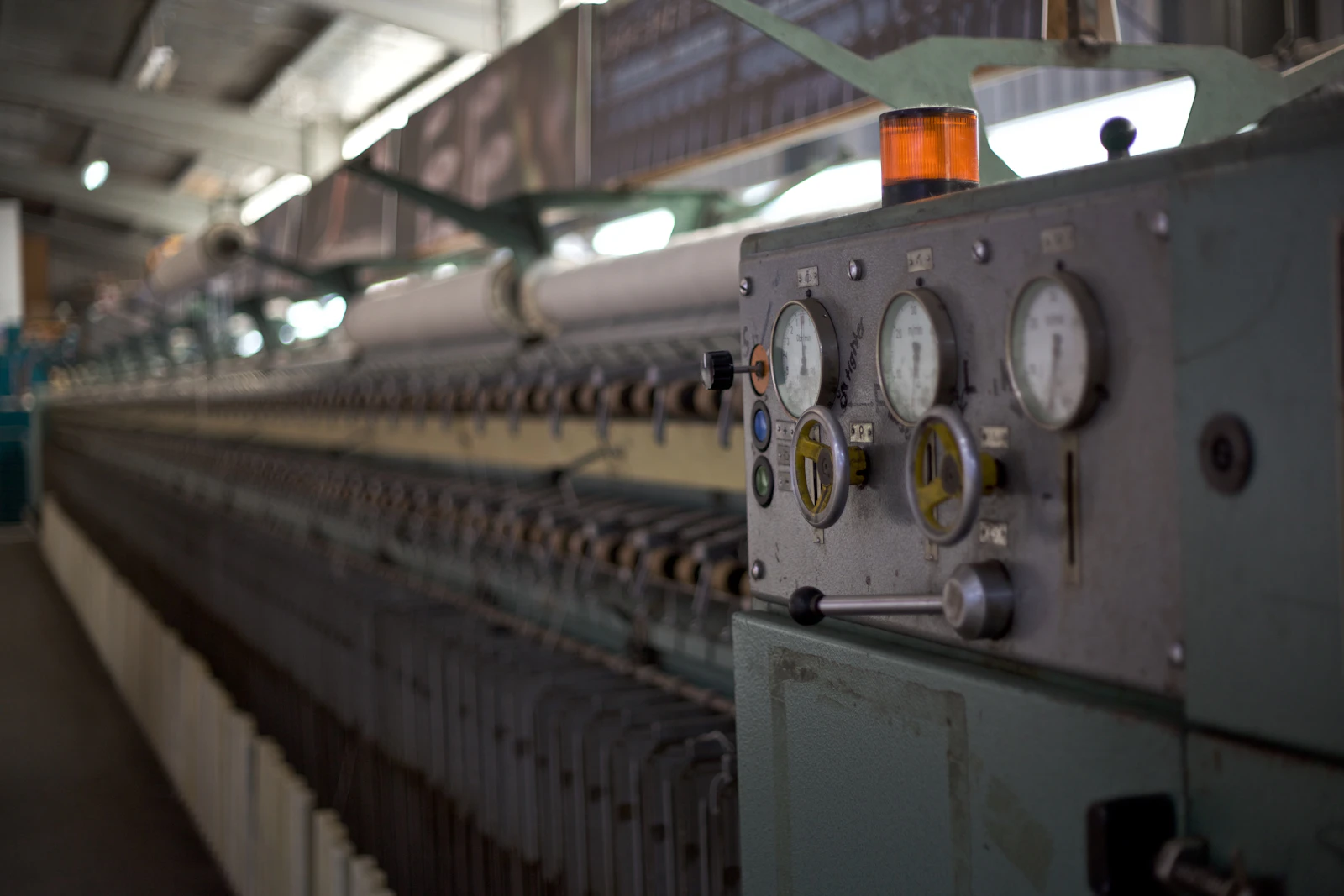
Threading machine rental Columbus
For Columbus, OH sprinkler system installation work in 2026 (especially fire sprinkler steel drops, risers, and small-bore threaded runs), plan budgeting around two common rental classes: (1) a 1/2 in.–2 in. shop-style power threader (RIDGID 300/535 class, often with stand and oiler) and (2) a handheld electric power drive (RIDGID 700 class) paired with die heads. A practical 2026 planning range for the shop-style unit is $80–$115/day, $240–$360/week, and $650–$950 per 4-week month, depending on what is included (stand, die heads, cutter/reamer, oiling system) and whether you’re billed on a true “calendar day” basis. For a handheld electric drive package, many contractors budget $55–$85/day and $200–$300/week. These ranges are anchored to published rate sheets and catalogs showing common baseline prices (e.g., $75/day, $225/week, $450/month for a 1/2–2 in. unit with stand; and other sheets/catelogs showing day rates in the $80–$92 range and week rates around $225–$283).
| Vendor |
Daily Rate |
Weekly Rate |
Review Score |
Website |
| United Rentals |
$125 |
$318 |
9 |
Visit |
| Herc Rentals |
$157 |
$455 |
9 |
Visit |
| Sunbelt Rentals |
$85 |
$215 |
9 |
Visit |
| Ohio Power Tool (Columbus) |
$50 |
$150 |
9 |
Visit |
What Drives Threading Machine Hire Costs for Sprinkler System Installation?
When an estimator or rental coordinator prices threading machine equipment hire for sprinkler system installation in Columbus, the “sticker” day/week/month rate is only half the story. Real cost moves with (a) scope (number of threaded joints and pipe sizes), (b) accessories included vs. billed as add-ons, (c) delivery logistics to the jobsite, and (d) how the branch defines billable time (day vs. weekend vs. 28-day month) and off-rent rules.
1/2 in.–2 in. machine vs. handheld power drive
Shop-style 1/2 in.–2 in. threaders (RIDGID 300/535 class, or equivalent) typically price higher because they include a chucking platform, stand capability, and are preferred when you’re threading dozens of nipples/cut lengths efficiently. Published rate sheets commonly show $75/day, $225/week, $450/month for a 1/2–2 in. threader with stand as a baseline, and other published rate cards show day rates into the low-$90s/day with weekly rates in the high-$200s/week.
Handheld electric drives can pencil out when threading counts are low, access is tight, or you’re doing punch-list threading. One published rental listing shows a 4-hour option at $35, a day at $55, and a week at $225 for a handheld electric pipe threader tool class.
Included die heads and size range
For sprinkler system installation, confirm whether the hire rate includes the exact die heads you need (common sprinkler sizes might be 1 in., 1-1/4 in., 1-1/2 in., and 2 in.). If the base rental is “power drive only,” you can see adders for heads/sets on some rate sheets (for example, $5/day, $20/week, $60/month is shown as an add-on price level for certain drop-in threading heads in one published rental sheet).
2026 Rental Rate Ranges You Can Use in a Columbus Estimate (With Assumptions)
Assumptions used for planning: (1) a “week” is a 7-day period, and a “month” is commonly billed as a 28-day rental month; (2) weekend billing may be a defined “weekend” product (Fri PM–Mon AM) or may be charged as 1.5–2.0 day-equivalents depending on the branch; (3) listed rates exclude tax, delivery, damage waiver, consumables, and jobsite handling. One published rental terms page explicitly defines Weekend (Fri PM to Mon AM), Weekly (7 days), and Monthly (28 days), which matches the way many contractor tool rental agreements are written.
- Power threading machine (1/2 in.–2 in.) with stand/oiler (RIDGID 300/535 class): plan $80–$115/day, $240–$360/week, $650–$950/4-week month. Baselines observed in published rate sheets include $75/day, $225/week, $450/month and another published card at $92/day, $283/week, $824/month; you should expect 2026 pricing in Columbus to cluster around and above those baselines depending on what’s included.
- Handheld electric power drive threader (RIDGID 700 class): plan $55–$85/day, $200–$300/week. A published listing shows $55/day and $225/week as a reference point (with a $35/4-hour option).
- Manual ratchet threader set (low-volume/punch work): often lower day rates (typically $15–$30/day depending on what’s included). Use this only if production expectations are low and access is controlled (manual threading time becomes the cost driver).
Hidden-Fee Breakdown That Changes the True Equipment Hire Cost
Below are the cost items that routinely move your threading machine hire cost on sprinkler system installation projects in Columbus—especially downtown deliveries, healthcare/education campuses, and remodel work with constrained receiving.
Delivery and pickup (flat, radius-based, and special handling)
- Local delivery/pickup: budget $75–$175 each way for standard curbside/forkliftable delivery within a normal metro radius (commonly ~15–25 miles). If your jobsite is outside the normal radius, carry a mileage adder such as $3.00–$5.00 per loaded mile (varies by fleet/branch).
- Downtown Columbus / Short North / Arena District constraints: allow $50–$125 for “limited access” handling when dock time windows are tight (e.g., 7:00–9:00 AM only) or when the driver must wait for site escort/badging.
- Inside delivery to a mechanical room: if you need the threader moved beyond the first point of delivery (elevator, ramps, long corridors), budget $95–$250 depending on labor, cartage, and site rules.
Damage waiver / rental protection vs. your own insurance
- Damage waiver / rental protection plan: carry 10%–15% of rental charges as a planning allowance if you are not waiving it via your own coverage.
- Deposit / authorization hold: for smaller tool rentals, budget $200–$500 depending on account status and whether you are net terms vs. card-on-file.
Consumables and wear items (commonly excluded from base rent)
- Thread cutting oil: allow $18–$35 per gallon (or branch-supplied oil billed at issue). If the unit has an oiler, confirm whether oil is included or charged on return.
- Die wear / replacement: if you return dull, chipped, or mismatched dies, budget $25–$120 in potential wear charges depending on size and condition (carry this as a risk allowance when threading older galvanized or stainless).
- Missing accessories (common backcharges): carry $15–$40 per missing item for small components (oiler gun, die case pieces, guides) and $75–$250 for larger missing parts (tripod stand parts, foot switch, drive components).
Cleaning, decontamination, and jobsite return condition
- Cleaning fee: allow $35–$120 if the machine comes back with heavy oil slurry, drywall dust, concrete dust, or overspray (typical on retrofit sprinkler system installation where the threader sits near other trades).
- Indoor dust-control requirement: budget $25–$60 for absorbent pads, drip trays, and floor protection on finished-space work (healthcare, occupied office, retail).
Late returns, weekend billing, and off-rent cutoffs
- Weekend definition: some branches price a dedicated weekend product; one published rental terms page defines weekend as Fri PM to Mon AM. If you keep the unit through Monday morning, confirm whether you will be billed a weekend rate or additional day(s).
- Late return penalty (planning allowance): carry $25–$75 if the return misses the “same-day” cut-off and rolls to an extra day.
- Off-rent rule: many rental operations do not stop billing until you have a pickup reference plus the equipment is scanned back in; protect yourself with documented pickup tickets and photo condition reports at off-rent call-in.
Columbus-Specific Cost Considerations for Sprinkler Installation Threading
Columbus jobs tend to create cost variation more from logistics and controls than from the base rate. Three repeat drivers to carry in your estimate:
- Receiving windows and badging: OSU-area, healthcare corridors, and large GC-controlled sites may require scheduled deliveries and COI compliance, which increases the chance you pay an extra day if delivery/pickup slips.
- Humidity and indoor retrofit conditions: late-summer indoor work can amplify oil mist and slip hazards; budget additional containment supplies and plan a tighter cleaning/return standard.
- Metro radius economics: if your sprinkler crew is working in outer suburbs/exurbs (e.g., beyond the I-270 loop), your delivery line item is more likely to be mileage-based and can exceed the rental on short durations.
Example: 6-Day Fire Sprinkler Retrofit With Weekend Hold (Real Numbers)
Scenario: A sprinkler subcontractor is retrofitting threaded steel drops and small mains in a 3-story occupied office near downtown Columbus. Production requires on-site threading for field-fit lengths (tight ceiling cavities), plus controlled oil containment. The crew needs a 1/2–2 in. threading machine with stand, plus dies and oil management.
- Base rental (1/2–2 in. power threader): assume $95/day and billed for 6 days due to weekend hold and Monday return timing = $570 (planning figure within the 2026 Columbus range).
- Delivery + pickup: $125 each way = $250.
- Damage waiver: 12% of rental line = $68 (rounded).
- Oil + containment supplies: $28 cutting oil + $45 pads/drip tray = $73.
- Potential cleaning allowance: carry $75 (only spent if return condition is poor).
- Estimated rental-side subtotal (pre-tax): $1,036.
- Sales tax planning: for Franklin County/Columbus-area transactions, budget 8.0% sales tax on taxable portions where applicable.
Operational constraint that drives cost: if the GC only allows pickup Monday 10:00 AM–12:00 PM and your branch closes the weekend ticket at Mon AM, a “weekend + Monday” structure can effectively add 1 extra billable day unless you pre-negotiate the weekend terms and off-rent call-in procedure.
Budget Worksheet (Threading Machine Equipment Hire Allowances)
- Threading machine rental (1/2–2 in. power unit): $80–$115/day allowance × expected days on rent
- Optional handheld power drive (tight access/punch list): $55–$85/day (or $35/4-hr if available and schedule-safe)
- Die heads / die sets (if not included): allow $5–$35/day depending on scope and sizes
- Delivery + pickup: $150–$350 total typical metro; add $3.00–$5.00/mile outside radius
- Damage waiver / rental protection: 10%–15% of rental charges
- Deposit / hold (cash flow allowance): $200–$500
- Cutting oil + consumables: $25–$90 (oil, pads, drip pan, rags)
- Cleaning / decon allowance: $35–$120
- Wear / missing parts risk: $50–$250 (dies/accessories condition-dependent)
- Tax allowance (if applicable): 8.0% in Franklin County/Columbus area planning
Rental Order Checklist (What a Columbus Rental Coordinator Should Confirm)
- PO and job identifiers: PO #, jobsite address, onsite contact phone, delivery instructions, after-hours contact
- Rental period definitions: confirm whether “day” is same-day return vs 24-hour; confirm whether “month” is 28 days; confirm weekend billing (Fri PM–Mon AM)
- Included accessories: stand, foot switch, oiler, die heads (sizes), die head case, guides, reamer/cutter (if applicable)
- Power requirements: 115V availability, GFCI, minimum extension cord gauge/length, indoor cord routing rules
- Jobsite controls: drip containment requirements, floor protection, where oil and chips can be staged/disposed
- Delivery window: receiving hours, dock height, forklift availability, security/badging needs (common downtown/campus constraint)
- Off-rent process: required notice time, call-in cutoff, pickup ticket number, and photo documentation at pickup
- Return condition documentation: photos of machine, accessories laid out, die condition, oil level/condition, and any pre-existing damage notes
How to Keep Threading Machine Hire Costs Predictable on Columbus Sprinkler Jobs
In Columbus sprinkler system installation work, the biggest swings in pipe threading machine equipment hire costs come from unplanned days on rent and unpriced accessories. The goal is to turn the rental into a controlled scope item rather than an open-ended “tool rental” bucket.
1) Match the tool class to the threading count
- High thread counts (dozens of pieces/day): use the 1/2–2 in. shop-style threader and price it as a production tool. If your baseline is in the $80–$115/day range, saving even 1 labor-hour per day often dwarfs the rent cost on a sprinkler crew.
- Low counts / punch list: a handheld drive can be the better hire cost outcome. A published benchmark shows $35 per 4 hours in some markets, which can be valuable if the work is truly contained and you can return same day.
2) Pre-price your “must-have” accessories
Threading machines are notorious for being quoted one way and invoiced another when accessories are treated as separate SKUs. For sprinkler system installation, pre-price or carry allowances for:
- Die heads / drop-in heads: if billed separately, published sheets show small adders (example price level: $5/day, $20/week, $60/month) that can still add up on multi-week schedules.
- Stand / tripod / cart: budget $15–$45/day if not bundled (especially important when the GC requires “no floor contact” protections and you need stable setup).
- Pipe support stands: budget $8–$18/day each (often two stands are needed for safe handling of longer sticks or prefabs).
3) Control the calendar: weekend and off-rent management
Even when a published term defines weekend as Fri PM to Mon AM and month as 28 days, your invoice will still depend on when the unit is actually scanned off-rent and whether your pickup request meets the branch cutoff.
- Plan for pickup cutoffs: carry a $25–$75 late/rollover allowance if you’re working in controlled receiving environments and pickup windows slip.
- Use “return-ready” packaging: keep the die heads, guides, foot switch, and oiler together; missing parts are a top cause of backcharges in the $15–$250 range.
Rate Anchors From Published Rental Sheets (Use as Benchmark, Not a Guaranteed Local Price)
If you need defensible benchmarks for a Columbus estimate, published rate cards and rental catalogs show day and week rates in consistent bands for common threading machine classes. Examples include:
- 1/2–2 in. threading machine with stand: one published rental sheet lists $75/day, $225/week, $450/month.
- RIDGID 300 class price level: another published PDF rate card shows $92/day, $283/week, $824/month.
- “Suggested one-day price” reference: a published rental PDF shows a $80 suggested one-day price for a 1/2–2 in. complete threader (useful as a sanity check when negotiating).
- Comparable shop threader listing: another published equipment listing shows $80/day and $240/week for a pipe threader/vise category.
- Handheld drive reference: a published listing shows $35/4-hour, $55/day, $225/week.
Threading Machine Hire vs. Buy for Columbus Sprinkler Crews
From a cost-management standpoint, the “rent vs buy” question is usually decided by utilization and maintenance capacity rather than the day rate alone.
- Hire is typically cost-effective when your crew threads intermittently (retrofit, punch work, variable pipe sizes) and you want the rental house to own calibration, chuck wear, and replacement downtime.
- Buying can pencil out when you have steady threading volume (multiple sprinkler rough-ins per month), can store the unit securely, and can control die condition with an internal tool crib process. In that scenario, rental still has a role for peak demand, backup units, or specialty capacities.
Practical Negotiation Levers (Without Chasing the Lowest Day Rate)
For Columbus-area sprinkler system installation, the best “savings” often come from eliminating backcharges and dead days rather than arguing $5 off the day rate.
- Ask for accessory bundling: request a single all-in package for stand + common die sizes + oiler so you don’t get piecemeal adders.
- Lock weekend terms: if your schedule forces a weekend hold, negotiate a weekend cap (or a defined weekend product) before the unit is dispatched.
- Confirm cleaning expectations: agree in advance whether “normal oil residue” is acceptable. Carry a $35–$120 cleaning allowance if your site is dusty or finished. (This is not a suggestion to accept poor housekeeping—this is a realistic estimator’s contingency.)
- Document condition at pickup: photo the unit and accessory kit-out. This is the simplest way to avoid $15–$250 missing/damage disputes.
Closeout: What to Hand Back to Accounting
- Signed delivery ticket with date/time (and any noted damage/shortages)
- Off-rent call confirmation and pickup ticket number
- Return photos showing die heads, foot switch, oiler, and any issued cases
- Consumables used (oil, pads) noted so the PM can reconcile against the budget worksheet
- Tax handling: whether the charge was taxed at 8.0% in Franklin County/Columbus area where applicable
If you want, share your expected pipe sizes and the number of threaded joints per day; I can tighten the equipment hire cost range (and recommend whether a shop-style threader or handheld drive minimizes total installed cost for your Columbus sprinkler scope).