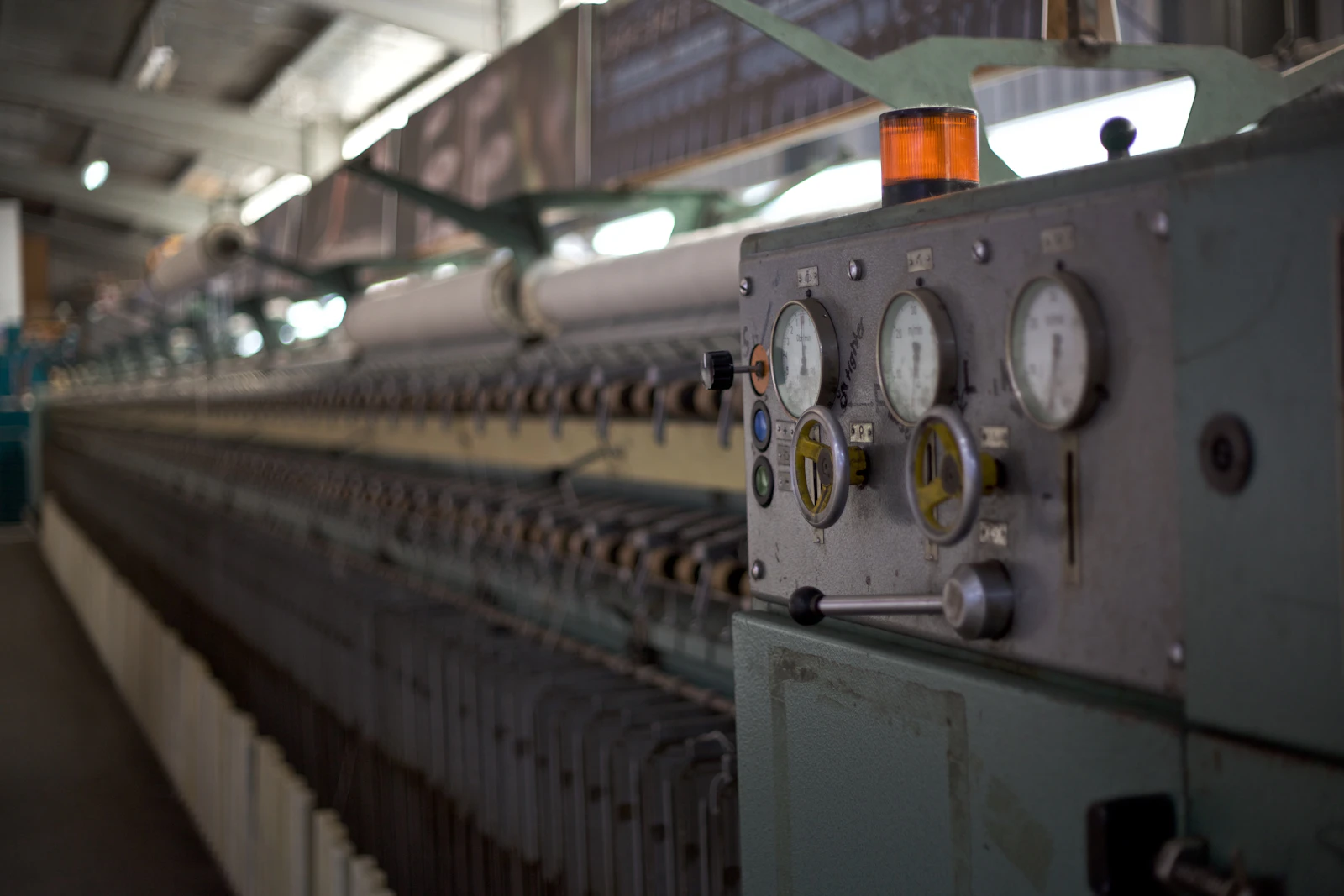
For Omaha, Nebraska sprinkler system installation work that requires threaded steel connections (most commonly backflow assemblies, pump-room tie-ins, or site mechanical skids), 2026 planning ranges for threading machine equipment hire typically land around $10–$25/day for a manual ratchet threader set, $30–$85/day for a handheld power-drive threader package, and $75–$165/day for a RIDGID 300-class threading machine with stand/cutter/reamer/oiler (with $220–$525/week and $440–$1,150/month bands depending on kit completeness and pipe capacity). Most rental coordinators in the Omaha metro source these packages through national rental branches (e.g., United Rentals, Sunbelt Rentals), trade-focused tool suppliers, or local general rental houses—then manage total cost via delivery windows, off-rent cutoffs, and accessory line items (dies, stands, thread oil, and cleanup).
| Vendor |
Daily Rate |
Weekly Rate |
Review Score |
Website |
| Honeyman Rent-All (Omaha metro) |
$50 |
$150 |
7 |
Visit |
| United Rentals (Omaha) |
$65 |
$145 |
4 |
Visit |
| Sunbelt Rentals (Omaha) |
$70 |
$175 |
8 |
Visit |
| Herc Rentals (Omaha metro) |
$85 |
$225 |
9 |
Visit |
| The Home Depot Tool Rental (Omaha) |
$45 |
$180 |
8 |
Visit |
Threading Machine Rental Rates Omaha 2026
Important estimating note: the ranges below are budgetary planning bands for 2026 (not a quote). Your actual hire cost will move based on whether dies are included, whether the package is “complete” (stand + cutter + reamer + oiler), and whether you’re billed for weekends/holidays. Use these ranges to build a bid allowance and then firm up via written quote and your master rental agreement.
- Manual ratchet threader set (typically 1/2 in.–2 in.): $10–$25/day, $40–$80/week. A published Omaha-area example for a manual pipe threader shows a 3-hour rate and daily/weekly pricing.
- Handheld power-drive threader package (e.g., RIDGID 700 / cordless threader; usually 1/2 in.–2 in.): $30–$85/day, $105–$320/week, $260–$950/month depending on corded vs battery, support arm, and die-head availability.
- RIDGID 300-class threading machine with stand (common contractor choice for jobsite threading up to 2 in.): $75–$165/day, $225–$525/week, $440–$1,150/month.
- Automatic threading machine (RIDGID 535 class, typically 1/2 in.–2 in.): $115–$225/day, $345–$650/week, $805–$1,750/month.
- Automatic threading machine (RIDGID 1224 class, typically 1/2 in.–4 in.): $125–$275/day, $375–$825/week, $875–$2,000/month (availability often “special order” in smaller branches; confirm lead time).
Assumptions behind these Omaha 2026 hire-cost ranges: single-shift tool rental; 1/2 in.–2 in. NPT threading for common steel/galvanized; typical contractor pickup (will-call) unless noted; and a “standard kit” definition where the machine includes a stand and cutting/reaming/oiling components (but dies may be separate). Some published equipment pages explicitly state that cutter/reamer/oiler can be included with a RIDGID 300-type package.
Which threading machine package actually fits sprinkler system installation?
For sprinkler system installation in the Omaha market, most crews only need a threading machine intermittently—often for a single day of tie-ins—while the majority of the scope is trenching, PVC/HDPE, poly pipe, fittings, and valve work (irrigation), or grooved/CPVC work (fire). The decision point is usually: How many threaded steel joints are on the critical path?
- Manual ratchet threader set (lowest equipment hire cost) is viable when you have limited threads (for example, a small repair) and acceptable labor time. This is also the easiest package to transport, which matters for multi-stop service work across West Omaha suburbs.
- Handheld power-drive threader package is often the best balance for small mechanical rooms or tight backflow closets because you can bring the tool to the pipe (instead of bringing pipe to a stand). However, you’ll frequently add cost for a support arm/tripod vise and you must plan for chip control and thread oil containment indoors.
- RIDGID 300-class machine with stand becomes the default for production threading (multiple joints, repetitive sizes, better consistency). The stand also helps your crew avoid improvised setups that trigger cleaning charges or rework due to poor thread quality.
- Automatic machines (535/1224) are justified when you’re threading frequently, pushing larger diameters, or want speed and repeatability—at a higher monthly hire cost and higher potential damage exposure.
What drives threading machine equipment hire costs in Omaha?
From a rental coordinator’s perspective, the “rate” is only one piece. Total threading machine equipment hire cost in Omaha is typically driven by the items below.
1) Pipe capacity and configuration
Pricing steps up materially when you move from a 1/2 in.–2 in. package to an automatic 4 in. capacity machine. If your sprinkler-related scope is limited to a 2 in. backflow tie-in, avoid paying for 4 in. capacity “just in case.” Put the contingency in your worksheet as a change-order trigger rather than carrying a higher base hire cost.
2) “Complete kit” vs. “power drive only”
Many branches can supply a power drive, while stands, vises, reamers, cutters, and oilers may be separate SKUs. That can swing your real daily equipment hire cost by $25–$80/day when you add: a pipe stand ($10–$25/day), a tripod vise ($15–$35/day), and an oiler ($5–$15/day). (These are common adders used in rental packages even when the main threading machine day rate looks competitive.)
3) Dies and die-head availability
Threading machine hire frequently excludes die sets or includes only “common sizes.” Expect extra line items such as: die-head set adders of $15–$35/day, drop-in die-head rentals as low as $5/day in some published rate sheets, or replacement charges if teeth are chipped.
4) Power and site logistics (especially on irrigation projects)
On irrigation installs, your workface may be away from shore power (new developments, parks, campuses). If you need a generator to support a corded threading machine, add $75–$125/day plus fuel, and plan a safe refueling area away from open thread oil. If you instead choose battery tools, budget spare batteries/chargers and clarify whether “missing battery” fees apply (often $150–$300 per battery depending on platform).
Hidden-Fee Breakdown for threading machine hire
Hidden costs are where threading machine equipment hire gets expensive fast. The list below is written for estimators and rental coordinators managing sprinkler system installation jobs with tight closeout dates.
- Damage waiver / rental protection plan: commonly 10%–15% of the rental charges (sometimes applied to accessories too). Clarify if it covers dies, cutter wheels, and oil-system components.
- Deposit / pre-authorization: often $150–$500 for specialty tools if you don’t have established credit, even when the daily hire cost is modest.
- Cleaning fee: budget $35–$95 if the machine comes back with thread oil on frames, concrete slurry, or grass/mud packed into stand wheels (common on mixed indoor/outdoor sprinkler installs).
- Environmental cleanup / spill response: if thread oil leaks in a finished mechanical room, some contractors carry an internal allowance of $75–$250 for absorbents, disposal, and extra labor. This is rarely captured in rental quotes but is very real job cost.
- Thread oil and consumables: plan $20–$35 per gallon equivalent for thread oil and $10–$25 for waste-oil disposal/absorbents on small jobs (more if you’re threading all day).
- Cutter wheel / reamer wear: some houses treat cutter wheels as consumables. Carry $18–$35 for a cutter wheel replacement allowance and $40–$85 exposure for a damaged reamer assembly.
- Die damage or loss: a single damaged die head or set can create a backcharge. Carry an exposure allowance of $25–$90 for minor die damage and $150–$400 for major die-head replacement risk if your crew is threading on damaged pipe or dropping heads on concrete.
- Late return penalties: common structures include $15–$40/hour after the due time or a fraction of a day rate once you pass a grace period. Confirm whether “day” means 24 hours, same-day return, or next-business-day return.
- Weekend/holiday billing: some contracts bill Saturday/Sunday as full days if the tool is on rent; others offer a “weekend rate” (often about 1.5× the daily rate for Friday pickup–Monday return). Get this in writing before your sprinkler crew picks up on a Friday.
Delivery, pickup, and off-rent rules that change total cost
Even though a threading machine is small compared to aerial equipment, delivery and off-rent rules still impact cost—especially when your sprinkler install is spread across multiple addresses in the Omaha metro.
- Metro delivery/pickup: for planning, carry $75–$175 each way inside a typical service radius, and $3.50–$6.50 per mile beyond the base radius.
- Minimum delivery charge: assume a $75 minimum even if the location is “close.”
- Delivery windows and cutoffs: if you miss a common morning delivery window, you can lose half a day. Carry a coordination allowance of 0.25 day of rent (or $20–$40) in the estimate for schedule friction on short-duration rentals.
- Off-rent call-in time: many rental houses require an off-rent notification before an afternoon cutoff (often around 2:00–4:00 PM) to stop billing that day. Missing it can add 1 extra day to the hire cost.
- After-hours / Saturday service: if you require a special pickup or weekend coordination, carry $125–$250 in premium logistics charges.
Omaha-specific considerations (cost-impacting): (1) suburban travel time across Dodge/West Maple corridors can make “will-call pickup” a hidden labor cost—delivery may be cheaper once you account for loaded labor and truck time; (2) winter conditions can thicken thread oil and increase cleanup time—budget extra absorbent/containment if threading indoors; (3) if you’re working downtown or on medical/campus sites, parking and dock scheduling can effectively force you into specific delivery windows and generate avoidable extra rental days if not coordinated.
Example: threading machine hire for a sprinkler system backflow tie-in in Omaha
Scenario: Commercial irrigation sprinkler system installation needs a 2 in. NPT threaded steel connection for a backflow preventer assembly inside a small mechanical room. You have 14 total threaded ends (7 cuts + 7 threads), limited floor protection allowed, and the GC requires same-day cleanup with photo documentation.
- Threading machine package: RIDGID 300-class with stand (budget $110/day) for 2 days = $220.
- Die-head set adders: assume $25/day for the correct head size coverage × 2 days = $50.
- Damage waiver: 12% of rental line items (machine + die adders) ≈ $32.
- Delivery/pickup: choose delivery due to dock scheduling = $125 each way = $250.
- Containment/cleanup: absorbent pads, drip tray, waste handling allowance = $90.
- Potential avoidable cost: if you miss off-rent cutoff and pickup happens next business day, add 1 extra day (another $110) plus waiver.
Budget takeaway: even with a “$110/day” threading machine, the realistic short-duration equipment hire cost for this controlled indoor sprinkler tie-in can land near $640–$750 once logistics, waiver, dies, and cleanup are included. The estimator’s leverage is delivery coordination, off-rent timing, and making sure the kit is complete (no mid-job run for a missing reamer or support vise).
Budget Worksheet
- Threading machine equipment hire (RIDGID 300-class or equivalent): $75–$165/day allowance
- Weekly alternative (if scope uncertain): $225–$525/week allowance
- Die-head set / size coverage adders: $15–$35/day
- Pipe stand / tripod vise: $10–$35/day
- Oiler / drip control accessories: $5–$15/day
- Thread oil: $20–$35 per gallon equivalent
- Absorbents / containment (indoor): $50–$150 per mobilization
- Cleaning fee exposure: $35–$95
- Damage waiver / rental protection plan: 10%–15% of rental charges
- Deposit / pre-auth exposure (if no account): $150–$500
- Delivery & pickup (if used): $75–$175 each way + $3.50–$6.50/mile beyond base radius
- Late return exposure: $15–$40/hour or 1 extra day if cutoff missed
Rental Order Checklist
- Confirm PO, job name, and site address (include dock/door and any site access restrictions)
- Confirm pipe size range (e.g., 1 in., 1-1/2 in., 2 in.) and NPT vs other thread requirements
- Confirm what is included: stand, cutter, reamer, oiler, chip tray; confirm whether dies are included or separate
- Request written clarification of weekend billing and off-rent cutoff time
- Verify electrical needs (typically 115V/15A) and whether you need a generator allowance
- Schedule delivery window (avoid “after lunch” when indoor work is on the critical path)
- At delivery: photo the tool condition, accessories, serial numbers, and included die sizes
- During use: document thread quality checks and keep oil contained (reduce cleanup backcharges)
- Before return: wipe down, drain/secure oil container, remove chips, and photo the cleaned condition
- Call off-rent before cutoff; obtain off-rent confirmation number (or email) for billing defense
When owning beats hiring (procurement note)
If your sprinkler division is repeatedly threading steel (service retrofits, repeated backflow assemblies, frequent pump-room modifications), ownership may beat equipment hire quickly. A published retail price point for a RIDGID 300 power drive is in the $3,000+ range (tool-only), before stands, dies, and accessories.
Rule of thumb for 2026 planning: if you routinely spend $450–$1,150/month on a 300-class threading package (plus logistics/waiver), you may reach break-even within a year depending on utilization, maintenance discipline, and your ability to control die wear and oil handling.
2026 market notes for threading machine equipment hire in the Omaha metro
In 2026, threading machine rental demand tends to cluster around mechanical room remodels, backflow replacements, and quick-turn service work. For Omaha-area sprinkler system installation teams, the operational reality is that threading is often a “short, critical-path activity” rather than a multi-week rental—so your largest cost drivers are minimum charges, weekend billing, delivery coordination, and accessory completeness, not the sticker daily rate.
How to keep a short-duration threading machine rental from turning into a week
- Plan the threading window: stage all pipe, fittings, and backflow components first. Paying $225–$525/week because you rented “early” is the most common avoidable cost on sprinkler installs.
- Pre-check pipe and fittings: out-of-round pipe or damaged ends can destroy dies fast. Carry a $25–$90 die-damage exposure even on small jobs, and reduce the probability by inspecting before threading.
- Confirm accessory counts at pickup: missing reamer/cutter/oiler can burn half a day and accidentally push you over a cutoff, adding 1 extra day (often $75–$165) plus waiver.
Risk management and documentation (what rental coordinators should actually capture)
Threading machines are “small tools with big backcharges.” For professional equipment hire cost control, capture:
- Inbound photos: tool serial, stand condition, cord condition, die head condition, and the accessory list.
- Oil containment plan: assign a drip tray and absorbents at setup; include a $50–$150 containment allowance in indoor work areas.
- Return-condition photos: show a wiped-down machine and clean stand to avoid $35–$95 cleaning charges.
- Off-rent record: store confirmation numbers/emails; this is often worth more than negotiating a slightly lower daily rate.
Common add-ons for sprinkler system installation crews (budget as equipment hire accessories)
To avoid change-of-plan costs, most sprinkler installation estimators carry these common adders when threading is expected:
- Pipe stand / roller head: $10–$25/day (prevents pipe drops and damaged finished floors)
- Tripod vise / support arm for handheld power drive: $15–$35/day
- Extra die sizes: $5–$15/day per size coverage (or per head), depending on house rules
- Extension cords (12/3 heavy duty): $8–$15/day if needed and not included
- Generator contingency (if no power at the workface): $75–$125/day + fuel
Return-condition expectations that affect your final invoice
Most disputes in threading machine hire costs come from “return condition.” Build these requirements into your internal closeout so the final invoice matches the estimate:
- Drain/secure oil: thread oil should be contained and transported without leaks. Assume $10–$25 for absorbents and disposal on short jobs.
- Remove chips: metal chips left in trays or on stands commonly trigger cleaning or shop time backcharges (carry $35–$95 exposure).
- Document missing accessories: missing cutters, reamers, or die heads can create large replacements; carry $60–$300 “loss exposure” internally if the jobsite has multiple subcontractors handling the tool.
- Confirm pickup timing: if the house can’t pick up until next day and your off-rent cutoff is missed, you can incur 1 extra day at $75–$165 plus waiver.
Choosing daily vs weekly vs monthly hire for Omaha sprinkler projects
- Daily hire is best when threading is a defined task (e.g., one mechanical-room tie-in) and you can control delivery and off-rent timing.
- Weekly hire is safer when the GC schedule is fluid (inspection uncertainty, access restrictions, or multiple addresses). If there’s a realistic chance you’ll need the tool beyond 2–3 days, weekly often reduces administrative friction even if the raw weekly number looks higher.
- Monthly hire should be reserved for sustained workstreams (repeat threading every day). If the tool sits, you’re paying for “availability,” so only choose monthly when utilization supports it.
Final estimator guidance (Omaha)
For 2026 bids in Omaha, the most defensible approach is to carry a threading machine equipment hire allowance based on (1) the correct machine class for your maximum expected pipe size, (2) a realistic logistics plan, and (3) explicit accessory/consumable line items. If you do that—and you manage off-rent cutoffs—you can keep threading machine rental from becoming a silent margin leak on sprinkler system installation projects.