

Tile Saw Rental Rates in Detroit (Daily/Weekly) — 2026 Costs

Price source: Costs shown are derived from our proprietary U.S. construction cost database (updated continuously from contractor/bid/pricing inputs and normalization rules).
Profile image of author
Eva Steinmetzer-Shaw
Head of Marketing

Tile Saw Rental Rates Detroit 2026

For Detroit tile flooring crews, tile saw equipment hire typically budgets as a small-tool rental with outsized cost swings driven by blades, slurry cleanup, and return timing. As a current Metro Detroit benchmark, a tabletop wet tile saw has been advertised at $40/day and $116/week (monthly “call for quote”), which is consistent with national tool-rental benchmarks that show $40/day, $109/week, and $302 per 4-week for a 10-inch electric tile saw under single-shift terms. For 2026 planning (allowing for availability and jobsite constraints rather than assuming any one vendor’s book rate), many Detroit-area estimators carry ranges of $45–$95/day, $170–$360/week, and $480–$950 per 4-week for common 7–10 inch wet tile saw rental packages, and $120–$300/day for higher-capacity rail/bridge saws used on large-format tile. This article is written for rental coordinators who need tile saw hire cost visibility, not DIY price checks.

Vendor Daily Rate Weekly Rate Review Score Website
The Home Depot Tool & Truck Rental (Detroit metro) $75 $300 8 Visit
Sunbelt Rentals (Detroit area) $90 $360 8 Visit
United Rentals (Detroit metro) $95 $380 8 Visit
Herc Rentals (Detroit area) $85 $340 7 Visit
BigRentz (delivered to Detroit) $80 $320 8 Visit

What Drives Tile Saw Equipment Hire Cost on Detroit Tile Flooring Jobs?

Tile saw rental rates per day in Detroit are often the easy part; the real spend usually comes from (1) matching saw class to tile size and finish requirements, (2) controlling consumables and cleanup, and (3) avoiding “extra day” billing caused by cutoffs, weekends, and after-hours access. Metro Detroit has a healthy mix of local independents (often strong on tool availability and flexible pickup) plus national branches that can support multi-site rollouts. In practice, your tile saw hire cost will move most when a project shifts from ceramic to dense porcelain, from 12x12 to 12x24 or larger format, or from exterior/garage work to occupied interior work where water containment and housekeeping are enforced.

Detroit-specific cost realities to plan around: (1) Downtown/medical/education sites frequently require scheduled delivery windows and COIs, which can turn a “pickup tool” into a delivered item with access constraints; (2) winter conditions increase breakage risk for pumps/hoses and water trays if equipment freezes in a truck overnight (budget extra time for draining and documenting return condition); and (3) parking/loading rules and elevator protection can add labor time that effectively extends the rental duration even if the saw runs only a few hours per day.

Choosing The Right Tile Saw Class (And What You’re Really Paying For)

When you write a tile saw hire line item for tile flooring, define the production need in plain terms: maximum rip length, diagonal capacity, material hardness (porcelain/stone), and whether you need a sliding tray/rail. “Tile saw” can mean anything from a compact tabletop wet saw (fast to mobilize, limited for large-format) to a bridge/rail saw (higher precision and capacity, higher hire cost, more difficult to deliver and protect indoors).

2026 planning ranges by common rental class (Detroit market):

  • Compact 7-inch wet tile saw (small footprint, lighter duty): budget $45–$80/day, $160–$300/week, $450–$800 per 4-week. Use when cuts are intermittent and tile sizes are modest.
  • 10-inch contractor wet tile saw (most common for commercial tile flooring crews): budget $55–$110/day, $200–$440/week, $550–$1,050 per 4-week. A Metro Detroit benchmark for a wet tabletop saw is $40/day and $116/week, so your actual 2026 rate may land toward the low end if you self-pickup and keep the tool clean.
  • Large-format rail/bridge wet saw (often 10–14 inch blade with longer travel): budget $120–$300/day, $450–$1,200/week, $1,400–$3,400 per 4-week. A specialty bridge-saw daily rate can reach $250/day in some markets, which is useful as a high-end reference when you’re trying to prevent under-carry on premium saws.

Operational note: if the tile plan includes tight miters, exposed edges, or polished porcelain, the “right saw + right blade” pairing is frequently cheaper than trying to save $20/day on the saw and then paying for re-cuts, extra labor, or chipped waste.

Rate Structure Details That Change The Invoice

Tile saw equipment hire commonly follows small-tool rules: a “day” is a 24-hour possession period, while “week” may be a 5-day week or 7-day calendar week depending on the rental house. Always confirm the weekly definition in the PO notes. Also confirm whether the saw is treated as a non-metered tool (most tile saws are) or if the vendor applies a shift schedule concept. A widely used reference for tool-rental shift multipliers is 1.5x for double shift (9–16 hours) and 2x for triple shift (17–24 hours) on hour-metered equipment; while most tile saws are not metered, the same concept can appear in contract language for extended-use tools.

Detroit workflow tip: if your tile crew works four 10-hour days, you can still get charged a full “week” if the rental period spans weekend possession. Plan pickup and return around site access, not just crew hours.

Hidden-Fee Breakdown (Where Tile Saw Hire Budgets Usually Break)

To keep tile saw hire cost predictable for tile flooring, estimate the following adders explicitly (as allowances). Even when each item looks small, the combined impact can exceed the base weekly rate.

  • Delivery and pickup: allow $85–$165 each way inside a typical 10–20 mile Metro Detroit radius; add $3.00–$5.00/mile beyond that radius. If downtown delivery requires a lift-gate or timed dock, add $25–$60 for special handling.
  • Minimum charge: some counters enforce a 1-day minimum even if you return in a few hours; if a 4-hour option exists, it is often 60%–80% of the day rate.
  • Damage waiver / rental protection plan: commonly budget 10%–15% of base rental (and sometimes applied to accessories too). If you decline, confirm your insurance certificate meets the vendor’s requirements.
  • Deposit or card hold: allow a $150–$500 authorization hold for a tile saw package (saw + stand + pump), especially if you are not on account terms.
  • Diamond blade wear: if the vendor supplies a blade, you may see a consumable charge or a “blade condition” backcharge. Budget $35–$95 for a mid-grade wet-cut tile blade replacement risk on porcelain/stone, plus $10–$25/day if blades are billed as a rental accessory (varies by house).
  • Cleaning and slurry removal: if the saw returns with hardened slurry in the tray/pan, budget $35–$125 cleaning. Add $25–$75 if the vendor charges for filter/pump cleaning or disposal handling.
  • Late return / after-hours: allow $25–$60 for a late-return processing fee, and assume an “extra day” if the tool misses the vendor’s morning check-in cutoff.
  • Electric/power accessories: allow $8–$20/day for a heavy-duty extension cord and GFCI module package if not already in your gang box.
  • Generator (when power is not ready): if you must cut where power isn’t commissioned, a small generator can add roughly $25/day, $66/week, or $183 per 4-week as a benchmark.

Sales tax reminder (Michigan): unless you have exemption documentation (e.g., resale/exempt entity), Michigan sales tax is commonly 6% and can apply to rental and some fees; confirm how your vendor treats delivery and damage waiver for tax.

Detroit Tile Flooring Jobs: Water Management And Indoor Protection Are Cost Items

Most tile saws used for tile flooring are wet saws by design; that reduces silica dust but introduces water, slurry, and housekeeping requirements. In occupied interiors (downtown office fit-outs, hospitals, higher education), your tile saw hire cost frequently increases because you must rent or supply additional containment and cleaning support to meet site rules.

Budget adders that are common on controlled interiors:

  • Floor protection and water containment: allow $25–$75 for disposable protection (ram board/poly/tape) per mobilization area, plus $15–$40/day if you rent reusable containment mats or berms.
  • HEPA vacuum support (for surrounding dust control and cleanup): allow $70–$150/day when required by GC safety plan (this is usually separate equipment hire, not bundled with the tile saw).
  • Daily end-of-shift cleanup labor: allow 0.5–1.0 labor hour/day to clean the saw tray, dump slurry appropriately, and photograph return condition to prevent cleaning backcharges.

Detroit winter note: if your saw is stored in an unheated vehicle overnight, draining becomes mandatory—frozen pumps and cracked trays turn into replacement claims. Treat “drain, wipe, photo” as part of your off-rent process, not an afterthought.

Local Benchmark Rates You Can Reference (Not Promises)

If you need defensible anchors for your estimate narrative, cite actual published tool-rental numbers as benchmarks, then state that your bid uses a planning range pending vendor quote and availability. For example:

  • Metro Detroit benchmark (tabletop wet saw): $40/day and $116/week, with monthly by quote.
  • National contract benchmark (10-inch electric tile saw): $40/day, $109/week, $302 per 4-week under single-shift terms.
  • Regional tool-rental reference point (10-inch wet tile saw): weekly $150 has been published by a Michigan/Indiana-area rental house, which can be helpful when comparing “week” definitions and accessory inclusions.

Use these as sanity checks when a quote comes back far outside your expected band. The first follow-up question should be: “What exactly is included (stand, blade, pump), and what return-condition standard is assumed?”
Draft costed estimates with AI assistance, then review before sharing.

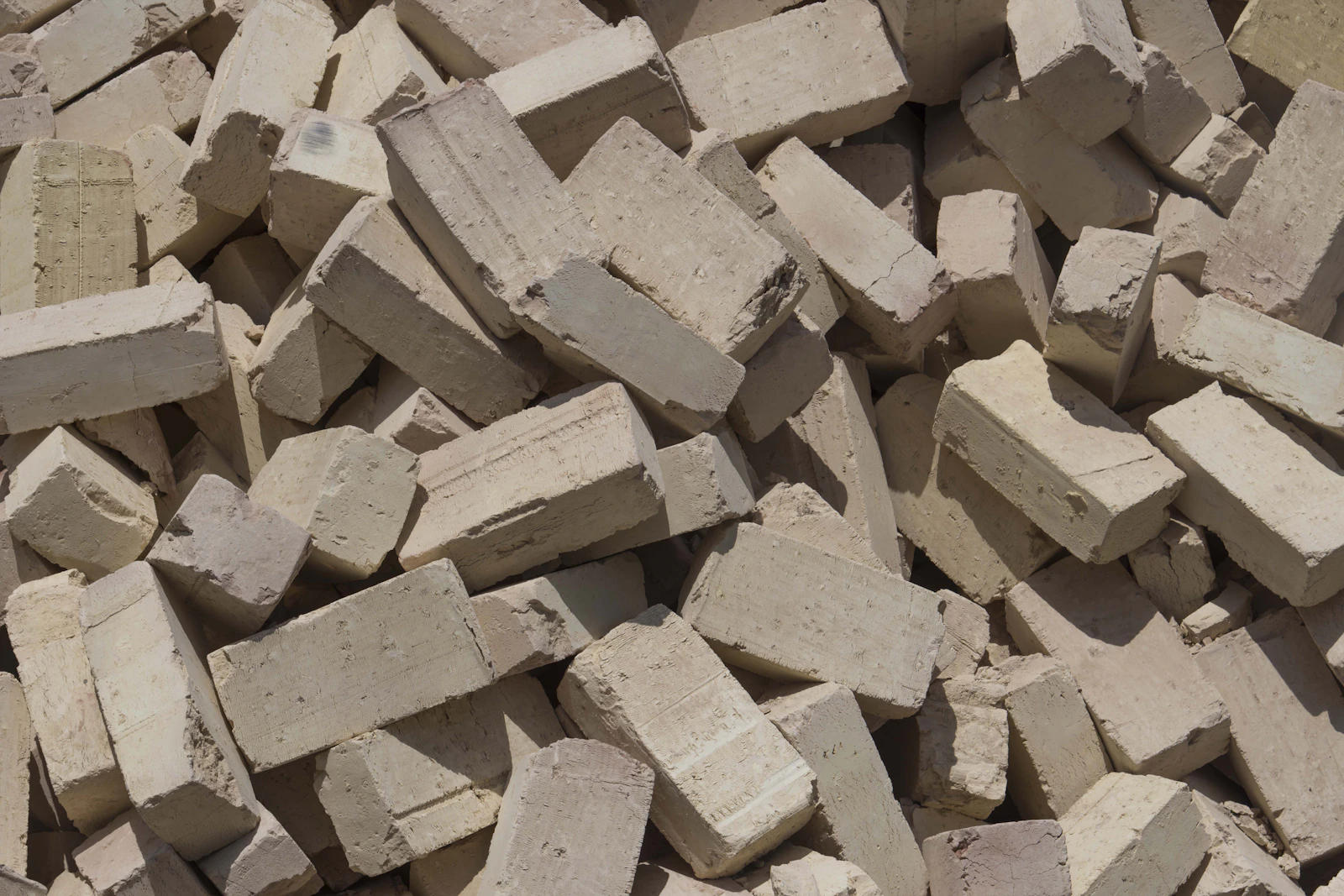
tile and saw in construction work

Example: Detroit Commercial Tile Flooring Cut Station (Numbers With Real Constraints)

Scenario: A two-person tile crew is installing porcelain floor tile in a 6,000 sq ft tenant improvement near downtown Detroit. The GC only allows deliveries between 7:00–9:00 AM, and tools must be removed from common areas by 3:30 PM. Cutting must stay wet to avoid dust issues, and the cut station must be protected to prevent slurry tracking.

Practical equipment hire approach: Rent one 10-inch wet tile saw for daily production and carry a spare blade allowance rather than renting a second saw.

  • Base tile saw hire (planning): assume $55–$95/day if you need delivery coordination, or target weekly pricing if you keep the saw continuously on site.
  • Delivery/pickup allowance: $140 delivery + $140 pickup because the building dock is timed and the saw can’t be left unsecured overnight.
  • Damage waiver: 12% of rental as an allowance (if not covered by your own program).
  • Cleaning risk: $75 allowance if slurry hardens in the pan or returns wet/dirty.
  • Blade allowance: $60 for a mid-grade diamond blade replacement risk (dense porcelain and high cut counts).
  • Floor protection/containment: $45 in consumables to protect adjacent finishes and contain water at the cut station.

Outcome: On many Detroit interiors, the non-rental adders (delivery timing, cleanup, blade wear, documentation) can equal 50%–150% of the base tile saw equipment hire line item if you don’t plan for them. The best control lever is simple: keep the saw clean daily, drain it before transport, and return it on-time with photos.

How To Write A PO That Prevents Tile Saw Hire Cost Creep

Most tile saw rental disputes are documentation problems, not equipment problems. Put your commercial terms in the PO notes so the branch and your AP team agree on what “a week” means, what is included, and what the return condition standard is.

  • Define the rate structure: “Bill as weekly rate after 3–5 billable days” (if that is your agreement) and clarify whether the “week” is 5-day or 7-day.
  • Specify included accessories: stand, pump/tray, rip guide, miter attachment, splash guards, and whether a blade is included or billed separately.
  • Confirm billing start/stop rules: include your off-rent contact and request written confirmation of the off-rent timestamp.
  • Return condition requirement: “Return rinsed, tray drained, slurry removed; photos attached.”

Budget Worksheet (Tile Saw Equipment Hire Cost Build-Up)

Use the following as a field-ready estimating artifact for a Detroit tile flooring bid. Adjust quantities for the number of crews and the number of simultaneous cut stations.

  • 10-inch wet tile saw hire: 1 each, allow $55–$110/day or $200–$440/week depending on duration and pickup/delivery.
  • Large-format rail/bridge saw (if tile is 24x48 or high-finish work): 0–1 each, allow $120–$300/day.
  • Delivery/pickup: allow $85–$165 each way (increase for timed dock / lift-gate: +$25–$60).
  • Damage waiver: allow 10%–15% of base rental.
  • Deposit/card hold exposure: allow $150–$500 (cashflow note, not necessarily a job cost).
  • Diamond blade allowance: allow $35–$95 per blade (porcelain/stone), plus “spare blade on hand” policy.
  • Cleaning/slurry backcharge allowance: allow $35–$125.
  • Water containment/protection consumables: allow $25–$75 per mobilization area.
  • Power accessories (cord/GFCI): allow $8–$20/day if not supplied by the contractor.
  • Generator (only if needed): benchmark $25/day, $66/week, $183 per 4-week.
  • Administrative time: allow 0.5 hour for check-in, inspection photos, and off-rent processing per return.

Rental Order Checklist (What To Confirm Before Dispatch)

  • PO includes: job name, address, requested pickup/return times, and the rate structure (day/week/4-week) plus “week definition” (5-day vs 7-day).
  • Delivery requirements: dock hours, delivery cutoff times, parking/loading instructions, and whether a COI is required by the site.
  • Tool spec: blade diameter (7-inch vs 10-inch vs 14-inch), required rip/diagonal capacity, and whether a sliding tray/rail is mandatory for large-format tile.
  • Accessories confirmed: stand, tray/pump, fence/miter, splash guards, and any water containment.
  • Condition-at-delivery: photograph the saw, tray, cord, and guards on arrival; document existing damage.
  • During use: daily rinse, drain, and keep slurry from hardening; don’t transport the saw with standing water in freezing weather.
  • Off-rent process: confirm the branch’s off-rent cutoff time; request written off-rent confirmation and schedule pickup/return accordingly.
  • Return condition package: drain tray, remove slurry, wipe down, photograph condition, and attach photos to the return ticket to reduce cleaning disputes.

When It’s Smarter To Rent Versus Buy (For Tile Saw Equipment)

For many Detroit contractors, tile saw equipment hire stays cost-effective when (1) the saw is needed intermittently, (2) your storage/maintenance capability is limited, or (3) jobsite constraints require different saw classes across projects. Buying tends to win when you have steady tile crews and consistent large-format work, because the hidden rental-cost drivers (delivery, damage waiver, cleaning backcharges, late days) become recurring friction. As a quick check, compare your expected annual rental spend against the cost of a professional saw plus at least 1–2 blades/month and the labor needed to keep the saw calibrated and clean. If your crew keeps a saw “on rent” for multiple 4-week periods per year, ownership often pencils out—provided you can control breakage and keep the saw from becoming a constant repair item.

2026 Planning Notes For Detroit Tile Saw Hire Quotes

To keep tile saw rental rates predictable in 2026:

  • Ask for the 4-week rate even if you think it’s a 2-week job; schedule drift is common, and the 4-week cap can protect your upside.
  • Clarify if the published weekly rate assumes self-pickup; Metro Detroit vendors may post attractive counter rates (e.g., $40/day, $116/week) that change once delivery and constraints are added.
  • Put “return clean and drained” in your foreman closeout checklist; a $75 cleaning backcharge can erase a week of rate negotiation.
  • For premium saws, confirm the exact model class; specialty markets show bridge-saw daily pricing as high as $250/day, so don’t assume your standard wet saw budget applies to large-format rail/bridge requirements.
