

Create an itemized estimate for your project, with materials, labor, and quantities you can review and edit.
Create my estimateStart a 7-day free trial. Sign up, then enter your project details.
In Albuquerque, renting a trencher in 2026 typically costs between $120 and $400 per day, $980 per week, and $2,450 per month. These rates vary based on the trencher's size and capabilities. Leading rental companies in Albuquerque provide a wide range of trenchers suitable for various trenching and backfilling projects.
| Vendor | Daily Rate | Weekly Rate | Review Score | Website |
|---|---|---|---|---|
| United Rentals | $280 | $980 | 8 | Visit |
| The Home Depot Rental | $199 | $597 | 7 | Visit |
| D & P Rentals | $160 | $640 | 7 | Visit |
| T & M Hardware & Rental Center | $195 | $585 | 6 | Visit |
| Hugg & Hall Equipment Co. | $506 | $1,357 | 7 | Visit |
Several factors affect the cost of hiring a trencher, including the machine's size, rental duration, and any additional attachments required. Seasonal demand and availability can also impact pricing.
When renting a trencher, be aware of potential hidden fees such as delivery and pick-up charges, which may be flat or mileage-based. Fuel surcharges, damage waivers, and cleaning fees for excessive dirt or mud may also apply. Late-return penalties and overtime charges should be considered when planning your rental period.
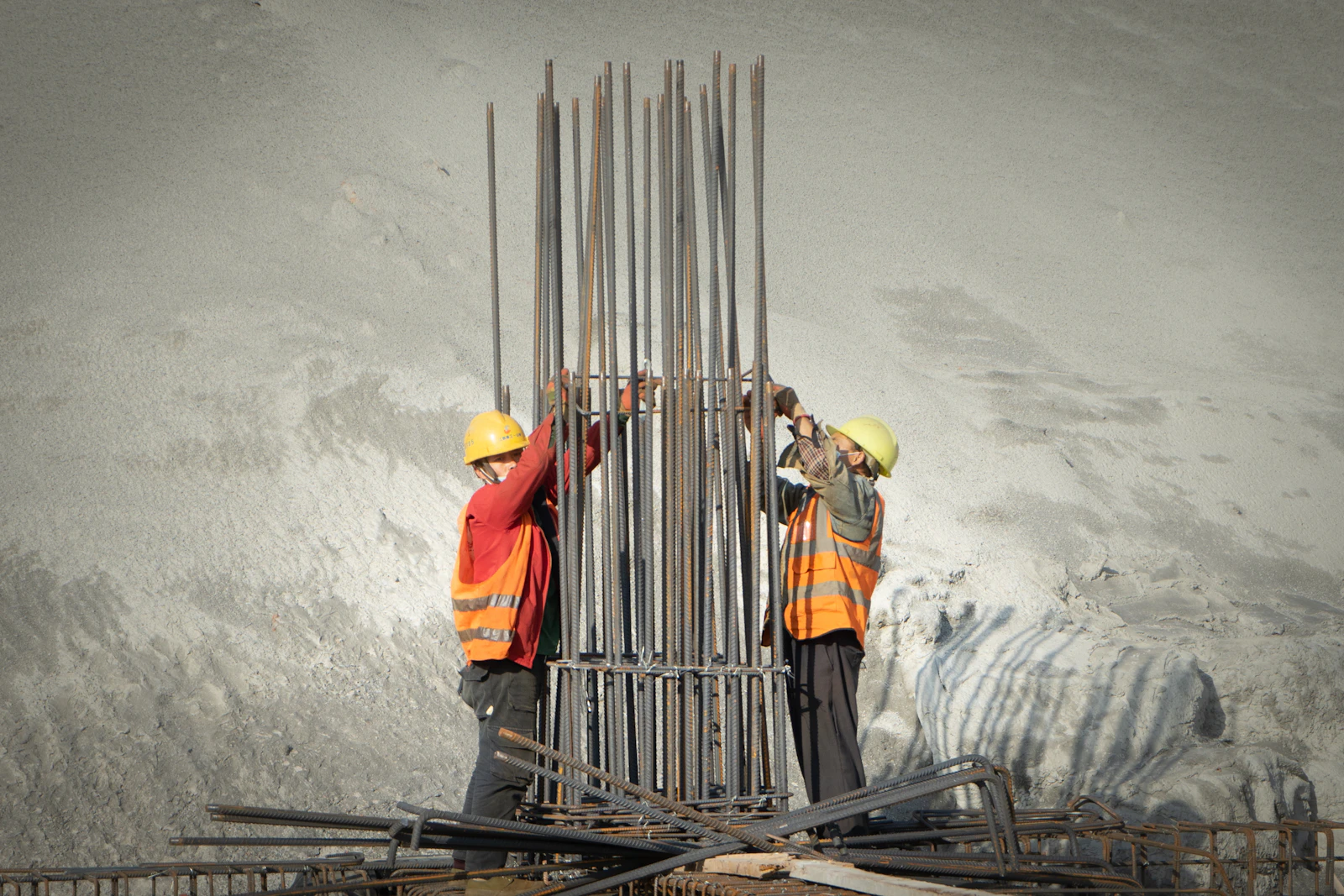
The trencher rental market in Albuquerque is expected to remain competitive in 2026, with several vendors offering flexible rental terms and a variety of equipment options. Staying informed about market trends and vendor offerings can help you secure the best rates and equipment for your project needs.
Ensure compliance with local regulations and safety standards when operating trenchers. Proper training and certification may be required for operators, and adhering to these guidelines can prevent costly fines and ensure a safe working environment.