

In 2026, residential construction professionals face evolving challenges and opportunities. With material costs ranging from $500–$2,500 per opening, staying informed is crucial. This guide explores key trends, including sustainable materials, off-site fabrication, and smart home integration, to help construction crews optimize their projects.
• Demand for lower embodied carbon materials is rising.
• Engineered timber and recycled steel are now cost-effective options.
Professional Insight: Stay updated with daily refreshed databases for accurate pricing on sustainable materials.
• Panelized walls and modular pods reduce onsite labor by up to 30%.
• Modular valuations are increasingly accepted by lenders.
Professional Insight: Utilize blueprint takeoff tools to streamline ordering pre-built sections.
• Voice-controlled lighting and HVAC sensors are now baseline options.
• Electric vehicle chargers are mandated in several jurisdictions.
Professional Insight: Integrate smart devices seamlessly with comprehensive task libraries.
• Skilled labor remains scarce, pushing adoption of robotics and AI scheduling.
Professional Insight: Use AI tools to identify labor bottlenecks and optimize timelines.
• The 2026 IECC raises wall R-values and blower-door requirements.
Professional Insight: Ensure compliance with updated codes to avoid costly change orders.
• Lumber futures fluctuate significantly, impacting project costs.
Professional Insight: Implement volatility indexes to manage pricing risks effectively.
• BIM models and 3D walk-throughs enhance client collaboration.
Professional Insight: Leverage AI takeoff tools for accurate cost and quantity estimates.
• Zoning reforms support backyard infill projects.
Professional Insight: Use pre-loaded templates for efficient ADU project planning.
• Digital documentation reduces insurance premiums.
Professional Insight: Utilize mobile apps for photo-verified stage reports.
• Detailed cost breakdowns facilitate faster loan approvals.
Professional Insight: Export estimates in lender-friendly formats for streamlined financing.
1. Schedule a demo to explore AI-driven estimating tools.
2. Compare live material prices to optimize procurement.
3. Integrate smart-home upgrades to enhance project value.
Stay competitive in residential construction by embracing AI and real-time data. Visit CountBricks.com to learn more.
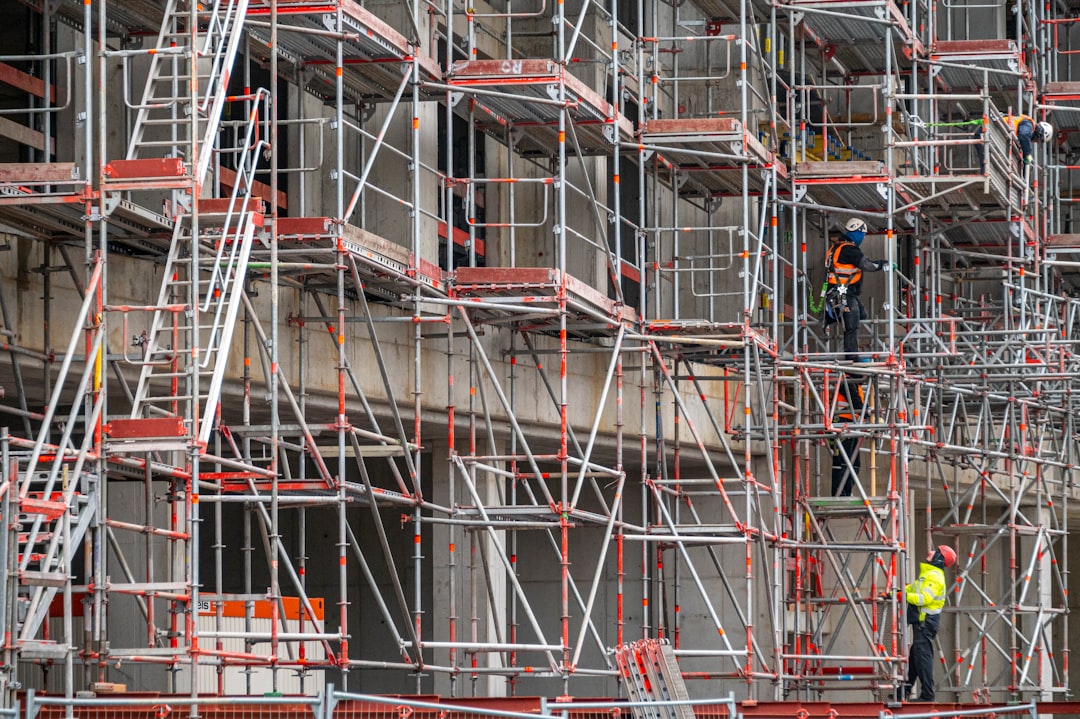
Stonebrook Builders successfully implemented CountBricks for a 24-lot townhome development, showcasing the power of these trends.
• Goal: Deliver energy-efficient homes under a tight labor market.
• Solution: Combine off-site wall panels, smart-home rough-ins, and live material tracking.
• Result: 18% faster framing cycle and $6,000 average savings per unit.
1. Modular Wall Panels: Efficient procurement through AI takeoff tools.
2. Smart-Home Integration: Seamless updates via mobile app commands.
3. Live Cost Updates: Adapt to material price changes with alternative solutions.
• Utilize ADU templates for infill market opportunities.
• Set up volatility alerts for key material price changes.
• Embed photo verification in draw schedules for insurance benefits.
Embrace data-driven workflows to future-proof your business. Book a walkthrough at CountBricks.com.
