

Vent hood installations in the Twin Cities can range from $650–$2,500 depending on the complexity and specifications. For standard 30-inch hood retrofits, expect costs between $650 and $2,500. High-CFM island hoods with makeup air can range from $650–$2,500. Luxury custom metal shrouds and decorative duct covers start at $2,500.
The Minneapolis–St. Paul metro is known for its extreme weather conditions, making a reliable kitchen range hood essential for maintaining indoor air quality. Local building codes now require exterior ventilation for most remodels, moving away from recirculating fans.
• Ice-cold intake air can enter if backdraft dampers are undersized
• High humidity from summer cooking condenses on uninsulated ductwork
• Snow loads on low-pitch roofs complicate roof-cap installations
• Minneapolis and St. Paul each enforce unique permit submittal forms
Traditional hood estimates require multiple site visits and manual pricing checks. CountBricks streamlines this with AI-driven workflows:
1. Discuss the project on your phone—our voice bot builds a 3-D scope in real time
2. Automatic blueprint takeoffs pinpoint duct routes, wall penetrations, and CFM calculations
3. Real-time material pricing pulls current costs from local suppliers
4. Labor tasks are matched to union or open-shop rates for the Twin Cities market
5. A branded proposal with line-item details and payment schedules arrives in your inbox within minutes
Revisions are instant within the CountBricks platform. Move the cooktop to the island? The duct run updates automatically, and so does the price.
• No hidden change orders—every component is itemized from day one
• Faster permits—CountBricks outputs a code-ready vent diagram
• Accurate lead times—integrated supplier feeds flag backordered dampers
• Single source of truth—homeowner, designer, and installer see the same live estimate
Even with intelligent software, material and labor variables still influence your bottom line. CountBricks highlights the big drivers so you can plan effectively:
• Duct length and diameter—each additional foot raises sheet-metal cost and labor hours
• Exterior termination—roof caps require roofers; sidewall caps may need masonry coring
• Makeup air—codes trigger fresh-air systems for hoods above 400 CFM
• Finish materials—copper or powder-coated chimney covers increase price per linear foot
• Standard 30-inch hood retrofits: $650–$2,500
• High-CFM island hoods with makeup air: $650–$2,500
• Luxury custom metal shrouds and decorative duct covers: $2,500
CountBricks refreshes supplier feeds hourly, ensuring your quote reflects current market conditions.
1. Digital Consultation: Record dimensions with your phone and upload any PDFs
2. Instant Estimate: Receive a detailed scope, cost, and schedule in under 10 minutes
3. Permit Package: Download stamped vent layout
4. Site Prep: Our partnered installers coordinate cabinetry, electrical, and drywall sequencing
5. Final Inspection: A CountBricks project lead verifies airflow and damper operation
• Confirm your hood’s CFM rating matches the BTU output of today’s high-power ranges
• Insulate ductwork in unconditioned attics to prevent condensation drip
• Request low-sone fans for open-concept layouts
• Ask CountBricks to pre-measure a makeup-air grille
• Schedule exterior cap installation before heavy snowfall
• Voice-to-quote speeds reduce preconstruction overhead
• Change orders auto-sync with accounting software
• Field crews access duct routing on smartphones, reducing layout errors
• Finished proposals are white-labeled, maintaining your branding
Whether upgrading a 1920s bungalow or starting a custom build, CountBricks brings precision, speed, and transparency to every vent-hood installation. Explore more at CountBricks.com.
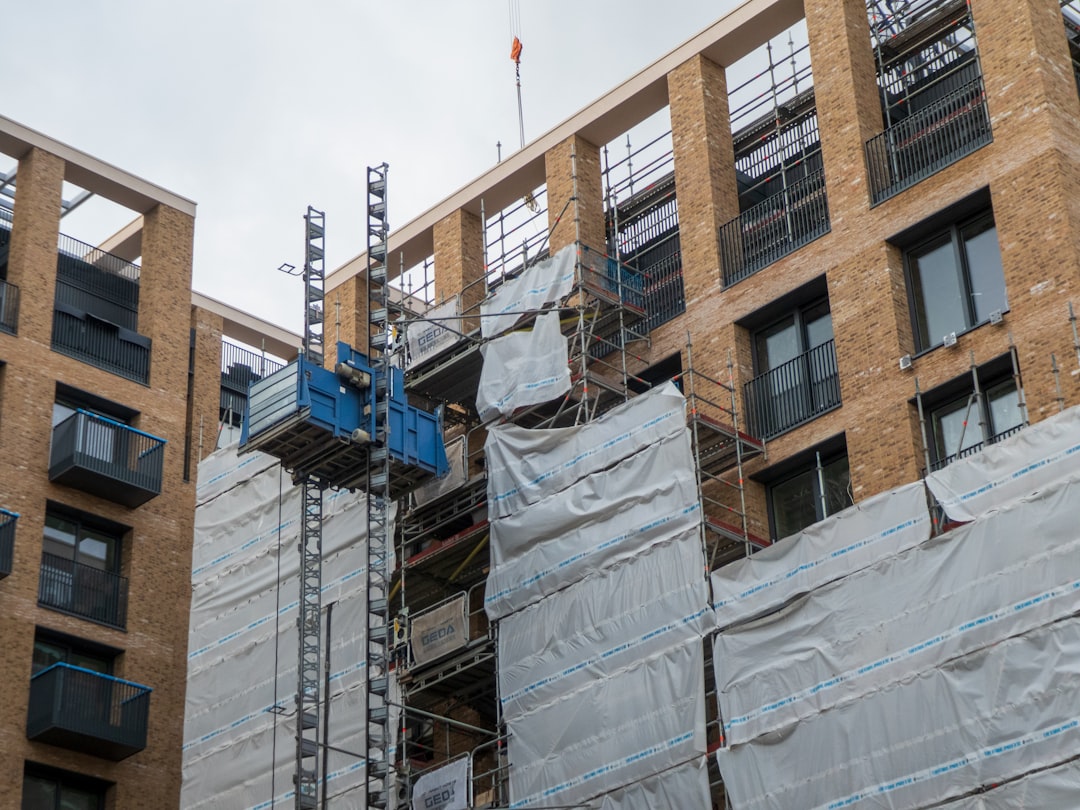
A recent client owned a 1914 craftsman near Minnehaha Creek. The kitchen remodel called for a 600 CFM wall hood, but thick plaster, balloon framing, and a steep cedar-shake roof threatened budget and timeline.
• Rapid Takeoff: Our AI traced the existing chimney stack on scanned blueprints and suggested piggy-backing the vent run to avoid new roof penetrations.
• Live Pricing: Galvanized 6-inch duct was experiencing a 7% surcharge due to supply chain squeeze. The homeowner saw the adjustment immediately and approved an insulated flex-duct alternative that saved $180.
• Task Sequencing: CountBricks reordered the labor schedule so electrical rough-in preceded plaster demo, shaving a full day off the project.
The hood was installed, inspected, and operational in nine working days—three days ahead of the city’s historic-structure timeline. Final cost landed 2% below the original estimate, and the homeowner received a digital maintenance log through the CountBricks dashboard.
• Early data wins: Uploading even rough sketches gives CountBricks’ AI space to optimize routes before fieldwork begins.
• Flexibility pays: Being open to material substitutions keeps budgets on track when supplier surcharges spike.
• Integrated oversight: With CountBricks managing from estimate to inspection, surprises disappear and close-out happens faster.
Vent-hood installations in the Twin Cities don’t have to be a guessing game. Speak into your phone, answer a few prompts, and watch a fully scoped proposal arrive in minutes. Visit CountBricks.com to start a live voice session now.
