

For construction professionals, accurately estimating window screen replacement costs is crucial to maintaining project budgets and timelines. In 2026, the average cost for standard fiberglass screens ranges from $40–$100 per opening, including labor. Understanding these costs helps avoid hidden mark-ups and ensures efficient project management.
• Prevent scope creep and unexpected expenses
• Set clear expectations with clients before starting work
• Secure accurate financing and deposits
• Align subcontractor schedules with reliable timelines
• Protect profit margins by locking in material rates
1. Screen material: fiberglass, aluminum, pet-resistant vinyl, or solar mesh.
2. Frame type: standard aluminum, low-profile vinyl, or custom wood trims.
3. Screen size and shape: rectangles are less expensive than arched or circular panels.
4. Labor complexity: first-floor access is quicker and cheaper than higher floors.
5. Hardware upgrades: corrosion-resistant clips, spring-loaded pulls, or colored gaskets.
6. Volume discounts: replacing 20+ screens can reduce per-unit pricing by 10-15%.
Standard fiberglass screen: $40–$100 per opening including labor.
Heavy-duty pet screen: $60–$260 per opening.
Solar mesh upgrade: $80–$400 per opening, offering HVAC savings.
Custom arch or circle: Add 30–40% for specialty framing.
Emergency rush service: Add 15–25% for 24-hour turnaround.
These figures are based on data from construction professionals nationwide, adjusted for regional material costs and labor rates.
1. Use voice-capture for site assessments.
2. Match materials with local supplier inventories for the best prices.
3. Benchmark labor costs using regional wage data.
4. Include standard waste factors in estimates.
5. Use transparent markup fields for profit and tax calculations.
6. Generate quotes quickly with automated tools.
• Consolidate orders to reduce mobilization fees.
• Opt for factory-preassembled frames on large projects.
• Schedule during off-peak seasons for lower labor costs.
• Consider solar mesh for energy rebates.
• Compare material options before committing.
A 2,000-square-foot home with 18 standard windows can expect:
• Upfront replacement investment: ~$1,047.
• Annual HVAC savings: ~$120.
• Payback period: 8.7 years.
Undermeasuring: Accurate measurements prevent reordering.
Ignoring hardware reuse: Salvage reusable hardware to cut costs.
High-rise insurance: Account for extra liability costs in estimates.
• Capture site conditions with voice notes.
• Auto-populate materials and labor costs.
• Generate quotes for client approval.
• Convert quotes into invoices easily.
• Sync data with accounting software.
• Daily updates on material prices.
• AI-driven labor allowances.
• Dedicated support from construction experts.
• Secure cloud backups for all project data.
Sign up for a demo and see how efficient cost estimation can transform your workflow.
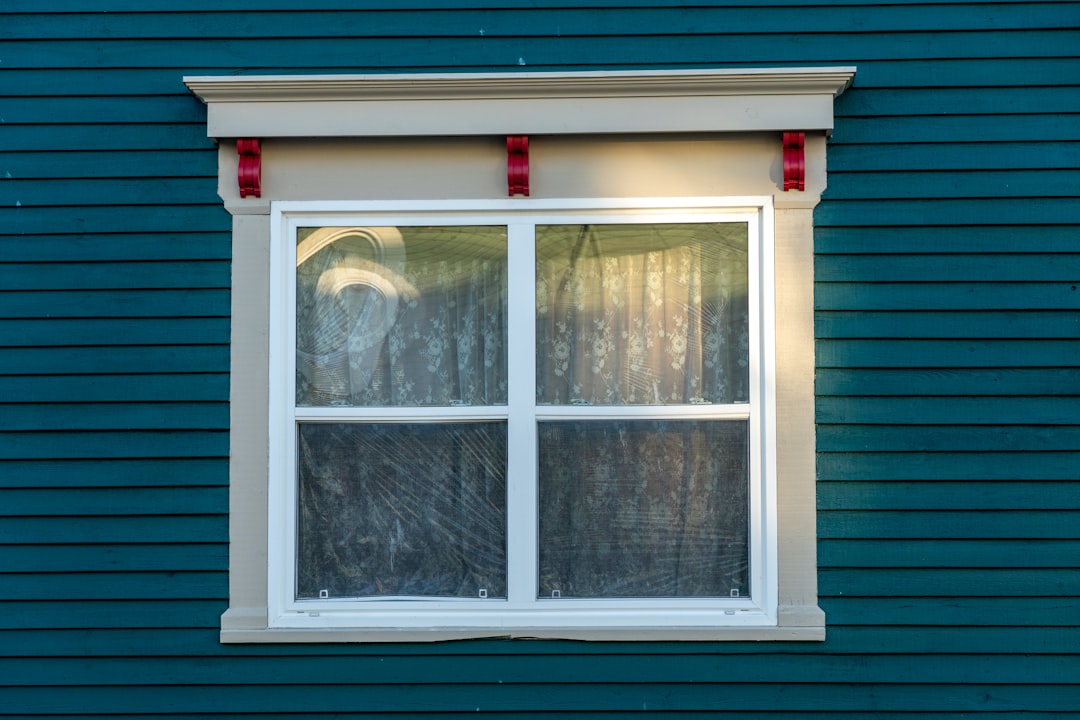
In a recent project, a construction crew replaced 32 screens in a San Diego home in just six hours, showcasing the efficiency of modern tools and techniques.
• Blueprint takeoff: AI detected 32 window openings, including custom frames.
• Voice-driven field check: Site notes were captured without manual entry.
• Dynamic material sourcing: Live pricing from suppliers saved costs.
• Real-time labor adjust: Ground-level windows reduced labor costs by 18%.
• Initial estimate: $2,740 for parts and labor.
• Final estimate: $2,190, including profit and tax.
• Approval time: 14 minutes via e-signature.
• Crew hours on site: 6.2.
• Contractor margin maintained: 34%.
• AI batching is crucial for profitability.
• Locking in supplier prices prevents mark-ups.
• Mobile e-signatures keep projects moving.
Explore more success stories and see how efficient tools can keep your projects on schedule and under budget.
