CountBricks Attic Ventilation New Orleans Experts
Construction Costs New Orleans
Price source: Costs shown are derived from our proprietary U.S. construction cost database (updated continuously from contractor/bid/pricing inputs and normalization rules).
Eva Steinmetzer-Shaw
Head of Marketing
Why Attic Ventilation Matters in New Orleans
In New Orleans, where summer temperatures soar and humidity is high, proper attic ventilation is crucial. Without it, heat and moisture can accumulate, leading to increased energy costs, roof damage, and mold growth. CountBricks offers professional attic ventilation solutions designed for the Gulf Coast climate, using advanced AI technology for precise estimates and installations.
The Building Science Behind Proper Airflow
Effective attic ventilation involves a balance between intake and exhaust. This continuous airflow helps remove heat in the summer and moisture in the winter. In coastal Louisiana, these challenges are particularly pronounced.
- Summer: Attic temperatures can exceed 150°F, straining HVAC systems.
- Winter: Warm indoor air can condense on roof sheathing, promoting mold growth.
CountBricks engineers calculate the net free ventilation area (NFVA) for each project, ensuring compliance with local codes and optimal performance.
Common Vent Types We Install
- Ridge vents: Low-profile, continuous exhaust at the roof peak.
- Soffit vents: Discreet intake slots or panels beneath the eaves.
- Gable vents: Traditional louvered openings that supplement airflow.
- Powered fans: Smart, solar, or thermostatic units for complex roofs.
We tailor vent styles to match the architecture of each home, from historic cottages to modern builds.
How CountBricks Uses AI to Streamline Your Project
- Voice Scope: Discuss your needs with our estimator via phone while in your attic. Our AI captures dimensions and current vent counts in real time.
- Instant Costing: We provide live material pricing, ensuring your quote reflects current market conditions.
- Automated Blueprint Takeoffs: Upload your roof plan for precise NFVA calculations.
- Branded Proposal: Receive a polished PDF proposal ready for approval or insurance submission.
Regional Codes and Best Practices
The International Residential Code (IRC) requires 1 sq ft of ventilation for every 300 sq ft of attic floor, balanced between intake and exhaust. Coastal parishes may have additional requirements. CountBricks ensures compliance with all local codes.
Five Pro Tips for New Orleans Homeowners
- Schedule installations between November and February to avoid storm-season delays.
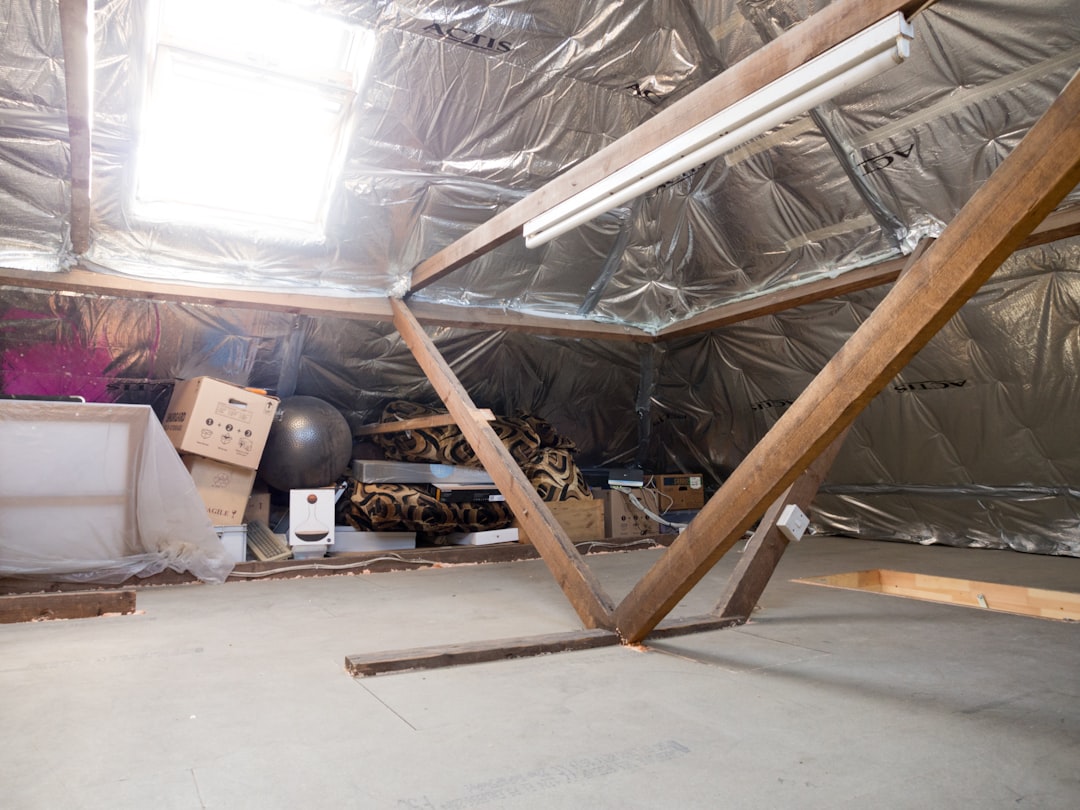
- Pair ventilation upgrades with a radiant barrier for maximum temperature reduction.
- Keep soffit baffles clear of insulation; our inspectors always check this.
- Choose corrosion-resistant fasteners to combat salt air corrosion.
- Request a post-install thermal scan to verify uniform airflow.
Case Study: Garden District Shotgun Revival
We revitalized a 1903 shotgun home with inadequate ventilation. Our AI estimator specified 2.4 sq ft of balanced ventilation for the 720 sq ft attic. We installed:
- 38 linear ft of continuous ridge vent
- Custom aluminum soffit panels
- A smart solar fan programmed for 92°F activation
Energy bills dropped 18% the first summer, and humidity levels decreased by 45%.
The CountBricks Installation Process
- Free voice consultation and AI estimate
- On-site validation and material color match
- Permit filing and HOA documentation
- One-day installation by licensed crews
- Digital close-out package with warranties and airflow report
Budgeting Accurate Costs
CountBricks pricing averages $2.40–$3.20 per square foot of attic space, including labor and materials. Powered fan add-ons range from $300–$900 installed. Our platform ensures you never pay contingency markups.
Frequently Asked Questions
Do ridge vents leak during Gulf Coast storms?
Modern baffled designs withstand 110 mph wind-driven rain when installed to manufacturer specs.
Can I DIY attic ventilation?
Cutting through a roof deck can void shingle warranties. CountBricks holds manufacturer certifications to preserve coverage.
Will more vents increase heating costs in winter?
Balanced systems remove moisture without significant heat loss. Proper insulation mitigates any minimal energy impact.
Next Steps
Ready to enhance your attic's efficiency? Reach out for a same-day AI estimate and let our New Orleans team design a ventilation upgrade tailored to your home.
Beyond Ventilation: Integrating Insulation and Air Sealing
Attic ventilation is just one part of a comprehensive energy efficiency strategy. CountBricks often combines ventilation upgrades with insulation and air sealing for maximum impact.
Comprehensive Energy Retrofit Workflow
- Attic Audit: We use infrared cameras and blower-door data to identify heat loss pathways.
- AI-Powered Cost Model: Our platform compares insulation options against utility-bill projections.
- Phased Execution: Ventilation first, insulation second, air sealing last to prevent trapped moisture.
Key Benefits of the Integrated Approach
- 25%–35% average reduction in total energy consumption
- Improved indoor air quality as pollutants are expelled
- Extended HVAC lifespan due to decreased runtime
- Higher resale value; clients often recoup 80% of upfront costs
Mini-Case: Lakeview Bungalow Upgrade
A 1,100 sq ft bungalow with outdated insulation and no eave vents was upgraded with continuous soffit and ridge ventilation, R-38 blown-in cellulose, and strategic foam sealing. Post-retrofit testing showed a 42% ACH50 improvement, with a $78 average monthly savings.
Pro Tips for Long-Term Performance
- Schedule annual roof inspections; minor shingle gaps can affect vent performance.
- Keep gutters clear to prevent water from wicking into soffit vents.
- Replace HVAC filters monthly; balanced ventilation can stir attic dust initially.
Partner With CountBricks
Whether you need a simple ridge vent addition or a full retrofit, CountBricks provides data-driven guidance and precise execution. Explore our projects or request an AI estimate today.