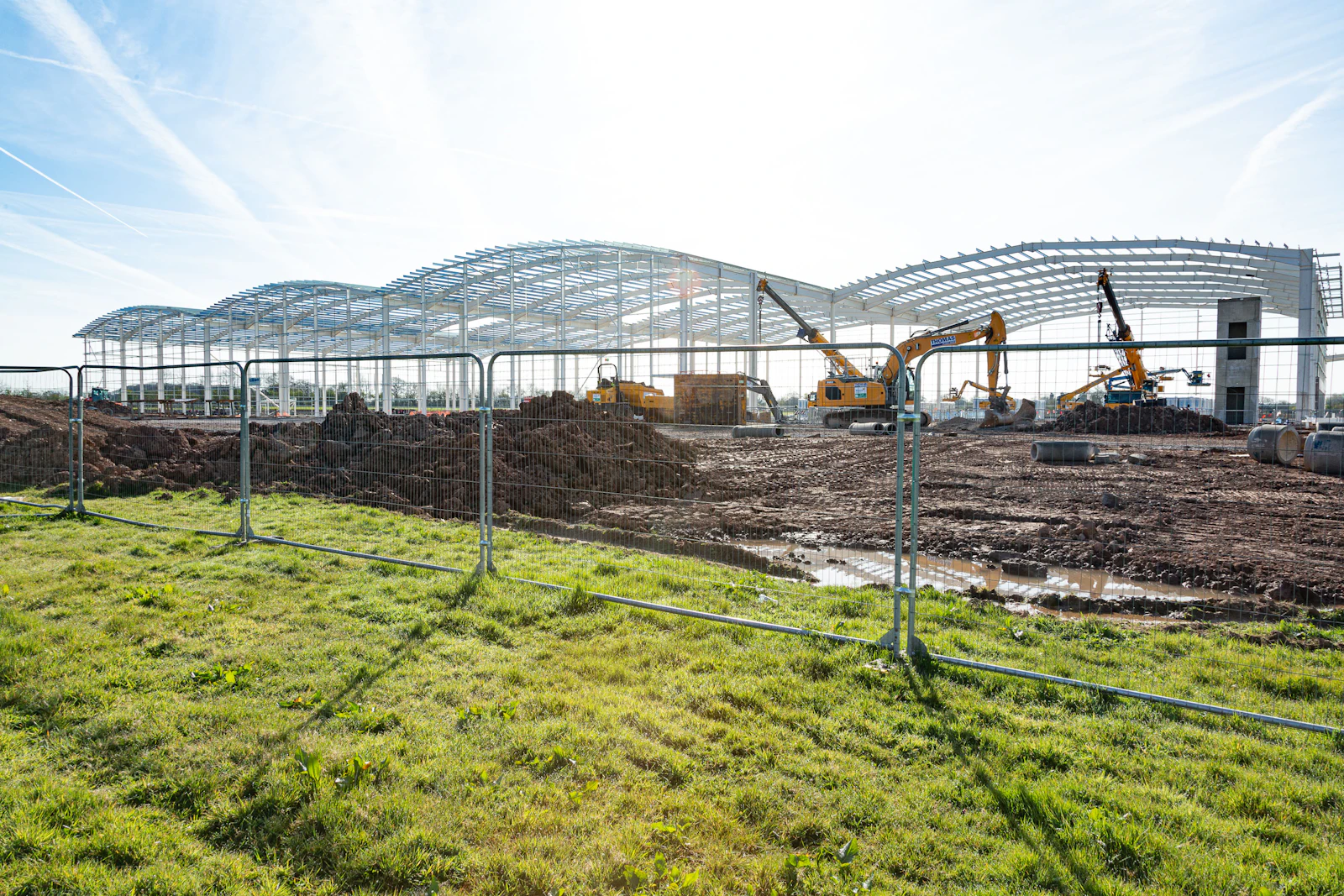
Excavator Hire Costs Indianapolis 2026
For Indianapolis stormwater retention system work in 2026, excavator equipment hire budgets typically land in these planning ranges (bare machine, single shift): 1–2 ton micro/compact excavators $200–$320/day, $750–$1,150/week, $2,200–$3,200 per 4 weeks; 3–5 ton mini excavators $240–$450/day, $900–$1,650/week, $2,800–$4,500 per 4 weeks; 8–10 ton mid-size $500–$850/day, $1,900–$3,100/week, $5,200–$8,500 per 4 weeks; 12–20 ton $900–$1,600/day, $3,400–$6,000/week, $9,500–$16,500 per 4 weeks; and 20–30 ton production excavators $1,600–$2,800/day, $6,000–$10,500/week, $17,000–$29,000 per 4 weeks. Publicly posted rate sheets and local listings show mini-excavator “day/week/4-week” pricing in the low-to-mid hundreds per day depending on class, with delivery priced separately, and national rental houses with Indianapolis branches commonly enforce an 8-hour day / 40-hour week / 160-hour 4-week usage basis for base rates.
| Vendor |
Daily Rate |
Weekly Rate |
Review Score |
Website |
| United Rentals |
$828 |
$2 191 |
8 |
Visit |
| Sunbelt Rentals |
$622 |
$1 596 |
9 |
Visit |
| Herc Rentals |
$753 |
$1 814 |
9 |
Visit |
| MacAllister Rentals (The Cat Rental Store) |
$795 |
$1 995 |
9 |
Visit |
2026 Planning Rate Ranges by Excavator Class for Indianapolis Retention Work
Stormwater retention systems in Marion County often mix precision trenching (inlets/outlets, underdrains) with bulk cut/fill (basin excavation and spoil management). For estimating, pick your excavator class based on access, depth, and production targets—then adjust for attachments, trucking, and jobsite constraints.
Micro/Compact (1–2 ton) — tight access and utility corridor work
- Typical hire range (bare machine): $200–$320/day; $750–$1,150/week; $2,200–$3,200 per 4 weeks.
- Best fit: inlet tie-ins, yard drains, small underdrain laterals, work behind fences or between buildings.
- Common cost note: these units are sensitive to delivery cost vs. rental time; a one-day hire can become “delivery dominated” if you need liftgate or strict delivery windows.
Mini (3–5 ton) — the default for many retention retrofits
- Typical hire range (bare machine): $240–$450/day; $900–$1,650/week; $2,800–$4,500 per 4 weeks.
- Reality check from posted schedules: mini excavator published examples include ~$218.50/day, ~$584.25/week, ~$1,296.75/month (catalog class example) and ~$320/day, ~$880/week, ~$1,965 per 4 weeks (another published example), which helps bracket “low end” planning numbers when supply is favorable.
- Best fit: retention system outlet structures, riprap placement (with thumb), trenching underdrains, small basins where hauling is the bottleneck.
Mid-Size (8–10 ton) — production trenching and moderate basin excavation
- Typical hire range (bare machine): $500–$850/day; $1,900–$3,100/week; $5,200–$8,500 per 4 weeks.
- Best fit: deeper outlet structures, faster trench cycle times, improved reach for shaping side slopes.
Standard (12–20 ton) — basin excavation, wet soil handling, high cycle production
- Typical hire range (bare machine): $900–$1,600/day; $3,400–$6,000/week; $9,500–$16,500 per 4 weeks.
- Best fit: new-build basins/ponds, large detention/retention excavations, long reaches, heavier buckets, and working in wetter material.
Large (20–30 ton) — mass excavation where trucking and spoil plan exist
- Typical hire range (bare machine): $1,600–$2,800/day; $6,000–$10,500/week; $17,000–$29,000 per 4 weeks.
- Best fit: schedule-driven basin cuts with coordinated off-road trucks, dedicated spoil staging, and firm undercut/backfill sequences.
What Drives Excavator Equipment Hire Cost on an Indianapolis Stormwater Retention System?
Retention scopes punish “generic excavator rental pricing” assumptions. The delta between a clean, predictable hire and a change-order-prone one is usually jobsite control: access, wet conditions, erosion controls, and documentation discipline.
1) Utilization assumptions (8-hour vs. extended shifts)
Most major rental terms price a standard shift (often 8 hours/day, 40 hours/week, 160 hours/4 weeks). If you exceed those hours for a storm event recovery push, expect overtime usage billed proportionally (commonly computed as 1/8 of the daily rate per extra hour on a daily rental, 1/40 of the weekly rate per extra hour on a weekly rental, and 1/160 of the 4-week rate per extra hour on a 4-week rental). Build this into your retention-system contingency if your schedule is weather-driven.
2) Excavator configuration (steel tracks, rubber pads, swing radius)
Indianapolis retention projects frequently cross finished pavements (parking lots, access roads) near outfalls and inlets. If you need rubber pads or a smaller tail swing, you may pay a class bump or a special request fee. Also expect a higher cleaning standard on return when the machine operates in wet clay soils common in Central Indiana, because undercarriage packing drives cleaning time and “return condition” disputes.
3) Attachments and add-ons (where retention scopes spend money)
Attachments are the fastest way to turn a “reasonable excavator hire cost” into a premium weekly number—especially when you need quick-change flexibility for a stormwater retention system with both trenching and finish grading. Common 2026 planning adders (availability dependent) include:
- Hydraulic thumb: +$40–$120/day (or +$150–$420/week) for setting riprap, structure components, and debris handling.
- Quick coupler: +$35–$90/day; +$120–$320/week to switch between trenching bucket and cleanup bucket without downtime.
- 12–18 in trenching bucket: +$15–$35/day; +$60–$120/week (often bundled on compact classes; confirm what’s included vs. “standard bucket”).
- 24–36 in cleanup/ditch bucket: +$25–$65/day; +$90–$240/week for shaping basin bottoms and side slopes.
- Grading/tilt bucket: +$75–$175/day; +$250–$600/week where slope tolerances and positive drainage matter.
- Hydraulic breaker/hammer: +$250–$650/day; +$900–$2,200/week plus potential tool/wear charges of $25–$60/hour in hard material (verify your agreement terms).
- Compaction wheel: +$175–$350/day; +$600–$1,200/week if you’re compacting around outlet structures where jumping jacks are inefficient.
- GPS/machine control (if offered on larger classes): +$150–$300/day; +$500–$1,050/week when you need documented basin elevations.
Delivery, Mobilization, and Off-Rent Rules That Change the True Hire Cost
In Indianapolis, excavator equipment hire costs are frequently decided by logistics rather than the base rate. Two “same class” excavators can net out 20% apart after you account for trucking, minimums, surcharges, and off-rent timing.
Delivery and pickup charges (flat + mileage)
- Typical local trucking (planning allowance): $150–$350 each way within ~20–30 miles for compact/mini classes; $350–$650 each way for 12–20 ton classes; $650–$1,250 each way for 20–30 ton classes requiring heavier trailers and escorts in some cases.
- Mileage model (common on published schedules): examples show pricing like $120 each way + $3.25 per loaded mile for certain equipment classes, which is useful for budgeting when the vendor uses a hybrid fee.
- After-hours / timed delivery window premium: +$150–$300 if your site only accepts deliveries (for safety or facility rules) between, say, 7:00–9:00 AM or after 3:00 PM.
Off-rent and billing cutoffs
- Common off-rent cutoff: call/e-mail before 2:00–3:00 PM local time to stop the clock next business day; miss it and you often eat another day.
- Weekend billing reality: many branches treat Saturday/Sunday as billable time unless you negotiate a “weekday-only” rate; if your basin work pauses for inspections, plan for 1–2 weekend days of standby or pre-arrange an off-rent pickup.
- Minimum rental: 1-day minimum is typical even if you return in 4 hours; half-day exists in some catalogs but is often weekday-only and pickup-only.
Hidden-Fee Breakdown (Build These Into Your 2026 Budget)
Retention work increases exposure to “extra line items” because machines get dirty, operate in wet soils, and are pushed to meet weather windows. Carry these allowances early so your PO matches the invoice:
- Damage waiver / rental protection plan: commonly 10%–15% of the base rental (and it may not cover theft or gross negligence). Carry 12% as a default allowance unless your company provides equipment insurance.
- Fuel / environmental surcharge: 4%–12% of the rental and/or trucking (varies by branch program and fuel indices).
- Cleaning fee (undercarriage + cab): $150–$450 if returned with packed clay/mud or concrete spatter; plan higher if you’re cutting in saturated areas around an outfall.
- Refuel charge: $6.00–$9.00 per gallon equivalent (diesel) if not returned full; many vendors also add a service fee on top.
- Battery/electric charging shortfall (if you hire electric compact classes): $75–$250 “recharge/handling” if returned below the required state-of-charge (where applicable).
- Wet weather standby / hold days: negotiate up front; otherwise you may pay full daily on days lost to rain even if the excavator sits.
- Loss/damage deposit or credit hold: $500–$2,500 typical depending on class and account terms.
- Late return penalty: often 1/4 day to 1 full day if returned after the agreed cutoff (commonly around 24 hours from delivery time for “24-hour” rentals).
Budget Worksheet (Excavator Equipment Hire Allowances for an Indianapolis Retention System)
Use these line items to build a rental ROM that will survive approval and reconcile cleanly at invoice time (adjust quantities to your schedule):
- Base excavator hire (select class): ____ days / ____ weeks / ____ x 4-weeks at $____ each
- Attachments: hydraulic thumb (____ days), cleanup bucket (____ days), trenching bucket (____ days), quick coupler (____ days)
- Delivery & pickup: $____ each way (include timed delivery premium if needed)
- Damage waiver / rental protection: 12% of base rental = $____
- Fuel/environment surcharge: 6% allowance = $____
- Cleaning allowance: $250 per return x ____ returns = $____
- Refuel allowance: 20 gal x $8.00/gal = $160 (adjust to tank size and expected return condition)
- Overtime usage allowance: 8 extra hours/week x ($weekly/40) = $____ (only if you expect extended shifts)
- Downtime/standby contingency: 1 day per 2 weeks at $____/day = $____ (weather/inspection driven)
- Damage contingency (deductible exposure): $1,000–$5,000 depending on internal risk policy
Example: 3–5 Ton Mini Excavator Hire for a Stormwater Retention Retrofit in Indianapolis
Scenario: A retention retrofit behind an occupied facility on the north side of Indianapolis: limited access (single 12-ft gate), work hours restricted to 7:00 AM–3:30 PM, and spoils must be staged on mats to protect asphalt. You need a 3–5 ton mini excavator with a hydraulic thumb and two buckets for 2 full weeks to trench an underdrain, set small structures, and shape a forebay.
- Base hire: 2 weeks at $1,150/week = $2,300 (mid-range 2026 planning number for class, assuming standard shift)
- Thumb adder: $300/week x 2 = $600
- Quick coupler: $180/week x 2 = $360
- Cleanup bucket: $120/week x 2 = $240
- Delivery/pickup: $250 each way x 2 = $500 (timed 7:00–8:00 AM delivery window adds +$200)
- Damage waiver: 12% of base rental + attachments ($2,300 + $1,200) x 0.12 = $420
- Fuel/environment surcharge: 6% allowance on rental subtotal (~$3,500) = $210
- Cleaning allowance: $300 (wet clay risk)
Planning total (before tax): about $4,830. If you miss the off-rent cutoff and the pickup slips one day, add a full day at $350–$450 plus potential weekend billing—this is why rental coordinators treat off-rent timing as a cost driver, not admin.
Indianapolis-specific note: when retention work interfaces with city ROW or tight commercial sites, delivery timing, access control, and “clean return” expectations typically matter more than saving $25/day on the base excavator rate. Plan your hire package around those realities to keep your stormwater retention system schedule intact.
How to Keep Excavator Equipment Hire Costs Predictable on Retention Jobs
Retention scopes are vulnerable to weather, inspections, and utility conflicts—each of which can create idle paid days. The goal for an equipment manager or estimator is to reduce variance: lock in the correct class, align trucking with the workfront, and make return condition/documentation non-negotiable.
Right-size the excavator to the “constraint,” not the task list
- If access is the constraint: choose the smallest machine that meets depth/reach, then add the right buckets and thumb. This often beats forcing a larger excavator and paying for additional spotters, mats, and damaged pavement remediation.
- If production is the constraint: jump from 3–5 ton to 8–10 ton (or 12–20 ton) sooner. Paying an extra $250–$700/day can be cheaper than adding 3–5 rental days while you wait on cycle time.
- If wet conditions are the constraint: budget for a larger class with better breakout force and consider wider tracks/low-ground-pressure options (when available), plus higher cleaning allowance.
Use 4-week pricing intentionally (and avoid “rate stacking”)
For multi-phase retention systems, avoid accidentally paying a mix of daily and weekly rates because of partial periods and delayed off-rent. A practical internal rule for rental coordinators: if you’re likely to exceed ~9–10 billable days, request a weekly or 4-week conversion quote in advance and confirm how partial weeks are billed (some contracts convert; others stack). If your project pauses for erosion-control inspections, push for an agreed standby rate (e.g., 50% daily) on documented no-work days.
Insurance, Damage Waiver, and Return Condition Controls
Excavator hire costs spike when there’s ambiguity around who pays for what. Put these items in writing on the PO and in your internal rental file:
- Damage waiver rate and cap: confirm whether it’s 10%–15% and whether it applies to attachments and transport.
- Deductibles and exclusions: track “wear items” (bucket teeth, cutting edges) and what constitutes neglect.
- Return condition photos: take dated photos of undercarriage, buckets, coupler, cylinders, and cab at delivery and pickup; include hour meter / telematics reading.
- Cleaning responsibility: decide whether you will pressure-wash on site. If you wash on site, plan water access, containment, and no-discharge compliance where required by site rules.
Delivery Windows and Site Rules in Indianapolis That Commonly Add Cost
Even within the same city, retention projects in industrial parks, healthcare campuses, and downtown-adjacent corridors behave differently than greenfield jobs. City-typical cost impacts to watch:
- Delivery radius norms: many branches price “local” within ~20–30 miles, then add mileage or higher minimums—important if your retention basin is on the far edge of the metro and the rental yard is opposite I-465.
- Congestion/time-on-site: if the driver waits for an escort or a facility induction, you may see waiting time of $75–$150/hour after a short free window (carry a 1-hour waiting allowance when access is uncertain).
- Dust/mud control: retention excavations in wet periods can require stabilized construction entrance maintenance; if mud tracking becomes an issue, expect more frequent undercarriage cleaning (carry $250–$450 per clean as needed).
- Seasonal impacts: freeze-thaw can harden subgrade; if you anticipate frozen lifts, budget for a ripper tooth or breaker day (breaker package can add $250–$650/day plus wear).
When “Operated Hire” Beats Bare Equipment Hire
For some stormwater retention system scopes—especially tight tie-ins at outfalls, critical elevations, or live-facility constraints—operated excavator hire can reduce risk even if the hourly number looks higher. Planning ranges (Indianapolis market typical) are:
- Mini excavator with operator: $85–$125/hour with an 8-hour minimum ($680–$1,000/day), often plus trucking and attachments.
- 12–20 ton with operator: $120–$170/hour with an 8–10 hour minimum ($960–$1,700/day), plus mobilization and fuel terms.
- Standby rate: 50%–70% of the operating rate if the operator is held due to inspection/utility clearance delays (negotiate and document).
If your internal crew isn’t familiar with retention system grading tolerances or working around live utilities, the cost of one strike or rework can exceed the delta between bare and operated hire.
Rental Order Checklist (What a Rental Coordinator Should Require)
- PO details: equipment class, model equivalency, attachments list, rental term (daily/weekly/4-week), usage basis (8/40/160 hours), and overtime billing method.
- Delivery details: jobsite address, delivery window, on-site contact name/phone, gate code, laydown area, and whether a tilt trailer is required.
- Site constraints: working hours, noise limits, escort/induction requirements, and any pavement protection requirements (mats, rubber tracks/pads).
- Compliance: certificate of insurance (COI) requirements, additional insured wording, and any owner-controlled insurance program (OCIP/CCIP) instructions.
- Utility clearance: 811 locate ticket number and date; mark-out confirmation prior to excavation.
- Acceptance documentation: delivery condition photos, hour meter reading, serial number, and attachment inventory at drop.
- Off-rent process: required notice method (email/portal/phone), cutoff time (confirm branch policy), and who is authorized to off-rent.
- Return condition: refuel requirement (full tank), cleaning expectations, and what constitutes “excess wear.”
Practical Negotiation Points That Move Total Hire Cost (Without Chasing Base Rate)
- Bundle attachments: ask for “bucket package included” (e.g., trenching + cleanup) to avoid multiple daily adders.
- Cap delivery: negotiate a not-to-exceed trucking charge for Indianapolis metro deliveries, especially when dispatch timing is uncertain.
- Convert rates automatically: request automatic conversion to the best applicable rate (daily → weekly → 4-week) to prevent rate stacking.
- Pre-agree cleaning: if you know you’re in saturated soils, put a pre-agreed cleaning fee cap (e.g., $300) rather than open-ended shop time.
- Document storm delays: if a weather event stops work, communicate immediately and push for standby handling rather than full-rate days.
Closeout: What to Put in Your 2026 Indianapolis Excavator Hire Budget
For stormwater retention system work in Indianapolis, a realistic excavator equipment hire budget is not just the daily/weekly/monthly machine rate. Carry line items for trucking, damage waiver, fuel/environment surcharges, attachments, cleaning/refuel exposure, and overtime usage. Use 4-week pricing when you can commit, control off-rent timing aggressively, and treat return condition documentation as part of the cost-management process—not an afterthought. For calibration, publicly posted mini excavator schedules show day/week/4-week numbers in the ~$200–$320/day and ~$880/week range in some programs, while some local posted rental menus show mini excavators around ~$325/day, ~$1,300/week, and ~$3,600/month—use these as anchors, then adjust to your exact class and site constraints.