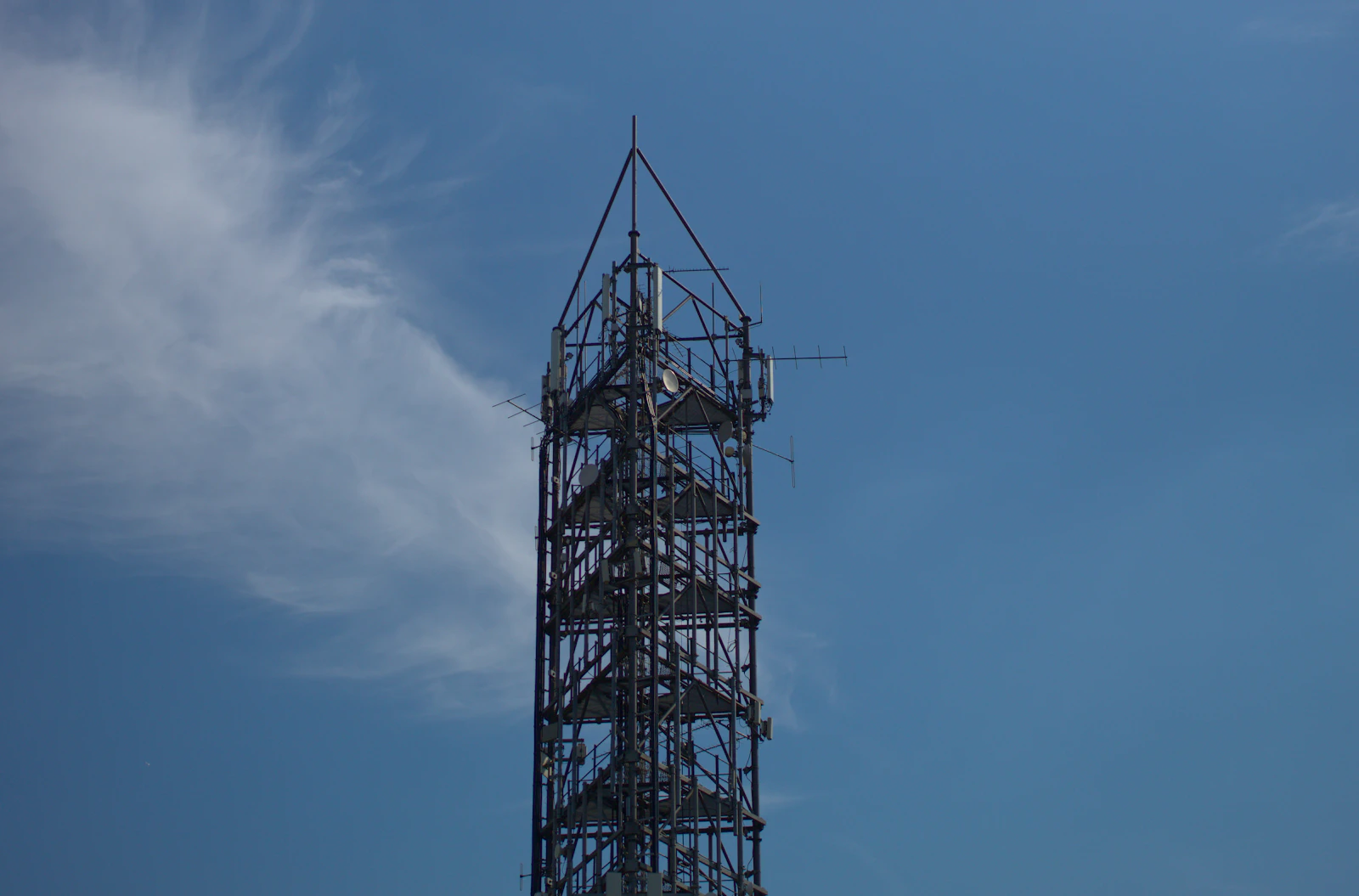
2026 Kansas City planning range (equipment only): scaffold tower equipment hire typically budgets at $55–$110/day, $195–$420/week, and $585–$1,260 per 28-day month for standard rolling/Baker-style tower configurations, with higher pricing when you step up to taller multi-tier towers, tighter indoor access requirements, or vendor-provided setup support. These figures are intended for estimating and procurement planning (not a guaranteed quote) and should be validated against your jobsite address (MO vs KS tax jurisdiction), delivery constraints, and abatement-specific return conditions. Kansas City rental managers commonly source towers through scaffold specialists and national rental networks (for example, KC-area scaffold providers that offer daily/weekly/additional rates and delivery support, plus national accounts from United Rentals and Sunbelt/BrandSafway depending on scope).
| Vendor |
Daily Rate |
Weekly Rate |
Review Score |
Website |
| United Rentals (North Kansas City) |
$106 |
$224 |
9 |
Visit |
| Sunbelt Rentals (Scaffold Services / Kansas City metro) |
$125 |
$375 |
9 |
Visit |
| Herc Rentals (Kansas City) |
$125 |
$375 |
9 |
Visit |
| Platte Rental & Supply (Parkville / Kansas City metro) |
$80 |
$160 |
8 |
Visit |
Scaffold Tower Hire Costs Kansas City 2026
This post is scoped to scaffold tower equipment hire costs in Kansas City for asbestos abatement—where the biggest cost swings usually come from (1) configuration and access, (2) delivery logistics and off-rent rules, and (3) contamination/cleaning obligations at return. For abatement work, treat “scaffold tower rental rates” as only the starting point; you’ll typically add guardrails/toeboards, non-marking casters, leveling gear, and often vendor-required protection or cleaning allowances before the tower can be accepted back into fleet inventory.
Assumptions behind the ranges above: 1 shift/day general use, tower remains on one site, return during normal business hours, no erection/dismantle labor included, and the scaffold is returned clean and free of adhesive residues, poly tape buildup, or suspect contamination. If you need vendor erection/dismantle (common on larger scaffold scopes), budget labor separately as noted later.
What You Are Actually Hiring For Asbestos Abatement
For asbestos abatement, the “scaffold tower” you hire is usually a rolling indoor tower (often Baker-style) or a frame-and-brace rolling tower built to reach ceilings, pipe chases, or elevated mechanical runs inside containment. From a cost standpoint, your rate is driven by:
- Working height / tier count: a single section may cover low ceilings; multi-tier (2–3 tier) towers increase rental and accessory counts.
- Base footprint: common footprints (e.g., ~5' x 7') are cost-efficient; narrow bases for corridor access can force more frequent repositioning and more labor hours on your side.
- Decking and access: trapdoor platforms, internal ladders, and gates tend to add weekly adders versus a basic plank setup.
- Casters vs leveling: abatement often prefers controlled movement (locking casters) and predictable deck level; plan on casters/leveling jacks as explicit line items, not “included.”
Procurement note: if your abatement plan requires the tower to stay inside containment for the duration, your “cheap weekly rate” can turn expensive if you have multiple mobilizations on the same campus. In that scenario, consider whether you need two towers to avoid downtime when one tower is waiting on clearance or final wipe-down.
What Drives Scaffold Tower Equipment Hire Pricing In Kansas City?
In the Kansas City metro, the equipment hire cost for a scaffold tower typically moves for practical reasons that estimators sometimes miss:
- Duration math (day vs week vs 28-day): many rental programs push you toward a week once you cross ~3–4 days, and toward a 28-day month for planned abatement sequences. United Rentals explicitly publishes daily/weekly/monthly (28-day) rates on many items, so align your estimate to that billing structure rather than calendar months.
- Seasonal demand and indoor shutdown windows: Kansas City school/hospital abatement often compresses into summer and holiday shutdowns; that can tighten availability of rolling towers and push you into substitute configurations (more accessories, higher weekly).
- Jobsite access (downtown vs suburban): Downtown Kansas City (Power & Light / Crossroads / hospital corridors) often means dock scheduling, elevator restrictions, and limited staging—raising delivery wait time risk and increasing internal handling charges.
- Scope creep from “tower” into “scaffold project”: if the access plan expands to stair towers, bridging, or engineered tie-ins, you leave the rolling tower price universe and enter specialty scaffold pricing (labor, engineering, and higher loss exposure).
2026 Equipment Hire Rate Ranges By Typical Tower Size (Planning)
Use these as 2026 planning ranges for Kansas City scaffold tower equipment hire on abatement projects. (They reflect KC market ranges reported in third-party KC estimating content and are consistent with published rates in other U.S. rental markets for comparable Baker/rolling scaffold sections; verify with your contracted supplier.)
- Standard indoor rolling/Baker-style scaffold tower (single section / basic tower kit): budget $55–$110/day, $195–$420/week, $585–$1,260 per 28-day.
- Multi-tier / higher-reach tower (2–3 tier, more decking/rails): budget $90–$160/day, $320–$560/week, $960–$1,680 per 28-day (driven mainly by extra frames, platforms, and guardrail sets).
- Narrow-access tower packages (corridors, patient rooms, tight containment): plan +10% to +25% in effective cost due to additional accessories, more frequent repositioning, and higher damage/cleaning exposure.
Minimums to expect: a 2-day minimum is common for delivered equipment; if you pick up with your own vehicle, you may still see a 1-day minimum or a $30–$75 minimum rent amount depending on supplier policies and item class.
Hidden-Fee Breakdown (What Actually Hits the Invoice)
For asbestos abatement, scaffold tower hire invoices often include more “non-rate” charges than general construction because the tower must return in acceptable condition and with complete component counts. Budget these as explicit allowances:
- Delivery and pickup (metro): plan $150–$275 each way for standard jobsite delivery within a typical KC metro radius; beyond that, add $4.50–$6.50 per mile.
- Inside delivery / floor carry: if the driver cannot drop at a ground-level staging point, budget an inside handling adder of $85–$175 (or more if elevator/dock coordination is required).
- Delivery wait time: if a truck is held at a dock or security gate, many suppliers bill standby at roughly $75–$110 per hour after an included grace period.
- After-hours / weekend dispatch: plan an after-hours mobilization fee of $150–$250 when your abatement shift is nights/weekends and you need timed delivery/pickup.
- Damage waiver / rental protection: many equipment hire programs charge a percentage of gross rent. For example, Sunbelt’s scaffold RPP documentation shows 14% of gross rental charges for serialized scaffold equipment and 7% for non-serialized equipment (program rules and eligibility apply).
- Environmental / admin fees: plan 2%–5% of rent as a combined admin/environmental line if your supplier applies one.
- Cleaning: budget $150–$450 for routine cleaning if returned with mastic, tape residue, or visible dust; heavier cleaning can run $500–$1,200 if the tower requires extensive decon or component-by-component wipe-down.
- Missing components: common back-charges include $35–$95 per missing guardrail/toeboard/gate component, $25–$60 per caster, and $150–$350 for a damaged platform/deck (varies widely by make/model).
- Late return / extra day: if you miss the off-rent cutoff, budget an extra 1 day at the daily rate or a pro-rated minimum (supplier dependent).
Delivery And Logistics Realities In The Kansas City Metro
Kansas City scaffold tower hire costs are highly sensitive to logistics because the metro spans MO and KS with different site rules and tax treatment. Three practical KC considerations that change real cost:
- Cross-jurisdiction work: if your crew bounces between KCMO and Johnson County in the same week, avoid “floating” one tower across sites without updating the rental contract—misaligned jobsite addresses can create billing friction, tax adjustments, and off-rent disputes.
- Downtown delivery windows: many downtown facilities require booked dock times (often early morning). If you can’t guarantee a 30–60 minute unload window, include a $95/hour wait-time allowance in your estimate so you’re not surprised.
- Campus shutdown scheduling: schools and hospitals often have strict cutoffs for deliveries near patient areas; if you must deliver between, say, 6:00–8:00 a.m. only, plan for after-hours dispatch or premium routing.
Estimator tip: for abatement, specify whether the tower must be boxed/palletized for controlled staging. If so, plan a packaging/handling adder of $40–$120 (or your own labor time) to keep component counts clean.
Accessories And Adders Common On Abatement Scaffold Tower Hire
Abatement work usually needs a safer, more controllable platform than general painting. Common cost adders (budget ranges):
- Guardrail set / end rails: $10–$25/week per set equivalent (often bundled in tower packages; verify).
- Toe boards: $8–$20/week per set (important inside containment to reduce dropped debris).
- Outriggers / stabilizers: $5–$20/week each (many suppliers require them at certain heights even indoors).
- Leveling jacks / base plates: $4–$15/week per pair depending on system.
- Non-marking casters: $6–$18/week per set when required by facility finishes.
- Debris netting or shrink wrap support: if you are wrapping the tower to reduce dust migration, budget additional labor time plus a potential cleaning adder at return (adhesive residue is a frequent back-charge driver).
If you’re hiring through a full-service scaffold provider, clarify whether accessories are included in the published tower rate or charged as separate line items. KC scaffold providers often offer multiple scaffold types and can deliver/setup; however, many do not publish fixed web pricing, so your PO scope must list every component you expect on-site.
Off-Rent Rules, Weekend Billing, And Cutoffs
Scaffold tower equipment hire looks simple until off-rent timing hits. To control cost on asbestos abatement schedules, confirm these items in writing:
- Off-rent cutoff: commonly 2:00–3:00 p.m. on business days. Off-rent after cutoff may bill the next day.
- Weekend billing: some programs bill Saturday as a full day if the equipment is still on rent after Friday cutoff; plan a 2-day weekend minimum if you can’t physically return or get picked up Friday.
- Holiday rules: if pickup cannot occur on a holiday, your tower may remain billable until the next business day (build a 1–2 day float around major holidays during school shutdown work).
- “On rent until scanned” reality: some suppliers end rent when the yard checks in and verifies component counts—if your return is incomplete, rent can continue until resolved.
Cleaning, Decon, And Hazardous-Contamination Risk (Critical For Asbestos)
Asbestos abatement introduces a return-condition risk that can dwarf the base hire rate. Many rental protection programs exclude loss/damage tied to radioactive contamination or contamination with hazardous materials. In scaffold RPP documentation, Sunbelt’s exclusions include “radioactive contamination” and “contamination with or from hazardous materials,” among other items. The practical takeaway: do not assume a damage waiver automatically shields you from contamination-related charges—treat cleaning/decon as a planned cost and a process requirement.
Cost controls that help on abatement towers:
- Pre-wrap plan: if you must wrap rails/frames, choose methods that minimize adhesive residue and document what you used.
- Daily wipe-down: a 15–20 minute end-of-shift wipe-down can prevent a $500+ return cleaning charge.
- Component control: bag and label loose pieces (pins, braces, gates). Missing small parts are the most common back-charge.
- Clearance documentation: photograph the tower at pickup and at return; keep any project clearance paperwork that your client issues before equipment leaves the controlled area.
Example: Kansas City School Abatement With Real Constraints
Scenario: summer shutdown asbestos abatement in a Kansas City school corridor (tight access, nightly cleaning requirement). You need one rolling scaffold tower equivalent to a 2-tier setup for ceiling work, kept on-site for 14 days because the containment must remain intact until final clearance.
- Base equipment hire: budget $320–$560/week x 2 weeks = $640–$1,120.
- Delivery/pickup: $200 each way = $400 (include a $95/hour wait-time allowance because the dock is only open 7:00–7:30 a.m.).
- Damage waiver/RPP: assume 10%–15% of rent (or use the supplier’s scaffold program percentage) = roughly $65–$170 on this example.
- Cleaning/decon allowance: carry $250 for routine cleaning; if the facility requires enhanced documentation or the tower returns with tape residue, this can jump to $600+.
Planned total for the PO (example budgeting): $1,355–$2,090 before tax and any abatement-specific compliance costs your client requires (badging, escorts, after-hours). The point is not the exact number—it’s that non-rate items can easily represent 30%–60% of your scaffold tower equipment hire cost on abatement work.
Budget Worksheet
Use the following no-table worksheet format to build a defensible scaffold tower equipment hire budget for Kansas City asbestos abatement:
- Scaffold tower equipment hire (daily/weekly/28-day selection): $________
- Extra tiers / additional frames & braces allowance: $________
- Platforms (trapdoor decks) allowance: $________
- Guardrails and toe boards allowance: $________
- Outriggers / stabilizers allowance: $________
- Non-marking casters / leveling jacks allowance: $________
- Delivery charge (drop): $________
- Pickup charge: $________
- Delivery wait time allowance (e.g., 2 hours @ $95/hr): $________
- After-hours dispatch allowance (if required): $________
- Damage waiver / rental protection (e.g., 10%–15% of rent): $________
- Cleaning / decon allowance (routine): $________
- Enhanced cleaning / decon contingency (abatement risk): $________
- Missing component contingency (rails/casters/planks): $________
- Taxes (MO/KS jurisdiction per jobsite): $________
Rental Order Checklist
Before you release a PO for scaffold tower hire on asbestos abatement, use this checklist to reduce change orders and back-charges:
- PO lists jobsite address (Kansas City, MO vs KS) and on-site contact name/phone
- Requested delivery window and dock/elevator constraints documented (include any security check-in lead time)
- Off-rent cutoff time confirmed in writing (and who to notify)
- Exact tower configuration listed: base size, tier count, working height, platform count, trapdoor requirement
- Accessories explicitly listed: guardrails, toe boards, outriggers, non-marking casters, leveling jacks
- Return condition requirements confirmed (cleaning standard, acceptable residue, photo documentation)
- Abatement requirement noted: equipment must not leave containment without clearance/cleaning steps
- Damage waiver / rental protection elected or declined (and percentage/cost identified)
- Pickup request process defined (call/email/app) and minimum notice (e.g., 24 hours) confirmed
- Component count procedure agreed (who signs at delivery and who signs at return)
When Full-Service Scaffold Support Beats “Equipment Only” Hire
Asbestos abatement is one of the few trades where a basic scaffold tower equipment hire can become a project risk if the access plan changes midstream. If the work expands from a small rolling tower to multiple elevations, bridging, or frequent reconfiguration, consider shifting to a scaffold specialist scope that includes design/erection/dismantle. While that introduces labor cost, it can reduce (1) downtime, (2) safety exposure, and (3) component-loss back-charges.
How labor is commonly priced (planning allowances):
- Field crew labor: budget $85–$140 per person-hour (regional variation by provider, union/non-union, and shift).
- Minimum mobilization: commonly 4 hours minimum for a crew call-out even if the physical work is short.
- After-hours premium: plan 1.5x for nights/weekends when your abatement schedule requires it.
- Engineering/shop drawings (if required): budget $350–$1,500 depending on complexity and whether the scaffold is tied into a larger system scope.
Even when you stay in the “tower” category, some KC scaffold providers can deliver and help you set up for jobs of varying size; KC-area service coverage often extends beyond the metro into nearby cities, which can be useful if your abatement program includes multiple facilities across the region.
Risk Management: Damage Waiver Versus Jobsite Insurance
Rental coordinators should separate three different cost buckets that are often conflated:
- Damage waiver / rental protection: typically a percentage add-on to rent that modifies what you owe the rental company for certain damage/loss events, subject to exclusions and conditions.
- Your liability and pollution coverage: the abatement contractor’s insurance program (and any project-specific endorsements) that responds to third-party claims and regulated material issues.
- Client-driven compliance: documentation and clearance steps that are not “insurance,” but are mandatory to protect everyone in the chain.
For example, scaffold RPP documentation can spell out both the fee percentage and critical exclusions, including hazardous-material contamination exclusions. That matters on asbestos work because the cleaning/decon workflow must be designed to avoid a dispute at return.
How To Reduce Scaffold Tower Hire Cost On Asbestos Abatement
These actions typically deliver measurable savings without reducing safety:
- Right-size the tower: avoid over-hiring height “just in case.” A taller, heavier tower increases delivery handling cost and increases the chance you’ll need outriggers and extra rails. If you need two distinct working elevations, it can be cheaper to hire two smaller towers rather than one oversized unit that becomes a bottleneck.
- Align the rental term to the abatement plan: if your containment is scheduled for 10–12 days, quote both 2 weeks and 1 x 28-day—some suppliers will sharpen the monthly to retain the rental, even if you off-rent early.
- Control weekend carry: if your abatement ends Friday but clearance is Monday, you may pay a weekend whether you like it. Budget it, or schedule pickup before cutoff and stage the equipment outside controlled space after final wipe-down.
- Write the return condition into the plan of work: dedicate 0.5 labor-hour per day to keeping the tower clean; it is usually cheaper than a single $500–$1,200 cleaning invoice.
- Use component accountability: assign a single competent person to sign for delivery and return; missing pieces are more common when multiple supervisors “touch” the tower.
Compliance And Inspection Requirements That Can Add Cost
Abatement projects are often under stricter scrutiny (facility safety teams, consultants, regulators). That translates to more frequent inspection and documentation. United Rentals’ scaffolding guidance notes that scaffolding and scaffolding equipment must be inspected by a competent person prior to each work shift and after events that could compromise structural integrity.
From a cost perspective, this means you should carry a small but explicit allowance for:
- Daily inspection time: 10–15 minutes/shift for a rolling tower in good condition (more if moved frequently).
- Tagging / documentation: $25–$75 in materials/administration per project for tags, logs, and photo storage (internal cost, not vendor).
- Corrective actions: if the tower needs a missing brace, replacement caster, or deck swap mid-job, you may incur a $75–$150 service dispatch or lose half a shift waiting on parts.
Procurement Language To Include (To Prevent Disputes)
Include these scope clarifications on the PO or rental agreement notes (no tables, just text):
- Billing basis: daily, weekly, and 28-day monthly structure; confirm pro-rate rules.
- Off-rent procedure: name/email for off-rent notice; cutoff time; whether rent ends at pickup, return-to-yard, or check-in scan.
- Contamination control: state that equipment will be used on an asbestos abatement site; request supplier’s written requirements for acceptable return condition and any prohibited residues/materials.
- Component list: attach a component list (rails, decks, braces, casters, outriggers) and require driver sign-off at delivery.
- Photographic documentation: require condition photos at delivery and at pickup/return to reduce damage disputes.
Sanity Check: Rent Versus Buy For Repeated KC Abatement Programs
If you run recurring Kansas City asbestos abatement programs (schools/hospitals/multi-family turns), it can be cost-effective to own a small internal fleet of standardized scaffold towers—especially if your typical rental exceeds 2–3 months per year per tower once delivery, cleaning, and waiver fees are included. The break-even hinges on:
- How often towers get tied up in containment (unavailable for other work)
- Your ability to store and maintain towers securely (loss exposure)
- Your internal decon/cleaning process (to avoid contaminating owned assets and storage areas)
- Whether your clients require third-party scaffold certification or prefer rental-fleet documentation
Even if you decide to keep renting, using this same analysis helps you negotiate: if your projected annual spend is consistent, ask for fixed KC metro delivery, capped cleaning rates, and a defined missing-component price list to stabilize scaffold tower equipment hire costs.