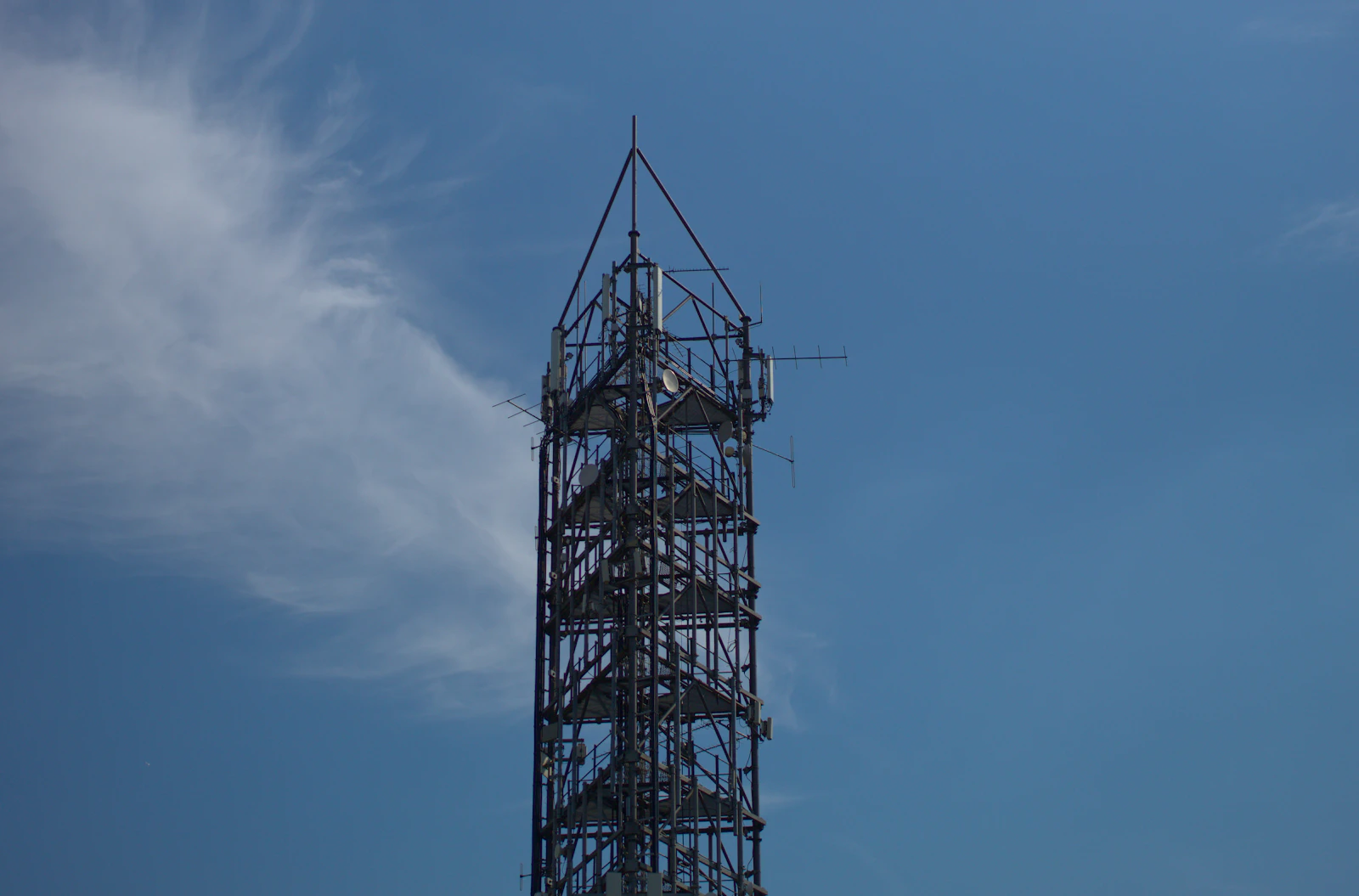
Scaffold Tower Rental Rates Oklahoma City 2026
2026 planning ranges (Oklahoma City): for a rolling scaffold tower used on security system wiring scopes (device rough-in, cable pulls, camera mounts, access control), budget $95–$185/day, $240–$475/week, and $720–$1,250 per 28-day month for a 6–12 ft working platform class tower (single-bay rolling). For taller packages (roughly 18–25 ft tower configurations), typical hire budgets move to $140–$260/day, $315–$650/week, and $950–$1,850 per 28-day month, driven by additional frames/bracing, outriggers, and higher transport/handling exposure. As an Oklahoma City local price reference, Crossland’s published rate shows a 25 ft tower w/casters at $315/week (price subject to change). For benchmarking, a recent government contract schedule shows a 12 ft rolling scaffold tower at $106/day, $224/week, and $555.24 per 4-week, and a smaller rolling scaffold (6 ft x 30 in) at $28/day, $74/week, and $182.22 per 4-week. In Oklahoma City you’ll typically source these units through national tool/equipment renters (with branch delivery) as well as regional scaffold-and-ladder specialists; your final equipment hire cost will mainly swing on delivery windows, duration billing rules, indoor floor protection, and missing-component exposure rather than the base day rate.
| Vendor |
Daily Rate |
Weekly Rate |
Review Score |
Website |
| Crossland’s Rent-All & Sales |
$75 |
$180 |
8 |
Visit |
| Sunbelt Rentals (Scaffold Services / OKC) |
$95 |
$360 |
8 |
Visit |
| United Rentals (Oklahoma City) |
$28 |
$74 |
8 |
Visit |
| The Home Depot Tool Rental (W Oklahoma City #3908) |
$120 |
$450 |
9 |
Visit |
What Drives Scaffold Tower Equipment Hire Cost for Security System Wiring in Oklahoma City?
For security system wiring, scaffold tower rental is usually chosen to avoid lift/operator constraints in tight corridors, lobbies, or occupied spaces. However, the delivered scaffold tower equipment hire cost in Oklahoma City is rarely “rate × days” only. Expect your quote to be built from:
- Configuration: complete rolling tower package vs “rent by the piece” (frames, braces, planks, casters, guardrails, outriggers).
- Access & material handling: ground-level dock vs curbside downtown delivery, elevator access limits, and whether a forklift/telehandler is available to unload.
- Billing cycle assumptions: many large renters publish daily, weekly, and monthly (28-day) rates and apply standard rental calendars.
- Operational constraints: off-rent notification cutoffs, weekend/holiday billing, and return-condition requirements (clean, counted, photo-documented).
Pick the Tower Class That Matches the Wiring Scope (Because “Too Much Tower” Gets Expensive Fast)
Security system wiring often includes repeated short-duration work at multiple points (cameras, motion devices, door strikes, maglocks, REX devices). That means you pay for mobilization efficiency as much as height. From an equipment-hire cost control perspective in Oklahoma City, a common mistake is renting a taller tower than needed “just in case,” then paying extra weeks because the tower is slow to move through doorways and around occupants.
Cost-driven selection notes:
- Interior rolling towers (narrow base, non-marking casters) are typically the lowest total-cost option when you have multiple device locations inside finished spaces. Budget adders for non-marking caster kits (commonly $8–$20/week) and floor protection (ram board / masonite / sticky mats) at $25–$75/week as a job allowance (materials, not rental).
- Exterior/dock/warehouse edges in Oklahoma City can introduce wind exposure. Even when the base hire rate is attractive, outriggers and tie-in requirements can be the difference between a safe, compliant setup and rework. A contract schedule lists scaffold outriggers as a distinct line item (example: $7/day and $10/week).
- High-bay camera work may push you beyond “rolling tower” practicality. In those cases, evaluate whether a small scissor lift is cheaper overall; but if you stay with tower scaffolding, plan on higher handling/delivery cost and longer assembly time.
Complete Tower vs Rent-by-the-Piece (How Costs Accumulate)
Some Oklahoma City projects are priced most cleanly as a complete rolling tower package (one weekly number), while others are best controlled by renting scaffold components and building to height. The risk with rent-by-the-piece is that missing small components at return triggers replacement charges and extra days while you locate parts.
Component benchmark pricing (for estimating only): a recent contract schedule shows multiple scaffold components priced individually, such as base plates at $9/day and $18/week, end frames (6 ft) at $8/day and $9/week, locking pins at $3/day and $4/week, and a 19 in x 10 ft scaffold plank at $8/day and $15/week. Those numbers illustrate why “just one more bay” can add up: you may add 2 frames, multiple braces/pins, additional planks, and outriggers—each with its own billing line.
When complete-tower hire tends to win on total cost:
- Short-duration work where you need predictable weekly equipment hire costs.
- Occupied sites where minimizing assembly time reduces labor and client disruption.
- Projects with multiple mobilizations (you can swap a full tower rather than re-count 25+ loose components each time).
Hidden-Fee Breakdown (Plan These Into the Equipment Hire Budget)
Below are cost items that routinely show up on scaffold tower rental tickets for commercial wiring work. The exact labels vary by renter, but the mechanisms are consistent.
- Delivery / pickup: some renters price as “each way + loaded miles.” A Sunbelt price sheet example shows $120 each way + $3.25 per loaded mile. In Oklahoma City, this is where downtown access restrictions or tight delivery windows can increase total cost (redelivery, wait time, smaller truck dispatch).
- Minimum rental period: interior scaffold programs may have a 4-hour minimum (common for tool-rental style counters), while contractor accounts typically default to 1-day minimum; confirm which model your branch applies.
- Damage waiver / rental protection: frequently 10%–15% of base rental (planning range). Confirm if it applies to accessories too, and what is excluded (loss, theft, misuse, transport damage can be excluded depending on program terms).
- After-hours / second-shift use: if your security system wiring is performed after-hours (e.g., 6:00 pm–2:00 am) and you keep the unit beyond a standard shift, some renters apply an extra-hours formula. One major renter publishes that excess use can be charged at 1/8 of the daily rate per hour, 1/40 of the weekly rate per hour, and 1/160 of the 4-week rate per hour (plus taxes).
- Cleaning fees: budget $35–$150 if returned with drywall dust, tape residue, concrete splatter, mud, or adhesive from floor-protection films.
- Missing-component charges: small parts (pins, casters, guardrail clips) can trigger $10–$75 replacement charges each depending on the part; this is a common avoidable cost if you don’t count and photo-document at off-rent.
- Weekend/holiday billing: many branches bill Saturday/Sunday if the equipment is on-rent, even if idle. For Friday deliveries, budget a 2–3 day charge exposure unless you have a Monday early return window confirmed.
Oklahoma City Logistics That Change Real Scaffold Tower Hire Cost
To localize an Oklahoma City scaffold tower equipment hire estimate for security system wiring, build in a few OKC-specific operational realities:
- Delivery radius norms: many OKC-area jobs fall within a 15–25 mile branch radius. Under “each way + loaded miles,” even a modest distance can dominate the invoice if you do multiple mobilizations (initial drop, swap, final pickup).
- Weather swings: Oklahoma City wind and sudden thunderstorms can pause exterior work. If your tower is on rent but idle, the cost still accrues—so align deliveries with install readiness (anchors laid out, pathways cleared, ceiling tiles staged).
- Red dirt / mud exposure: on new-build sites around OKC, muddy casters and frames can lead to cleaning fees and slow demobilization. Plan a 15–30 minute cleanup allowance before pickup, and require return photos.
Example: Security System Wiring on an Occupied Site (Real Constraints + Numbers)
Scenario: A crew is installing cameras and door hardware across an occupied two-story office/warehouse near Oklahoma City. Work is scheduled nights to avoid disrupting tenants. Ceiling height is 14–18 ft in the warehouse and 10–12 ft in corridors. The GC restricts deliveries to a 7:00 am–9:00 am window only, and requires floor protection on finished areas.
Practical equipment-hire approach: rent one taller rolling tower for the warehouse plus a smaller interior unit (or ladders) for corridor trim-out, rather than oversizing everything.
- Tower package: use a tall tower class as a weekly rental. As a local OKC reference point, a published listing shows $315/week for a 25 ft tower with casters.
- Duration: 3 weeks on rent (to cover rough-in, device set, punch). Base rental: $315 × 3 = $945.
- Delivery/pickup planning allowance: if priced like $120 each way plus mileage (example structure), budget $240–$420 total for two trips depending on distance and redelivery risk.
- Damage waiver (planning range): 10%–15% of base rental = $95–$142.
- Floor protection allowance: $60 (materials + disposal) for finished corridors.
- Cleaning contingency: $75 (dust wipe-down, caster cleaning) to avoid a renter cleaning fee.
Budgetary total for scaffold tower hire line: approximately $1,415–$1,642 for the 3-week tower portion once logistics and risk are included (not counting labor). The takeaway for rental coordinators is that delivery constraints and return condition drive as much cost as the weekly rate on short, multi-location security wiring scopes.
Budget Worksheet (Scaffold Tower Equipment Hire Cost Allowances)
Use this as a field-ready worksheet when you’re building a 2026 Oklahoma City estimate for scaffold tower equipment hire supporting security system wiring.
- Base scaffold tower rental: ________ (e.g., $240–$475/week for 6–12 ft class; $315–$650/week for 18–25 ft class)
- Accessories: guardrails/toeboards/tool tray/outriggers = ________ (allow $10–$45/week)
- Non-marking casters (interior): ________ (allow $8–$20/week)
- Delivery & pickup: ________ (allow $240–$500 total; more for tight windows or multiple drops; some schedules show $120 each way + per-mile)
- Redelivery / wait time contingency: ________ (allow $75–$200)
- Damage waiver / rental protection: ________ (allow 10%–15% of base rental)
- Cleaning / detailing contingency: ________ (allow $35–$150)
- Missing parts contingency: ________ (allow $50–$250 unless you enforce check-in counts)
- Weekend billing exposure: ________ (allow 1–2 extra days if delivery/return straddles a weekend)
Rental Order Checklist (PO, Delivery, Off-Rent, Return Requirements)
- PO line clarity: specify “rolling scaffold tower” height/class, indoor vs outdoor casters, guardrails, outriggers, and any walkboard length constraints.
- Delivery location: exact address + gate code + dock instructions + on-site contact (name/phone) + required delivery window (e.g., 7:00 am–9:00 am).
- Site constraints: elevator size limits, floor loading concerns, non-marking caster requirement, and dust-control expectations (wipe-down before moving through finished areas).
- Billing rules confirmation: confirm day/week/28-day month cycle and whether weekends count when on rent.
- Off-rent procedure: who is authorized to call off-rent; cutoff time (commonly same-day morning/noon); required reference number for pickup.
- Return documentation: component count sheet + photos of frames/casters/guardrails + notes on any damage before loading.
- Return condition: clean (no drywall mud/paint), bundled/strapped, loose pins bagged, and casters free of mud/tape.
If you want tighter Oklahoma City pricing than the 2026 planning ranges above, the fastest path is to request a tower quote with (1) working height, (2) indoor vs outdoor use, (3) exact rental duration, and (4) delivery constraints (dock access and time window). That information is what turns scaffold tower hire cost from a broad range into a controllable number.
How to Control 28-Day Scaffold Tower Equipment Hire Cost on Multi-Week Wiring Projects
Security system wiring projects commonly stretch due to ceiling access conflicts, IT cutovers, and owner schedule changes. That makes scaffold tower equipment hire costs sensitive to how renters apply the 28-day month and weekly conversion rules. Since major renters commonly publish daily/weekly/monthly (28-day) rates online, align your internal forecast to the same structure so you can spot invoice creep early.
- Avoid “soft holds”: don’t accept delivery until the area is ready (ceiling tiles staged, lifts cleared, rooms unlocked). One idle week can cost more than the premium to schedule delivery precisely.
- Right-size by phase: rough-in often needs more height than device install/punch. Plan a tower swap (tall tower for 1–2 weeks, smaller tower thereafter) to lower weekly hire cost.
- Control mobilizations: two extra deliveries can erase rate savings. If your delivery model resembles $120 each way + $3.25/loaded mile, every additional trip is meaningful.
Cost Risk: Damage, Loss, and the Small-Parts Problem
Rolling towers are “high touch” on wiring projects—moved through doors, rolled over cords, pushed across thresholds, and stored overnight in partially secured spaces. This creates predictable cost risks that rental coordinators should quantify:
- Missing pins/couplers: a contract schedule shows locking pins billed separately (example pricing: $3/day, $4/week). That’s a clue that small parts are tracked and charged when missing.
- Casters and outriggers: these are the first items to walk off when multiple trades share staging areas. The same schedule lists scaffolding outriggers separately (example: $7/day, $10/week). Treat outriggers as serialized assets in your internal check-in/out, not “misc parts.”
- Transport damage and misuse: rental protection programs may exclude certain scenarios; confirm what your damage waiver does and does not cover before assuming the percentage is “worry free.”
Practical control step: require a photo set at delivery (all sides, casters, guardrails, planks) and a photo set at pickup, plus a component count. This is one of the highest ROI administrative controls for scaffold tower equipment hire costs.
Compliance and Safety Costs You Should Not Zero-Out
Even when the scaffold tower is small, compliance tasks still consume time and money—especially on occupied facilities where access control is strict. Build explicit allowances so the rental number doesn’t look “wrong” compared to real field cost.
- Competent-person time (inspection/tagging): allow 0.5–1.0 labor hours per week for inspection and documentation per tower, plus re-inspection after any relocation or modification.
- Site-specific safety requirements: indoor dust control (wipe-down before moving), floor protection, and corridor barricading often adds $25–$100/week in consumables/signage even though it’s not on the rental contract.
- After-hours work impacts charges: if you keep equipment beyond a standard shift and the renter bills extra-hours using a formula, you can see add-on charges. One published example bills excess use at 1/8 of the daily, 1/40 of the weekly, and 1/160 of the 4-week charge per hour (plus taxes).
When a Lift Is Cheaper Than a Tower (Cost Comparison Framing)
This article is scaffold-tower focused, but for Oklahoma City estimators it’s still worth sanity-checking if a small electric scissor lift will be cheaper on a high-bay camera package. The decision is usually driven by:
- Relocations per night: towers can be slower through doorways/thresholds; scissor lifts can be faster on flat warehouse slabs (but may be restricted indoors by floor loading or client policy).
- Ceiling height and reach: if you need sustained work above ~18–20 ft, the tower configuration gets heavier and more expensive to deliver and assemble.
- Operator constraints: lifts can introduce operator training/documentation requirements, while a small rolling tower may be simpler—yet still requires inspection discipline.
If you remain with scaffold tower hire, use published benchmarks to defend your number: for example, the contract schedule references $224/week for a 12 ft rolling tower and $315/week for a 25 ft tower in a local OKC listing, which helps bracket expectations even before delivery and fees.
Quick Estimating Rules of Thumb (No Surprises on the Invoice)
- Assume 1 extra billed day per mobilization if your pickup window is tight or the site requires escorts/badging.
- Assume delivery dominates short rentals: if the delivery model resembles $120 each way, a 2–3 day rental can cost more in transport than in base hire.
- Assume accessories are not “free”: guardrails, planks, outriggers, and pins may be separate charges. The contract schedule shows multiple scaffold items billed independently (e.g., base plates $18/week, planks $15/week, locking pins $4/week).
- Assume a cleaning event will happen once: budget $35–$150 unless you formalize wipe-down and caster cleaning as part of demob.
- Assume weekend exposure unless you can return by Friday cutoff or you have written approval for Monday-return-with-no-weekend-bill (policy varies by branch).
For Oklahoma City security system wiring, scaffold tower equipment hire costs are most controllable when you treat the rental like a managed asset: define configuration, lock delivery windows, document condition, and off-rent immediately when the punch list shifts to ladders and handheld work. The base day/week rate matters—but the invoice is won or lost in logistics, accessories, and return discipline.